
American Persimmon Tree Live Plant – Diospyros virginiana 4″ Pot, Outdoor Fruit Tree
Original price was: 45.91 $.25.91 $Current price is: 25.91 $.
Bring the beauty and bounty of a American Persimmon tree to your landscape. This Diospyros virginiana live plant, supplied in a 4-inch pot, is a Kentucky native known for its seasonal foliage and deliciously sweet fruit. Ideal for outdoor planting in USDA Zones 7-9, this native fruit tree is a wonderful addition for both ornamental appeal and edible harvests.
Estimated arrival
Oct 15
Oct 20 - Oct 22
Oct 22 - Oct 27
See our Shipping Policy.
Get in touch with us via email, and our team will review your concerns.
Our Alive & Thrive Guarantee covers issues with your plants within the first 30 days. Read our Refund & Returns Policy.
-
USDA Hardiness Zone
7-9 -
Soil Type
Moist, well-draining loamy soil -
Sunlight Exposure
Full sun -
Expected Planting Period
Spring to Fall
Overview
Cultivate your own delicious fruit with this live American Persimmon tree (Diospyros virginiana), supplied in a 4-inch pot. This remarkable Kentucky native offers more than just sweet, autumnal fruit; it’s a dynamic addition to any landscape, transforming through the seasons with captivating foliage. The Diospyros virginiana is a hardy and adaptable species, perfect for gardeners looking to add a unique and productive element to their outdoor space. As a native fruit tree, it supports local ecosystems while providing a rewarding harvest of richly flavored persimmons.
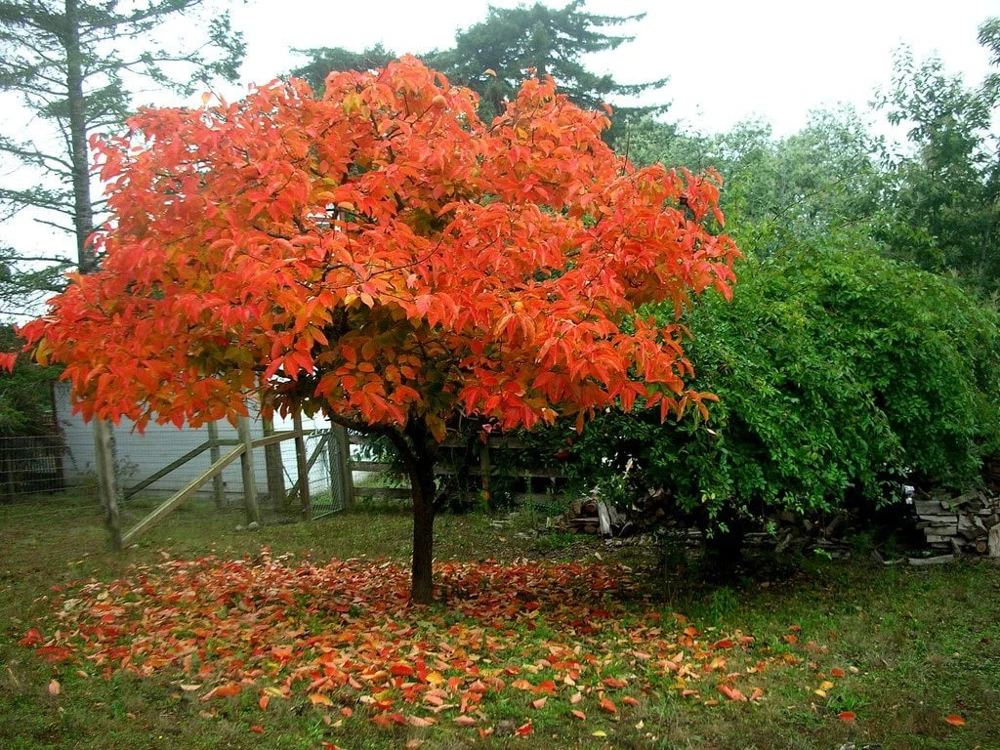
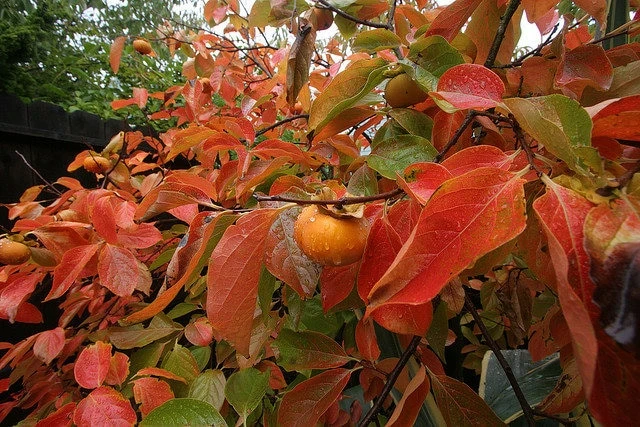
The American Persimmon tree begins as a slow grower but can be pruned to develop a strong central leader or an open, spreading form, making it versatile for various garden designs. Its long, oval leaves transition beautifully from a bright, light green in spring, to a deep pine green, and finally explode into vibrant fall colors. In the spring, it graces the garden with plentiful yellow-white, waxy, open bell-shaped flowers, adding to its ornamental appeal before the fruit even begins to form. This particular plant is a young specimen, ready to establish itself and thrive in your garden, becoming a cherished part of your home for years to come.
Key Benefits
Adding an American Persimmon tree to your garden offers a wealth of advantages, blending aesthetic appeal with practical benefits. This resilient native fruit tree is a valuable investment for any homeowner.
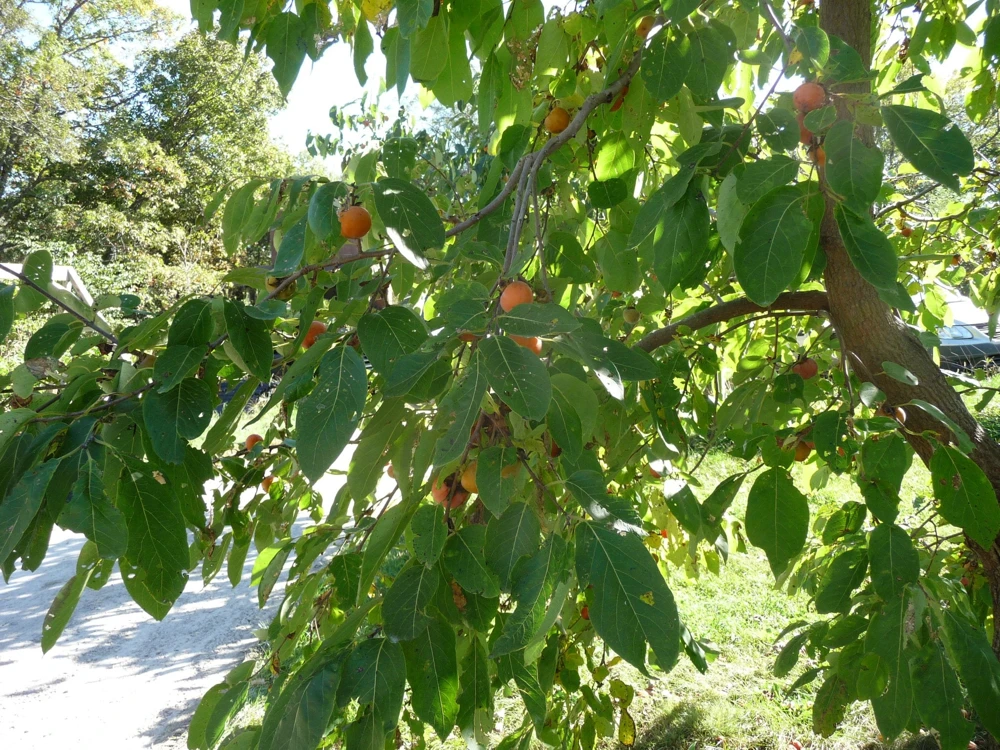
- Delicious Fruit Production: Enjoy richly sweet and almost nutty-flavored persimmons from your own tree. While unripe fruit is bitter, ripe persimmons are a true delicacy. Your trees can begin to bear fruit as early as three years from initial planting, offering a rewarding harvest.
- Seasonal Beauty: The Diospyros virginiana provides year-round visual interest. Its foliage transitions from light green to dark pine, culminating in stunning fall colors. Delicate yellow-white flowers appear in spring, enhancing any garden or open space.
- Native & Hardy: As a Kentucky native, this tree is well-adapted to regional climates, making it a robust and reliable choice for many landscapes. It is hardy in USDA Zones 7-9, demonstrating excellent cold and freeze hardiness.
- Wildlife Attraction: The fruit of the American Persimmon tree is a valuable food source for local wildlife, contributing to biodiversity in your garden.
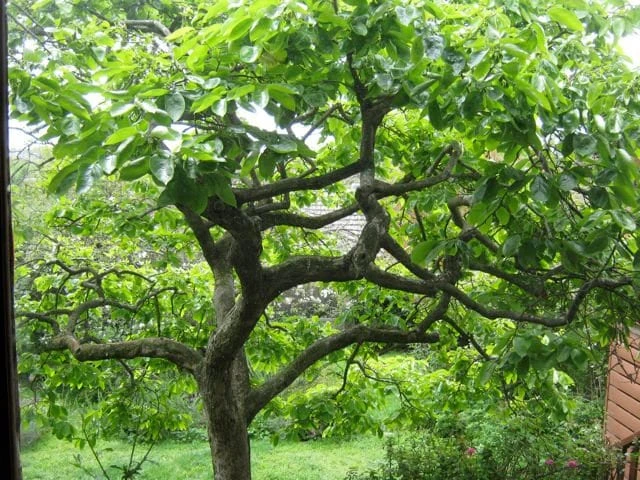
- Landscape Versatility: Though a slow grower initially, it can be pruned to achieve a strong central leader or an open truck, allowing for flexible integration into various garden designs. This makes growing persimmons accessible to different garden styles.
- Long-Term Investment: Once established, mature trees are relatively low-maintenance and can provide fruit for many decades, becoming a lasting legacy in your landscape.
- Adaptable to Soil Conditions: While it thrives in moist loamy soil, mature trees can tolerate some drought, making it a relatively forgiving plant once established.
Plant Care & Growing Tips
Caring for your American Persimmon tree is straightforward, ensuring a healthy plant and abundant fruit for years to come. This Diospyros virginiana thrives with proper attention to its environmental needs. Plant your young persimmon in a location that receives full sun, meaning at least 6-8 hours of direct sunlight per day. Adequate sunlight is crucial for fruit production and overall tree vigor. While young trees require consistent moisture, mature native fruit tree specimens can handle some drought, but regular watering is best, especially during dry spells and when fruit is developing. Ensure the soil remains moist but not waterlogged.
The ideal soil for an American Persimmon tree is moist, well-draining loamy soil. Good drainage is essential to prevent root rot. If your soil is heavy clay, amend it with organic matter like compost to improve drainage and aeration. This tree is hardy in USDA Zones 7-9, indicating its resilience to cold temperatures. While very cold and freeze hardy, protecting young trees from early frosts in low-lying areas can help maximize ripening time and protect tender new growth. Fertilize in early spring with a balanced, slow-release fertilizer designed for fruit trees. Follow product instructions carefully to avoid over-fertilization, which can encourage leafy growth at the expense of fruit production. Regular pruning in late winter or early spring can help shape the tree, remove dead or diseased branches, and encourage better air circulation and fruit development, which is key to successful persimmon plant care.
Size & Details
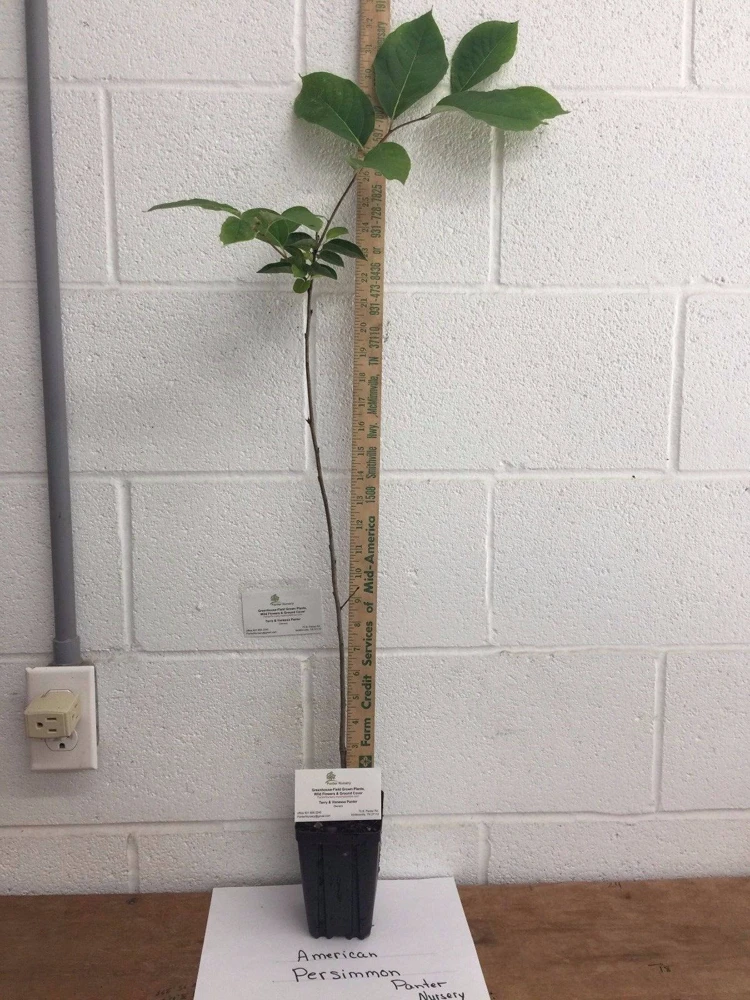
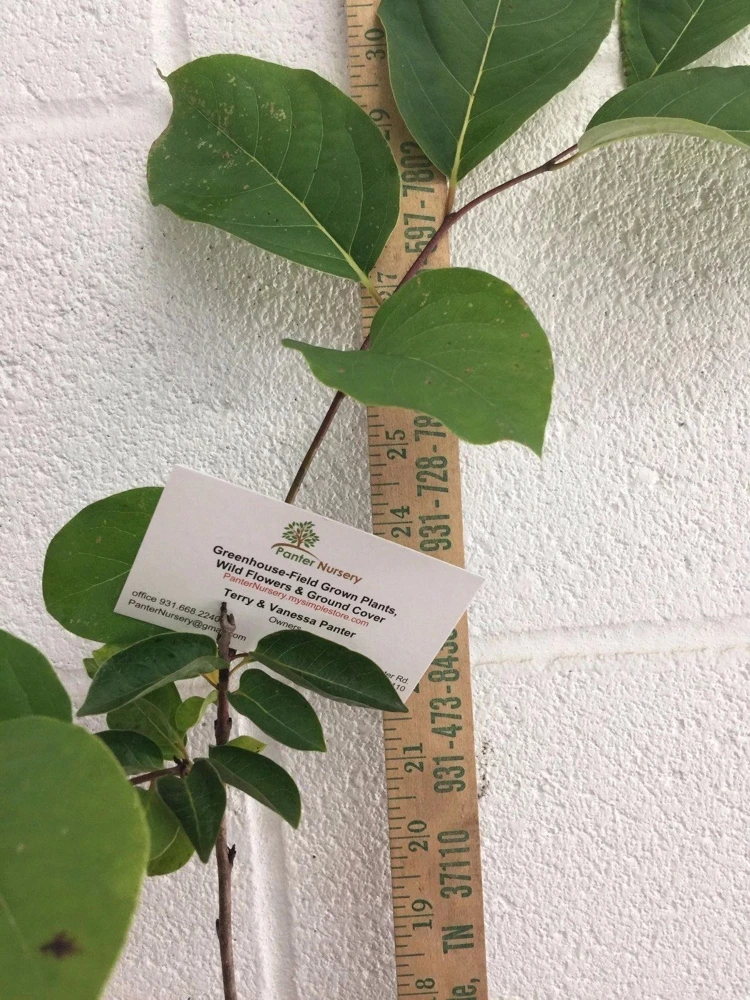
This offering is for one American Persimmon tree, a live plant, provided in a 4-inch nursery pot. The young tree stands approximately 6-12 inches tall at the time of shipping, ready for planting and establishment in your garden. As a slow-growing species initially, it focuses on developing a strong root system in its early years. With proper care, it will gradually increase in size, eventually reaching a mature height of 30-50 feet and a spread of 20-35 feet, forming a stately presence in your landscape. Fruit production typically begins within three years of planting, offering a relatively quick turnaround for your efforts in growing persimmons.
The plant will be shipped securely, with its root ball intact and protected, ensuring it arrives in optimal condition for transplanting. While young, this Diospyros virginiana specimen will require consistent watering and protection from extreme conditions to help it establish. Once mature, it becomes a robust and resilient tree, capable of providing decades of beauty and delicious fruit.
Frequently Asked Questions
- Q: How big does this American Persimmon tree get? A: This young American Persimmon tree is shipped in a 4-inch pot, typically 6-12 inches tall. Mature trees can reach heights of 30-50 feet with a spread of 20-35 feet, making them a significant landscape addition.
- Q: Is this an indoor or outdoor plant? A: The American Persimmon tree is an outdoor fruit tree. It requires ample sunlight and space to grow and thrive, making it unsuitable for indoor cultivation.
- Q: How much sunlight does it need? A: This native fruit tree thrives in full sun, requiring at least 6-8 hours of direct sunlight per day to ensure healthy growth and optimal fruit production.
- Q: Is this plant easy to care for? A: While initially a slow grower requiring consistent care, established Diospyros virginiana trees are relatively low-maintenance. Proper watering, good soil, and occasional pruning are key to successful persimmon plant care.
- Q: What condition will it arrive in? A: Your American Persimmon tree will arrive as a live plant in a 4-inch nursery pot, with its root system carefully protected to ensure it reaches you in good health and ready for planting.
- Q: How long until it blooms and bears fruit? A: The tree typically produces its yellow-white flowers in the spring. Fruit production can begin as early as three years after initial planting, with yields increasing as the tree matures.
- Q: When is the best time to plant an American Persimmon tree? A: The best time to plant is generally in early spring or fall, allowing the tree to establish its root system before extreme summer heat or winter cold.
- Q: Will it survive winter in my zone? A: The American Persimmon tree is hardy in USDA Zones 7-9. It is very cold and freeze hardy, but young trees may benefit from protection from early frosts in low-lying areas.
- Q: What type of soil is best for growing persimmons? A: This tree prefers moist, well-draining loamy soil. Good drainage is crucial to prevent root issues, so amend heavy soils with organic matter if necessary.
- Q: Can I prune my persimmon tree? A: Yes, pruning is beneficial. You can prune your American Persimmon tree in late winter or early spring to shape it, encourage a strong structure, and promote better fruit production.
Be the first to review “American Persimmon Tree Live Plant – Diospyros virginiana 4″ Pot, Outdoor Fruit Tree”
Related products


Trees
Guava Tree Live Plant Pink Tropical Fruit 4-10in Tall Well Rooted for Gardening USDA Zones 9-11


You May Like

Hardneck vs. Softneck Garlic: Which Should You Grow?
Have you ever stood in front of a seed catalog in mid-September, staring at dozens [...]
Oct

When to Plant Music Garlic: Ultimate US Fall Guide
Have you ever spent your fall weekend placing carefully chosen garlic cloves into rich, dark [...]
1 Comment
Oct

5 Best Bulbs for Fall Planting: Brighten Your Garden This Spring
Are you dreaming of a garden full of vibrant colors in the spring? The key [...]
Aug

10 Houseplants That Will Thrive in Your Kitchen
Are you tired of your kitchen feeling dull and lifeless? Want to add a little [...]
1 Comment
Aug
Reviews
There are no reviews yet.