
Rattlesnake Orchid Live Plant – 5 Root Systems – Perennial – Zones 4-8
Original price was: 37.91 $.17.91 $Current price is: 17.91 $.
Enhance your garden with a rattlesnake orchid live plant. This offer includes 5 rattlesnake orchid root systems, perfect for naturalizing wooded areas and rock gardens. An evergreen perennial known for its variegated leaves and summer blooms, hardy in USDA Zones 4-8.
Estimated arrival
Oct 15
Oct 20 - Oct 22
Oct 22 - Oct 27
See our Shipping Policy.
Get in touch with us via email, and our team will review your concerns.
Our Alive & Thrive Guarantee covers issues with your plants within the first 30 days. Read our Refund & Returns Policy.
-
USDA Hardiness Zone
USDA Zones 4-8 -
Soil Type
Mild to moderately acidic, well-draining soil -
Sunlight Exposure
Partial to full shade -
Expected Planting Period
Spring to early fall
Overview
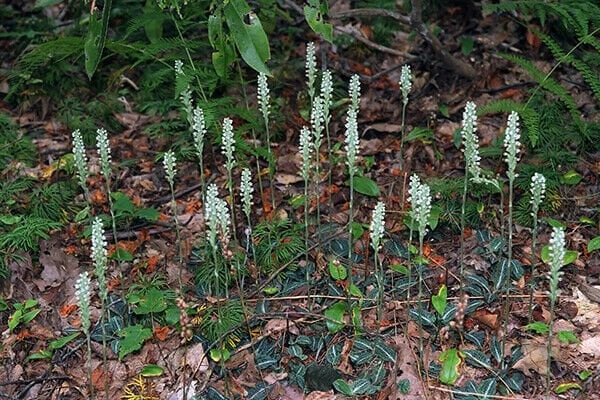
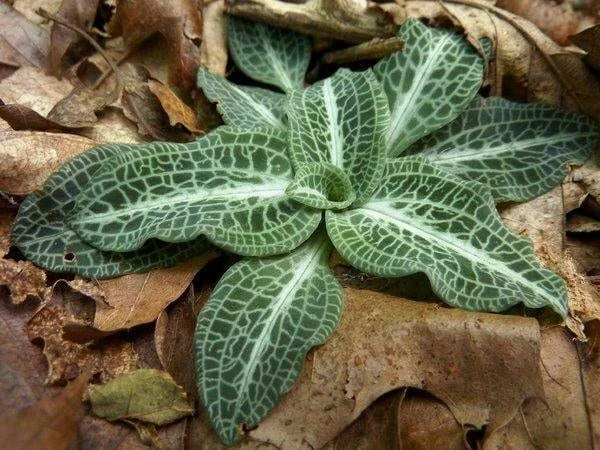
Transform your garden into a natural wonderland with the exquisite rattlesnake orchid live plant. This offering provides 5 rattlesnake orchid root systems, allowing you to establish a thriving colony of these fascinating native orchids. The Rattlesnake Orchid (Goodyera pubescens) is one of the most common and beloved orchids native to Eastern North America. Known for its distinctive variegated leaves, which resemble a snakeskin pattern, this evergreen terrestrial herb adds unique texture and interest to any shaded or woodland garden. Unlike many showy tropical orchids, the rattlesnake orchid perennial offers subtle beauty and resilience, making it an excellent choice for naturalizing and enhancing biodiversity in your outdoor spaces. Its creeping growth habit means it can spread gently, creating a beautiful groundcover effect on rock shelves or in wooded areas.
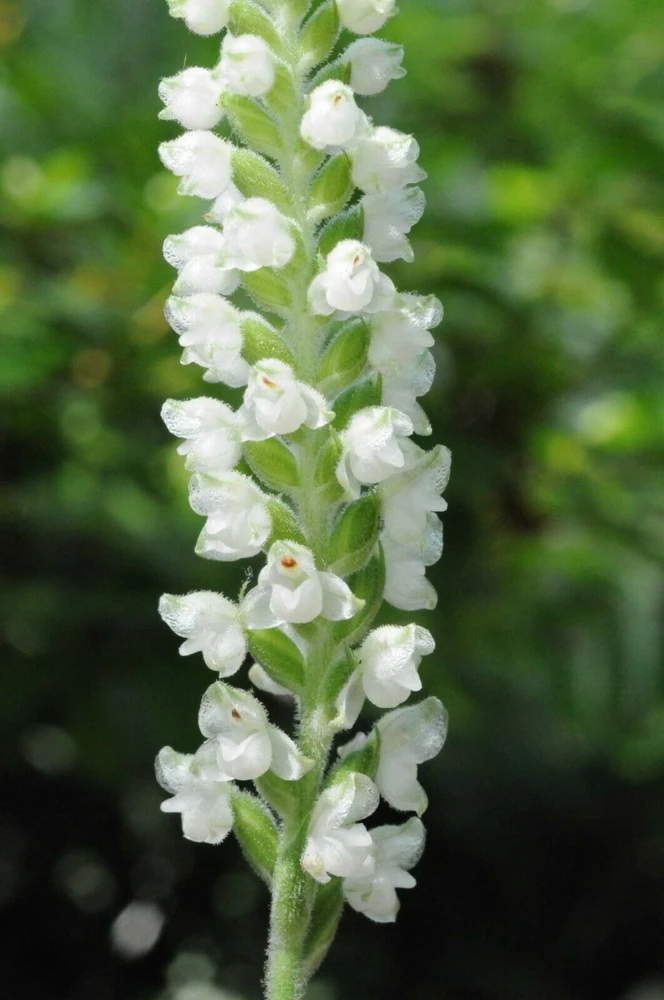
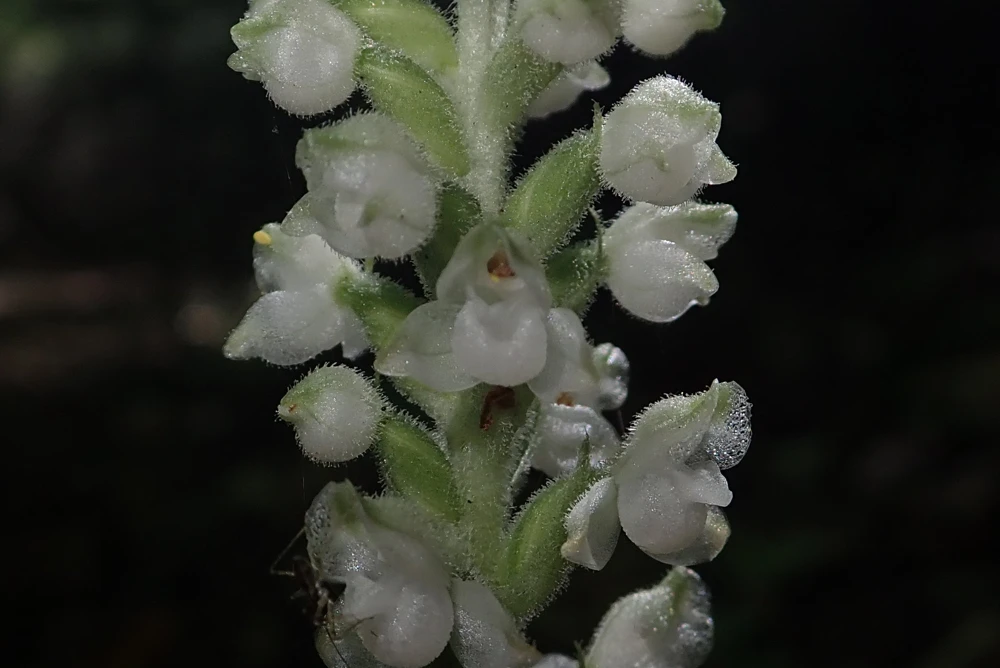
The unique foliage of the rattlesnake orchid live plant remains attractive year-round, providing continuous visual appeal even when not in bloom. Its delicate white flowers emerge on tall spikes in mid-summer, adding a touch of understated elegance to the landscape. This plant is not only beautiful but also ecologically beneficial, attracting native pollinators. If you are looking to create a naturalistic garden or reclaim a wooded area, the rattlesnake orchid root system is an ideal choice, promising years of beauty and ecological value.
Key Benefits
The rattlesnake orchid live plant offers a multitude of benefits for both the discerning gardener and the natural environment. Its unique characteristics make it a standout addition to various landscape designs.
- Unique Variegated Foliage: The striking “rattlesnake” pattern on its evergreen leaves provides year-round visual interest, especially in shaded garden areas where color can be scarce. This distinctive foliage makes the rattlesnake orchid perennial a conversation starter.
- Native & Hardy: As a native to a wide range of Eastern North America, this orchid is incredibly resilient and well-adapted to various climates. It thrives naturally in rattlesnake orchid zones 4-8, ensuring success in many regions without extensive care.
- Excellent for Naturalizing: Its creeping growth habit makes it perfect for naturalizing wooded areas, rock gardens, and shaded borders. It helps create a lush, natural look, blending seamlessly with existing flora.
- Summer Blooms: Delicate white flowers appear on upright spikes from mid-July to early September, adding a subtle yet charming floral display during the warmer months. These blooms attract native pollinators, enhancing garden biodiversity.
- Low Maintenance Perennial: Once established, the rattlesnake orchid live plant requires minimal care. It is a long-lived perennial that returns year after year, offering lasting beauty with little effort.
- Adaptable Soil Preferences: While it prefers mild to moderately acidic soils, it is quite adaptable, making it suitable for a variety of garden conditions where other plants might struggle.
- Ecological Value: Supports local ecosystems by providing habitat and nectar for native insects, contributing to a healthier and more vibrant garden environment.
Plant Care & Growing Tips
Caring for your rattlesnake orchid live plant is straightforward, especially when considering its natural habitat. This resilient perennial thrives with minimal intervention once established, making it a rewarding addition to your garden. When planting your 5 rattlesnake orchid root systems, choose a location that mimics its native woodland environment.
Sunlight Requirements: Rattlesnake Orchids prefer partial to full shade. They naturally grow under the canopy of trees, so dappled sunlight or indirect light is ideal. Avoid direct, harsh afternoon sun, which can scorch their delicate leaves. For best results, place them where they receive morning sun and afternoon shade, or consistent filtered light throughout the day.
Watering Schedule & Soil Moisture: These orchids prefer consistently moist, but not waterlogged, soil. Water regularly, especially during dry spells, ensuring the soil remains damp. Reduce watering during the dormant winter months. Good drainage is crucial to prevent root rot, which is why a well-draining soil mix is recommended. The rattlesnake orchid perennial is fairly drought-tolerant once established but will perform best with consistent moisture.
Soil Type and Drainage: The Rattlesnake Orchid thrives in mild to moderately acidic soils rich in organic matter. A well-draining soil mix is essential. Amend heavy clay soils with compost, peat moss, or leaf mold to improve drainage and acidity. Sandy soils may benefit from added organic matter to retain moisture. They are often found growing on rock shelves in nature, indicating their need for good air circulation around their roots.
Temperature Range and USDA Hardiness Zone: This species is incredibly hardy, thriving in rattlesnake orchid zones 4-8. It can tolerate cold winters and warm summers within these zones. Protection from extreme winter winds might be beneficial in the colder end of its range, but generally, it is very robust.
Fertilization Schedule and Type: Rattlesnake Orchids are not heavy feeders. A light application of a balanced, slow-release organic fertilizer in spring can be beneficial. Alternatively, top-dressing with compost or leaf mold annually will provide sufficient nutrients for healthy growth of your rattlesnake orchid root system. Avoid over-fertilizing, which can harm the plant.
Common Problems and Solutions: These orchids are generally pest and disease resistant. The most common issue is root rot due to overly wet, poorly draining soil. Ensure proper soil conditions and avoid overwatering. Slugs and snails may occasionally feed on leaves; use organic slug baits or hand-pick them if necessary. Proper care will ensure your rattlesnake orchid live plant flourishes.
Size & Details
This offering includes 5 rattlesnake orchid root systems, providing a robust start for your garden project. Each root system is a viable plant that, once established, will begin to creep and spread, forming a beautiful groundcover. Rattlesnake Orchids typically grow to a height of 6-12 inches when in bloom, with the foliage forming a low-lying mat of approximately 3-6 inches tall and spreading outwards. The growth rate is moderate, with plants gradually expanding their footprint each year.
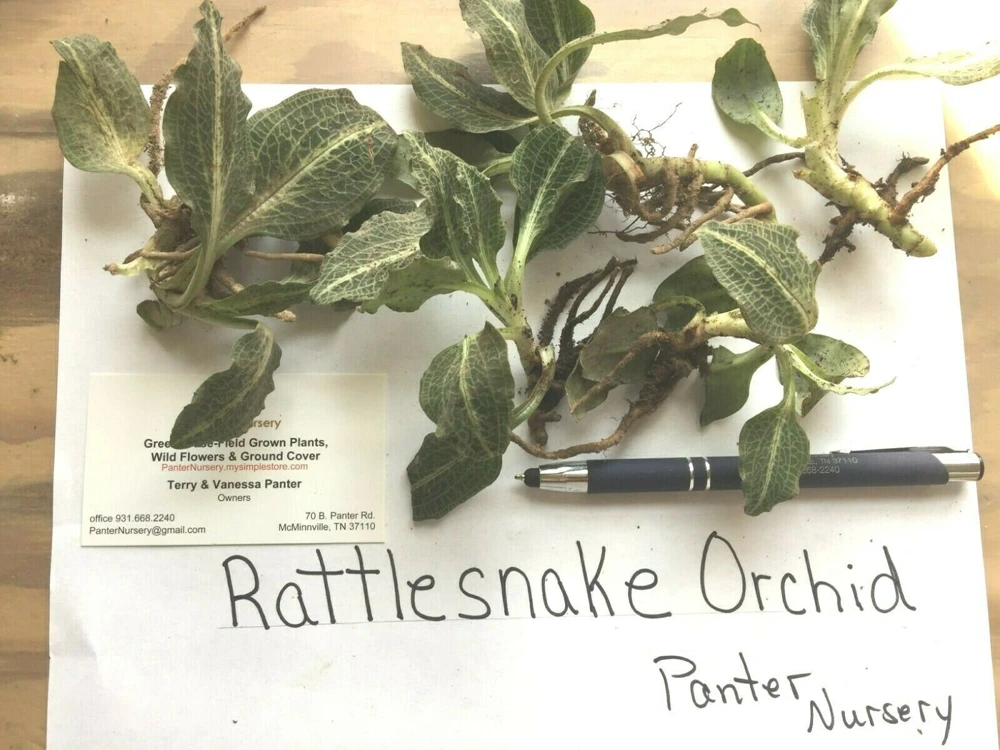
The plants are shipped as bare root systems, which is the ideal method for establishing this particular type of perennial. They are ready for immediate planting upon arrival. Expect the plants to establish roots and begin showing new foliage growth within a few weeks of planting, depending on environmental conditions. Flowering typically occurs in mid-July to early September once the plant has matured, usually in its second or third year after planting. These rattlesnake orchid root systems are a fantastic way to introduce this unique native plant into your landscape.
Frequently Asked Questions
- Q: How big does this plant get? A: The rattlesnake orchid live plant typically grows 3-6 inches tall with its foliage, and flower spikes can reach 6-12 inches in height. It spreads slowly via creeping rhizomes, forming a groundcover over time.
- Q: What condition will the rattlesnake orchid root systems arrive in? A: Your order will arrive as 5 rattlesnake orchid root systems, carefully packaged in a bare-root state, ready for planting. This method ensures minimal stress during transit and optimal establishment.
- Q: Is this an indoor or outdoor plant? A: The rattlesnake orchid perennial is primarily an outdoor plant, native to woodland environments. It thrives in shaded garden settings and is hardy in USDA Zones 4-8.
- Q: How much sunlight does it need? A: This plant prefers partial to full shade. Dappled sunlight or filtered light is ideal, mimicking its natural habitat under tree canopies. Avoid direct afternoon sun.
- Q: Is this plant easy to care for? A: Yes, once established, the rattlesnake orchid live plant is relatively low-maintenance. It requires consistently moist, well-draining, and moderately acidic soil, along with a shaded location.
- Q: When is the best time to plant the rattlesnake orchid root system? A: The best time to plant rattlesnake orchid root systems is in spring or early fall, allowing the plants to establish before extreme summer heat or winter cold.
- Q: Will it survive winter in my zone? A: This orchid is remarkably hardy and will survive winter in rattlesnake orchid zones 4-8. Its evergreen foliage provides winter interest even in colder climates.
- Q: What kind of soil does the rattlesnake orchid prefer? A: The rattlesnake orchid perennial prefers mild to moderately acidic, well-draining soil that is rich in organic matter. Amending with compost or peat moss is beneficial.
- Q: How long until the rattlesnake orchid blooms? A: Rattlesnake Orchids typically bloom from mid-July to early September. It may take a season or two for newly planted rattlesnake orchid root systems to establish and produce flowers.
- Q: Are there any specific pests or diseases I should watch out for? A: Rattlesnake Orchids are generally robust and resistant to most pests and diseases. Ensuring good drainage is key to preventing common issues like root rot.
Be the first to review “Rattlesnake Orchid Live Plant – 5 Root Systems – Perennial – Zones 4-8”
Related products


You May Like

Hardneck vs. Softneck Garlic: Which Should You Grow?
Have you ever stood in front of a seed catalog in mid-September, staring at dozens [...]
Oct

When to Plant Music Garlic: Ultimate US Fall Guide
Have you ever spent your fall weekend placing carefully chosen garlic cloves into rich, dark [...]
1 Comment
Oct

5 Best Bulbs for Fall Planting: Brighten Your Garden This Spring
Are you dreaming of a garden full of vibrant colors in the spring? The key [...]
Aug

10 Houseplants That Will Thrive in Your Kitchen
Are you tired of your kitchen feeling dull and lifeless? Want to add a little [...]
1 Comment
Aug
Reviews
There are no reviews yet.