
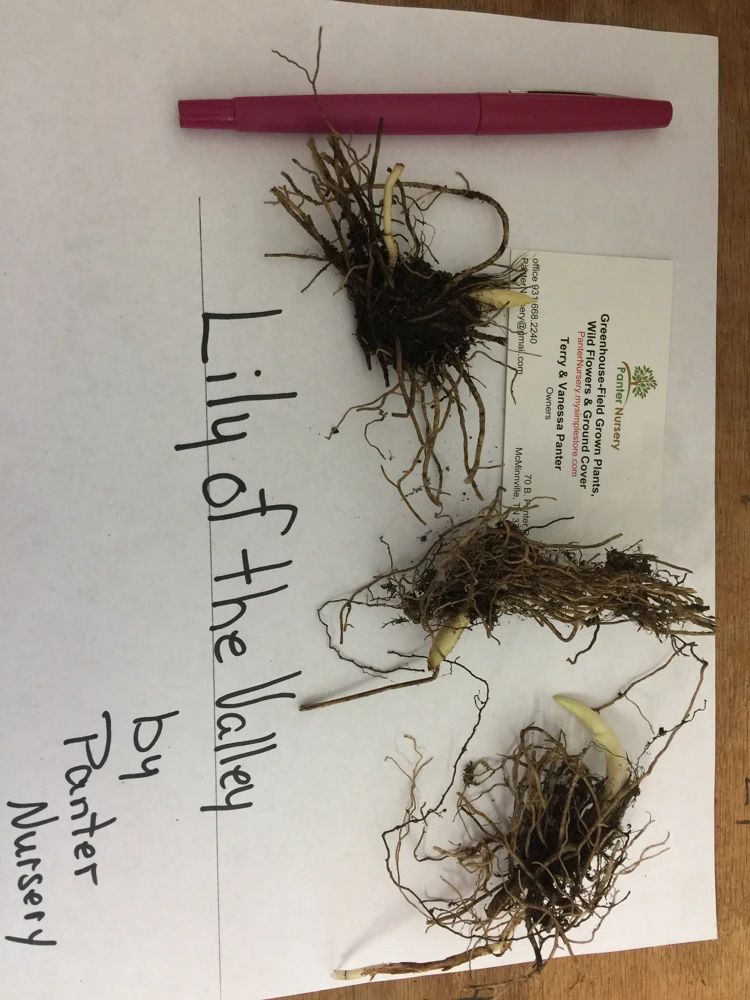
5 Lily of the Valley Rhizomes – Fragrant May Bells Bare Root Plants – USDA Zones 2-9
Original price was: 37.01 $.17.01 $Current price is: 17.01 $.
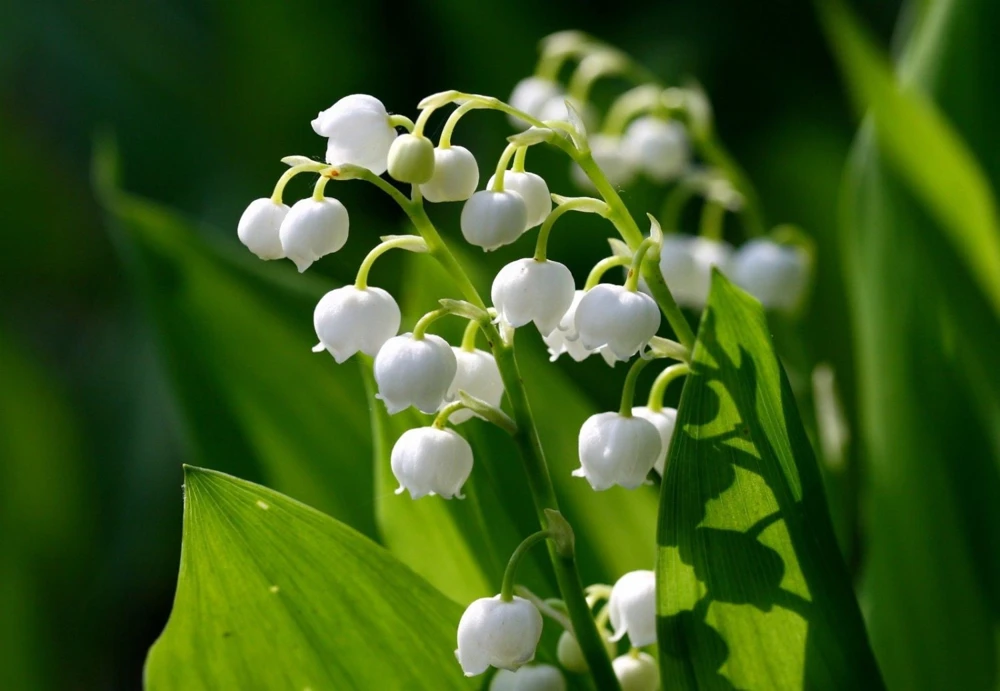
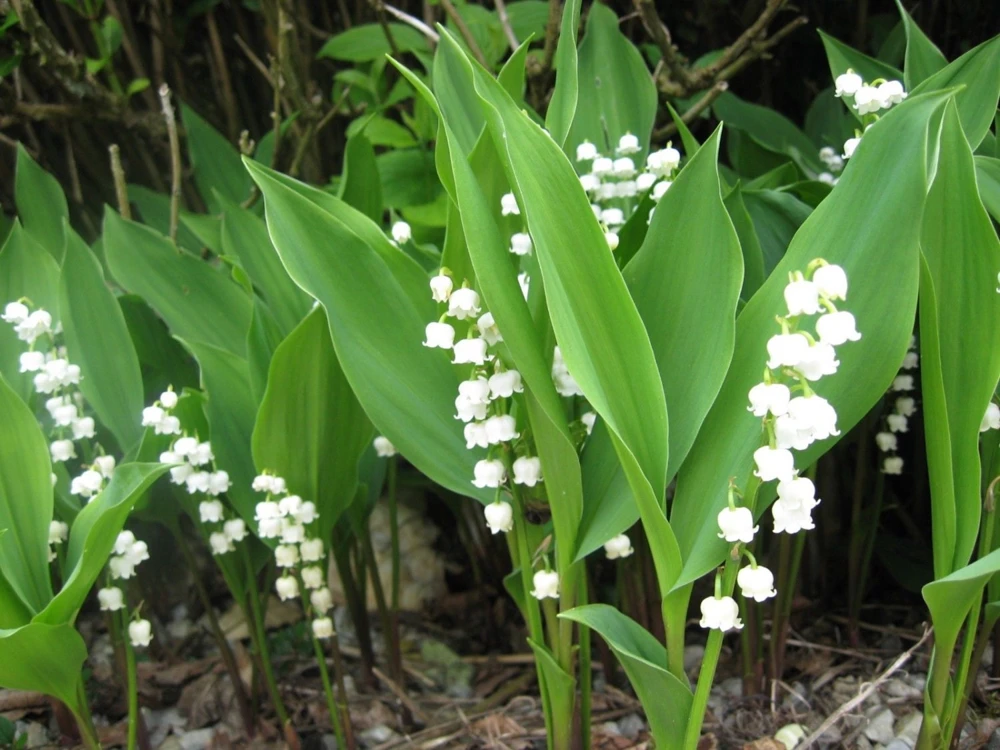
Cultivate beauty and fragrance with 5 Lily of the Valley rhizomes. These easy-to-grow fragrant may bells are perfect for creating a spreading groundcover in shaded areas. Enjoy their sweet perfume and delicate white flowers.
Estimated arrival
Oct 15
Oct 20 - Oct 22
Oct 22 - Oct 27
See our Shipping Policy.
Get in touch with us via email, and our team will review your concerns.
Our Alive & Thrive Guarantee covers issues with your plants within the first 30 days. Read our Refund & Returns Policy.
-
USDA Hardiness Zone
USDA Zones 2-9 -
Soil Type
Moist, well-draining, organically rich soil -
Sunlight Exposure
Partial to full shade -
Expected Planting Period
Late fall to early spring
Overview
Transform your garden into a fragrant haven with our exquisite collection of lily of the valley rhizomes. You are purchasing 5 healthy bare root rhizomes of this beloved perennial, scientifically known as Convallaria majalis. Around since at least 1000 B.C., lily of the valley rhizomes are renowned for their delicate beauty and intoxicating fragrance, making them a timeless addition to any landscape. These charming plants emerge in spring with lush green foliage, followed by nodding, bell-shaped white flowers that release a sweet perfume, often referred to as fragrant may bells. Ideal for shady spots, these rhizomes will quickly establish and spread, creating a beautiful groundcover or border.
The allure of perennial lily of the valley lies not only in its stunning appearance and scent but also in its remarkable hardiness and ease of care. Thriving across a wide range of climates, these plants are a gardener’s delight, offering reliable blooms year after year. Whether you’re an experienced horticulturist or a budding enthusiast, growing lily of the valley from rhizomes is a rewarding experience. They are perfect for woodland gardens, shady borders, or under trees where other plants struggle. Their low-maintenance nature ensures that you can enjoy their beauty without constant fuss, allowing you more time to savor their enchanting aroma.
Key Benefits
Embrace the many advantages of planting lily of the valley bare root rhizomes in your garden:
- Exquisite Fragrance: Enjoy the intensely sweet and captivating perfume of fragrant may bells that fills the air in late spring and early summer, creating a delightful sensory experience in your garden.
- Beautiful Groundcover: These rhizomes quickly establish and spread, forming a dense carpet of attractive green foliage and delicate white flowers, perfect for suppressing weeds in shaded areas.
- Hardy Perennial: As a robust perennial lily of the valley, these plants return year after year, offering reliable blooms and foliage with minimal effort, making them a long-term investment for your garden.
- Low Maintenance: Once established, growing lily of the valley requires very little attention, tolerating a range of soil conditions and light levels, making it an ideal choice for busy gardeners.
- Versatile Landscaping: Excellent for woodland gardens, shady borders, under deciduous trees, or as a charming accent in containers. Their adaptability allows them to thrive in various settings.
- Attractive Foliage: Beyond the flowers, the medium-bright green, lance-shaped leaves provide an appealing texture and color to your garden from spring through fall, even after the blooms fade.
- Wildlife Appeal: While the flowers are primarily enjoyed by humans, the plant’s red seed pods that appear after flowering add ornamental interest and can be a food source for some wildlife.
Plant Care & Growing Tips
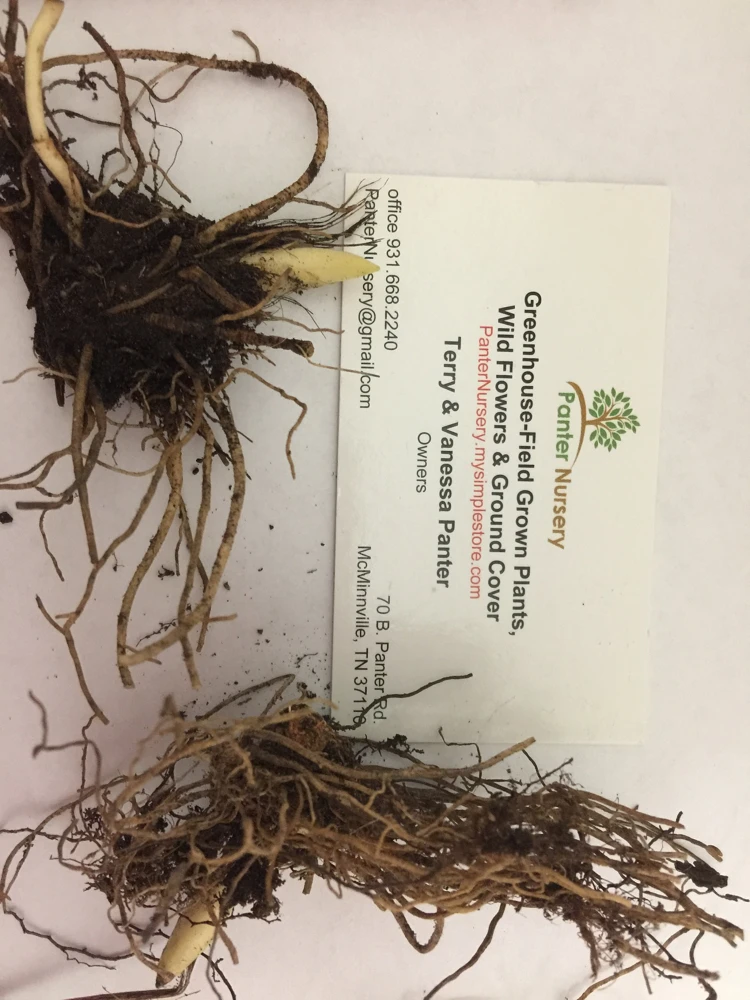
Growing lily of the valley is surprisingly straightforward, making it a favorite among gardeners of all skill levels. These resilient plants thrive in a variety of conditions, but optimal care will ensure the most abundant blooms and lush foliage. The rhizomes you receive are ready for planting and will quickly establish themselves. For best results, plant your lily of the valley bare root rhizomes in late fall or early spring, ensuring the ‘pips’ (buds) are just below the soil surface.
Sunlight and Soil:Lily of the valley rhizomes prefer partial to full shade. While they can tolerate some morning sun, direct afternoon sun can scorch their leaves, especially in warmer climates. They are not particular about soil pH but thrive in moist, well-drained, and organically rich soil. Amend heavy clay soils with compost to improve drainage and fertility. Consistent moisture is crucial, particularly during dry spells, but avoid waterlogging, which can lead to rot. Once established, these perennial lily of the valley plants are quite drought-tolerant, but regular watering during their active growth period will promote healthier growth and more vibrant blooms. Ensure good air circulation to prevent fungal issues.
Watering and Fertilization: Keep the soil consistently moist, especially during the spring and summer months when the plant is actively growing and flowering. Reduce watering in the fall as the plant prepares for dormancy. A balanced, slow-release granular fertilizer can be applied in early spring as new growth emerges, but often, the rich organic matter in the soil is sufficient. Over-fertilization can lead to excessive foliage at the expense of flowers. These fragrant may bells are generally pest and disease-resistant, but watch out for slugs and snails, which can be deterred with organic baits or barriers. In colder zones (USDA 2-4), a layer of mulch in late fall can provide extra winter protection for your lily of the valley rhizomes.
Size & Details
You will receive 5 Lily of the Valley rhizomes, shipped as bare root plants, ready for immediate planting. Each rhizome is carefully selected to ensure vigorous growth and abundant flowering. When mature, these plants typically grow to a height of 4 to 8 inches (10-20 cm) and spread readily to form a dense patch. The lance-shaped leaves are generally 3 to 5 inches (7-12 cm) wide. Lily of the Valley has a moderate to fast growth rate, quickly filling in shaded areas. Expect the charming white, bell-shaped flowers, known as fragrant may bells, to emerge in late spring to early summer. After flowering, attractive red seed pods may appear, adding further visual interest to this perennial lily of the valley.
Frequently Asked Questions
- Q: How big do these Lily of the Valley plants get? A: Lily of the Valley rhizomes typically grow to a height of 4 to 8 inches, with leaves that are 3 to 5 inches wide. They form a spreading mass, so they can cover a significant area over time.
- Q: Is this an indoor or outdoor plant? A: These are primarily outdoor plants, thriving as a groundcover or border in shaded garden areas. While they can be forced indoors for temporary enjoyment, their natural habitat is outdoors.
- Q: How much sunlight does Lily of the Valley need? A: Growing lily of the valley is best achieved in partial to full shade. They can tolerate some morning sun but should be protected from harsh afternoon sun to prevent leaf scorch.
- Q: Is this plant easy to care for? A: Yes, perennial lily of the valley is known for being very easy to grow and low maintenance once established. They are resilient and spread readily, making them a great choice for beginners.
- Q: What condition will the rhizomes arrive in? A: You will receive lily of the valley bare root rhizomes, meaning they are dormant and without soil. This is the ideal way to ship them for healthy transplantation.
- Q: When is the best time to plant Lily of the Valley rhizomes? A: The best time to plant lily of the valley rhizomes is in the late fall or early spring, allowing them to establish before the heat of summer or the deep cold of winter.
- Q: Will Lily of the Valley survive winter in my zone? A: Yes, these fragrant may bells are incredibly cold-hardy and are perennial in USDA Zones 2-9, meaning they will reliably return year after year even after harsh winters.
- Q: What kind of soil is best for Lily of the Valley? A: They prefer moist, well-drained soil that is rich in organic matter. Amending with compost can greatly benefit their growth and spread.
- Q: Are the red seed pods attractive? A: Yes, after the white flowers fade, lily of the valley rhizomes produce small, bright red berries that add a decorative element to the plant in late summer and fall.
- Q: Do these plants spread aggressively? A: While they do spread and form a dense groundcover, their spread is generally manageable and can be controlled by containing them with borders or by dividing them periodically.
Be the first to review “5 Lily of the Valley Rhizomes – Fragrant May Bells Bare Root Plants – USDA Zones 2-9”
Related products

Flower Bulbs
Lily of the Valley Bare Roots – 5 Pack – Fragrant White Perennial Flower for Shade Garden

Flower Bulbs
Set of 5 Shooting Star Bulbs – Dodecatheon meadia – Native Wildflower for Shade Gardens

Flower Bulbs


You May Like

Hardneck vs. Softneck Garlic: Which Should You Grow?
Have you ever stood in front of a seed catalog in mid-September, staring at dozens [...]
Oct

When to Plant Music Garlic: Ultimate US Fall Guide
Have you ever spent your fall weekend placing carefully chosen garlic cloves into rich, dark [...]
1 Comment
Oct

5 Best Bulbs for Fall Planting: Brighten Your Garden This Spring
Are you dreaming of a garden full of vibrant colors in the spring? The key [...]
Aug

10 Houseplants That Will Thrive in Your Kitchen
Are you tired of your kitchen feeling dull and lifeless? Want to add a little [...]
1 Comment
Aug
Reviews
There are no reviews yet.