
Pragense Viburnum Live Plant – Semi-Evergreen Shrub, 3 inch pot, 6-12 inches tall
Original price was: 35.91 $.15.91 $Current price is: 15.91 $.
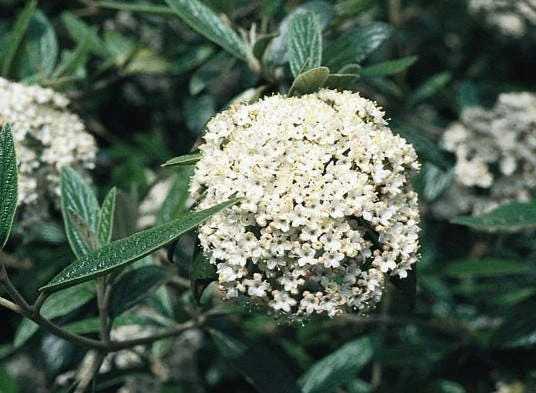
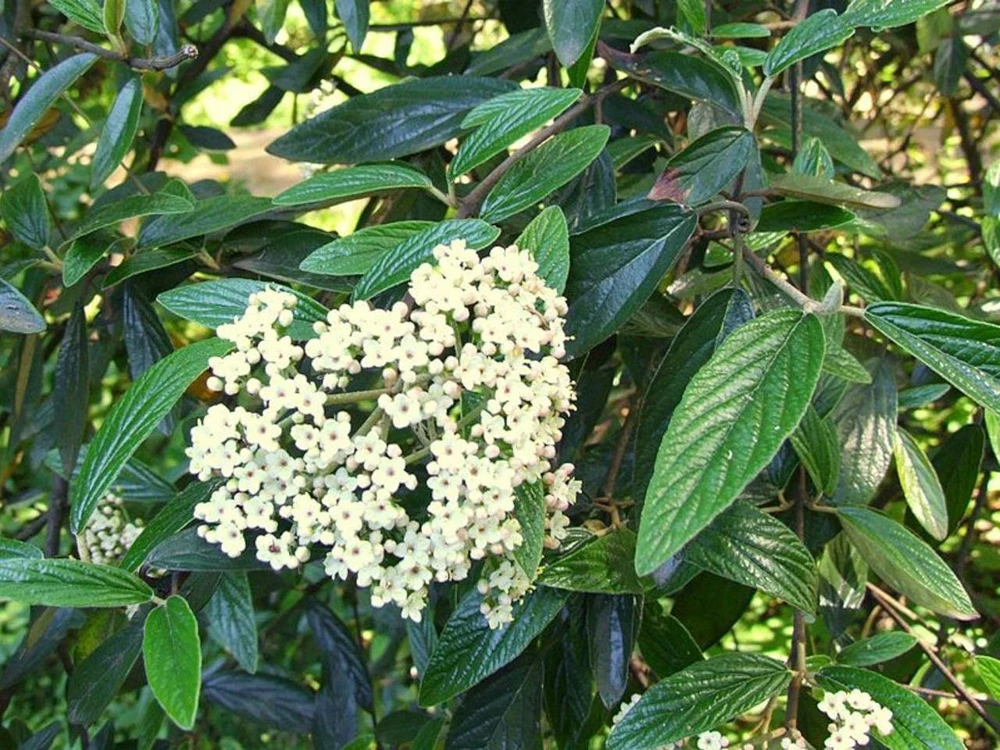
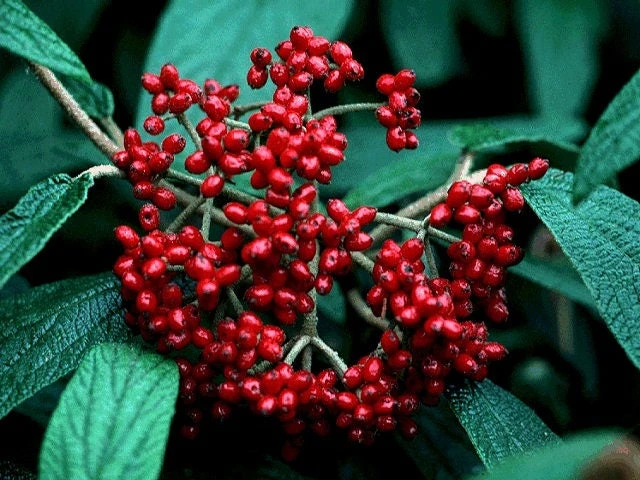
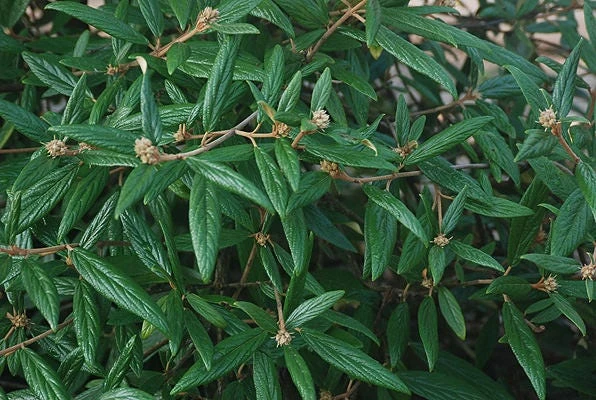
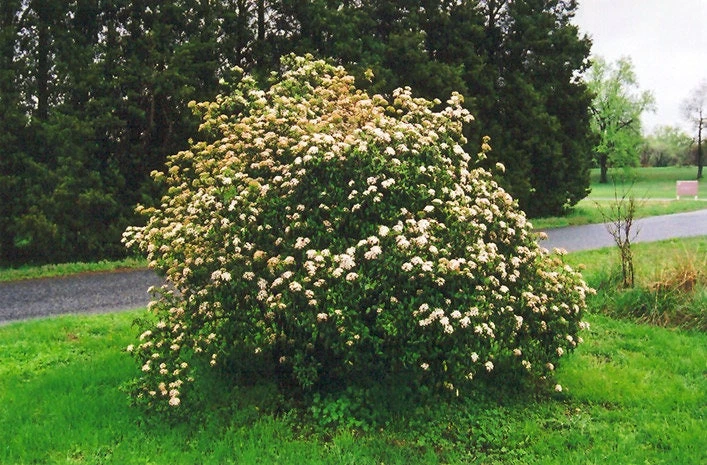
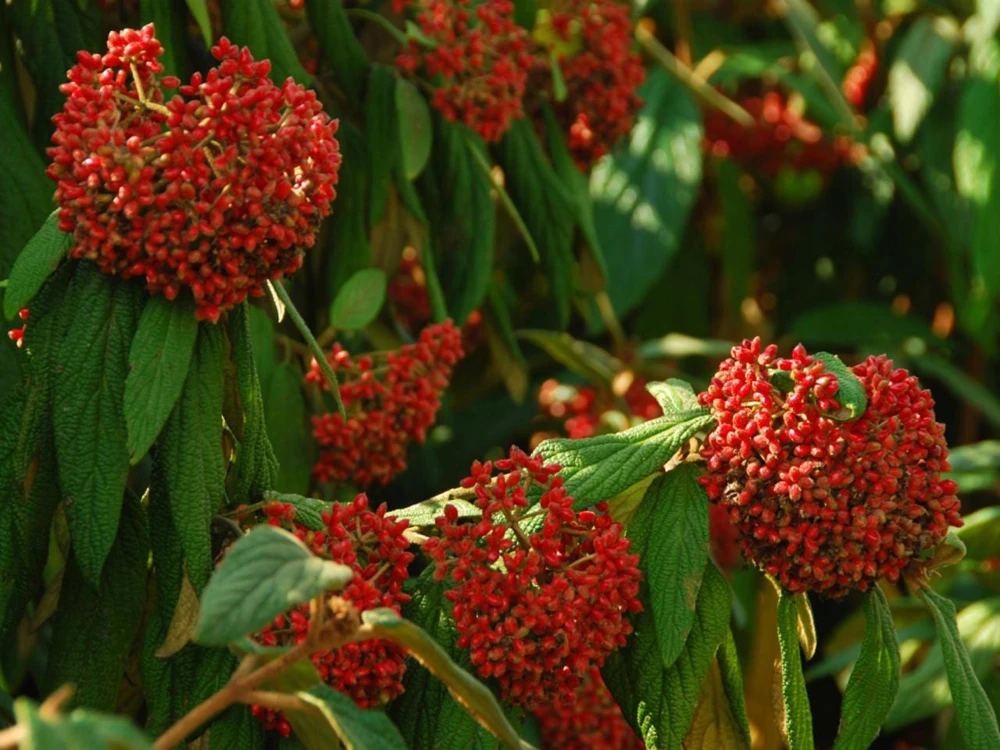
Bring elegance to your garden with the Pragense Viburnum live plant. This semi-evergreen shrub offers attractive white spring flowers, red fall berries, and maroon foliage. Perfect for hedges or as a stunning focal point.
Estimated arrival
Oct 15
Oct 20 - Oct 22
Oct 22 - Oct 27
See our Shipping Policy.
Get in touch with us via email, and our team will review your concerns.
Our Alive & Thrive Guarantee covers issues with your plants within the first 30 days. Read our Refund & Returns Policy.
-
USDA Hardiness Zone
5-8 -
Soil Type
Well-draining soil, enriched with organic matter -
Sunlight Exposure
Full sun to partial shade -
Expected Planting Period
Spring to early fall
Overview
The Pragense Viburnum live plant is a truly versatile and beautiful addition to any landscape. This hybrid, known for its semi-evergreen nature in temperate regions, offers year-round visual interest. Gardeners cherish the semi-evergreen viburnum shrub for its attractive white flowers that bloom in spring, followed by vibrant red berries in the fall. Beyond its ornamental blooms and fruit, the foliage itself is a highlight, transitioning to stunning maroon to purple hues in autumn. Whether you’re looking to create a dense hedge, a striking border, or a captivating focus plant, the Pragense Viburnum live plant provides a robust and aesthetically pleasing solution. It’s a popular choice among enthusiasts who appreciate a plant that delivers consistent beauty and resilience across seasons.
Cultivated for its hardiness and adaptability, the Pragense Viburnum live plant grows vigorously, reaching impressive sizes that make it suitable for various landscaping designs. Its dense growth habit makes it an excellent privacy screen or windbreak. This particular offering provides a healthy, young specimen, ready to establish itself in your garden and begin its journey of growth and transformation. Experience the joy of nurturing a plant that promises to enhance your outdoor living space with its unique charm and enduring appeal.
Key Benefits
The Pragense Viburnum live plant offers a multitude of benefits that make it a standout choice for home gardeners. Its combination of aesthetic appeal and practical uses ensures it’s a valuable investment for any landscape.
- Year-Round Interest: As a semi-evergreen viburnum shrub, it retains much of its attractive foliage through milder winters, providing continuous greenery when many other plants are bare. In spring, it bursts with white flowers, followed by colorful berries and vibrant fall foliage.
- Attractive Flowers and Fruit: Enjoy clusters of delicate white flowers in spring that add a fresh, bright touch to your garden. These flowers mature into eye-catching red berries in fall, offering food for birds and extending the plant’s decorative appeal.
- Stunning Fall Foliage: The leaves transform into rich maroon to purple shades in autumn, providing a spectacular display of color that enhances the seasonal beauty of your outdoor space.
- Versatile Landscaping Use: This plant is incredibly adaptable, serving as an excellent choice for creating dense, privacy-providing hedges, defining garden borders, or standing alone as a striking focal point.
- Low Maintenance: The Pragense Viburnum live plant is known for its resilience and ease of care. It generally experiences no serious insect or disease problems, making it a hassle-free option for busy gardeners.
- Hardy and Adaptable: Thriving in USDA zones 5-8, this viburnum is robust and can tolerate a range of growing conditions, ensuring successful establishment in many climates.
- Wildlife Friendly: The vibrant red berries produced in the fall provide a valuable food source for local bird populations, attracting beneficial wildlife to your garden.
Plant Care & Growing Tips
Caring for your Pragense Viburnum live plant is straightforward, ensuring a healthy and vibrant addition to your garden for years to come. Understanding its specific needs will help it thrive and reach its full potential. This semi-evergreen viburnum shrub prefers a location with full sun to partial shade. Full sun encourages denser growth and more abundant flowering and fruiting, while partial shade can be beneficial in hotter climates to prevent leaf scorch. Aim for at least 4-6 hours of direct sunlight daily for optimal performance. When considering growing viburnum hedges, ensure the entire length of the hedge receives adequate light.
Watering is crucial, especially during the establishment phase. Keep the soil consistently moist but not waterlogged. Once established, the Pragense Viburnum live plant is moderately drought-tolerant, but regular watering during dry spells will promote healthier growth. It thrives in well-draining soil, which can be enriched with organic matter to improve fertility and moisture retention. A slightly acidic to neutral pH is generally preferred. Fertilize in early spring with a balanced, slow-release granular fertilizer formulated for trees and shrubs to support vigorous growth and blooming. Pruning is best done after flowering to maintain shape and size, especially if you are growing viburnum hedges. Remove any dead, damaged, or crossing branches to improve air circulation and plant health. The hardiness of this plant, thriving in viburnum zone 5-8, means it can withstand a good range of temperatures.
While generally resistant to pests and diseases, occasional scouting for issues like aphids or powdery mildew is recommended. Address problems promptly with appropriate organic or chemical treatments. Proper spacing is important, especially for hedges, to allow for good air circulation and prevent fungal issues. With these simple care tips, your Pragense Viburnum live plant will flourish, providing beauty and structure to your garden.
Size & Details
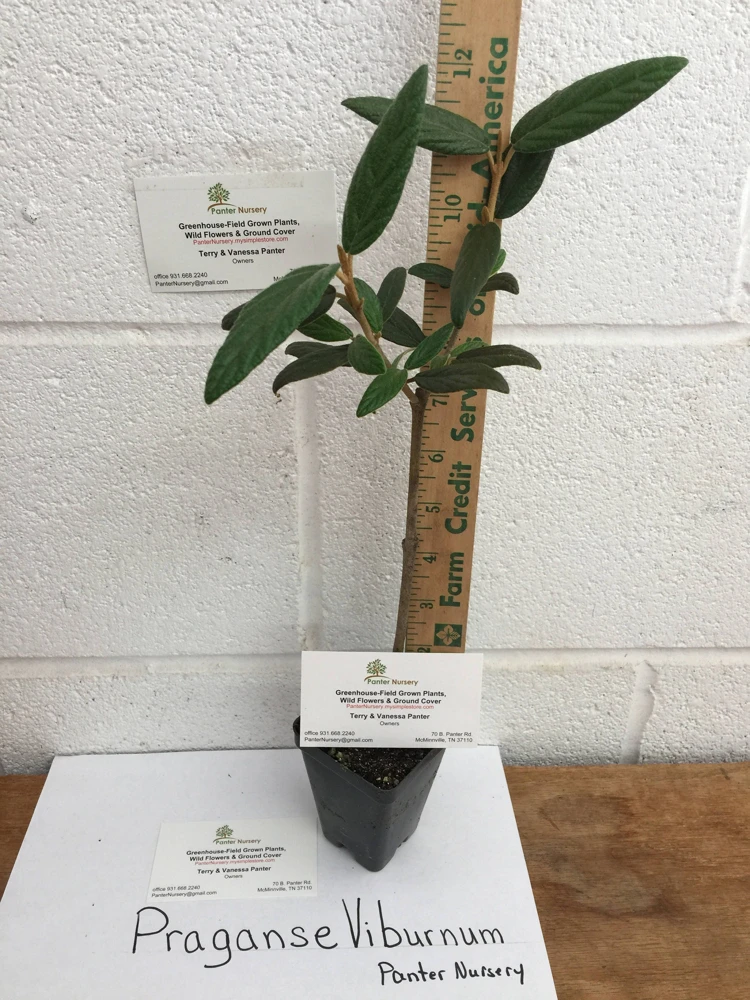
This offering is for one healthy Pragense Viburnum live plant, currently growing in a 3-inch pot. Each plant stands approximately 6-12 inches in height, providing a robust young specimen ready for planting and establishment in your garden. The semi-evergreen viburnum shrub is known for its moderate to fast growth rate, typically reaching a mature height of up to 8 feet and an equal spread. This makes it an excellent choice for creating substantial hedges or as a prominent feature plant.
The plant will arrive carefully packaged, with its root ball intact within the nursery pot, ensuring minimal stress during transit. Once planted, expect the Pragense Viburnum live plant to quickly establish itself and begin its vigorous growth. Its natural upright and spreading habit allows it to fill out beautifully over time, forming a dense and attractive plant. This size is ideal for planting directly into your landscape or for potting up into a larger container before final placement.
Frequently Asked Questions
- Q: How big does this plant get? A: The Pragense Viburnum live plant typically grows to about 8 feet tall and equally wide at maturity, forming a dense, rounded shrub. Its size makes it suitable for various landscape applications, including hedges.
- Q: What size pot does it come in? A: Each Pragense Viburnum live plant is shipped in a 3-inch nursery pot, and the plant itself is generally 6-12 inches tall when shipped. This size is perfect for transplanting into your garden or a larger container.
- Q: Is this an indoor or outdoor plant? A: The Pragense Viburnum live plant is primarily an outdoor plant, thriving in garden settings. It is a hardy semi-evergreen viburnum shrub suited for USDA zones 5-8.
- Q: How much sunlight does it need? A: This viburnum performs best in full sun to partial shade. For optimal flowering and fruiting, aim for at least 4-6 hours of direct sunlight daily. This is key for healthy growth and vibrant fall colors.
- Q: Is this plant easy to care for? A: Yes, the Pragense Viburnum live plant is considered low maintenance. It’s generally resistant to common pests and diseases and requires minimal care once established, making it a great choice for various gardeners.
- Q: What condition will it arrive in? A: Your Pragense Viburnum live plant will arrive as a healthy, actively growing plant in its nursery pot, carefully packaged to ensure its safety during transit. It will be ready for immediate planting.
- Q: Can I use this plant for hedges? A: Absolutely! The dense growth habit and mature size of the Pragense Viburnum live plant make it an excellent candidate for creating attractive and effective hedges and borders. It’s a popular choice for growing viburnum hedges.
- Q: When is the best time to plant? A: The best time to plant your Pragense Viburnum live plant is in spring or early fall, allowing the plant sufficient time to establish its root system before extreme temperatures.
- Q: Will it survive winter in my zone? A: The Pragense Viburnum live plant is hardy in viburnum zone 5-8, meaning it is well-equipped to survive winters within this range. In colder parts of its range, it may lose more foliage, acting more deciduous.
- Q: What type of soil does it prefer? A: This viburnum thrives in well-draining soil that is rich in organic matter. It can tolerate a range of soil types but good drainage is essential to prevent root rot.
Be the first to review “Pragense Viburnum Live Plant – Semi-Evergreen Shrub, 3 inch pot, 6-12 inches tall”
Related products


You May Like

Hardneck vs. Softneck Garlic: Which Should You Grow?
Have you ever stood in front of a seed catalog in mid-September, staring at dozens [...]
Oct

When to Plant Music Garlic: Ultimate US Fall Guide
Have you ever spent your fall weekend placing carefully chosen garlic cloves into rich, dark [...]
1 Comment
Oct

5 Best Bulbs for Fall Planting: Brighten Your Garden This Spring
Are you dreaming of a garden full of vibrant colors in the spring? The key [...]
Aug

10 Houseplants That Will Thrive in Your Kitchen
Are you tired of your kitchen feeling dull and lifeless? Want to add a little [...]
1 Comment
Aug
Reviews
There are no reviews yet.