
Virginia Bluebell Bare Roots – 5 Pack Wildflower for Shade Gardens – Mertensia
Original price was: 37.91 $.17.91 $Current price is: 17.91 $.
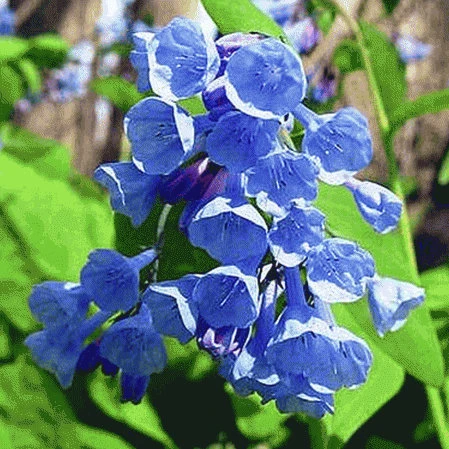
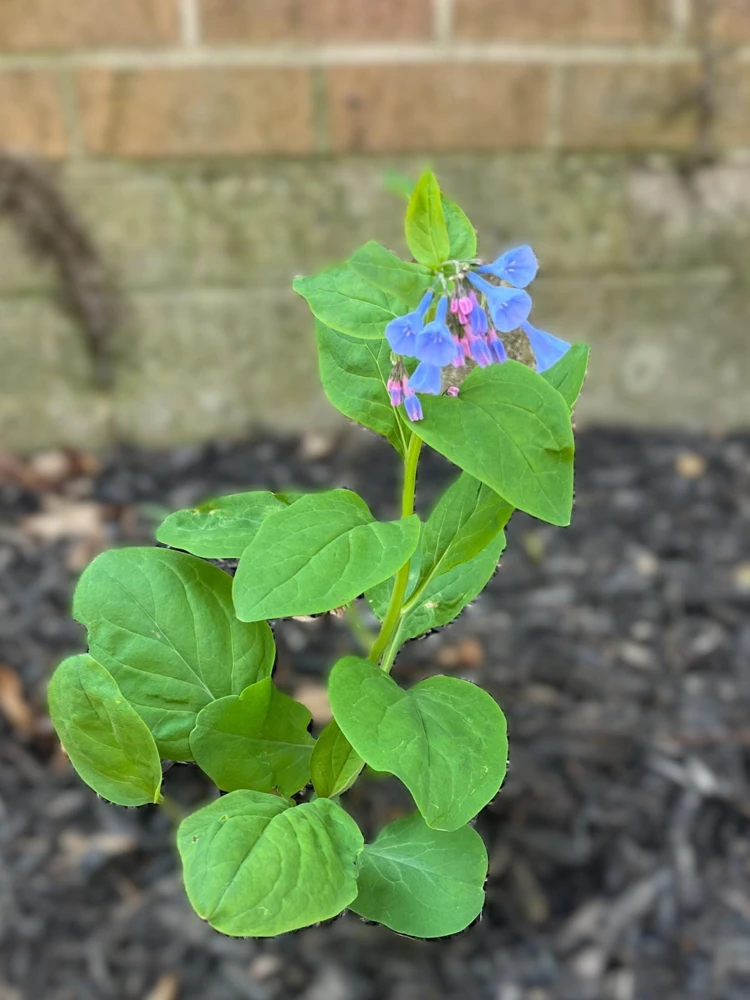
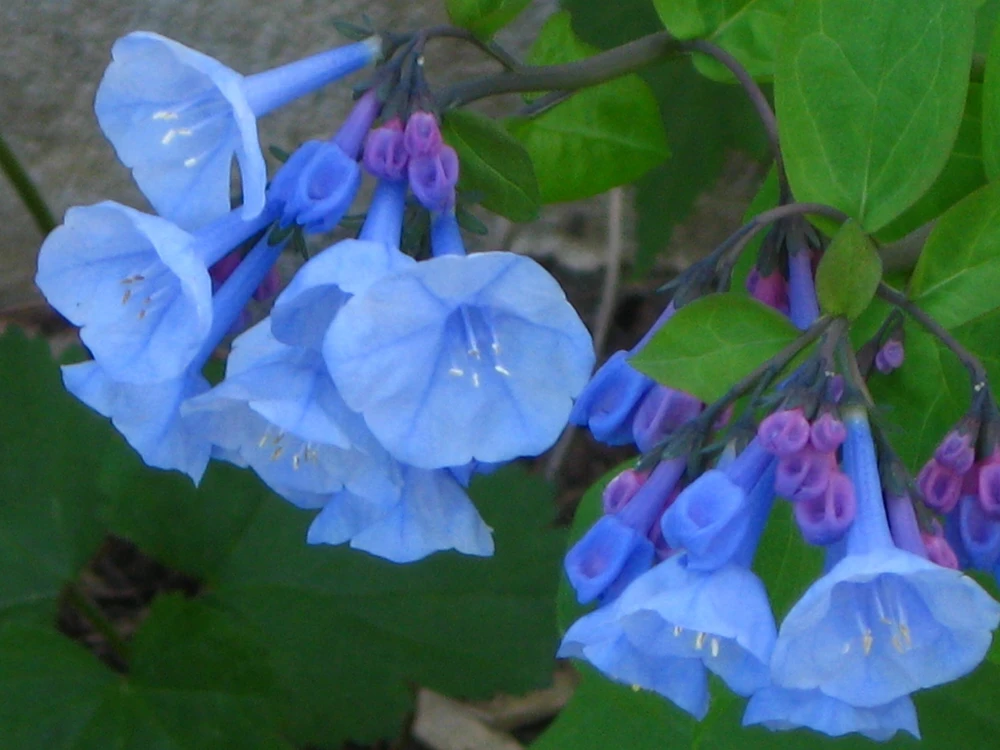
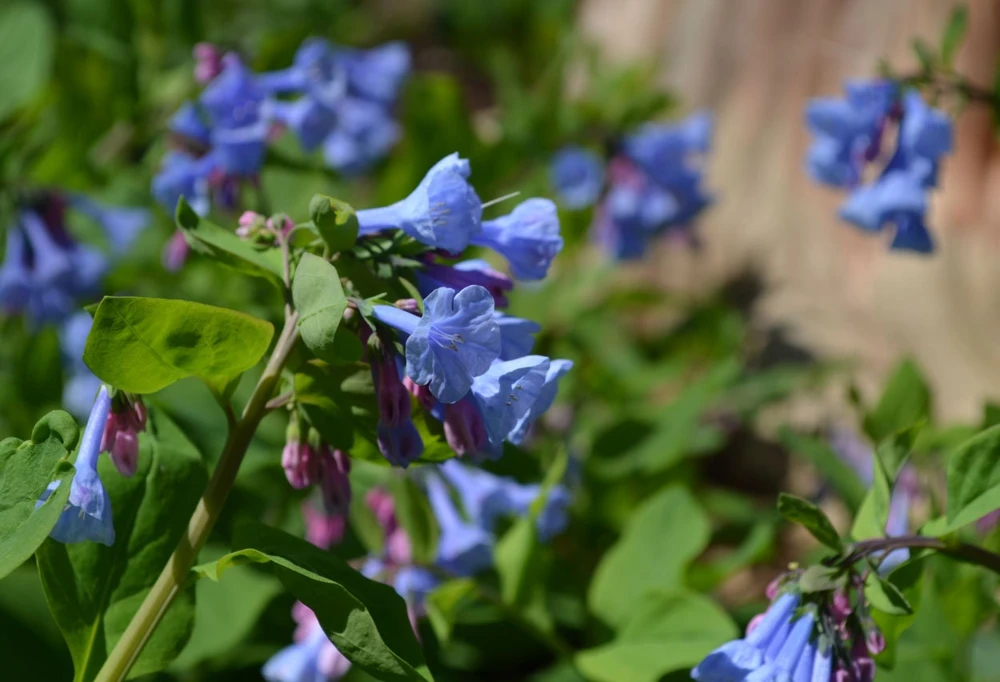
Transform your shaded areas with these beautiful Virginia Bluebell bare roots. Each pack contains 5 healthy roots that will produce charming bell-shaped flowers, starting pink and maturing to a lovely blue. Perfect for woodland gardens and naturalized areas, these wildflowers bloom from early spring, offering a stunning seasonal display.
Estimated arrival
Oct 15
Oct 20 - Oct 22
Oct 22 - Oct 27
See our Shipping Policy.
Get in touch with us via email, and our team will review your concerns.
Our Alive & Thrive Guarantee covers issues with your plants within the first 30 days. Read our Refund & Returns Policy.
-
USDA Hardiness Zone
USDA Zones 4-9 -
Soil Type
Rich, moist, well-draining soil -
Sunlight Exposure
Shade to partial shade -
Expected Planting Period
Fall or early spring
Overview
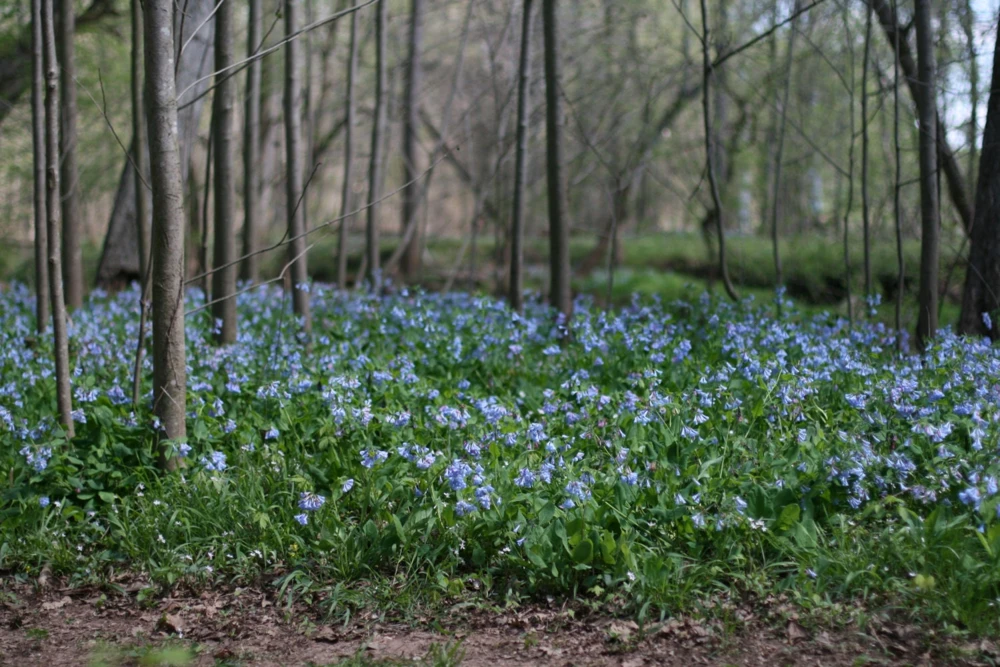
Introduce enchanting beauty to your shaded garden with these premium Virginia Bluebell bare roots. You will receive 5 healthy bare roots, ready to plant and flourish into spectacular spring ephemeral wildflowers. Scientifically known as Mertensia virginica, the Virginia Bluebell is a beloved native plant renowned for its delicate, bell-shaped flowers that transition from soft pink buds to vibrant sky-blue blooms. These captivating plants emerge in early spring, creating a breathtaking carpet of color before gracefully receding in summer, allowing other shade-loving perennials to take center stage. Ideal for woodland settings, naturalized areas, or any spot in your garden that receives partial to full shade, these Virginia Bluebell bare roots are an excellent choice for gardeners seeking low-maintenance yet high-impact floral displays.
Virginia Bluebell bare roots are an ecological asset, providing early-season nectar for pollinators like bees and butterflies. Their unique growth cycle makes them perfect companions for other shade perennials and ferns, offering dynamic seasonal interest. Planting these bare roots is a straightforward process, and with proper care, they will naturalize and multiply over the years, rewarding you with an ever-expanding spectacle of spring color.
Key Benefits
Choosing Virginia Bluebell bare roots for your garden offers a multitude of advantages, from their aesthetic appeal to their ecological contributions. These wildflowers are a true delight for any gardener looking to create a serene and vibrant shaded oasis.
- Stunning Spring Blooms: Enjoy a captivating display of bell-shaped flowers that emerge in shades of pink and mature into striking blue. These blooms are a quintessential sign of spring and add a delicate charm to any landscape.
- Shade Loving & Adaptable: Perfectly suited for challenging shaded areas where many other plants struggle. Virginia Bluebells thrive in dappled light and partial shade, making them versatile for woodland gardens, under trees, or on the north side of buildings.
- Early Pollinator Support: As one of the first flowers to bloom in spring, Virginia Bluebells provide a vital early nectar source for emerging pollinators, supporting local bee and butterfly populations when other food sources are scarce.
- Low Maintenance & Easy Care: Once established, these plants require minimal attention. They are naturally resilient and can thrive with little intervention, making them ideal for busy gardeners or those new to wildflower cultivation.
- Naturalizing & Spreading: Over time, Virginia Bluebell bare roots will naturalize and spread, forming beautiful colonies that enhance the naturalistic feel of your garden. They can create a stunning groundcover effect in shaded areas.
- Deer Resistant: Generally, deer tend to leave Virginia Bluebells alone, making them a good choice for gardens in areas where deer browsing is a concern.
- Ephemeral Beauty: Their unique ephemeral nature means they provide a burst of early spring color and then gracefully disappear by summer, leaving space for other plants to fill in, without creating dense, year-round foliage.
Plant Care & Growing Tips
Caring for Virginia Bluebell bare roots is relatively simple, making them a rewarding addition to almost any garden. To ensure robust growth and abundant blooms, understanding their preferred conditions is key. These plants thrive in conditions that mimic their native woodland habitats.
Sunlight Requirements: Virginia Bluebells prefer partial to full shade. They do best in locations that receive dappled sunlight throughout the day or morning sun with afternoon shade. Too much direct, hot afternoon sun can scorch their delicate leaves and shorten their bloom time. They are ideal for planting under deciduous trees, as they receive sunlight before the tree leaves fully emerge, and then benefit from the shade as summer progresses.
Watering & Soil: Consistent moisture is crucial, especially during their active growth and blooming period in spring. The soil should remain moist but never waterlogged. Excellent drainage is essential to prevent root rot. While tolerant of different atmospheres, these plants prefer rich, well-draining soil. Amending your soil with organic matter like compost or leaf mold will improve fertility and drainage, creating an ideal environment for your Virginia Bluebell bare roots. Aim for a soil pH that is neutral to slightly acidic.
Temperature & Hardiness: Virginia Bluebells are hardy perennials, thriving in USDA Zones 4-9. They are well-adapted to temperate climates and require a period of winter dormancy. They are quite tolerant of cold once established. Fertilization is generally not heavily required if the soil is rich in organic matter. If your soil is poor, a light application of balanced, slow-release granular fertilizer in early spring can be beneficial. Watch out for slugs and snails, which can sometimes feed on the foliage; organic slug baits or hand-picking can manage these pests.
Size & Details
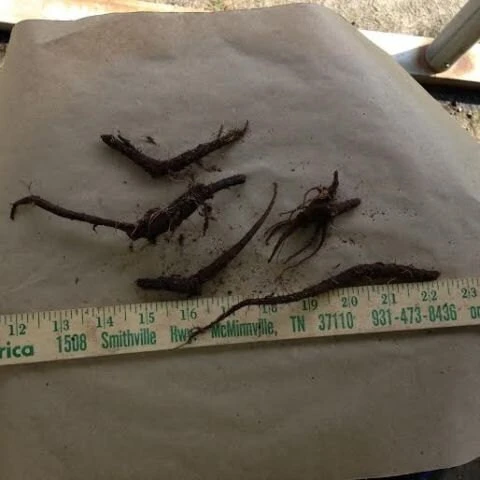
This offering includes 5 Virginia Bluebell bare roots, ready for planting. These bare roots are dormant and will begin to sprout once planted in suitable conditions. Virginia Bluebells typically grow to a mature height of 24-30 inches (60-75 cm) with a spread of about 12-18 inches (30-45 cm). Their growth rate is moderate, and they will gradually form clumps and spread via rhizomes and self-seeding over several years, creating a naturalized look. The blooms typically appear from March to June, depending on your specific climate and planting zone. These plants are shipped as dormant bare roots, ensuring they establish well in their new location and are ready to emerge with the first signs of spring. Expect them to establish themselves in the first season, with more robust flowering in subsequent years as they mature.
Frequently Asked Questions
- Q: How big do these Virginia Bluebell bare roots get? A: Once mature, Virginia Bluebell plants typically reach a height of 24-30 inches and spread about 12-18 inches wide. They form attractive clumps that can expand over time.
- Q: Are these an indoor or outdoor plant? A: Virginia Bluebell bare roots are specifically meant for outdoor planting. They are hardy perennials that require a winter dormancy period and thrive in garden settings, particularly in shaded areas.
- Q: How much sunlight do Virginia Bluebells need? A: They prefer partial to full shade. Dappled sunlight or morning sun with afternoon shade is ideal. Avoid harsh, direct afternoon sun which can damage the foliage.
- Q: Is this plant easy to care for? Is it good for beginners? A: Yes, Virginia Bluebells are relatively easy to care for, especially once established. They are an excellent choice for beginners looking to add native wildflowers to their shade garden.
- Q: What condition will the bare roots arrive in? A: Your Virginia Bluebell bare roots will arrive dormant and carefully packaged. They may appear to be just roots, which is normal for bare root plants, and they will sprout once planted.
- Q: How long until these Virginia Bluebells bloom? A: If planted in late fall or early spring, you can expect your Virginia Bluebells to bloom in their first spring season, typically from March to June. They will produce more abundant blooms in subsequent years.
- Q: Will Virginia Bluebells survive winter in my zone? A: Yes, these plants are hardy in USDA Zones 4-9, meaning they are well-adapted to survive cold winters and will reliably return each spring in these regions.
- Q: What kind of soil do Virginia Bluebells prefer? A: They thrive in rich, well-draining soil that remains consistently moist. Amending your soil with organic matter like compost is highly beneficial for optimal growth.
- Q: Are Virginia Bluebells deer resistant? A: Generally, Virginia Bluebells are considered deer resistant. Deer typically avoid browsing on them, making them a good option for gardens in areas with deer.
- Q: When is the best time to plant Virginia Bluebell bare roots? A: The best times to plant Virginia Bluebell bare roots are in the fall (after the first frost) or in early spring (as soon as the ground can be worked).
Be the first to review “Virginia Bluebell Bare Roots – 5 Pack Wildflower for Shade Gardens – Mertensia”
Related products

Flower Plants


Flower Plants
Red Rose Plant Live Hybrid Tea Bush 5-9 Inch Tall Fragrant Flowers Shrub Ready to Plant Outdoor


Flower Plants
Trailing Lantana Plants Live Purple Flowers 4-8 Inch Tall Indoor Outdoor Butterfly Attractor


Flower Plants
Pink Lantana Live Plants 2 Pack for Outdoor Planting, 4-6 Inch Perennial Flower Starter

You May Like

Hardneck vs. Softneck Garlic: Which Should You Grow?
Have you ever stood in front of a seed catalog in mid-September, staring at dozens [...]
Oct

When to Plant Music Garlic: Ultimate US Fall Guide
Have you ever spent your fall weekend placing carefully chosen garlic cloves into rich, dark [...]
1 Comment
Oct

5 Best Bulbs for Fall Planting: Brighten Your Garden This Spring
Are you dreaming of a garden full of vibrant colors in the spring? The key [...]
Aug

10 Houseplants That Will Thrive in Your Kitchen
Are you tired of your kitchen feeling dull and lifeless? Want to add a little [...]
1 Comment
Aug
Reviews
There are no reviews yet.