
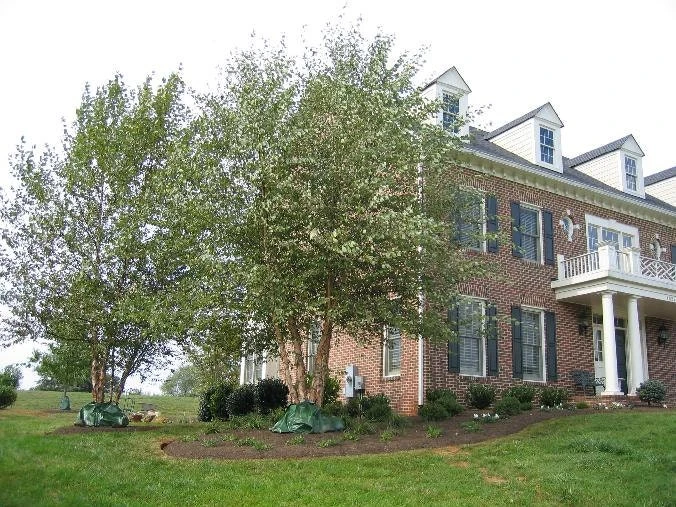
River Birch Multi-Stem Tree Live Plant – Betula Nigra – 1 Qt Pot, 12-18″ Tall
Original price was: 45.91 $.25.91 $Current price is: 25.91 $.
Add a stunning river birch multi-stem tree to your garden. This betula nigra tree is a fast-growing, adaptable landscape tree featuring unique curling bark and a graceful multi-stem form. Perfect for zones 4-9.
Estimated arrival
Oct 15
Oct 20 - Oct 22
Oct 22 - Oct 27
See our Shipping Policy.
Get in touch with us via email, and our team will review your concerns.
Our Alive & Thrive Guarantee covers issues with your plants within the first 30 days. Read our Refund & Returns Policy.
-
USDA Hardiness Zone
USDA zones 4-9 -
Soil Type
Well-draining, acidic loam -
Sunlight Exposure
Full sun to partial shade -
Expected Planting Period
Spring to Fall
Overview
Introducing the magnificent river birch multi-stem tree, a captivating addition to any landscape. This offering is for one live river birch multi-stem tree, approximately 12-18 inches in height, grown in a 1-quart pot. The betula nigra tree, commonly known as River Birch, is celebrated for its distinctive exfoliating bark, which peels away to reveal shades of cinnamon, salmon, and cream, providing year-round visual interest. As its name suggests, this species naturally thrives along riverbanks but demonstrates remarkable adaptability, making it suitable for a wide range of growing conditions across the U.S. Its relatively rapid growth rate and tolerance to both wetness and some drought conditions make it a robust and reliable choice for gardeners seeking a low-maintenance yet striking tree.
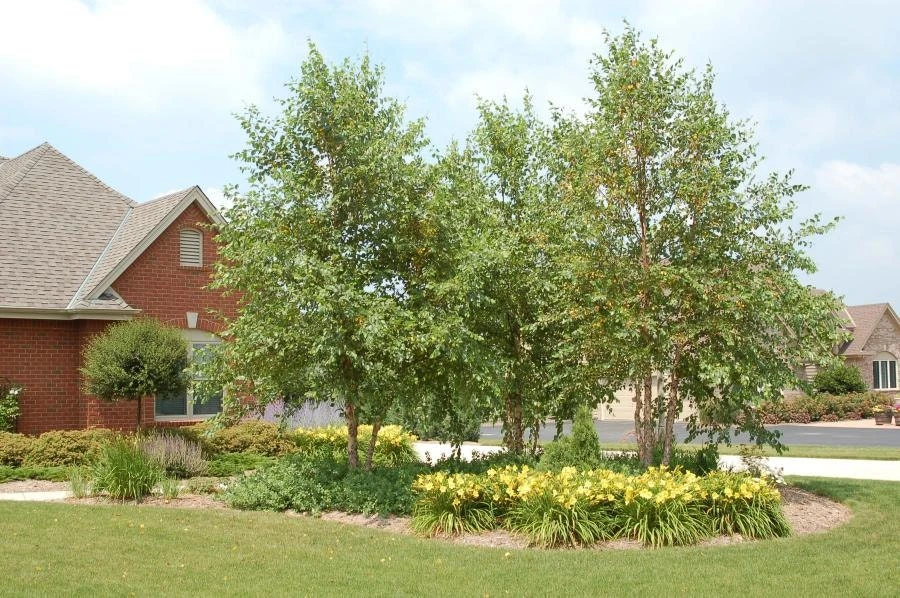
This deciduous tree is valued not only for its aesthetic appeal but also for its hardiness. It can be planted individually as a specimen tree or in multiples to create a beautiful clump appearance, adding significant architectural interest to your outdoor space. Whether you’re looking to create a naturalized area, provide shade, or simply enjoy the beauty of a unique tree, the betula nigra tree is an excellent selection. Its upright, spreading limbs create a graceful silhouette, and its ability to thrive in various soil types further enhances its appeal as a versatile landscape solution.
Key Benefits
The river birch multi-stem tree offers a multitude of benefits that make it a highly desirable choice for any garden or landscape. Its unique characteristics contribute both to aesthetic appeal and environmental advantages, ensuring a rewarding planting experience.
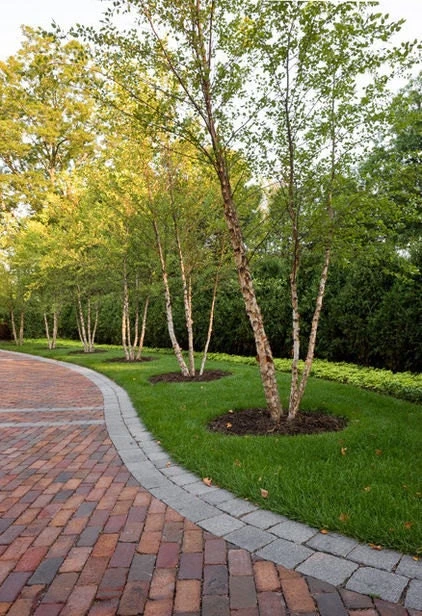
- Distinctive Bark: The most striking feature of the river birch multi-stem tree is its exfoliating bark, which peels in papery sheets to reveal contrasting colors underneath. This provides exceptional visual interest throughout all seasons, especially in winter when other plants are dormant.
- Rapid Growth Rate: This species is known for its relatively fast growth, allowing you to establish a substantial landscape feature in a shorter amount of time compared to slower-growing trees. This means quicker shade and visual impact for your property.
- Adaptability to Soil Conditions: While naturally found near water, the betula nigra tree is remarkably tolerant of various soil conditions, including wet sites and periods of moderate drought once established. This makes it a versatile choice for many different garden settings.
- Graceful Form: With its multi-stem growth habit and spreading limbs, the river birch multi-stem tree develops an elegant, open canopy that provides dappled shade. This creates a serene and inviting atmosphere in your outdoor living spaces.
- Hardy and Resilient: Hardy in USDA Zones 4-9, this tree is resilient to a wide range of climatic conditions. Its robust nature makes it a reliable choice for long-term landscaping, requiring less intensive care than more delicate species.
- Erosion Control: Due to its strong root system and preference for moist environments, the betula nigra tree can be an excellent choice for planting along stream banks or in areas prone to erosion, helping to stabilize the soil.
- Wildlife Attraction: The seeds and catkins of the landscape tree river birch can attract various birds, adding an element of nature and biodiversity to your garden.
Plant Care & Growing Tips
Caring for your river birch multi-stem tree is relatively straightforward, thanks to its adaptable nature. For optimal growth, it thrives in full sun to partial shade, meaning it prefers at least 6 hours of direct sunlight per day but can tolerate some afternoon shade, especially in hotter climates. Adequate watering is crucial, particularly during its establishment period. While it tolerates wet feet, consistent moisture is key. The soil should remain consistently moist but not waterlogged. Once established, it shows good tolerance to sum drought, but supplemental watering during prolonged dry spells will benefit its health and vigor.
The ideal soil for a betula nigra tree is a well-draining, acidic loam. However, it is quite adaptable and can grow in various soil types, including clay and sandy soils, as long as drainage is adequate. Fertilization can be done in early spring with a balanced, slow-release granular fertilizer formulated for trees and shrubs. Avoid over-fertilizing. Pruning is generally minimal, focusing on removing dead, damaged, or crossing branches. The best time for pruning is late summer or early fall after the leaves have fully developed, to avoid sap bleeding. This fast growing river birch is hardy in USDA zones 4-9, making it suitable for a broad range of temperate climates.
Common problems are generally few for the landscape tree river birch. Pests like aphids or borers can occasionally be an issue, but a healthy, well-maintained tree is usually more resistant. Ensure good air circulation to prevent fungal diseases. The unique curling bark is a natural characteristic and not a sign of disease. With proper care, your river birch multi-stem tree will flourish, providing beauty and shade for many years to come.
Size & Details
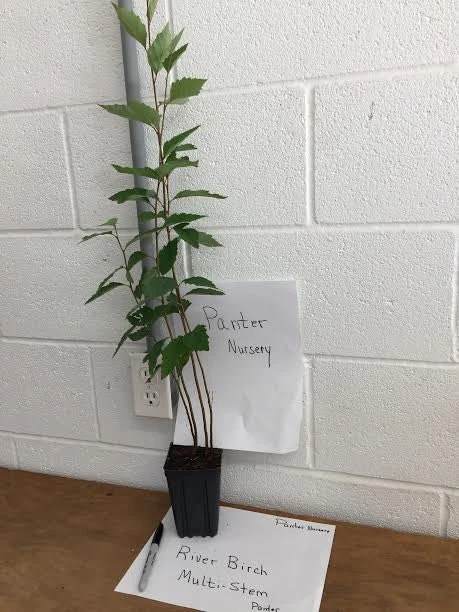
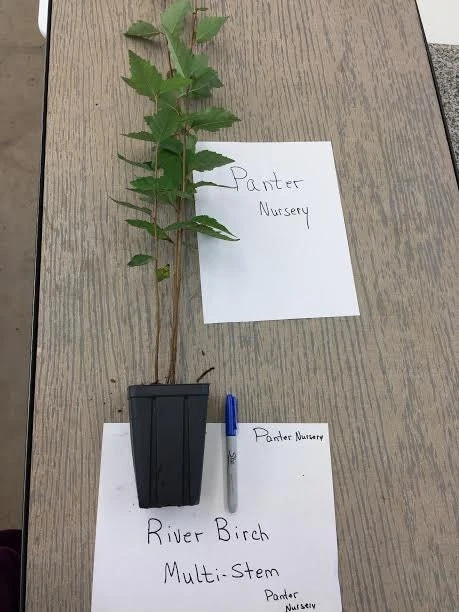
This offering includes one river birch multi-stem tree, a live plant carefully cultivated in a 1-quart pot. At the time of shipping, the plant will measure approximately 12-18 inches in height, providing a robust young specimen ready for transplanting into your garden. The multi-stem form ensures a natural, clumping appearance as it matures. The betula nigra tree is known for its impressive mature size, typically reaching heights of 40-70 feet with a spread of 40-60 feet, creating a significant presence in the landscape. Its growth rate is considered relatively rapid, allowing it to establish quickly.
The tree will be shipped as a potted plant, ensuring its root system is protected and ready for successful establishment upon arrival. It is a long-lived species, providing decades of beauty. Expect the distinctive exfoliating bark to become more prominent as the tree ages, adding to its unique charm. This fast growing river birch is suitable for a variety of landscape applications, from shade tree to ornamental specimen, and its hardiness in USDA zones 4-9 makes it a reliable choice for many regions.
Frequently Asked Questions
- Q: How big does this river birch multi-stem tree get? A: The river birch multi-stem tree typically grows to a mature height of 40-70 feet with a spread of 40-60 feet. Its size makes it an excellent choice for a large landscape or as a shade tree.
- Q: What size pot does it come in? A: This betula nigra tree is shipped in a 1-quart pot, and the plant itself measures approximately 12-18 inches in height at the time of purchase.
- Q: Is this an indoor or outdoor plant? A: The river birch multi-stem tree is an outdoor landscape tree. It is not suitable for indoor cultivation and requires ample space to grow to its mature size.
- Q: How much sunlight does it need? A: This landscape tree river birch thrives in full sun to partial shade, ideally receiving at least 6 hours of direct sunlight per day. It can tolerate some afternoon shade, especially in hotter climates.
- Q: Is this plant easy to care for? A: Yes, the river birch multi-stem tree is considered relatively easy to care for due to its adaptability to various soil conditions and tolerance to moisture fluctuations. It’s a good choice for both experienced and novice gardeners.
- Q: What condition will it arrive in? A: Your river birch multi-stem tree will arrive as a live, healthy plant in a 1-quart pot, with its root system intact and protected, ready for planting.
- Q: When is the best time to plant a river birch? A: The best time to plant a fast growing river birch is in the spring or fall, allowing the tree to establish its root system before the extremes of summer heat or winter cold.
- Q: Will it survive winter in my zone? A: The river birch multi-stem tree is hardy in USDA Zones 4-9, meaning it can withstand winter temperatures within these hardiness zones.
- Q: What type of soil does river birch prefer? A: While adaptable, the betula nigra tree prefers well-draining, acidic soil. It can tolerate a range of soil types, including clay and sandy soils, as long as they don’t remain waterlogged.
- Q: Can I plant multiple river birches together? A: Yes, you can plant multiple river birch multi-stem tree specimens together to create a beautiful clump appearance or a naturalized grove, enhancing the visual impact.
Be the first to review “River Birch Multi-Stem Tree Live Plant – Betula Nigra – 1 Qt Pot, 12-18″ Tall”
Related products


You May Like

Hardneck vs. Softneck Garlic: Which Should You Grow?
Have you ever stood in front of a seed catalog in mid-September, staring at dozens [...]
Oct

When to Plant Music Garlic: Ultimate US Fall Guide
Have you ever spent your fall weekend placing carefully chosen garlic cloves into rich, dark [...]
1 Comment
Oct

5 Best Bulbs for Fall Planting: Brighten Your Garden This Spring
Are you dreaming of a garden full of vibrant colors in the spring? The key [...]
Aug

10 Houseplants That Will Thrive in Your Kitchen
Are you tired of your kitchen feeling dull and lifeless? Want to add a little [...]
1 Comment
Aug
Reviews
There are no reviews yet.