
Turk’s Cap Lily Bulbs – 5 Pack – Orange Spotted Wildflower – Hardy Zones 4-9
Original price was: 77.91 $.57.91 $Current price is: 57.91 $.
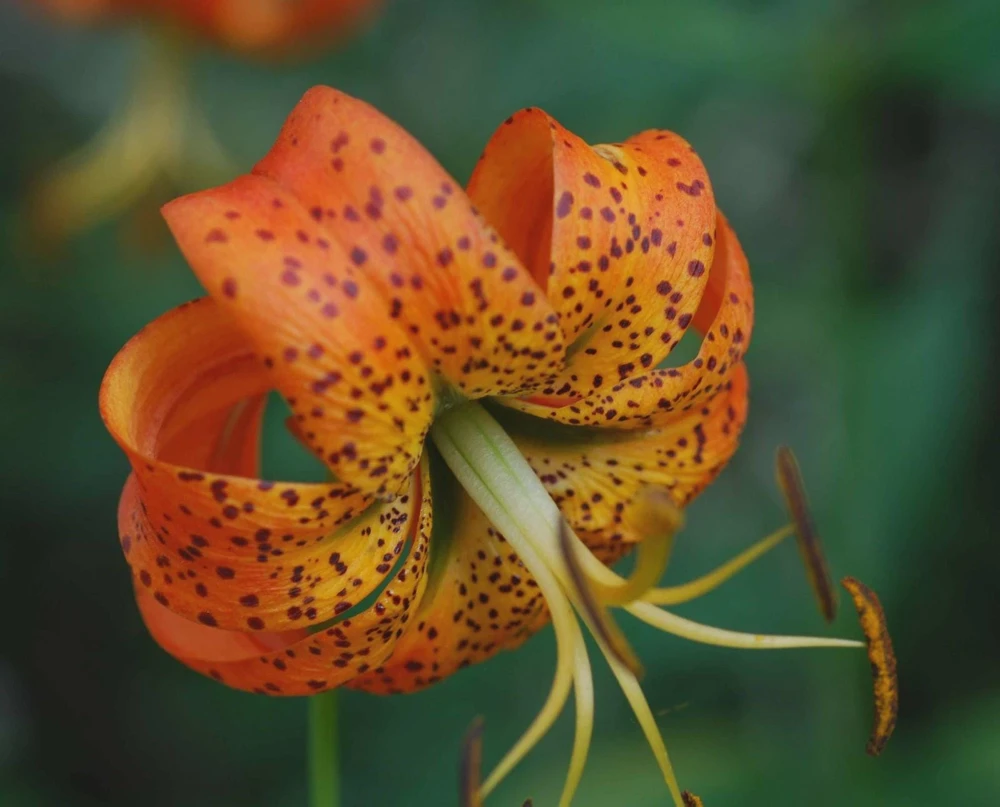
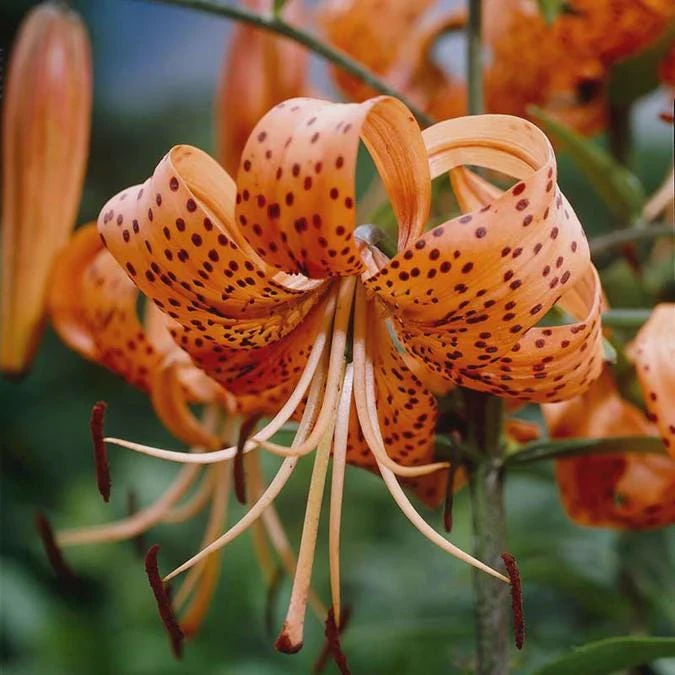
Cultivate beautiful native landscapes with Turk’s Cap Lily bulbs. This impressive American wildflower features unique orange petals with distinctive brown spots. Ideal for moist meadows and mulched beds, thriving in morning sun. Hardy in USDA zones 4-9.
Estimated arrival
Oct 15
Oct 20 - Oct 22
Oct 22 - Oct 27
See our Shipping Policy.
Get in touch with us via email, and our team will review your concerns.
Our Alive & Thrive Guarantee covers issues with your plants within the first 30 days. Read our Refund & Returns Policy.
-
USDA Hardiness Zone
USDA Zones 4-9 -
Soil Type
Moist, well-draining soil -
Sunlight Exposure
Morning sun, partial shade -
Expected Planting Period
Spring or Fall
Overview
Introduce a touch of native beauty to your garden with these exquisite Turk’s Cap Lily bulbs. The American Turk’s Cap Lily (Lilium superbum) is a truly impressive native wildflower, celebrated for its unique, recurved orange petals adorned with striking brown spots. These bulbs will grow into magnificent plants that can reach impressive heights, creating a vibrant focal point in any landscape. Thriving naturally in moist meadows from Massachusetts to Indiana and Alabama, this lily is a resilient and captivating addition to both formal and informal garden settings. Its distinctive appearance makes it a favorite among gardeners seeking to cultivate native flora and support local ecosystems. This offering includes a pack of 5 high-quality bulbs, ready to plant and transform your garden.
Key Benefits
Adding Turk’s Cap Lily bulbs to your garden offers a myriad of benefits, enhancing both aesthetic appeal and ecological value. This native wildflower is a robust and visually stunning choice for diverse landscapes.
- Stunning Ornamental Appeal: The unique orange petals with brown spots provide a dramatic and exotic look, making it a standout feature in any garden. Its recurved petals resemble a Turkish turban, giving it its common name.
- Attracts Pollinators: These vibrant flowers are a magnet for various pollinators, including butterflies, bees, and hummingbirds, contributing to a healthier garden ecosystem.
- Native & Hardy: As an American native, the American Turk’s Cap Lily is well-adapted to local climates and resistant to many common pests and diseases, requiring less intervention. It is hardy in USDA zones 4-9.
- Prefers Moist Conditions: Unlike many lilies, this species thrives in moist, well-drained soil, making it perfect for rain gardens, pond edges, or naturally damp areas.
- Low Maintenance: Once established, the Turk’s Cap Lily bulbs are relatively low-maintenance, requiring minimal care to flourish and return year after year.
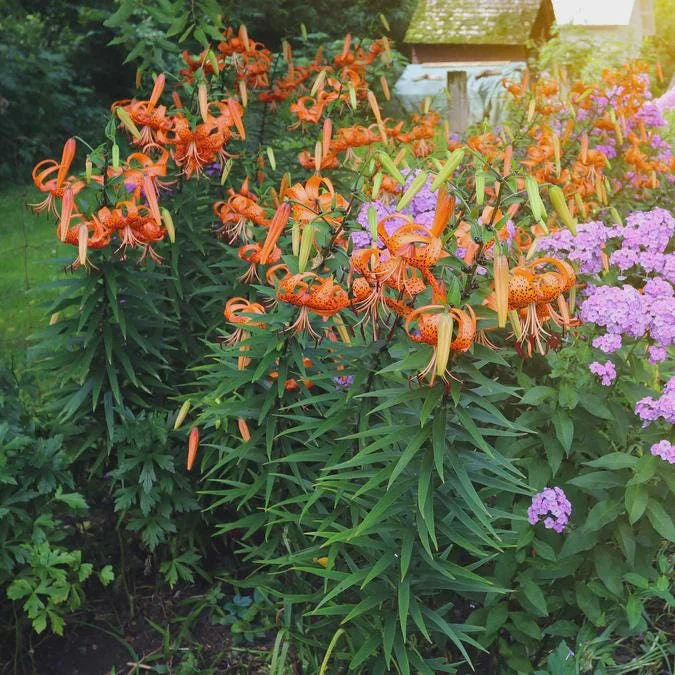
- Versatile Planting: Ideal for naturalizing in meadows, woodland gardens, or adding vertical interest to perennial borders. It can also be grown successfully in mulched beds.
- Long-Lasting Blooms: Enjoy a prolonged blooming season, typically from mid to late summer, extending the beauty and color in your garden when many other flowers have faded.
Plant Care & Growing Tips
Successful cultivation of Turk’s Cap Lily bulbs is straightforward with the right approach to their specific needs. These native wildflowers prefer conditions that mimic their natural habitat. Plant your bulbs in an area that receives morning sun, as they need more light than some other wild flowers to truly thrive. While they can tolerate various soil types, they perform best in well-drained soil that retains consistent moisture. Avoid overly dry or waterlogged conditions.
When planting, ensure the soil is rich in organic matter. Dig a hole approximately 6-8 inches deep, placing the bulb with the pointed end facing upwards, and then cover with soil. Space bulbs about 6-8 inches apart for optimal growth. Water thoroughly after planting. During dry spells, especially in their first year, ensure consistent moisture. A layer of mulch can help retain soil moisture and regulate temperature, which is beneficial for growing Turk’s Cap. These lilies are hardy in USDA Zones 4-9, meaning they can withstand cold winters in these regions. Fertilize sparingly with a balanced, slow-release fertilizer in early spring if your soil is poor. Watch for common lily pests like lily beetles and address them promptly to ensure healthy growth and abundant blooms from your wild lily care efforts.
Size & Details
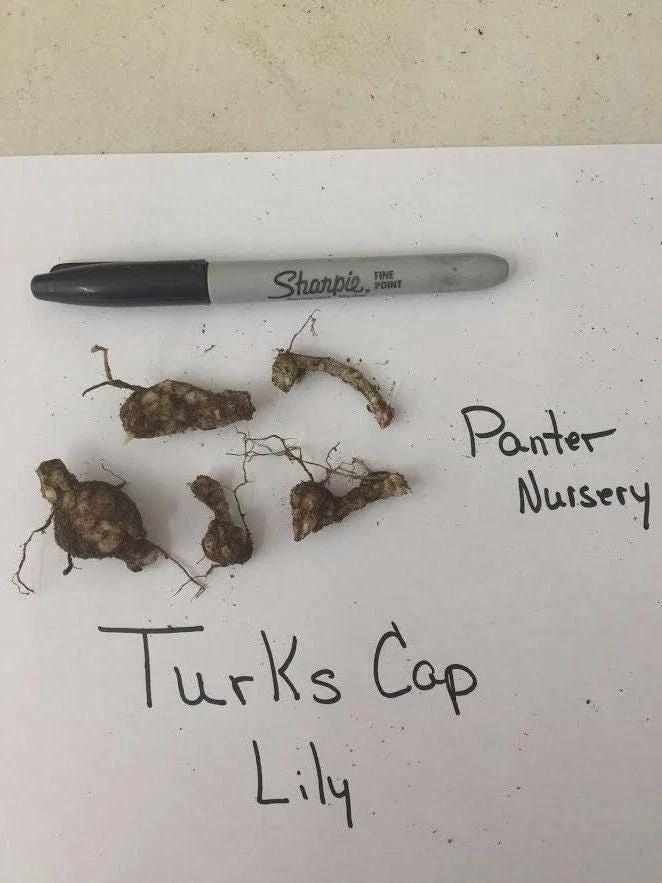
This offering includes 5 high-quality Turk’s Cap Lily bulbs, ready for planting. Once established, these impressive native wildflowers can reach heights of 4 to 7 feet, with some specimens growing even taller under ideal conditions. The plants typically spread about 1 to 2 feet wide, forming clumps over time. Each bulb will produce multiple vibrant orange flowers with distinctive brown spots, creating a spectacular display. The flowering period generally occurs from mid-summer to late summer, providing color when many other garden plants are winding down. These bulbs are shipped dormant and are best planted in the spring or fall for establishment before their growing season. Expect to see significant growth and flowering in the first or second year after planting, with increasingly robust displays in subsequent years.
Frequently Asked Questions
- Q: How big do these Turk’s Cap Lily bulbs get? A: Once mature, the plants grown from these Turk’s Cap Lily bulbs can reach an impressive height of 4 to 7 feet, sometimes even taller, with a spread of 1 to 2 feet.
- Q: Is this an indoor or outdoor plant? A: The American Turk’s Cap Lily is an outdoor plant, best suited for garden beds, meadows, or naturalized areas where it can receive adequate sunlight and moisture.
- Q: How much sunlight does it need? A: These lilies thrive in morning sun and need more light than some other wild flowers. Aim for at least 4-6 hours of direct morning sun, with some afternoon shade in hotter climates being beneficial.
- Q: Is this plant easy to care for? A: Yes, once established, the Turk’s Cap Lily bulbs are relatively low-maintenance. They are native wildflowers, making their care quite straightforward for gardeners of all experience levels.
- Q: What condition will the bulbs arrive in? A: Your order will contain 5 dormant Turk’s Cap Lily bulbs, carefully packaged to ensure they arrive in excellent condition, ready for planting.
- Q: When is the best time to plant Turk’s Cap Lily bulbs? A: The best time for planting these bulbs is in the spring after the last frost, or in the fall before the ground freezes, allowing them time to establish their root system.
- Q: Will it survive winter in my zone? A: Yes, the American Turk’s Cap Lily is hardy in USDA Zones 4-9, meaning it is well-equipped to survive cold winter temperatures within these regions.
- Q: What kind of soil does the Turk’s Cap Lily prefer? A: While adaptable, this lily prefers moist, well-drained soil. It does particularly well in soils rich in organic matter.
- Q: How long until it blooms? A: Typically, you can expect to see blooms from your Turk’s Cap Lily bulbs in the first or second year after planting, with flowering occurring in mid to late summer.
- Q: What are some tips for growing Turk’s Cap successfully? A: Key tips for growing Turk’s Cap include planting in morning sun, ensuring moist but well-drained soil, and applying mulch to help with moisture retention and temperature regulation.
Be the first to review “Turk’s Cap Lily Bulbs – 5 Pack – Orange Spotted Wildflower – Hardy Zones 4-9”
Related products

Flower Bulbs
Set of 10 Red Trillium Bulbs – Trillium erectum – Perennial Wildflower for Shade Gardens


Flower Bulbs


Flower Bulbs
Lily of the Valley Bare Roots – 5 Pack – Fragrant White Perennial Flower for Shade Garden

Flower Bulbs
Set of 5 Shooting Star Bulbs – Dodecatheon meadia – Native Wildflower for Shade Gardens

Flower Bulbs
Set of 3 Red Volunteer Daylily Bare Roots – Hemerocallis ‘Red Volunteer’ – Hardy Perennial Flower
You May Like

Hardneck vs. Softneck Garlic: Which Should You Grow?
Have you ever stood in front of a seed catalog in mid-September, staring at dozens [...]
Oct

When to Plant Music Garlic: Ultimate US Fall Guide
Have you ever spent your fall weekend placing carefully chosen garlic cloves into rich, dark [...]
1 Comment
Oct

5 Best Bulbs for Fall Planting: Brighten Your Garden This Spring
Are you dreaming of a garden full of vibrant colors in the spring? The key [...]
Aug

10 Houseplants That Will Thrive in Your Kitchen
Are you tired of your kitchen feeling dull and lifeless? Want to add a little [...]
1 Comment
Aug
Reviews
There are no reviews yet.