
Turks Cap Live Plant – 1 Gallon Pot – Outdoor Shrub – Attracts Hummingbirds
Original price was: 79.99 $.49.99 $Current price is: 49.99 $.
Enhance your garden with a beautiful Turks Cap live plant, shipped in a 1-gallon nursery pot. This drought-tolerant shrub features striking red flowers that attract hummingbirds and butterflies, along with edible fruit. Ideal for USDA Zones 7-10, growing 4-6 ft tall.
Estimated arrival
Oct 15
Oct 20 - Oct 22
Oct 22 - Oct 27
See our Shipping Policy.
Get in touch with us via email, and our team will review your concerns.
Our Alive & Thrive Guarantee covers issues with your plants within the first 30 days. Read our Refund & Returns Policy.
-
USDA Hardiness Zone
7-10 -
Soil Type
Well-draining soil -
Sunlight Exposure
Full sun to partial shade -
Expected Planting Period
Spring to early summer
Overview
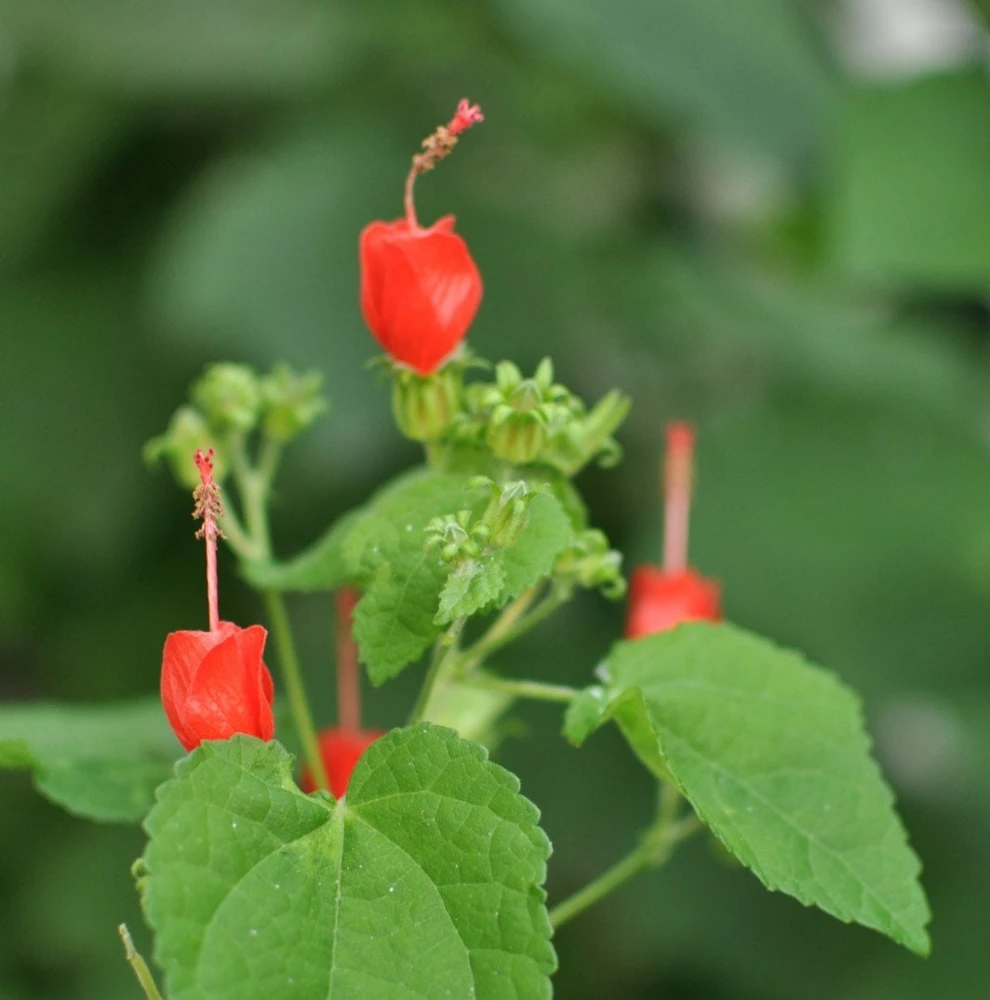
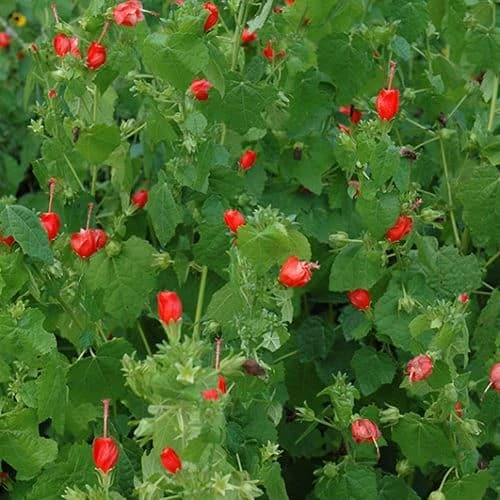
Bring unique charm and ecological benefits to your garden with the vibrant Turks Cap live plant. Also known by its botanical name, Malvaviscus arboreus, this remarkable shrub is a true garden standout. Its common name, Turks Cap, comes from the distinctively shaped, closed red flowers that resemble a Turkish turban. This fast-growing, deciduous to evergreen shrub is native to the Southern United States and Latin America, thriving in warm climates. Perfect for gardeners seeking low-maintenance beauty, the Turks Cap live plant offers year-round interest in warmer zones, providing a continuous display of color and life.
The Turks Cap live plant is not just visually appealing; it’s also a powerhouse for local wildlife. Its bright red flowers are a favorite nectar source for hummingbirds, making it an essential addition for bird enthusiasts. Butterflies are also drawn to its blooms, adding a dynamic, fluttering element to your landscape. Beyond its ornamental and ecological value, the plant produces small, red, edible fruits with a mealy taste, enjoyed by various birds and animals, and even by humans. This makes the Turks Cap shrub a versatile choice for edible landscaping or wildlife gardens.
Whether you’re looking to create a vibrant border, a specimen plant, or a wildlife-friendly haven, the Turks Cap live plant delivers. It’s an excellent choice for xeriscaping or gardens in arid regions due to its low water needs once established. With its robust nature and captivating beauty, the Turks Cap live plant promises to be a rewarding addition to any outdoor space, providing both aesthetic pleasure and vital support for pollinators.
Key Benefits
The Turks Cap live plant offers a multitude of benefits, making it a highly desirable choice for diverse garden settings. From its stunning appearance to its ecological contributions, this plant enriches any landscape.
- Attracts Pollinators: The unique red flowers are a magnet for hummingbirds and various butterfly species, providing essential nectar and enhancing biodiversity in your garden. This makes the hummingbird magnet plant an excellent addition for wildlife enthusiasts.
- Edible & Wildlife-Friendly Fruit: It produces small, red, edible fruits that have a mild, mealy taste. These fruits are enjoyed by birds and other small animals, offering a natural food source and increasing the appeal of your garden to local fauna.
- Drought-Tolerant: Once established, the Turks Cap live plant requires low water, making it an ideal choice for water-wise gardening, xeriscaping, or areas with infrequent rainfall.
- Low Maintenance: This resilient shrub is relatively easy to care for, thriving with minimal intervention. It adapts well to various soil types and is generally pest and disease resistant.
- Extended Bloom Time: Enjoy its vibrant red flowers from summer through fall, providing a long season of color and interest when many other plants are fading.
- Adaptable Growth: The Turks Cap shrub can be grown as a compact shrub or trained into a small tree, offering flexibility in landscape design.
- Medicinal Uses: Historically, the flowers have been used in decoctions to treat inflammation of the digestive tract, highlighting its traditional value.
Plant Care & Growing Tips
Caring for your Turks Cap live plant is straightforward, ensuring a healthy and flourishing specimen that will bring beauty to your garden for years. This robust shrub is known for its adaptability, making it suitable for both novice and experienced gardeners. Proper care will maximize its vibrant blooms and the benefits it brings to local wildlife.
For optimal growth, the Malvaviscus arboreus prefers full sun to partial shade. In hotter climates, some afternoon shade can prevent leaf scorch, but adequate sunlight is crucial for prolific flowering. While tolerant of a range of soil types, well-draining soil is essential to prevent root rot. It can adapt to sandy, loamy, or clay soils, but amending heavy clay with organic matter will improve drainage and aeration. Once established, the Turks Cap live plant is remarkably drought-tolerant, requiring infrequent watering. Water deeply when the top few inches of soil are dry, especially during prolonged dry spells. Avoid overwatering, as this can be detrimental to its health. For best results, consider a layer of mulch around the base to conserve moisture and regulate soil temperature.
The Turks Cap shrub is hardy in USDA Zones 7-10. In Zone 7, it may die back to the ground in winter but will typically return vigorously from the roots in spring. In warmer zones (8-10), it often remains evergreen or semi-evergreen. Fertilization is generally not heavily required; a balanced slow-release fertilizer in early spring can encourage more vigorous growth and flowering. Pruning can be done in late winter or early spring to maintain shape, control size, and remove any dead or leggy growth. This plant is generally resistant to most pests and diseases, but always monitor for any signs of trouble to address them promptly. With these simple care guidelines, your Turks Cap plant care will be minimal, allowing you to enjoy its beauty with ease.
Size & Details
This Turks Cap live plant is shipped in a standard 1-gallon nursery container, ensuring it arrives with a well-established root system ready for planting. While the plant’s size may vary slightly depending on the season and growth stage, it is typically a healthy, young specimen poised for vigorous growth in your garden. Please note that a “1-gallon” trade pot, by industry standard, holds approximately 0.664 gallons of soil, measuring about 6 inches high with a 6-inch circumference, providing ample space for root development.
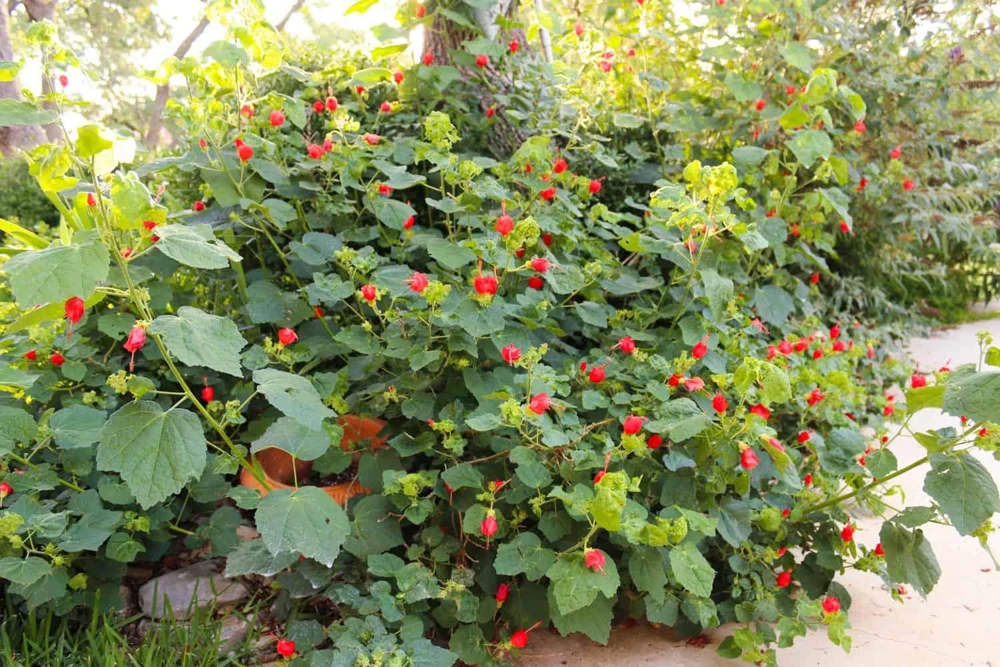
Upon maturity, the Turks Cap live plant can reach an impressive height of 4-6 feet with a spread of 3-4 feet, forming a dense and attractive shrub. Its fast growth rate means you won’t have to wait long to enjoy its full splendor. The plant will begin to bloom from summer through fall, offering a continuous display of its characteristic red flowers. This makes it an excellent choice for adding vertical interest and long-lasting color to your landscape. The fruit production follows the bloom, providing an additional layer of interest and a food source for local wildlife.
Frequently Asked Questions
- Q: How big will my Turks Cap live plant get? A: Your Turks Cap live plant typically grows to a mature height of 4-6 feet and spreads 3-4 feet wide. Its size can be managed with pruning.
- Q: What size pot does it come in? A: This plant is shipped in a 1-gallon nursery pot, which is an industry-standard trade pot designed to hold a robust root system for successful transplanting.
- Q: Is Turks Cap an indoor or outdoor plant? A: The Turks Cap live plant is primarily an outdoor shrub, thriving in garden settings within USDA Zones 7-10. It can be grown in containers on patios in colder zones and brought indoors during winter.
- Q: How much sunlight does it need? A: It prefers full sun to partial shade. In very hot climates, partial afternoon shade is beneficial to protect it from intense heat.
- Q: Is this plant easy to care for? A: Yes, the Turks Cap live plant is considered low-maintenance. Once established, it is drought-tolerant and generally robust, making it suitable for beginners.
- Q: What condition will it arrive in? A: Your plant will arrive fully rooted in its 1-gallon container, inspected for health. We ensure careful packaging to minimize transit stress.
- Q: How long until it blooms? A: The Turks Cap shrub typically blooms from summer through fall, providing a long season of vibrant red flowers. Young plants may bloom in their first year if conditions are favorable.
- Q: Will it survive winter in my zone? A: It is hardy in USDA Zones 7-10. In Zone 7, it may die back to the ground in winter but will usually re-sprout from the roots in spring. In warmer zones, it often remains evergreen.
- Q: Does the Turks Cap plant attract hummingbirds? A: Absolutely! The bright red, tubular flowers of the Turks Cap live plant are a favorite nectar source for hummingbirds, making it an excellent addition for attracting these beautiful birds.
- Q: Is the fruit edible? A: Yes, the small red fruit of the Turks Cap is edible, with a mild, mealy taste. It’s also a favorite food source for birds and other wildlife.
Be the first to review “Turks Cap Live Plant – 1 Gallon Pot – Outdoor Shrub – Attracts Hummingbirds”
Related products


You May Like

Hardneck vs. Softneck Garlic: Which Should You Grow?
Have you ever stood in front of a seed catalog in mid-September, staring at dozens [...]
Oct

When to Plant Music Garlic: Ultimate US Fall Guide
Have you ever spent your fall weekend placing carefully chosen garlic cloves into rich, dark [...]
1 Comment
Oct

5 Best Bulbs for Fall Planting: Brighten Your Garden This Spring
Are you dreaming of a garden full of vibrant colors in the spring? The key [...]
Aug

10 Houseplants That Will Thrive in Your Kitchen
Are you tired of your kitchen feeling dull and lifeless? Want to add a little [...]
1 Comment
Aug
Reviews
There are no reviews yet.