
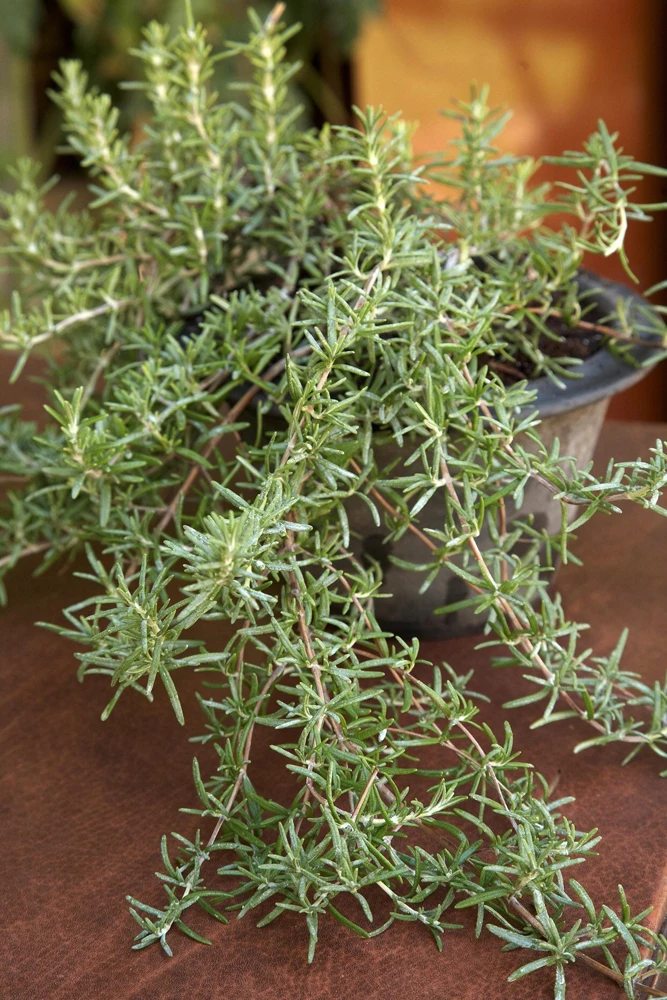
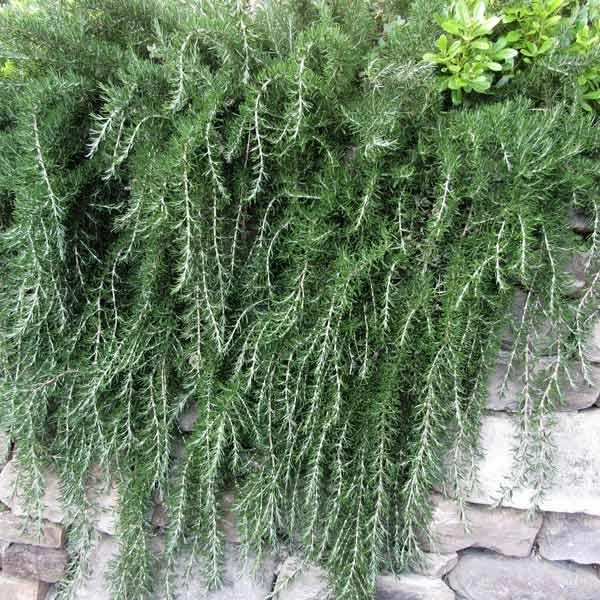
Trailing Rosemary Live Plant – 1 Gallon Pot – Outdoor Groundcover Herb – Zones 6-10
Original price was: 79.99 $.49.99 $Current price is: 49.99 $.
Add aromatic beauty and practical groundcover with this trailing rosemary live plant. Perfect for gardens in USDA Zones 6-10, it offers fragrant foliage and thrives in sunny, well-drained locations. This 1-gallon plant is ideal for borders, rock gardens, or cascading over walls.
Estimated arrival
Oct 15
Oct 20 - Oct 22
Oct 22 - Oct 27
See our Shipping Policy.
Get in touch with us via email, and our team will review your concerns.
Our Alive & Thrive Guarantee covers issues with your plants within the first 30 days. Read our Refund & Returns Policy.
-
USDA Hardiness Zone
6-10 -
Soil Type
Well-draining, sandy or loamy soil -
Sunlight Exposure
Full sun (6-8+ hours daily) -
Expected Planting Period
Spring to Fall
Overview
Introduce the delightful and versatile trailing rosemary live plant to your garden, a robust and aromatic herb known for its beautiful cascading habit and pine-like fragrance. This particular variety, often referred to as prostrate rosemary, is an excellent choice for those seeking an attractive, low-maintenance groundcover that also offers culinary benefits. Thriving in a wide range of climates, from hot sun to colder temperatures, this live plant is delivered in a 1-gallon nursery container, ready to establish itself in your landscape. Its dark green leaves, rich in aromatic oils, not only look appealing but also provide a wonderful sensory experience. Whether you’re an experienced gardener or just starting, a trailing rosemary live plant is a rewarding addition.
The trailing rosemary live plant is a true garden workhorse, offering both aesthetic appeal and practical uses. Its natural growth pattern makes it perfect for spilling over retaining walls, edging pathways, or filling in sunny spots where other plants might struggle. Beyond its visual charm, the fragrant foliage is a classic culinary herb, ideal for seasoning a variety of dishes. This hardy plant is delivered healthy and ready for planting, ensuring you can enjoy its beauty and benefits for years to come.
Key Benefits
The trailing rosemary live plant offers a multitude of advantages for any gardener, combining beauty, utility, and resilience. Its distinctive growth habit and aromatic qualities make it a standout choice for various landscaping needs.
- Exceptional Groundcover: With its low-growing, spreading form, this trailing rosemary live plant creates an ideal, evergreen groundcover. It effectively suppresses weeds and adds lush texture to garden beds, rockeries, or slopes, requiring minimal intervention once established.
- Aromatic Foliage: The dark green leaves are not only visually appealing but also emit a strong, pleasant pine-like fragrance when brushed or crushed. This natural aroma can enhance your garden’s sensory experience and deter some pests.
- Culinary Versatility: Fresh rosemary is a staple in many cuisines. The leaves can be harvested year-round for seasoning meats, vegetables, bread, and more, bringing a fresh, savory flavor to your dishes.
- Drought Tolerance: Once established, this plant is remarkably drought-tolerant, making it an excellent choice for xeriscaping or gardens in drier climates. It conserves water and reduces the need for frequent irrigation.
- Heat and Cold Hardiness: This specific variety tolerates both great heat and blazing sun, as well as colder temperatures, making it suitable for a broad range of USDA hardiness zones, specifically Zones 6-10. This resilience ensures its survival in diverse environmental conditions.
- Low Maintenance: Beyond initial planting and establishment, trailing rosemary care is relatively straightforward. It requires little pruning to maintain its shape and is generally resistant to most pests and diseases, allowing you to enjoy its beauty with less effort.
- Attractive Bloom: While primarily grown for its foliage, this rosemary also produces small, delicate blooms during summer and fall, adding subtle color and attracting pollinators like bees to your garden.
Plant Care & Growing Tips
Proper trailing rosemary care is essential for its vigorous growth and abundant aromatic foliage. This hardy herb is relatively forgiving, but understanding its basic needs will ensure it thrives in your garden. The most crucial factor for success is providing adequate sunlight and well-draining soil, which mimics its native Mediterranean habitat.
Sunlight Requirements:Trailing rosemary live plant thrives in full sun, meaning it needs at least 6-8 hours of direct sunlight per day. Plant it in a location where it will receive ample light, especially morning sun. While it can tolerate some partial shade, too little light can lead to leggy growth and reduced fragrance. For optimal growth and flowering, a south or west-facing exposure is ideal in most climates. Its ability to tolerate blazing sun makes it perfect for hot, exposed areas.
Watering Schedule: After establishment, trailing rosemary live plant is drought-tolerant and prefers to be on the drier side. Water thoroughly when the top few inches of soil feel dry to the touch, then allow the soil to dry out completely before watering again. Overwatering is a common cause of root rot, so ensure excellent drainage. During its establishment period, usually the first growing season, more consistent watering may be needed to help it develop a strong root system. Reduce watering significantly in cooler months.
Soil Type and Drainage: Rosemary prefers well-draining soil with a slightly acidic to neutral pH (6.0-7.0). Sandy or loamy soils are ideal. If your soil is heavy clay, amend it with organic matter like compost and sand to improve drainage. Good drainage is paramount for preventing waterlogged roots. Planting in raised beds or on slopes can also help ensure adequate drainage. This plant is known for its ability to grow in less fertile soils, but good drainage is non-negotiable.
Temperature Range and USDA Hardiness Zone: This trailing rosemary live plant is hardy in USDA Zones 6-10. It tolerates both extreme heat and significant cold. In Zone 6, it may benefit from winter protection such as mulching around the base, especially during harsh freezes. In warmer zones, it will typically remain evergreen year-round. Protect from harsh, drying winter winds if possible. The plant can withstand temperatures down to about 0°F (-18°C) once mature.
Fertilization: Rosemary is not a heavy feeder. In fact, too much fertilizer can reduce its aromatic oil production. If your soil is poor, a light application of a balanced, slow-release fertilizer in spring is sufficient. Avoid high-nitrogen fertilizers, which promote leafy growth at the expense of flavor and hardiness. Composted organic matter worked into the soil at planting time often provides enough nutrients.
Common Problems and Solutions: Rosemary is generally pest and disease resistant. The most common issues arise from improper watering – either too much leading to root rot, or too little causing wilting. Ensure proper drainage and adjust watering frequency based on soil moisture. Occasionally, powdery mildew can occur in humid conditions; improve air circulation and reduce overhead watering. Scale insects or aphids can be controlled with insecticidal soap if necessary, but are rare on healthy plants.
Size & Details
This trailing rosemary live plant is delivered in a 1-gallon nursery container, providing a well-rooted and established specimen ready for planting. While the plant’s size may vary seasonally, it will be a robust young plant capable of quickly establishing in your garden. Upon maturity, this variety typically reaches a height of 1-2 feet, spreading out to a width of 3-4 feet, creating a dense and attractive groundcover. The dark green leaves can grow up to 2 inches long, contributing to its lush appearance. The plant is fully rooted in its container, ensuring a smooth transition to your landscape.
Known for its moderate growth rate, you can expect this trailing rosemary live plant to begin spreading and filling out its designated space within the first year or two. Bloom time occurs during the summer and fall, when small, delicate flowers add an extra layer of charm. The robust nature of this plant, combined with its established root system in the 1-gallon pot, provides an excellent foundation for successful growth and long-term enjoyment in your garden. This size is ideal for planting directly into the ground or a larger container.
Frequently Asked Questions
- Q: How big does this trailing rosemary live plant get? A: This particular variety of trailing rosemary typically grows to a height of 1-2 feet and can spread extensively, reaching a width of 3-4 feet, making it an excellent groundcover.
- Q: What size pot does it come in? A: The trailing rosemary live plant is shipped in a standard 1-gallon nursery container, ensuring it has a strong, established root system for successful transplanting.
- Q: Is this an indoor or outdoor plant? A: This trailing rosemary live plant is primarily an outdoor plant, thriving in full sun and performing best when planted in the ground or a large outdoor container. It is hardy in USDA Zones 6-10.
- Q: How much sunlight does it need? A: Trailing rosemary requires full sun, meaning at least 6-8 hours of direct sunlight per day, to ensure vigorous growth, strong fragrance, and healthy foliage.
- Q: Is this plant easy to care for? A: Yes, once established, this trailing rosemary live plant is considered low-maintenance. It is drought-tolerant and resilient, making trailing rosemary care relatively easy for gardeners of all experience levels.
- Q: What condition will it arrive in? A: Your plant will arrive fully rooted in its 1-gallon container, carefully inspected to ensure it is healthy and ready for planting upon arrival.
- Q: Can I use this rosemary for cooking? A: Absolutely! The aromatic leaves of this rosemary herb plant are perfect for culinary use, adding a fresh, savory flavor to a wide range of dishes.
- Q: When is the best time to plant this rosemary? A: The best time to plant is in spring or early fall, allowing the plant to establish its roots before extreme summer heat or winter cold. However, in mild climates, it can be planted year-round.
- Q: Will it survive winter in my zone? A: This zone 6 rosemary is hardy in USDA Zones 6-10. In Zone 6, it may benefit from winter protection like mulching, but it is generally very cold-tolerant.
- Q: What kind of soil does it prefer? A: Trailing rosemary thrives in well-draining soil, preferably sandy or loamy. Good drainage is crucial to prevent root rot.
Be the first to review “Trailing Rosemary Live Plant – 1 Gallon Pot – Outdoor Groundcover Herb – Zones 6-10”
Related products


You May Like

Hardneck vs. Softneck Garlic: Which Should You Grow?
Have you ever stood in front of a seed catalog in mid-September, staring at dozens [...]
Oct

When to Plant Music Garlic: Ultimate US Fall Guide
Have you ever spent your fall weekend placing carefully chosen garlic cloves into rich, dark [...]
1 Comment
Oct

5 Best Bulbs for Fall Planting: Brighten Your Garden This Spring
Are you dreaming of a garden full of vibrant colors in the spring? The key [...]
Aug

10 Houseplants That Will Thrive in Your Kitchen
Are you tired of your kitchen feeling dull and lifeless? Want to add a little [...]
1 Comment
Aug
Reviews
There are no reviews yet.