
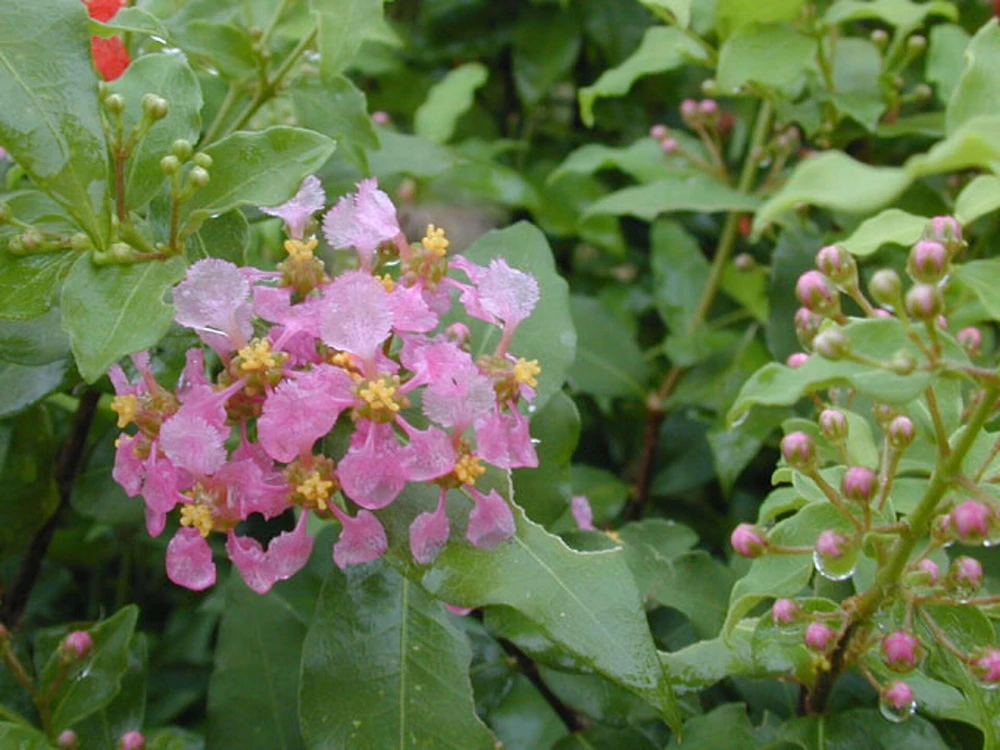
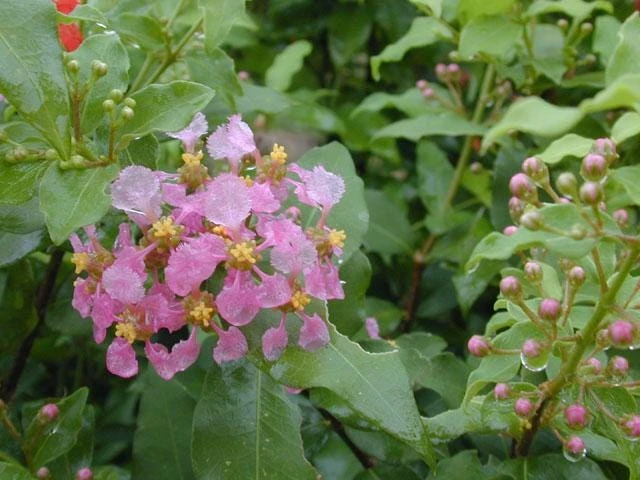
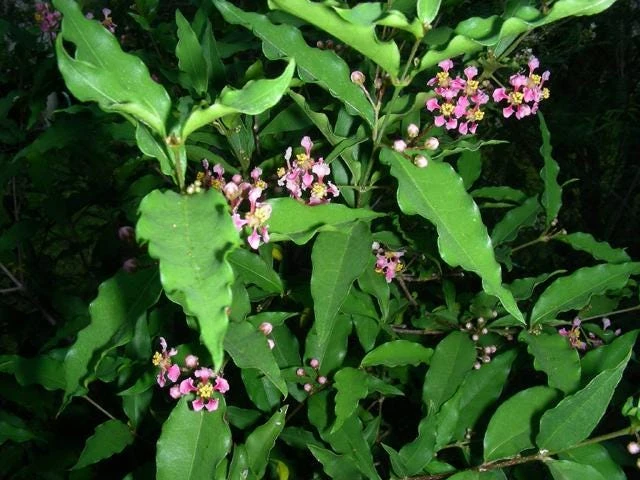
Barbados Cherry Live Plant – Malpighia glabra – 1 Gallon Pot – Edible Fruit Shrub
Original price was: 79.99 $.49.99 $Current price is: 49.99 $.
Bring the tropics to your garden with a Barbados Cherry live plant (Malpighia glabra). This versatile shrub produces delicate pink flowers followed by tart, vitamin C-rich fruits. Perfect for attracting birds and butterflies, and can be grown as a hedge, specimen, or in a patio pot.
Estimated arrival
Oct 15
Oct 20 - Oct 22
Oct 22 - Oct 27
See our Shipping Policy.
Get in touch with us via email, and our team will review your concerns.
Our Alive & Thrive Guarantee covers issues with your plants within the first 30 days. Read our Refund & Returns Policy.
-
USDA Hardiness Zone
USDA Zones 9-11 -
Soil Type
Well-draining soil (sandy, loam, clay loam, limestone) -
Sunlight Exposure
Full sun to part shade -
Expected Planting Period
Year-round in warm climates; spring to fall in others
Overview
Cultivate your own source of delicious, vitamin C-packed fruit with the Barbados Cherry live plant (Malpighia glabra). Also known by common names such as Acerola, Wild Crapemyrtle, and Manzanita, this delightful shrub is a fantastic addition to any garden, especially in warmer climates. The Barbados Cherry is celebrated for its attractive foliage, charming pink blooms, and most notably, its bright red, tart-tasting fruits that are exceptionally high in Vitamin C. This robust plant typically develops into a thick, rounded canopy, providing year-round interest and a bountiful harvest. Whether you’re an experienced gardener or just starting, growing Barbados cherry offers both ornamental beauty and a healthy, edible reward. Originating from the Americas, this plant thrives in conditions that mimic its native tropical and subtropical habitats, making it a resilient and rewarding choice for your landscape.
Our Barbados Cherry live plant arrives fully rooted in a 1-gallon nursery container, ready to be transplanted into your garden or a larger pot. It’s a versatile shrub that can be utilized in various ways, from creating a dense screening hedge to serving as a beautiful accent plant or even a patio container specimen. Beyond its aesthetic appeal, the Barbados Cherry is a magnet for local wildlife, with its nectar attracting adult butterflies and its nutritious fruits quickly gobbled up by birds. Discover the joy of cultivating this productive and attractive plant in your own backyard.
Key Benefits
The Barbados Cherry live plant offers a multitude of benefits, making it a highly desirable addition to diverse garden settings. From its ornamental qualities to its practical uses, this plant truly delivers:
- Edible & Nutritious Fruit: Produces small, bright red, 1-inch fruits (acerola cherries) that are tart and incredibly rich in Vitamin C, perfect for eating fresh, making juices, or adding to desserts.
- Attractive Ornamental Shrub: Features delicate foliage and charming small pink flowers that appear periodically from spring through fall, adding continuous beauty to your landscape.
- Attracts Wildlife: The nectar-rich flowers are a favorite of butterflies, while the delicious fruits provide an excellent food source for various bird species.
- Versatile Landscaping Use: Can be grown as a dense screening hedge, a standalone specimen, an accent tree, or even in large patio pots, adapting to different garden designs.
- Drought Tolerant: Once established, the Malpighia glabra shrub demonstrates good tolerance to dry soil conditions, making it suitable for water-wise gardening.
- Low Maintenance: Generally an easy-care plant, requiring minimal attention once established, thriving in a variety of well-drained soil types.
- Rapid Growth: This plant grows relatively quickly, allowing you to enjoy its benefits and harvests sooner. If you are interested in growing Barbados cherry, it’s a great choice for quick results.
Plant Care & Growing Tips
Caring for your Barbados Cherry live plant is relatively straightforward, ensuring you can enjoy its beautiful blooms and delicious fruit for years to come. This resilient shrub prefers warm climates and can be quite adaptable once established. For optimal growth and fruit production, understanding its specific needs is key.
Sunlight Requirements
The Barbados Cherry thrives in full sun to part shade. Ideally, it should receive at least 6 hours of direct sunlight per day to encourage prolific flowering and fruiting. In hotter climates, some afternoon shade can be beneficial to prevent leaf scorch. If growing indoors, place it near a south-facing window or provide supplemental grow lights to ensure adequate light exposure. Proper light is crucial for a healthy Malpighia glabra shrub.
Watering Schedule and Soil Moisture
This plant prefers medium water use. While it can tolerate some drought once established, regular watering is essential, especially during dry spells and when the plant is actively flowering and fruiting. Allow the top inch or two of soil to dry out between waterings to prevent root rot. Ensure good drainage to avoid waterlogged conditions. For those interested in growing Barbados cherry, consistent moisture without overwatering is a delicate balance to master.
Soil Type and Drainage
The Barbados Cherry is not particularly fussy about soil type, thriving in a wide range of well-drained soils including sandy, sandy loam, medium loam, clay loam, clay, and even limestone. The most critical factor is excellent drainage. If you have heavy clay soil, amend it with organic matter and sand to improve porosity. A slightly acidic to neutral pH is generally preferred.
Temperature Range and USDA Hardiness Zone
This tropical plant is best suited for USDA Hardiness Zones 9-11, where it can be grown outdoors year-round. In zones where winter temperatures drop below freezing, it can be grown as an annual or brought indoors during the colder months. It can tolerate mild frosts, but prolonged freezing temperatures will cause leaf drop and potential damage. Half of the winters in the Austin area are mild enough for Barbados cherry to keep its leaves.
Fertilization
Fertilize your Barbados Cherry during its active growing season, typically from spring through fall. Use a balanced, slow-release fertilizer or a liquid fertilizer diluted to half strength every 4-6 weeks. Look for a fertilizer with a slightly higher potassium content to encourage flowering and fruiting. Avoid over-fertilizing, which can lead to excessive foliage growth at the expense of fruit production.
Common Problems and Solutions
While generally robust, the Barbados Cherry can occasionally face issues. Watch out for common pests like aphids or spider mites, which can be treated with insecticidal soap. Yellowing leaves can indicate overwatering or nutrient deficiency. Ensure proper drainage and consider a balanced fertilizer. Proper care will help maintain a vibrant Barbados Cherry live plant.
Size & Details
Your Barbados Cherry live plant will arrive fully rooted in a standard 1-gallon nursery container. These containers are designed for easy transplanting and typically measure about 6 inches high with a 6-inch circumference. While they are referred to as 1-gallon trade pots by industry standard, they typically hold approximately 0.664 gallons of soil. The plant’s size upon arrival may vary depending on the time of year, availability, and weather conditions, but it is a healthy, established specimen ready to grow into a mature plant.
In its natural habitat and ideal growing conditions, the Barbados Cherry typically grows as a shrub up to about 9 feet tall. With optimal care and space, it can sometimes mature into a small tree, reaching up to 18 feet. It has a relatively fast growth rate, allowing you to enjoy its ornamental features and edible fruits sooner. The plant will produce small pink flowers periodically from April to October, with fruits typically appearing about one month after blooming. This vitamin C fruit plant is a long-lived perennial, providing years of beauty and harvest.
Frequently Asked Questions
- Q: How big does this Barbados Cherry live plant get? A: As a shrub, it typically grows up to 9 feet tall, but can sometimes reach up to 18 feet if grown as a small tree in optimal conditions. Its size can be managed with pruning.
- Q: What size pot does it come in? A: The plant is shipped in a 1-gallon nursery trade pot, which is approximately 6 inches high and 6 inches in circumference. It will be fully rooted and ready for transplanting.
- Q: Is this an indoor or outdoor plant? A: The Barbados Cherry is primarily an outdoor plant in USDA Zones 9-11. In colder climates, it can be grown in a container and brought indoors during winter, making it a versatile choice for many gardeners interested in an acerola cherry plant.
- Q: How much sunlight does it need? A: For best results and fruit production, the Barbados Cherry requires at least 6 hours of direct sunlight daily. It can tolerate part shade, especially in very hot climates.
- Q: Is this plant easy to care for? A: Yes, once established, the Barbados Cherry is considered relatively easy to care for. It’s drought-tolerant and adaptable to various well-drained soils, making it a good option for beginners interested in a vitamin C fruit plant.
- Q: What condition will it arrive in? A: We take great care to ensure healthy plants. Your plant will arrive fully rooted in its nursery container. Size may vary based on season and availability, but it will be a viable, established plant.
- Q: Can I eat the fruit from this plant? A: Absolutely! The fruits, known as acerola cherries, are edible and highly valued for their tart flavor and exceptionally high Vitamin C content. They are great fresh or in juices.
- Q: How long until it blooms and fruits? A: Small pink flowers typically appear periodically from April to October. Fruits usually develop about one month after flowering, offering multiple harvests throughout the warmer months.
- Q: Will it survive winter in my zone? A: The Barbados Cherry is hardy in USDA Zones 9-11. In zones with freezing winters, it will need protection or to be brought indoors to survive. This is an important consideration when growing Barbados cherry.
- Q: Is the Malpighia glabra shrub deer resistant? A: No, the Barbados Cherry is not considered deer resistant. Deer may browse on the foliage and fruits.
Be the first to review “Barbados Cherry Live Plant – Malpighia glabra – 1 Gallon Pot – Edible Fruit Shrub”
Related products


You May Like

Hardneck vs. Softneck Garlic: Which Should You Grow?
Have you ever stood in front of a seed catalog in mid-September, staring at dozens [...]
Oct

When to Plant Music Garlic: Ultimate US Fall Guide
Have you ever spent your fall weekend placing carefully chosen garlic cloves into rich, dark [...]
1 Comment
Oct

5 Best Bulbs for Fall Planting: Brighten Your Garden This Spring
Are you dreaming of a garden full of vibrant colors in the spring? The key [...]
Aug

10 Houseplants That Will Thrive in Your Kitchen
Are you tired of your kitchen feeling dull and lifeless? Want to add a little [...]
1 Comment
Aug
Reviews
There are no reviews yet.