
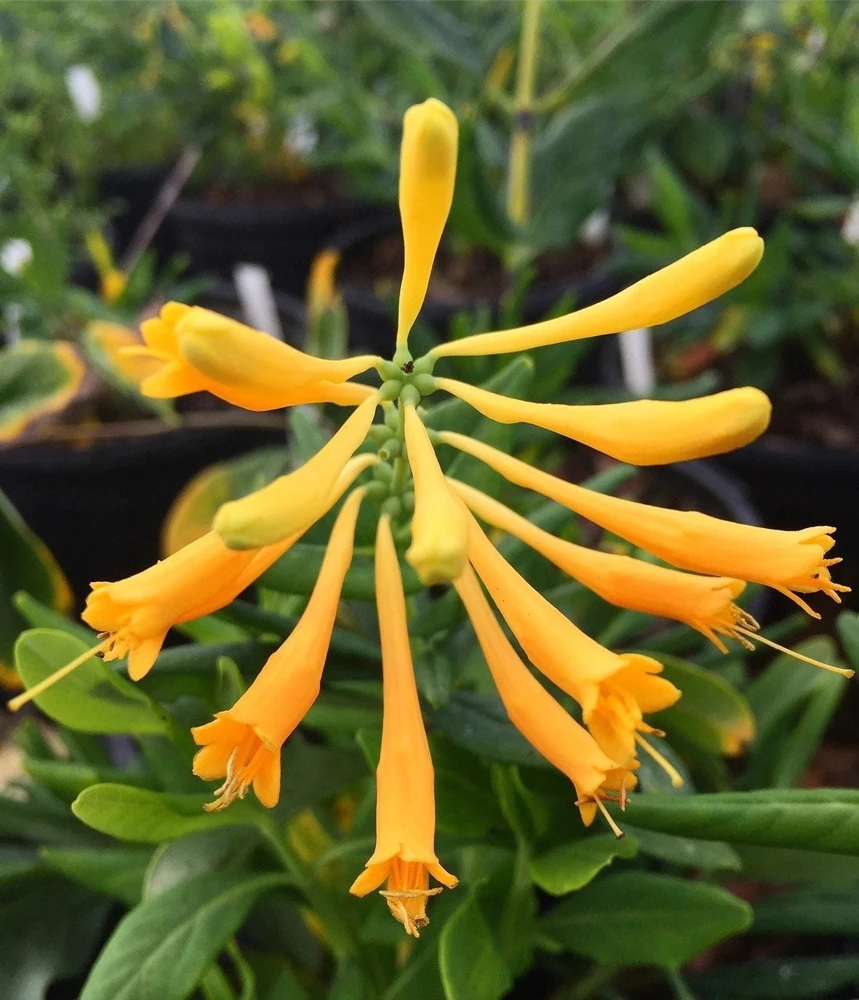
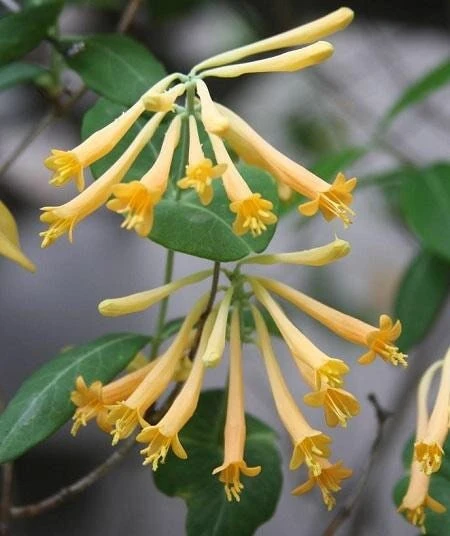
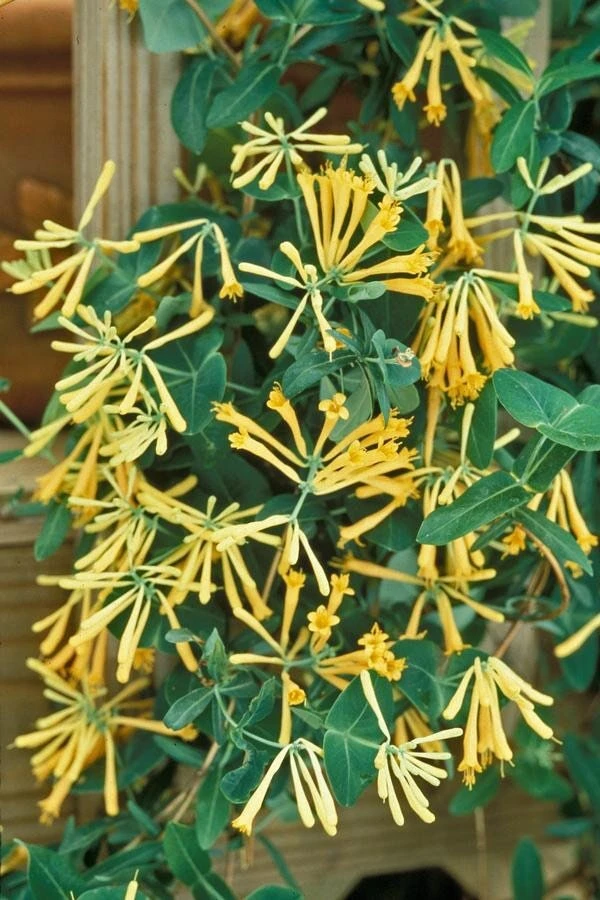
Yellow Honeysuckle Vine – Lonicera sempervirens Sulphurea Live Plant, 1 Gallon
Original price was: 79.99 $.49.99 $Current price is: 49.99 $.
Enhance your garden with a stunning yellow honeysuckle live plant. This vigorous vine, Lonicera sempervirens Sulphurea, features beautiful trumpet-shaped yellow blooms that attract hummingbirds and butterflies. It’s a low-maintenance, deer resistant vine perfect for trellises or fences.
Estimated arrival
Oct 15
Oct 20 - Oct 22
Oct 22 - Oct 27
See our Shipping Policy.
Get in touch with us via email, and our team will review your concerns.
Our Alive & Thrive Guarantee covers issues with your plants within the first 30 days. Read our Refund & Returns Policy.
-
USDA Hardiness Zone
4, 5, 6, 7, 8, 9 -
Soil Type
Well-draining soil -
Sunlight Exposure
Full Sun, Morning Sun & Afternoon Shade -
Expected Planting Period
Spring to early summer
Overview
Introduce a splash of vibrant color and a magnet for pollinators to your garden with our exquisite yellow honeysuckle live plant. This captivating vine, scientifically known as Lonicera sempervirens Sulphurea, is celebrated for its abundant, trumpet-shaped yellow flowers that bloom from late spring through early summer. These delightful blossoms are not only visually appealing but also a favorite nectar source for hummingbirds, butterflies, and other beneficial insects, making your garden a lively haven. As a native plant, this honeysuckle variety is exceptionally well-suited to various climates and requires minimal fuss once established. It’s an ideal choice for gardeners seeking a beautiful, low-maintenance, and wildlife-friendly addition to their outdoor spaces. The yellow honeysuckle live plant quickly establishes itself, providing dense foliage and a cascade of cheerful yellow blooms that transform fences, trellises, and arbors into breathtaking focal points.
Our yellow honeysuckle live plant arrives as a healthy, well-rooted specimen, ready to thrive in your landscape. This particular cultivar, ‘Sulphurea,’ is prized for its clear yellow flowers, offering a softer yet equally striking alternative to traditional red honeysuckles. Beyond its ornamental value, this honeysuckle contributes to local ecosystems by providing food and shelter for wildlife. It’s a robust and adaptable plant that promises years of beauty and enjoyment, making it a fantastic investment for any garden enthusiast.
Key Benefits
Discover the numerous advantages of cultivating the yellow honeysuckle live plant in your garden. This versatile vine offers both aesthetic appeal and ecological benefits, enriching your outdoor environment in multiple ways.
- Attracts Pollinators: The bright yellow, trumpet-shaped flowers are irresistible to hummingbirds, butterflies, and bees, significantly boosting the biodiversity of your garden. Enjoy watching these fascinating creatures visit your honeysuckle daily.
- Deer Resistant: A significant advantage for many gardeners, this honeysuckle variety is known for its natural resistance to deer browsing, ensuring your plant remains intact and beautiful without constant protection.
- Vibrant Floral Display: Enjoy a long season of cheerful yellow blooms from late spring into early summer, followed by attractive red berries in late summer that provide additional interest and food for birds.
- Low Maintenance: Once established, Lonicera sempervirens Sulphurea is remarkably easy to care for, tolerating a range of conditions and requiring minimal pruning to maintain its shape and vigor.
- Native Plant: As a native species, it is perfectly adapted to local conditions, requiring less water and fewer interventions compared to non-native alternatives, contributing to a healthier local ecosystem.
- Versatile Landscaping Use: Ideal for covering arbors, pergolas, fences, or trellises, this vine provides excellent vertical interest and can quickly transform plain structures into lush, flowering features.
- Provides Wildlife Habitat: Beyond nectar, the dense foliage offers shelter for small birds and insects, while the late-season berries serve as a food source for various bird species, making it a valuable addition to wildlife gardens.
Plant Care & Growing Tips
Caring for your yellow honeysuckle live plant is straightforward, making it an excellent choice for both novice and experienced gardeners. This hardy vine thrives with proper siting and basic attention, ensuring a spectacular display of blooms and healthy growth. The first step to successful growth is selecting an appropriate location. This honeysuckle prefers full sun to morning sun with afternoon shade. Full sun encourages the most prolific blooming, but a little afternoon shade in hotter climates can prevent leaf scorch. Ensure the planting site has well-draining soil; while adaptable, it performs best in loamy, consistently moist soil. Amend heavy clay soils with compost to improve drainage and fertility.
Watering is crucial, especially during the establishment phase. Water deeply and regularly after planting to help the root system develop. Once established, Lonicera sempervirens Sulphurea is relatively drought-tolerant but will benefit from supplemental watering during prolonged dry spells, particularly when flowering. Fertilize in early spring with a balanced, slow-release granular fertilizer formulated for flowering shrubs or vines. Avoid excessive nitrogen, which can promote leafy growth at the expense of flowers. Pruning is best done after the main flush of blooms in early summer. Remove any dead, damaged, or crossing branches, and thin out overcrowded areas to improve air circulation. You can also prune to control its size and shape, encouraging bushier growth or directing it along a support structure. This honeysuckle plant care routine will ensure a vigorous and floriferous specimen.
This vine is generally pest and disease resistant, but occasionally, aphids may appear on new growth. They can typically be dislodged with a strong spray of water or treated with insecticidal soap if the infestation is severe. Powdery mildew can occur in humid conditions with poor air circulation; ensuring proper spacing and pruning helps prevent this. The Lonicera sempervirens Sulphurea is hardy across a wide range of USDA zones, making it a reliable performer in many North American gardens. Protecting young plants from harsh winter winds in colder zones can be beneficial, though established plants are quite resilient.
Size & Details
Your yellow honeysuckle live plant will arrive as a healthy, well-rooted specimen in a 1-gallon nursery container. While the exact size may vary slightly depending on the season and growth stage, each plant is ready for successful transplanting into your garden. This particular honeysuckle cultivar, Lonicera sempervirens Sulphurea, is a vigorous climber, typically reaching a mature height of 8-12 feet tall and spreading 24-48 inches wide when given adequate support. Its growth rate is moderate to fast, allowing it to quickly fill in desired spaces such as trellises, arbors, or fences.
The plant will begin to bloom in late spring to early summer, providing a spectacular display of bright yellow, trumpet-shaped flowers. Following the flowering period, it produces attractive red berries in late summer, adding further ornamental interest and providing food for local bird populations. This yellow honeysuckle live plant is shipped fully rooted, ensuring it has the best chance to establish quickly in its new environment. The 1-gallon pot size provides a robust root ball, aiding in a smooth transition to your garden bed or larger container.
Frequently Asked Questions
- Q: How big does this yellow honeysuckle plant get? A: This yellow honeysuckle live plant typically reaches a mature height of 8-12 feet tall with a spread of 24-48 inches wide. Its ultimate size can be managed with pruning, allowing it to fit various garden spaces.
- Q: What size pot does it come in? A: Your honeysuckle plant will arrive in a standard 1-gallon nursery container, providing a well-established root system ready for planting.
- Q: Is this an indoor or outdoor plant? A: This Lonicera sempervirens Sulphurea is an outdoor plant, best suited for gardens, patios, and landscapes where it can climb and thrive in natural sunlight.
- Q: How much sunlight does it need? A: For optimal flowering and growth, this honeysuckle requires full sun (at least 6 hours of direct sunlight daily) to morning sun with afternoon shade, especially in hotter climates.
- Q: Is this plant easy to care for? A: Yes, this honeysuckle is considered a low-maintenance plant. Once established, it is quite hardy and drought-tolerant, making honeysuckle plant care relatively easy for gardeners of all skill levels.
- Q: What condition will it arrive in? A: Your plant will arrive as a healthy, fully rooted live plant in its nursery container, carefully packaged to ensure its safe journey to your home.
- Q: Is it shipped in soil? A: Yes, the plant is shipped actively growing in its original nursery soil and pot, ensuring minimal transplant shock and immediate readiness for planting.
- Q: How long until it blooms? A: Depending on when you plant it, your yellow honeysuckle live plant may bloom in its first season, typically from late spring to early summer, with established plants producing abundant flowers.
- Q: When is the best time to plant? A: The best time to plant is in spring or early fall, allowing the plant sufficient time to establish its root system before extreme summer heat or winter cold.
- Q: Will it survive winter in my zone? A: This honeysuckle is hardy in USDA Zones 4-9, meaning it is well-equipped to survive winters within this range. In colder parts of its range, some top growth may die back but will regrow from the base in spring.
- Q: Is this honeysuckle deer resistant? A: Yes, this deer resistant vine is known for its natural resistance to deer, making it an excellent choice for gardens where deer can be an issue.
- Q: Does it attract hummingbirds? A: Absolutely! The trumpet-shaped yellow flowers of Lonicera sempervirens Sulphurea are a favorite nectar source for hummingbirds, making it a fantastic addition for attracting these beautiful birds.
Be the first to review “Yellow Honeysuckle Vine – Lonicera sempervirens Sulphurea Live Plant, 1 Gallon”
Related products


You May Like

Hardneck vs. Softneck Garlic: Which Should You Grow?
Have you ever stood in front of a seed catalog in mid-September, staring at dozens [...]
Oct

When to Plant Music Garlic: Ultimate US Fall Guide
Have you ever spent your fall weekend placing carefully chosen garlic cloves into rich, dark [...]
1 Comment
Oct

5 Best Bulbs for Fall Planting: Brighten Your Garden This Spring
Are you dreaming of a garden full of vibrant colors in the spring? The key [...]
Aug

10 Houseplants That Will Thrive in Your Kitchen
Are you tired of your kitchen feeling dull and lifeless? Want to add a little [...]
1 Comment
Aug
Reviews
There are no reviews yet.