
White Plumeria Plant Live 10-15 Inch Tall in Gallon Pot, Ready to Grow Garden Planting
Original price was: 56.99 $.36.99 $Current price is: 36.99 $.
Bring tropical elegance to your garden with this beautiful white plumeria live plant. Arriving 10-15 inches tall in a 1-gallon pot, it’s ready to thrive. Known for its intensely fragrant blooms, this plumeria is perfect for:
- Creating a serene, exotic ambiance
- Attracting pollinators
- Adding a touch of the tropics to any outdoor space
Estimated arrival
Oct 15
Oct 20 - Oct 22
Oct 22 - Oct 27
See our Shipping Policy.
Get in touch with us via email, and our team will review your concerns.
Our Alive & Thrive Guarantee covers issues with your plants within the first 30 days. Read our Refund & Returns Policy.
-
USDA Hardiness Zone
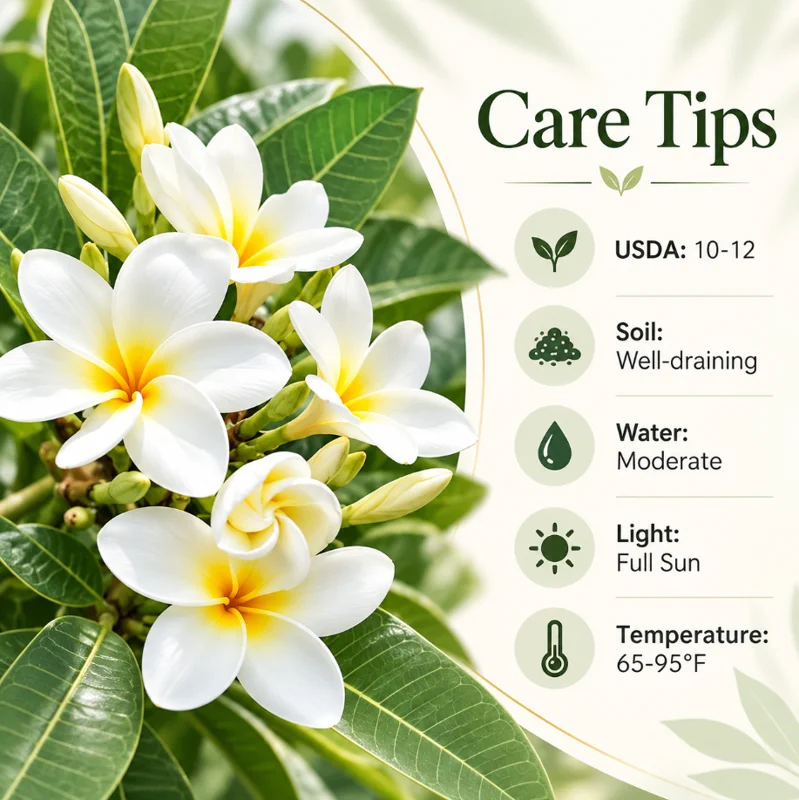
USDA zones 9-11 (outdoors), 4-8 (container grown, overwintered indoors) -
Soil Type
Well-draining potting mix, sandy loam -
Sunlight Exposure
Full sun (6-8+ hours direct sun) -
Expected Planting Period
Spring to early summer (after last frost)
Overview
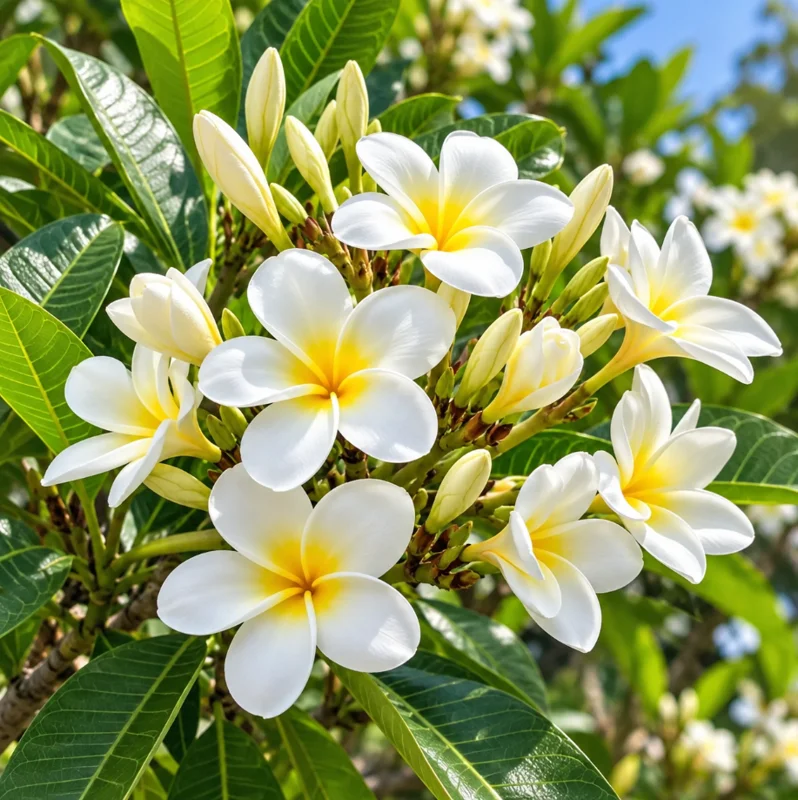
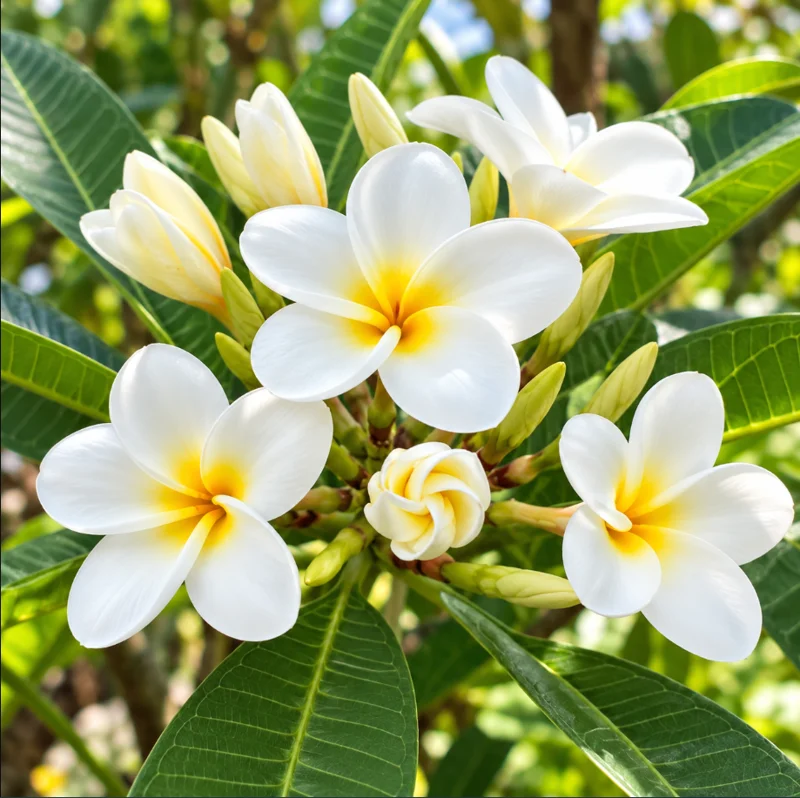
Experience the allure of the tropics right in your own garden with this exquisite white plumeria live plant. Known for its intoxicatingly fragrant blossoms and stunning beauty, Plumeria (also commonly called Frangipani) is a beloved ornamental plant that evokes images of Hawaiian leis and warm, sunny climates. This particular variety features classic white flowers, often with a yellow center, that emit a sweet, powerful perfume, especially in the evenings. Each plant arrives healthy and robust, standing approximately 10-15 inches tall in a convenient 1-gallon nursery pot, making it perfectly sized for immediate planting in your garden or a larger container. Whether you’re an experienced gardener or just beginning your journey with tropical flora, this plumeria offers a rewarding and visually spectacular addition to any outdoor setting.
The white plumeria live plant is not just a visual delight; its fragrant flowers are a sensory experience, transforming your outdoor living spaces into a perfumed paradise. These plants are relatively easy to care for, requiring minimal attention once established, and promise years of beautiful blooms. With its distinctive, waxy petals and elegant form, the plumeria is a true statement plant that will undoubtedly become a focal point in your landscape design.
Key Benefits
Adding a plumeria to your garden offers a multitude of benefits, enhancing both the aesthetic and sensory appeal of your outdoor space. This white plumeria live plant provides more than just beauty; it brings a piece of paradise to your home.
- Exotic Fragrance: The primary allure of plumeria is its intensely sweet and captivating fragrance, which is particularly potent in the evenings. These flowers are often used in perfumes and aromatherapy for their delightful scent.
- Stunning Visual Appeal: The pristine white flowers, often with a hint of yellow in their center, are incredibly striking against the lush green foliage, creating a tropical oasis effect.
- Low Maintenance: Once established, plumeria plants are surprisingly drought-tolerant and require relatively little care, making them suitable for busy gardeners.
- Attracts Pollinators: The fragrant blooms are a magnet for various pollinators, including bees and butterflies, contributing to a healthier garden ecosystem.
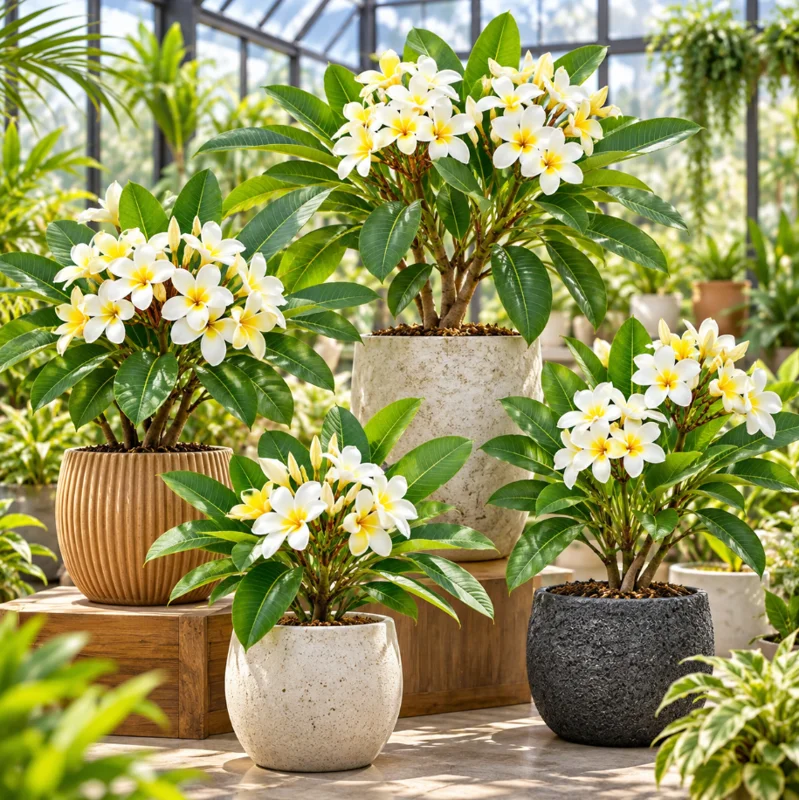
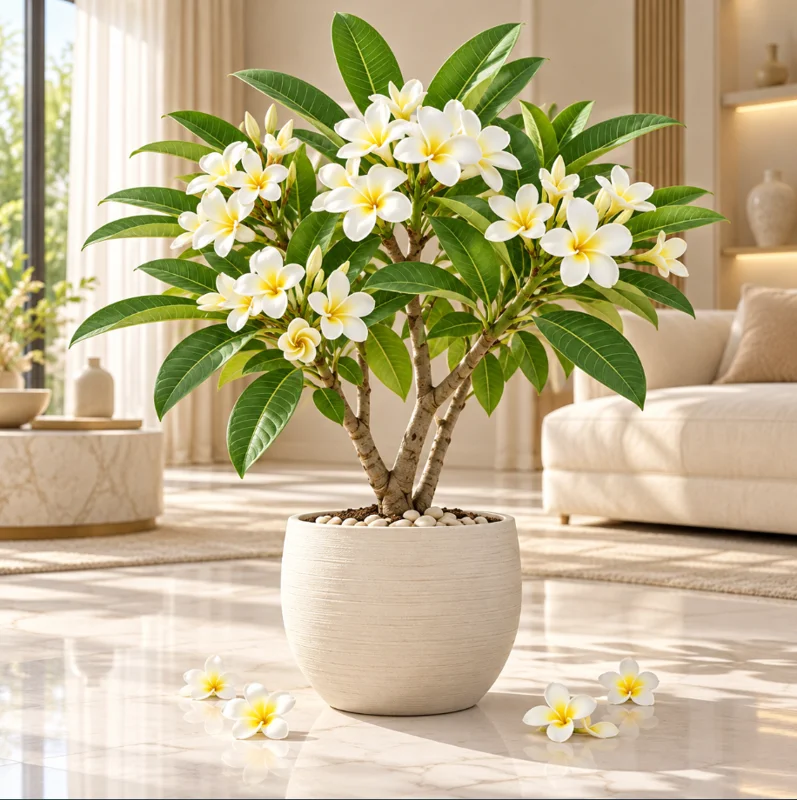
- Versatile Planting Options: Ideal for planting directly in the ground in warmer climates or growing in large pots in cooler regions, allowing for easy relocation indoors during winter.
- Symbolic Significance: In many cultures, plumeria flowers symbolize new beginnings, beauty, and hospitality, adding a deeper meaning to your garden.
- Long Blooming Season: With proper care, plumeria can produce a continuous display of flowers from spring through fall, providing extended enjoyment of its beauty and fragrance.
Plant Care & Growing Tips
Caring for your white plumeria live plant is straightforward, and with a few key considerations, you can ensure a vibrant and fragrant display. Plumerias thrive in warm, sunny environments, mimicking their native tropical habitats. They require ample sunlight, ideally 6-8 hours of direct sun per day. In extremely hot climates, some afternoon shade can be beneficial to prevent leaf scorch. When grown in pots, ensure they are placed in the sunniest spot available, rotating them occasionally for even growth. The ideal temperature range for plumeria is between 65°F and 80°F (18°C-27°C). They are not frost-tolerant, so in regions with cold winters, potted plants should be moved indoors once temperatures consistently drop below 50°F (10°C).
Watering is crucial for healthy plumeria growth. During the active growing season (spring through fall), water thoroughly when the top 2-3 inches of soil feel dry to the touch. Ensure excellent drainage, as plumeria roots are susceptible to rot in waterlogged conditions. Reduce watering significantly in late fall and winter as the plant enters dormancy, especially if moved indoors. For soil, a well-draining mix is essential. A cactus or succulent potting mix, or a blend of regular potting soil with perlite and sand, works well. Fertilize your plumeria plant care regimen should include a high-phosphorus fertilizer (such as 10-30-10) every 2-4 weeks during the blooming season to encourage abundant flowering. Avoid high-nitrogen fertilizers, which promote leafy growth at the expense of blooms.
Pruning is generally done to shape the plant or encourage branching. Prune in late winter or early spring before new growth begins. Watch out for common pests like spider mites and mealybugs, especially when the plant is stressed or indoors. Treat with insecticidal soap if necessary. When you’re growing plumeria in pots, ensure the container is large enough to accommodate its root system and has sufficient drainage holes. Repotting every 2-3 years into a slightly larger pot can help maintain vigorous growth. Understanding how to manage your tropical plumeria tree will ensure a beautiful and fragrant display for many years.
Size & Details
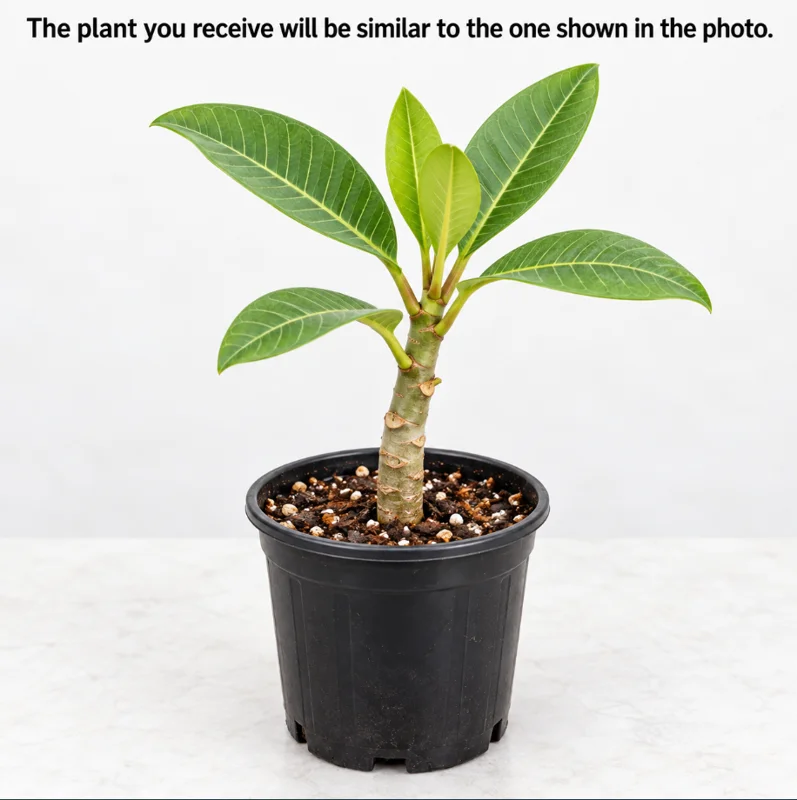
This offering is for one robust white plumeria live plant, delivered in a 1-gallon nursery pot. Each plant stands approximately 10-15 inches tall from the base of the pot to the tip of its tallest stem, providing a well-established specimen ready for continued growth. The plant’s width will vary slightly depending on its natural branching, but it is typically compact enough for easy handling and initial placement. Plumerias are known for their moderate growth rate, and with optimal conditions, they can grow into small trees or large shrubs, often reaching heights of 10-20 feet in ideal outdoor environments over many years. When grown in containers, their size is more easily managed through pruning and pot size. Expect your plumeria to begin producing its iconic fragrant white flowers within one to two growing seasons, especially with proper fertilization. The plant is shipped with some soil and roots intact, ensuring a smooth transition to its new home, making it an excellent choice for those interested in growing plumeria in pots or in the ground.
Frequently Asked Questions
- Q: How big does this plant get? A: This white plumeria live plant arrives 10-15 inches tall in a 1-gallon pot. In optimal outdoor conditions, plumeria can eventually grow into a small tree, reaching 10-20 feet tall, but its size can be controlled through pruning and container growing.
- Q: What size pot does it come in? A: The plumeria plant is shipped in a sturdy 1-gallon nursery pot, providing ample space for its initial root development and making it ready for transplanting.
- Q: Is this an indoor or outdoor plant? A: Plumeria is primarily an outdoor tropical plant, thriving in full sun. In colder climates (USDA zones 8 and below), it should be grown in a pot and brought indoors during winter to protect it from frost.
- Q: How much sunlight does it need? A: For abundant blooms and healthy growth, your plumeria requires at least 6-8 hours of direct sunlight per day. It loves bright, sunny locations.
- Q: Is this plant easy to care for? A: Yes, plumeria is considered relatively easy to care for once established. It requires well-draining soil, plenty of sun, and consistent watering during its growing season, making plumeria plant care manageable for most gardeners.
- Q: Is it good for beginners? A: Absolutely! With a basic understanding of its sunlight and watering needs, even beginner gardeners can successfully grow and enjoy a fragrant plumeria flower.
- Q: What condition will it arrive in? A: Your plumeria will arrive as a healthy, live plant, carefully packaged in its 1-gallon pot with some soil, ensuring it is well-protected during transit.
- Q: Is it shipped in soil? A: Yes, the plant is shipped securely in its original nursery pot with soil, minimizing transplant shock and ensuring it arrives ready for its new home.
- Q: When is the best time to plant? A: The best time to plant your plumeria is in spring or early summer, after all danger of frost has passed, allowing it ample time to establish before cooler weather.
- Q: Will it survive winter in my zone? A: Plumeria is cold-sensitive. It thrives outdoors year-round in USDA Zones 9-11. In colder zones, it must be protected from frost by moving it indoors or into a greenhouse for winter dormancy.
Be the first to review “White Plumeria Plant Live 10-15 Inch Tall in Gallon Pot, Ready to Grow Garden Planting”
Related products


You May Like

Hardneck vs. Softneck Garlic: Which Should You Grow?
Have you ever stood in front of a seed catalog in mid-September, staring at dozens [...]
Oct

When to Plant Music Garlic: Ultimate US Fall Guide
Have you ever spent your fall weekend placing carefully chosen garlic cloves into rich, dark [...]
1 Comment
Oct

5 Best Bulbs for Fall Planting: Brighten Your Garden This Spring
Are you dreaming of a garden full of vibrant colors in the spring? The key [...]
Aug

10 Houseplants That Will Thrive in Your Kitchen
Are you tired of your kitchen feeling dull and lifeless? Want to add a little [...]
1 Comment
Aug
Reviews
There are no reviews yet.