
Moringa Live Plant in a 4 Inch Pot, Moringa Oleifera Tree for Home Garden Planting
Original price was: 46.99 $.26.99 $Current price is: 26.99 $.
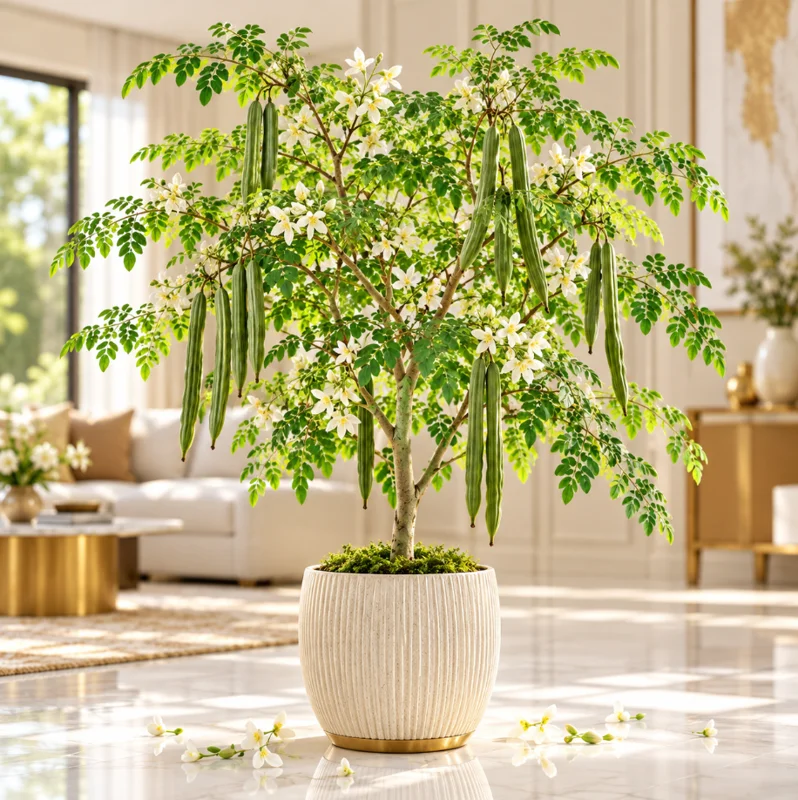
Bring the nutrient-rich moringa live plant into your home garden. This moringa oleifera tree comes in a 4-inch pot, ready for planting, and is known for its rapid growth and health benefits. Ideal for both indoor and outdoor cultivation in suitable climates.
Estimated arrival
Oct 14
Oct 19 - Oct 21
Oct 21 - Oct 26
See our Shipping Policy.
Get in touch with us via email, and our team will review your concerns.
Our Alive & Thrive Guarantee covers issues with your plants within the first 30 days. Read our Refund & Returns Policy.
-
USDA Hardiness Zone
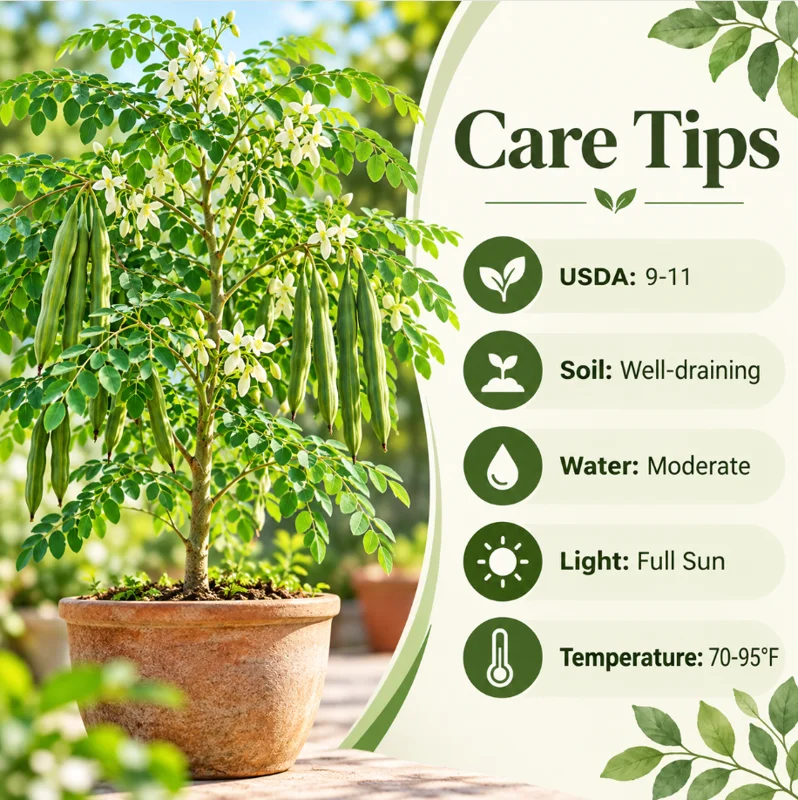
USDA zones 9-11 -
Soil Type
Well-draining sandy loam -
Sunlight Exposure
Full sun -
Expected Planting Period
Year-round indoors, spring to early summer outdoors
Overview
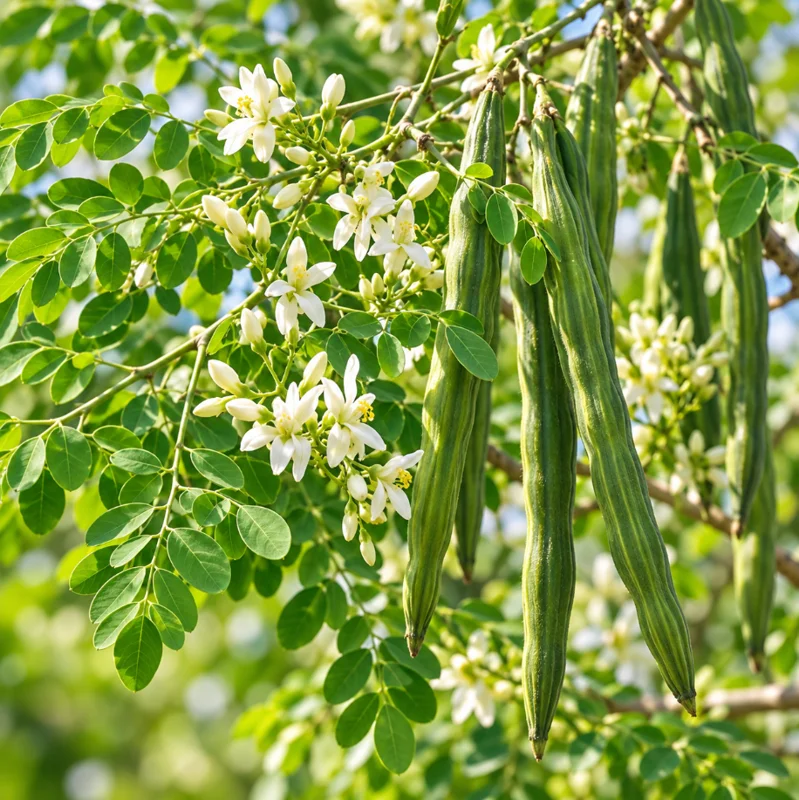
Introduce a powerhouse of nutrition and vitality to your home with this moringa live plant. Often referred to as the "Miracle Tree," the Moringa Oleifera tree is renowned for its exceptional nutritional profile and rapid growth. This young moringa oleifera tree arrives nestled in a convenient 4-inch pot, perfectly sized for transplanting into your garden or a larger container. Originating from India, this deciduous tree is celebrated for its edible leaves, pods, and flowers, all packed with vitamins, minerals, and antioxidants. Cultivating a moringa live plant at home means having fresh, organic superfood at your fingertips, contributing to a healthier lifestyle and a more vibrant garden.
Our moringa live plant is carefully nurtured to ensure it arrives healthy and ready to thrive in its new environment. Whether you’re an experienced gardener or just starting, this adaptable plant offers a rewarding growing experience. It’s an excellent choice for those looking to explore permaculture, edible landscaping, or simply add a unique and beneficial plant to their collection. Discover the joy and benefits of growing your own Moringa Oleifera tree.
Key Benefits
The moringa live plant offers a multitude of benefits, making it an invaluable addition to any home garden. Its impressive nutritional content and versatility are just a few reasons why it’s gaining popularity worldwide. Growing your own moringa oleifera tree ensures you have access to fresh leaves whenever you need them.
- Nutrient-Rich Superfood: Moringa leaves are packed with vitamins A, C, E, K, and B vitamins, as well as minerals like calcium, potassium, iron, and protein. Incorporating them into your diet can boost overall health and well-being.
- Rapid Growth: Known for its fast growth rate, the moringa live plant can quickly establish itself and provide a continuous supply of fresh leaves throughout the growing season, making it a highly productive plant for your garden.
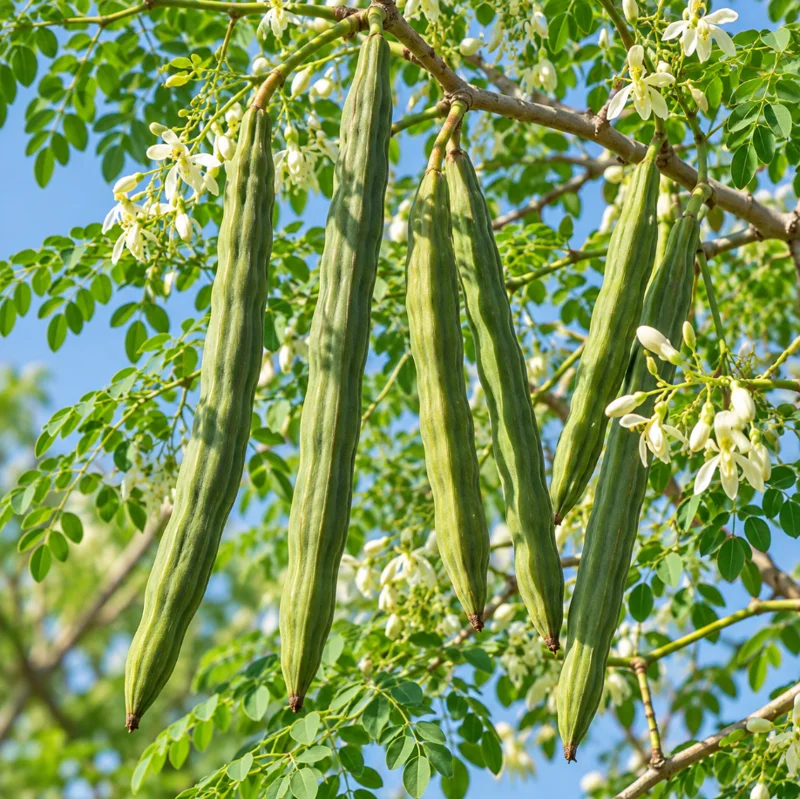
- Versatile Culinary Use: The leaves can be used fresh in salads, smoothies, and juices, or cooked like spinach. The young pods, often called drumsticks, are also edible and used in various dishes, offering a unique flavor and texture.
- Drought Tolerant & Resilient: Once established, the moringa oleifera tree is remarkably drought-tolerant and can thrive in challenging conditions, making it a low-maintenance option for many climates.
- Air Purification: Like many plants, the moringa live plant contributes to a healthier environment by absorbing carbon dioxide and releasing oxygen, enhancing the air quality around your home.
- Supports Local Ecosystem: When grown outdoors, the flowers of the moringa oleifera tree attract pollinators like bees, contributing to biodiversity and supporting your local ecosystem.
- Sustainable Food Source: Growing your own moringa reduces reliance on store-bought greens and offers a sustainable, fresh food source right in your backyard.
Plant Care & Growing Tips
Caring for your moringa live plant is relatively straightforward, as it is a hardy and adaptable species. To ensure your moringa oleifera tree thrives, understanding its basic needs for sunlight, water, and soil is crucial. This guide will help you successfully grow moringa at home, whether in a pot or directly in the ground.
Sunlight Requirements: Moringa thrives in full sun, requiring at least 6-8 hours of direct sunlight per day. If growing indoors, place your plant near a south-facing window or supplement with grow lights. For outdoor planting, choose a location that receives ample sunshine throughout the day. Insufficient light can lead to leggy growth and reduced leaf production.
Watering: While drought-tolerant once established, young moringa plants need consistent moisture. Water thoroughly when the top inch of soil feels dry to the touch. Avoid overwatering, as this can lead to root rot. Ensure good drainage. As the plant matures, reduce watering frequency, allowing the soil to dry out between waterings. During dry spells, a deep watering every few days will be beneficial. Proper hydration is key to a healthy moringa live plant.
Soil and Fertilization: Moringa prefers well-draining, sandy loam soil with a pH between 6.0 and 7.0. It can tolerate a wide range of soil types but performs best in fertile ground. Amend heavy clay soils with organic matter like compost or sand to improve drainage. Fertilize sparingly, especially if your soil is already rich. A balanced organic fertilizer or compost tea every 4-6 weeks during the growing season can support vigorous growth. Avoid excessive nitrogen, which can lead to lush foliage but fewer flowers and pods. Understanding the best practices for moringa care guide will ensure a robust plant.
Temperature and Hardiness: Moringa is a tropical plant and is sensitive to cold. It thrives in warm temperatures, ideally between 70-95°F (21-35°C). It is generally hardy in USDA zones 9-11. In colder climates, it can be grown as an annual or brought indoors during winter. If growing outdoors in a marginal zone, consider planting in a large pot that can be moved indoors before the first frost. Protect young plants from strong winds. Pruning can help maintain a manageable size and encourage bushier growth, making it easier to manage if you grow moringa at home.
Size & Details
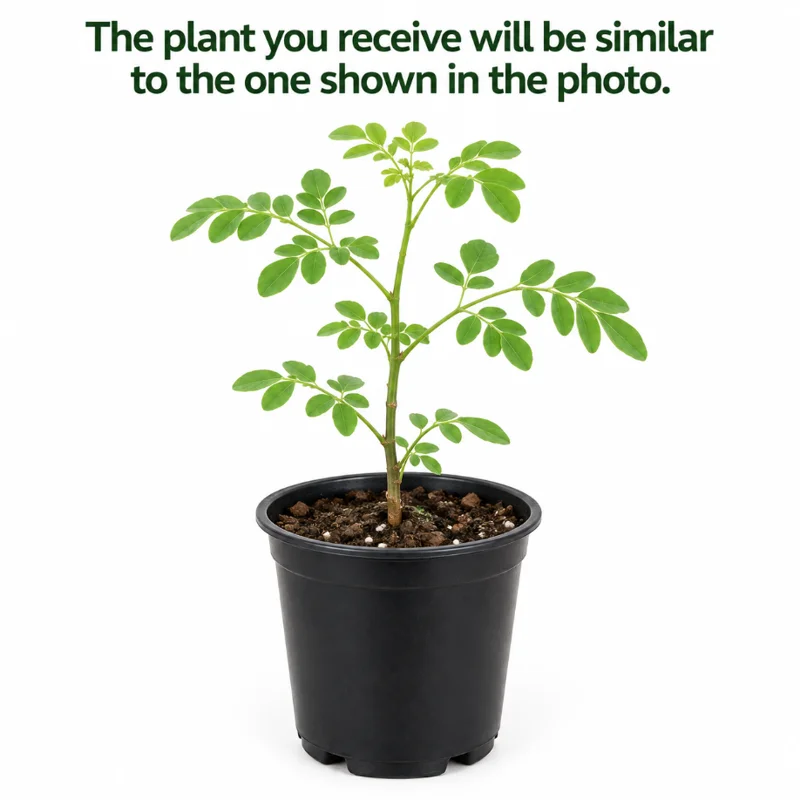
This moringa live plant is delivered in a sturdy 4-inch nursery pot, providing a healthy root system ready for transplanting. At arrival, the plant typically stands between 6-12 inches tall, though exact height may vary slightly based on growing conditions and time of year. The moringa oleifera tree is known for its rapid growth, often reaching several feet in its first year under optimal conditions. When mature, if left unpruned, it can grow into a substantial tree, but it responds very well to regular pruning, which encourages bushier growth and makes harvesting leaves easier. This makes it suitable for various garden sizes and even container growing on patios or indoors near a sunny window.
The plant is shipped with care to minimize stress during transit, ensuring it arrives in excellent condition. Expect to see new growth quickly after transplanting and settling into its new environment. With proper care, your moringa live plant will develop into a productive and beautiful addition to your home. It’s an ideal choice for anyone looking to enjoy the many benefits of moringa.
Frequently Asked Questions
- Q: What size pot does this moringa live plant come in? A: This moringa live plant arrives in a standard 4-inch nursery pot, providing a good starting size for easy transplanting into a larger container or directly into your garden bed.
- Q: How tall is the moringa plant when it arrives? A: Typically, the moringa live plant will be between 6 to 12 inches tall upon arrival, depending on the current growing cycle and specific plant. It is a young, healthy seedling ready for further growth.
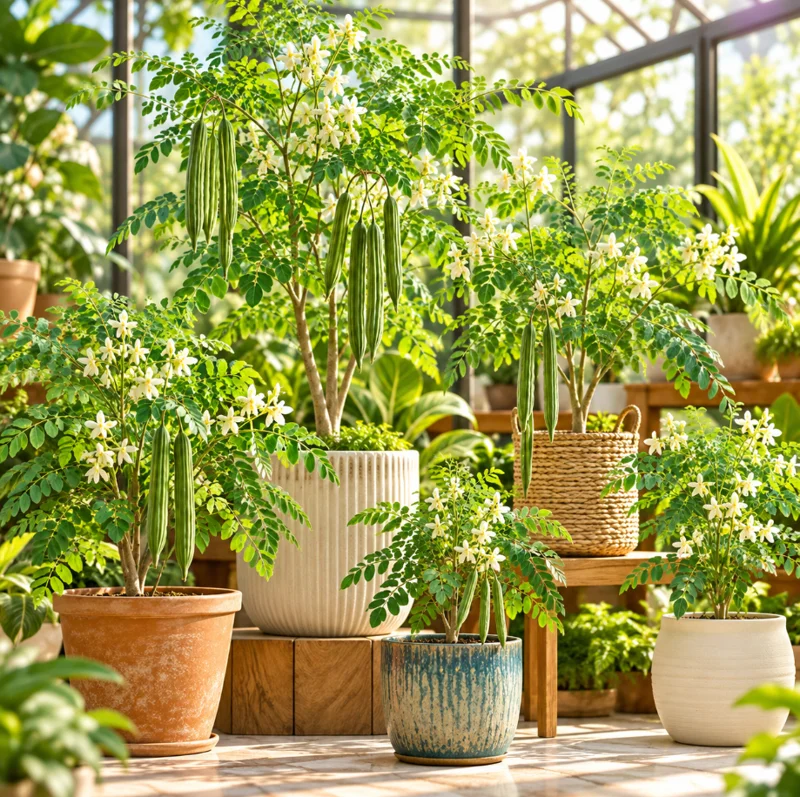
- Q: Is this an indoor or outdoor plant? A: The moringa oleifera tree can be grown both indoors and outdoors. In USDA zones 9-11, it thrives outdoors year-round. In colder climates, it can be grown as an annual or overwintered indoors as a potted plant near a sunny window.
- Q: How much sunlight does a moringa live plant need? A: Moringa requires at least 6-8 hours of direct sunlight daily to grow optimally. If growing indoors, ensure it receives bright, direct light, possibly supplemented with a grow light.
- Q: Is this plant easy to care for? A: Yes, the moringa oleifera tree is generally considered easy to care for, especially once established. It’s known for its resilience and drought tolerance, making it suitable for beginners and experienced gardeners alike. Following a simple moringa care guide will ensure success.
- Q: What condition will the plant arrive in? A: Your moringa live plant will be carefully packaged to ensure it arrives healthy and in good condition, ready to be planted. We take measures to protect it during transit.
- Q: Can I use moringa leaves in cooking? A: Absolutely! The leaves of the moringa oleifera tree are highly nutritious and can be used fresh in salads, smoothies, and juices, or cooked like spinach. They are a versatile superfood.
- Q: When is the best time to plant moringa? A: The best time to plant your moringa live plant outdoors is after the last frost, when soil temperatures have warmed up. If growing indoors, it can be planted any time of year.
- Q: What are the benefits of moringa? A: The benefits of moringa include its rich nutritional content (vitamins, minerals, antioxidants), rapid growth, versatility in culinary use, and its ability to thrive in challenging conditions. Many people grow moringa at home for its health advantages.
- Q: How often should I water my moringa plant? A: Water thoroughly when the top inch of soil feels dry. Reduce frequency for established plants, allowing soil to dry out between waterings. Avoid waterlogging.
Be the first to review “Moringa Live Plant in a 4 Inch Pot, Moringa Oleifera Tree for Home Garden Planting”
Related products


You May Like

Hardneck vs. Softneck Garlic: Which Should You Grow?
Have you ever stood in front of a seed catalog in mid-September, staring at dozens [...]
Oct

When to Plant Music Garlic: Ultimate US Fall Guide
Have you ever spent your fall weekend placing carefully chosen garlic cloves into rich, dark [...]
1 Comment
Oct

5 Best Bulbs for Fall Planting: Brighten Your Garden This Spring
Are you dreaming of a garden full of vibrant colors in the spring? The key [...]
Aug

10 Houseplants That Will Thrive in Your Kitchen
Are you tired of your kitchen feeling dull and lifeless? Want to add a little [...]
1 Comment
Aug
Reviews
There are no reviews yet.