
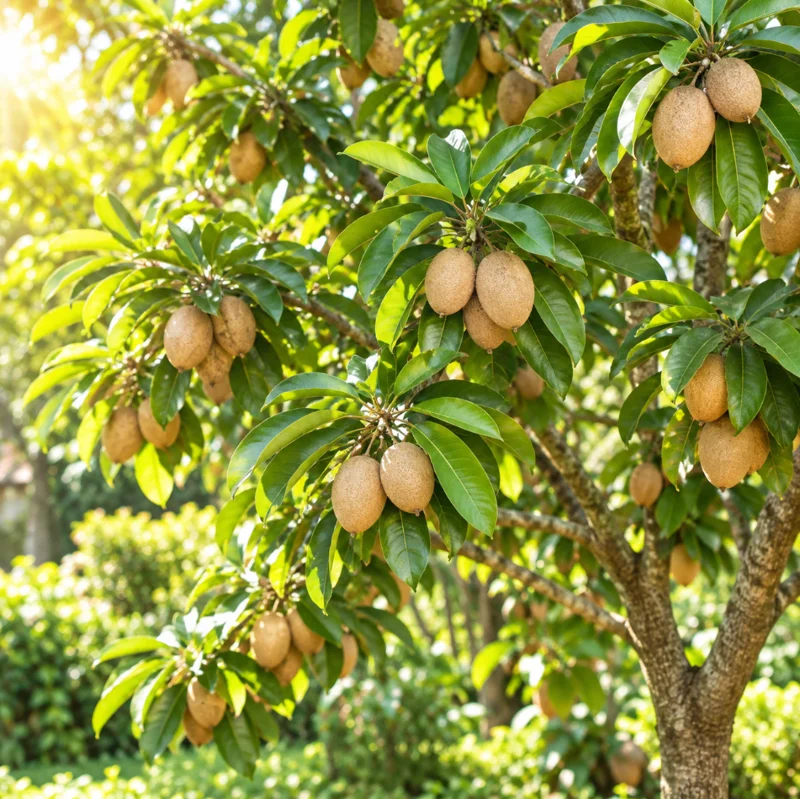
Sapodilla Plant Live in a 4 Inch Pot, Sapodilla Fruit Tree for Home Garden Planting
Original price was: 46.99 $.26.99 $Current price is: 26.99 $.
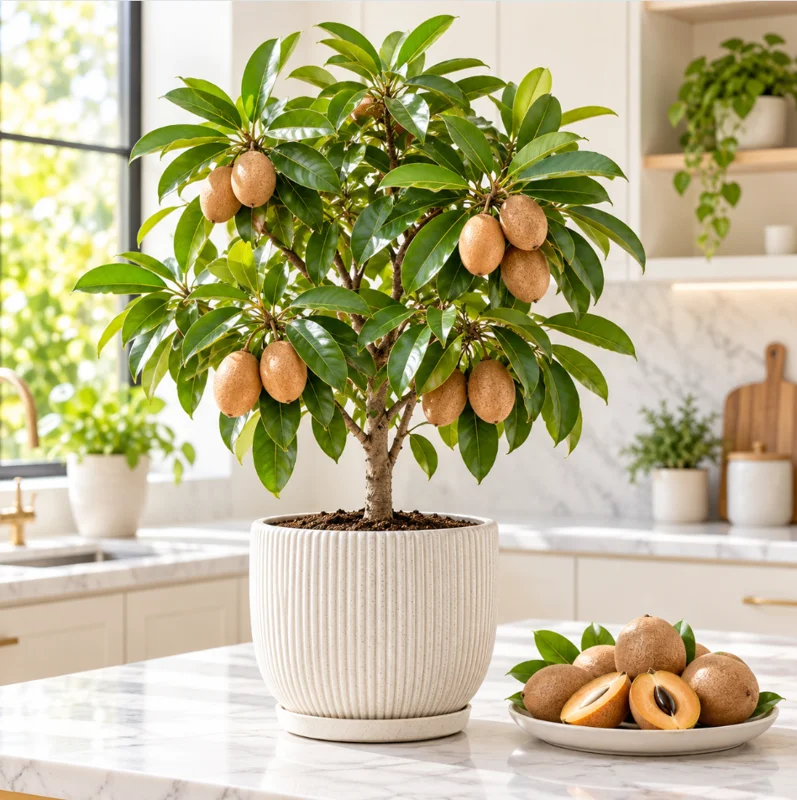
Cultivate your own tropical harvest with this sapodilla live plant, a fantastic addition to any home garden. This young sapodilla fruit tree comes in a 4-inch pot, ready for planting, and promises sweet, delicious fruit once mature. Enjoy the unique flavor of homegrown sapodillas.
Estimated arrival
Oct 14
Oct 19 - Oct 21
Oct 21 - Oct 26
See our Shipping Policy.
Get in touch with us via email, and our team will review your concerns.
Our Alive & Thrive Guarantee covers issues with your plants within the first 30 days. Read our Refund & Returns Policy.
-
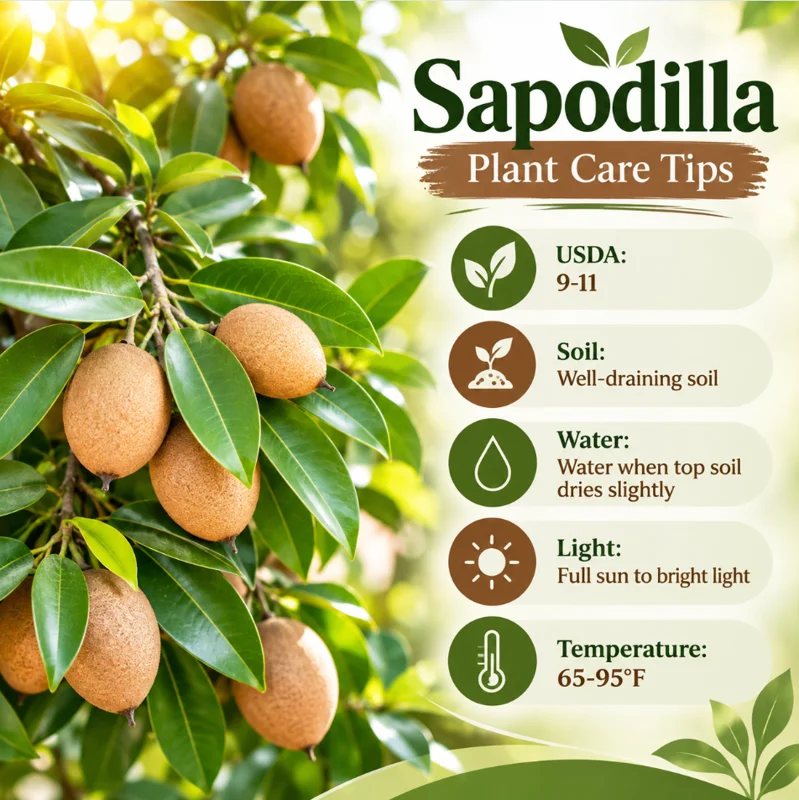
USDA Hardiness Zone
USDA zones 9–11 -
Soil Type
Well-draining, rich loam -
Sunlight Exposure
Full sun -
Expected Planting Period
Spring to early summer (or year-round indoors)
Overview
Bring the tropics to your backyard or patio with our premium sapodilla live plant. This young, vigorous tree, scientifically known as Manilkara zapota, is ready to thrive in your home garden. Originating from southern Mexico, Central America, and the Caribbean, the sapodilla is cherished for its exceptionally sweet, malty, and pear-like fruit. Our sapodilla live plant arrives in a convenient 4-inch nursery pot, perfectly sized for transplanting into a larger container or directly into the ground in suitable climates. Imagine harvesting your own fresh, ripe sapodillas, a true culinary delight that’s rich in vitamins and fiber. This resilient fruit tree is a rewarding choice for both novice and experienced gardeners looking to expand their edible landscape.
The sapodilla, also known as chico, chiku, or naseberry, is a slow-growing, long-lived evergreen tree that can reach considerable heights in its native habitat but can be managed to a smaller size in cultivation, especially when grown in pots. Its attractive foliage and delicious fruit make it a dual-purpose plant, offering both ornamental beauty and a bountiful harvest. Growing a sapodilla fruit tree at home allows you to enjoy the freshest possible fruit, free from commercial handling and ripening agents. Get ready to embark on a journey of tropical fruit cultivation with this exquisite addition to your garden.
Key Benefits
Adding a sapodilla live plant to your garden offers numerous advantages, from delicious fruit to ornamental appeal. This tropical gem provides a unique gardening experience and a healthy yield.
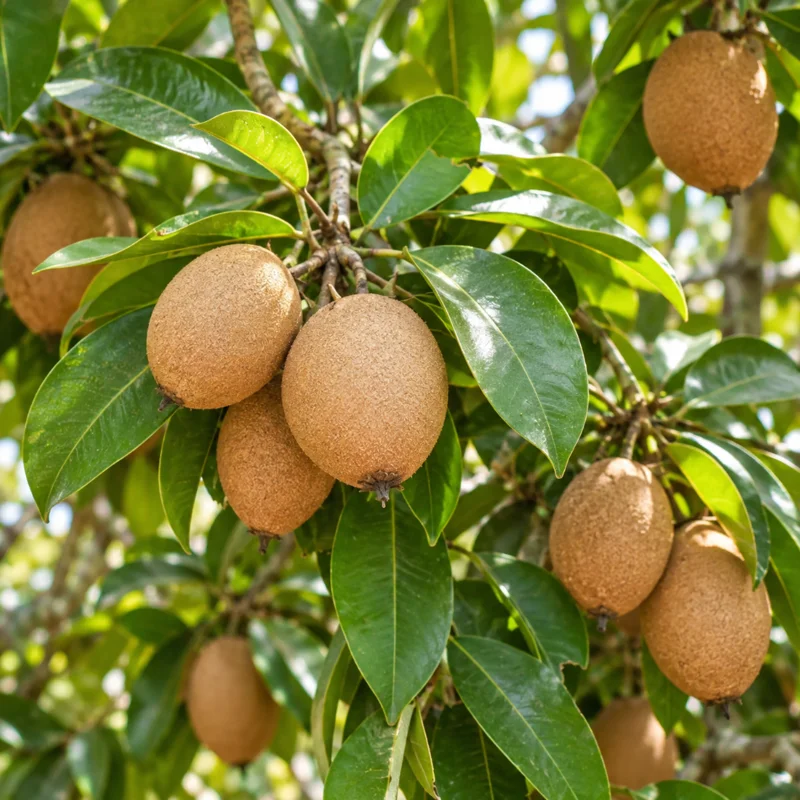
- Delicious, Nutritious Fruit: Enjoy the rich, sweet, and malty flavor of homegrown sapodillas. These fruits are packed with vitamins A and C, dietary fiber, and antioxidants, making them a healthy and delicious snack directly from your tree.
- Ornamental Value: The sapodilla tree features attractive, glossy green leaves that provide year-round beauty. It can serve as a lovely specimen tree or a unique addition to your edible landscape, enhancing the aesthetic appeal of your outdoor space.
- Rewarding Growing Experience: Cultivating your own tropical fruit is incredibly satisfying. Watching your sapodilla fruit tree grow from a young plant to a fruit-bearing specimen is a rewarding journey for any gardener.
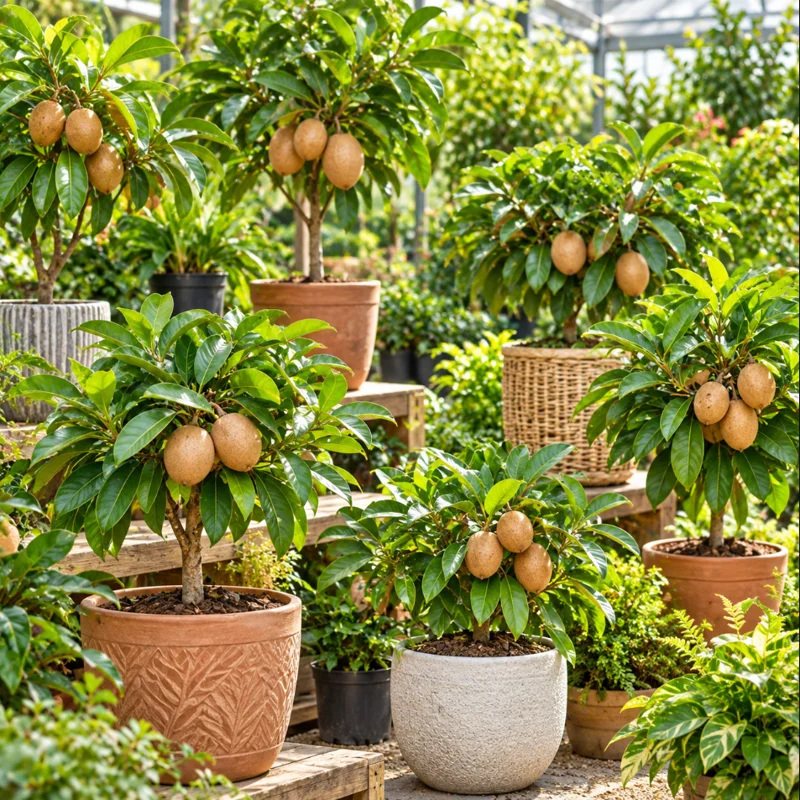
- Adaptable to Containers: While it can grow large in the ground, the sapodilla adapts well to container growing, making it suitable for patios, balconies, or climates where it needs to be brought indoors during colder months. This flexibility allows more gardeners to successfully grow sapodilla.
- Long-Lived and Productive: Sapodilla trees are known for their longevity and can produce fruit for many years, offering a sustainable source of delicious tropical produce for your family.
- Unique Flavor Profile: The unique taste of sapodilla fruit, often described as a blend of brown sugar, pear, and caramel, is a delightful treat not commonly found in regular grocery stores, providing an exotic touch to your diet.
Plant Care & Growing Tips
To ensure your sapodilla live plant thrives and produces abundant fruit, proper care is essential. Sapodillas prefer warm, tropical to subtropical climates and can be grown in USDA Hardiness Zones 9-11. In cooler zones, they can be grown in containers and moved indoors during winter. They require a location with full sun, meaning at least 6-8 hours of direct sunlight per day. Adequate light is crucial for fruit production and overall tree health. While young plants might appreciate some afternoon shade in extremely hot climates, mature trees generally prefer full sun.
Watering should be consistent, especially during dry periods and when the tree is young. Aim to keep the soil consistently moist but not waterlogged. Good drainage is paramount; sapodillas do not tolerate soggy feet. Once established, they are moderately drought-tolerant but will produce better fruit with regular irrigation. For soil, a well-draining, rich loam is ideal. A slightly acidic to neutral pH (6.0-7.0) is preferred. Amend heavy clay soils with organic matter to improve drainage, and sandy soils to improve water retention. Fertilize your sapodilla fruit tree with a balanced, slow-release fertilizer formulated for tropical fruit trees, starting in early spring and continuing through the growing season. Follow package instructions for application rates.
Protect young trees from strong winds, which can damage tender branches. Pruning is generally minimal, focused on shaping the tree, removing dead or diseased branches, and maintaining a manageable size for harvesting. Pests like scale insects, mealybugs, and fruit flies can occasionally be an issue; inspect your tree regularly and treat promptly with appropriate organic or chemical controls. Understanding sapodilla care will lead to a healthy and productive tree. This evergreen tree is generally quite hardy once established, making it a rewarding choice for the home gardener interested in tropical fruits. For those looking to grow sapodilla, patience will be rewarded with delicious, unique fruit.
Size & Details
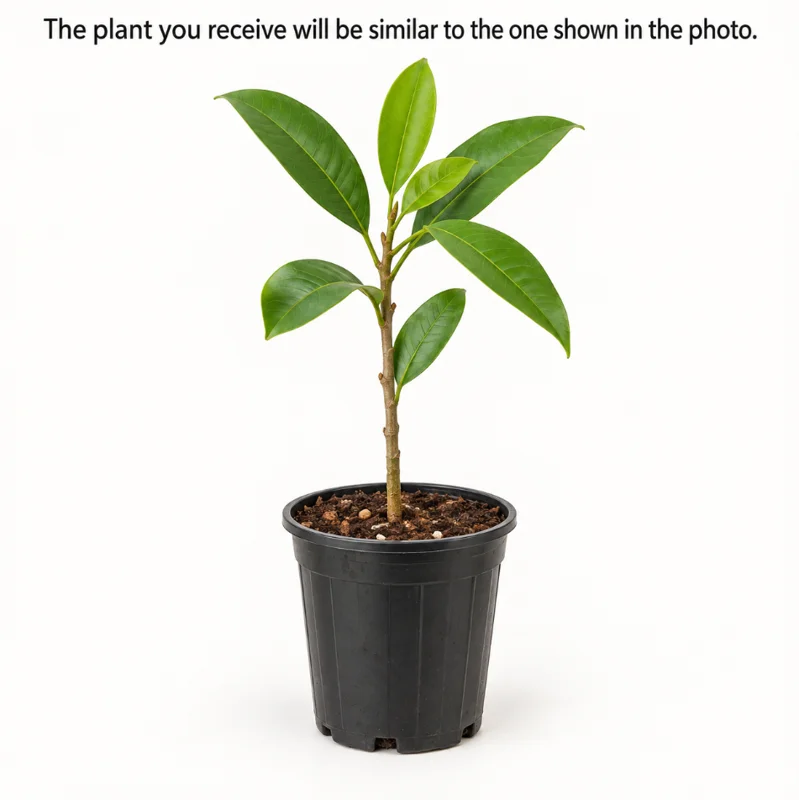
This sapodilla live plant arrives as a healthy, young specimen in a 4-inch nursery pot. The plant’s height will typically range from 6 to 12 inches tall upon arrival, depending on growth stage and variety. It is well-rooted and ready for transplanting into a larger container or directly into your garden. Sapodilla trees are slow to moderate growers; in optimal conditions, they can grow several feet per year, eventually reaching heights of 20-60 feet if not pruned. When grown in containers, their size can be managed through pruning, often keeping them to a more compact 6-15 feet, making them suitable for patio culture.
The plant is shipped with its roots and soil intact within the nursery pot to minimize transplant shock and ensure a smooth transition to its new home. Expect the first fruits to appear within 3-6 years from planting, though this can vary based on growing conditions and care. The manilkara zapota is a resilient species, known for its longevity, providing many years of delicious fruit. This young tree is an excellent starting point for cultivating your very own tropical fruit supply.
Frequently Asked Questions
- Q: How big does this sapodilla plant get? A: Your sapodilla live plant arrives in a 4-inch pot, typically 6-12 inches tall. In the ground, sapodilla trees can grow 20-60 feet tall, but they can be maintained at 6-15 feet with pruning when grown in containers.
- Q: Is this an indoor or outdoor plant? A: The sapodilla is a tropical fruit tree best grown outdoors in USDA Zones 9-11. In cooler climates, it can be grown in a container and moved indoors to a sunny location during winter months to protect it from frost.
- Q: How much sunlight does it need? A: A sapodilla fruit tree requires full sun, meaning at least 6-8 hours of direct sunlight per day, for optimal growth and fruit production. Young plants might appreciate some afternoon shade in extremely hot climates.
- Q: Is this plant easy to care for? A: Sapodillas are considered moderately easy to care for once established. They require consistent watering, well-draining soil, and protection from frost. Proper sapodilla care ensures a healthy and productive tree.
- Q: What condition will it arrive in? A: Your sapodilla live plant will arrive well-packaged in its 4-inch nursery pot, with soil intact, to ensure it reaches you in healthy condition, ready for transplanting.
- Q: How long until it produces fruit? A: Typically, a sapodilla fruit tree grown from a young plant will start producing fruit within 3-6 years, though this can vary depending on growing conditions and specific care.
- Q: What’s the minimum temperature this plant can tolerate? A: Sapodilla trees are sensitive to frost. Mature trees can tolerate brief drops to around 28-30°F (-2 to -1°C), but young trees are more vulnerable. It’s best to protect them from temperatures below 32°F (0°C).
- Q: What kind of soil is best for growing sapodilla? A: The best soil for grow sapodilla is a well-draining, fertile loam with a slightly acidic to neutral pH (6.0-7.0). Good drainage is crucial to prevent root rot.
- Q: Can I grow this in a large pot on my patio? A: Yes, sapodillas adapt very well to container growing. Choose a large pot (at least 15-20 gallons for a mature plant) with good drainage, and ensure it receives plenty of sunlight. This allows you to move it indoors during cold weather.
- Q: What is the scientific name for sapodilla? A: The scientific name for sapodilla is Manilkara zapota.
Be the first to review “Sapodilla Plant Live in a 4 Inch Pot, Sapodilla Fruit Tree for Home Garden Planting”
Related products


You May Like

Hardneck vs. Softneck Garlic: Which Should You Grow?
Have you ever stood in front of a seed catalog in mid-September, staring at dozens [...]
Oct

When to Plant Music Garlic: Ultimate US Fall Guide
Have you ever spent your fall weekend placing carefully chosen garlic cloves into rich, dark [...]
1 Comment
Oct

5 Best Bulbs for Fall Planting: Brighten Your Garden This Spring
Are you dreaming of a garden full of vibrant colors in the spring? The key [...]
Aug

10 Houseplants That Will Thrive in Your Kitchen
Are you tired of your kitchen feeling dull and lifeless? Want to add a little [...]
1 Comment
Aug
Reviews
There are no reviews yet.