
Live Spanish Common Lavender Plant – Deep Purple Flowers – 6″ Tall in 5″ Pot – Full Sun
Original price was: 38.39 $.18.39 $Current price is: 18.39 $.
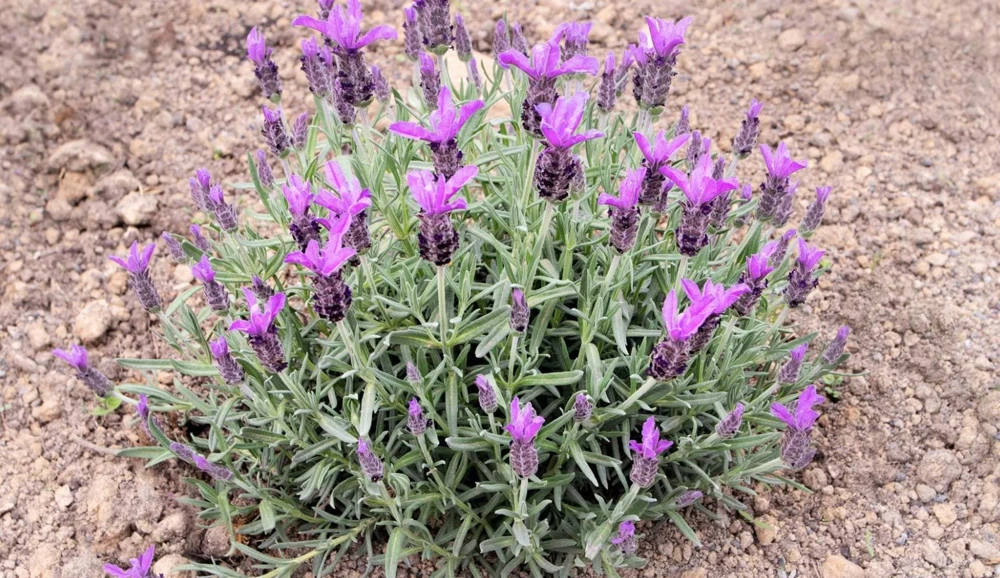
Bring the beauty and fragrance of the Mediterranean to your home with a Spanish Common Lavender live plant. This compact, deer-resistant herb features striking deep purple lavender blooms and aromatic foliage, thriving in full sun. Perfect for containers, herb gardens, or adding a touch of color and scent to your landscape.
Estimated arrival
Oct 19
Oct 24 - Oct 26
Oct 26 - Oct 31
See our Shipping Policy.
Get in touch with us via email, and our team will review your concerns.
Our Alive & Thrive Guarantee covers issues with your plants within the first 30 days. Read our Refund & Returns Policy.
-
USDA Hardiness Zone
USDA Zones 8-10 -
Soil Type
Well-drained, sandy or loamy soil -
Sunlight Exposure
Full sun -
Expected Planting Period
Spring to early summer
Overview
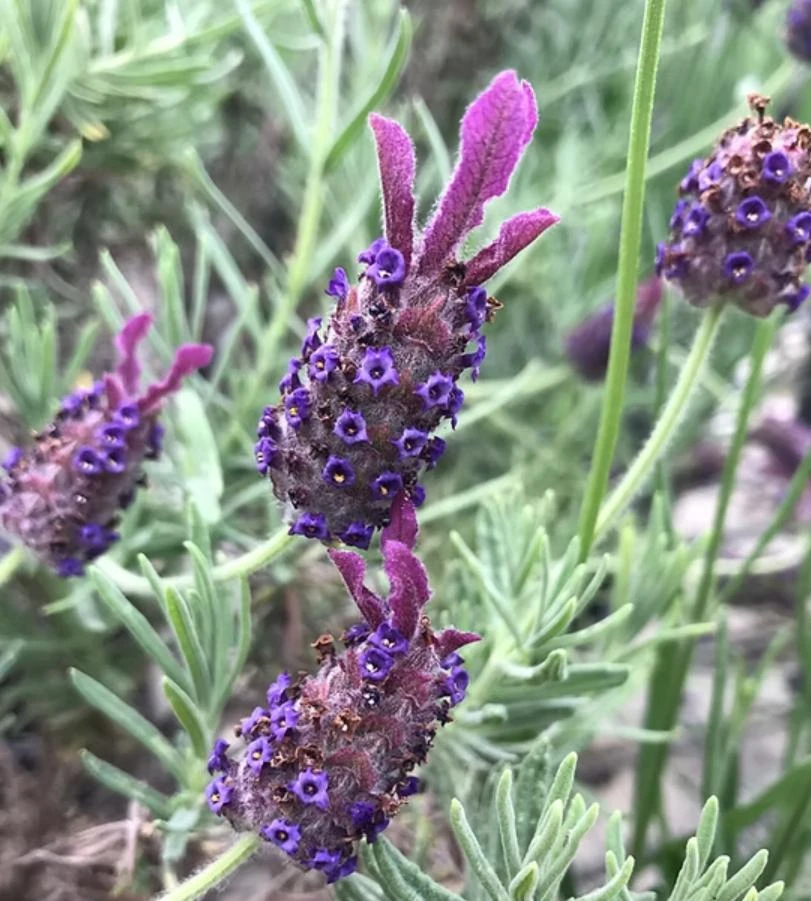
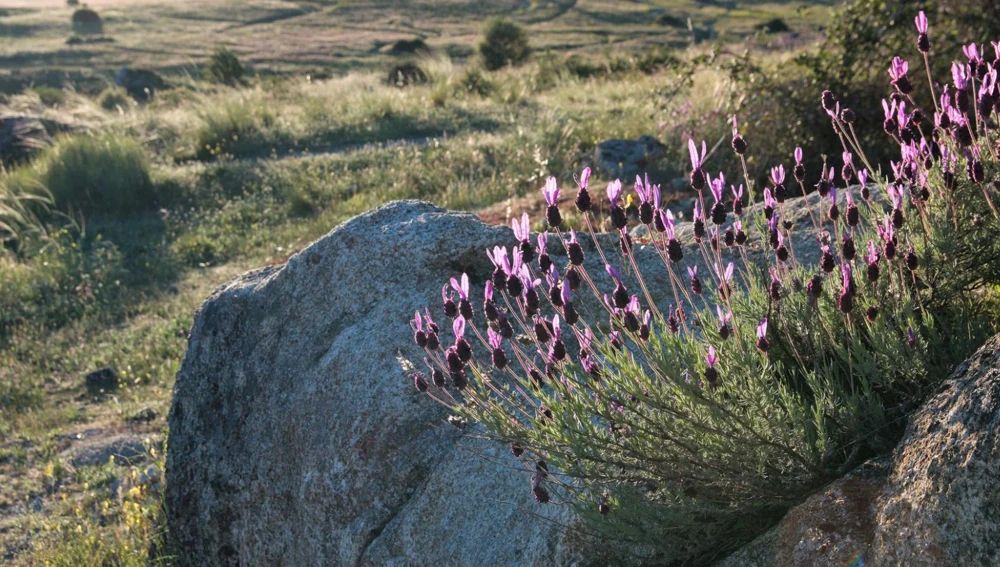
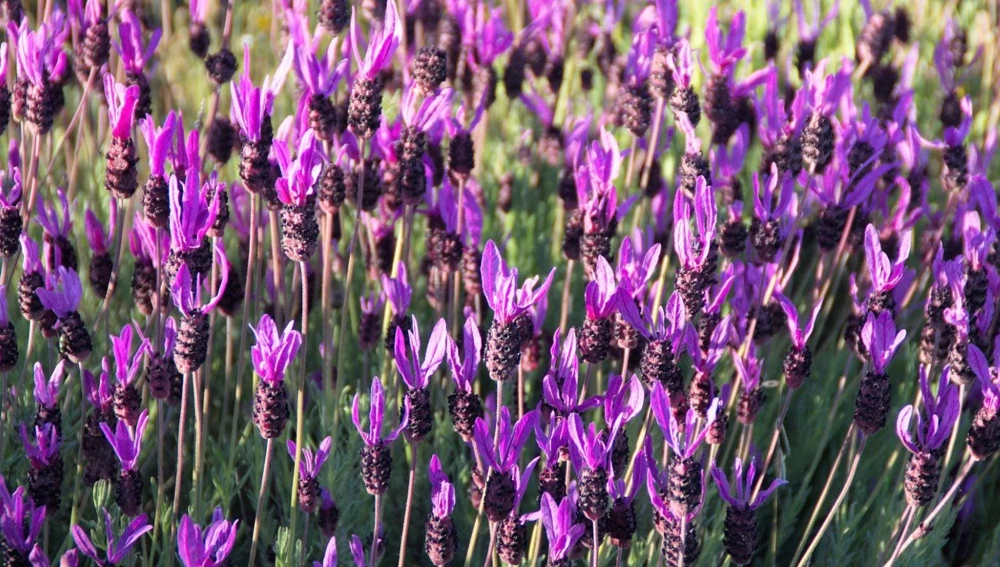
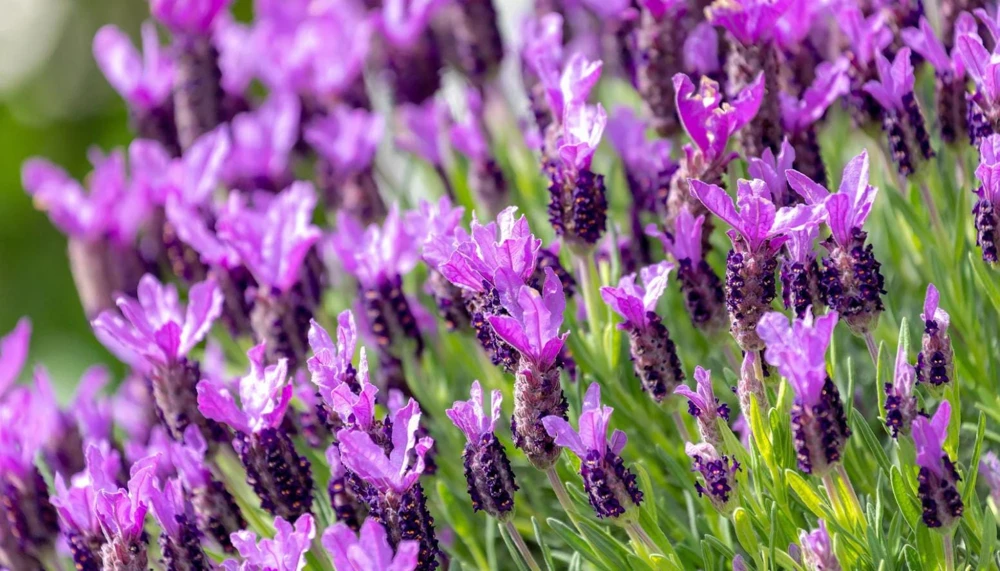
Discover the charm of the Mediterranean with our Spanish Common Lavender live plant (Lavandula stoechas). This exquisite flowering herb is celebrated for its distinctive deep purple, pinecone-like blooms topped with delicate bracts, creating a truly unique visual appeal. Known for its intense fragrance, the Spanish Common Lavender live plant is a perfect addition to any garden, patio, or indoor space receiving ample sunlight. Originating from the Mediterranean region, this plant is well-adapted to warm, sunny conditions and is a favorite among gardeners for its low maintenance requirements and vibrant presence. Whether you’re looking to create a fragrant herb garden, attract pollinators, or simply enjoy its beauty, this plant offers a delightful sensory experience.
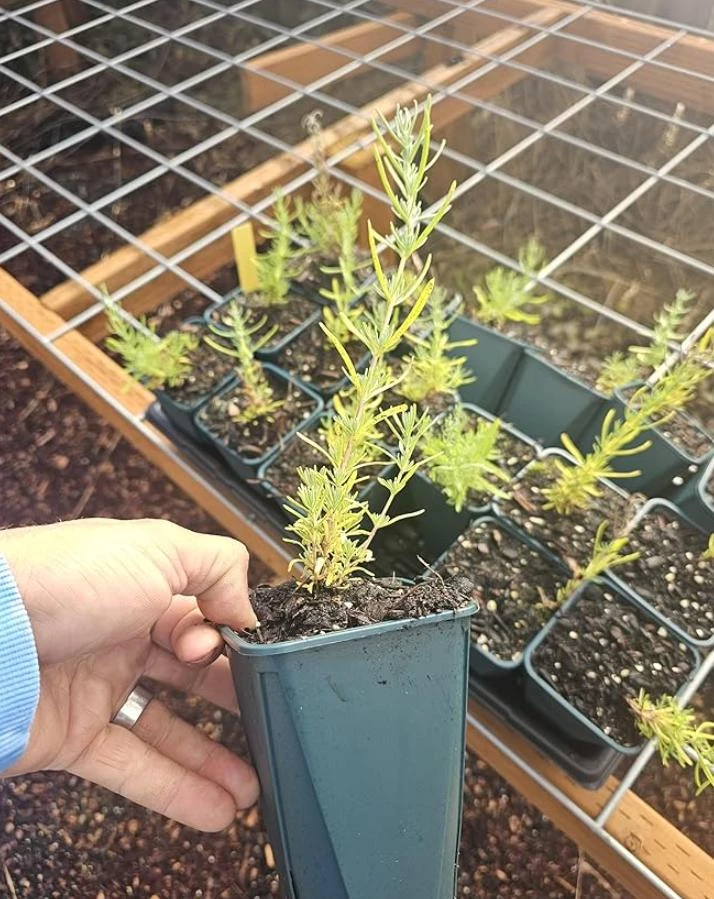
Each Spanish Common Lavender live plant arrives approximately 6 inches tall, meticulously grown in a 5-inch pot, ready to be transplanted into your desired location. Its compact growth habit makes it versatile for various landscaping designs, from borders and rock gardens to standalone container plantings. The aromatic foliage releases a soothing scent when brushed, making it an ideal choice for areas where you can enjoy its fragrance up close. This particular variety, Lavandula stoechas, is often referred to as ‘Butterfly Lavender’ due to the unique shape of its flowers, adding an extra layer of interest to its already captivating form.
Key Benefits
Adding a Spanish Common Lavender live plant to your home or garden offers a multitude of advantages, blending aesthetic appeal with practical benefits. Its robust nature and charming appearance make it a highly desirable choice for both novice and experienced gardeners.
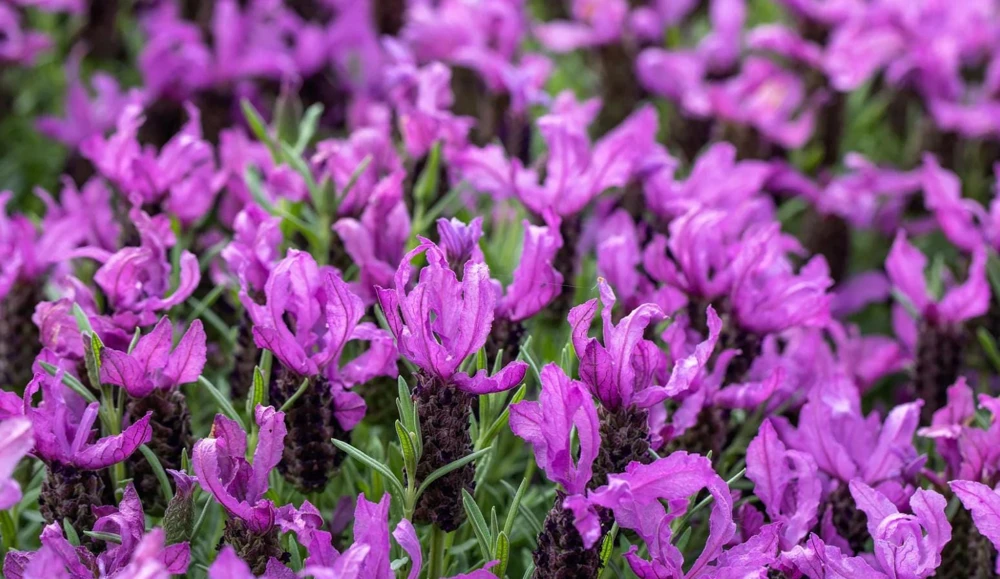
- Vibrant Deep Purple Blooms: Enjoy the striking, unique deep purple flowers that stand out in any garden setting. These blooms are not only beautiful but also long-lasting, providing continuous color throughout the growing season. The distinctive ‘ears’ atop the flower spikes add an elegant touch.
- Aromatic Fragrance: Fill your outdoor and indoor spaces with the classic, soothing scent of lavender. The aromatic foliage and flowers release a delightful perfume, perfect for creating a relaxing atmosphere or enhancing culinary dishes.
- Attracts Pollinators: The fragrant flowers are a magnet for bees, butterflies, and other beneficial pollinators, contributing to the health and biodiversity of your garden ecosystem. This makes it an excellent choice for a pollinator-friendly garden.
- Deer Resistant: A significant advantage for gardeners in areas with deer populations, this deer resistant lavender variety is generally left untouched by deer, ensuring your plant remains pristine and healthy. Its strong scent is a natural deterrent.
- Compact Growth Habit: Ideal for small spaces, containers, or edging, its compact size (typically 6 inches tall at shipment) allows for versatile placement in various garden designs. It maintains a neat and tidy appearance with minimal effort.
- Low Maintenance: Once established, Lavandula stoechas care is relatively straightforward, requiring minimal watering and pruning. This makes it a perfect plant for those seeking beauty without extensive upkeep.
- Versatile Use: Excellent for herb gardens, rock gardens, borders, container planting, or as a fragrant accent plant. Its adaptability allows it to thrive in diverse environments, enriching any landscape.
Plant Care & Growing Tips
Providing proper Lavandula stoechas care ensures your Spanish Common Lavender live plant thrives and produces abundant, fragrant blooms. Lavender generally prefers conditions that mimic its native Mediterranean habitat: plenty of sun and well-drained soil.
For optimal growth, plant your lavender in a location that receives at least 6-8 hours of full sun daily. Adequate sunlight is crucial for prolific flowering and strong fragrance. In hotter climates, some afternoon shade can be beneficial to prevent scorching, but generally, more sun is better. When it comes to watering, lavender is drought-tolerant once established. Allow the soil to dry out completely between waterings to prevent root rot, which is the most common issue for lavender. Overwatering is detrimental, so err on the side of underwatering rather than overwatering. Well-drained soil is paramount; sandy or loamy soils with good organic content are ideal. If your soil is heavy clay, amend it with grit or sand to improve drainage. Lavender prefers a slightly alkaline to neutral pH (6.5-7.5).
Fertilization should be minimal for lavender. An annual application of a balanced, slow-release fertilizer in spring is usually sufficient, or you can skip it entirely if your soil is moderately fertile. Excessive fertilization can lead to lush foliage but fewer flowers. Pruning is essential for maintaining the plant’s shape and encouraging continuous blooming. After the first flush of flowers, trim back spent blooms to promote new growth and additional flower spikes. A more substantial prune can be done in early spring, removing about one-third of the plant’s size to encourage bushiness and prevent it from becoming woody. This fragrant herb plant is hardy in USDA zones 8-10, but can be grown as an annual or overwintered indoors in colder climates. Protect from excessive moisture during cold months to prevent fungal diseases.
Size & Details
Each Spanish Common Lavender live plant you receive will be a healthy, well-rooted specimen, approximately 6 inches tall from the top of the soil line, and established in a 5-inch nursery pot. This size is ideal for immediate transplanting into larger containers or directly into your garden beds. The plant exhibits a compact, bushy growth habit, making it suitable for various planting schemes without overwhelming other plants. While it arrives at a manageable size, it will mature into a robust, aromatic shrub, typically reaching 1-2 feet in height and spread, depending on growing conditions and pruning.
The plant is shipped in its nursery pot with soil, ensuring it arrives with minimal stress and is ready for its new home. Expect a moderate growth rate, with blooms appearing from late spring through summer. The deep purple lavender flowers are a highlight, providing continuous color and fragrance. This deer resistant lavender variety is a long-lived perennial in suitable climates, offering years of beauty and sensory delight. Its resilience and adaptability make it a rewarding plant for gardeners of all skill levels.
Frequently Asked Questions
- Q: How big does this plant get? A: Your Spanish Common Lavender live plant will arrive approximately 6 inches tall in a 5-inch pot. When mature, it typically grows to about 1-2 feet tall and wide, depending on growing conditions and pruning.
- Q: Is this an indoor or outdoor plant? A: Spanish Common Lavender live plant thrives outdoors in full sun. While it can be brought indoors during winter in colder climates, it requires a very bright, sunny spot to do well.
- Q: How much sunlight does it need? A: This plant requires at least 6-8 hours of direct full sun daily to produce the best blooms and strongest fragrance. Less sunlight can result in leggy growth and fewer flowers.
- Q: Is this plant easy to care for? A: Yes, Lavandula stoechas care is considered relatively easy. Once established, it is drought-tolerant and requires minimal attention, making it suitable for beginners.
- Q: What condition will it arrive in? A: Your plant will arrive well-rooted in a 5-inch nursery pot, carefully packaged to ensure it reaches you in healthy, ready-to-plant condition.
- Q: How long until it blooms? A: Your Spanish Common Lavender live plant may already have buds or blooms upon arrival, or it will typically start flowering from late spring through summer, continuing for several months with proper deadheading.
- Q: Will it survive winter in my zone? A: This deer resistant lavender is hardy in USDA Zones 8-10. In colder zones, it can be grown as an annual or brought indoors to overwinter in a bright, cool location.
- Q: Can I use this lavender for culinary purposes? A: While Spanish Lavender is aromatic, its flavor is generally considered more camphoraceous than English Lavender. It is primarily grown for its ornamental beauty and fragrance, though some use it sparingly in potpourri or sachets.
- Q: What type of soil does it prefer? A: This fragrant herb plant prefers well-drained, sandy or loamy soil with a neutral to slightly alkaline pH. Good drainage is crucial to prevent root rot.
- Q: Is this a good plant for attracting pollinators? A: Absolutely! The vibrant, deep purple lavender flowers are highly attractive to bees, butterflies, and other beneficial insects, making it an excellent addition to a pollinator garden.
Be the first to review “Live Spanish Common Lavender Plant – Deep Purple Flowers – 6″ Tall in 5″ Pot – Full Sun”
Related products


You May Like

Hardneck vs. Softneck Garlic: Which Should You Grow?
Have you ever stood in front of a seed catalog in mid-September, staring at dozens [...]
Oct

When to Plant Music Garlic: Ultimate US Fall Guide
Have you ever spent your fall weekend placing carefully chosen garlic cloves into rich, dark [...]
1 Comment
Oct

5 Best Bulbs for Fall Planting: Brighten Your Garden This Spring
Are you dreaming of a garden full of vibrant colors in the spring? The key [...]
Aug

10 Houseplants That Will Thrive in Your Kitchen
Are you tired of your kitchen feeling dull and lifeless? Want to add a little [...]
1 Comment
Aug
Reviews
There are no reviews yet.