
2 Thimbleberry Live Plants – 3-4″ Tall, 5″ Pot, Native Berry Shrub, Edible Fruit
Original price was: 70.39 $.50.39 $Current price is: 50.39 $.
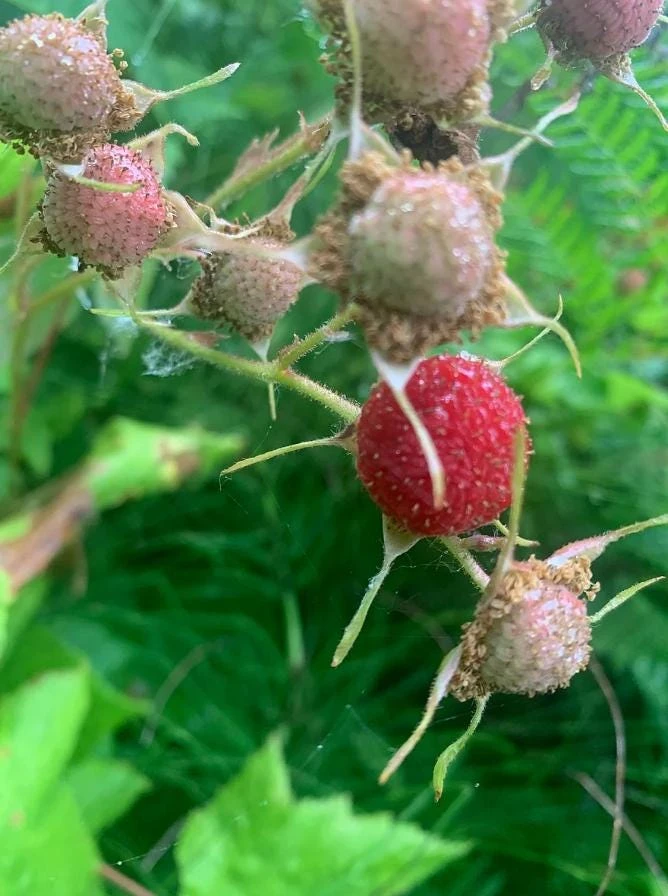
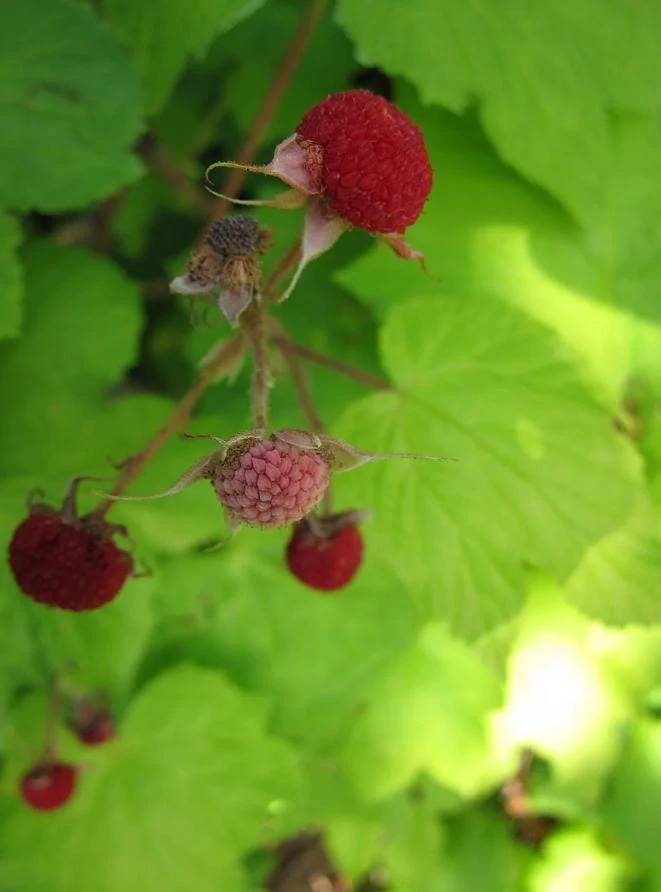
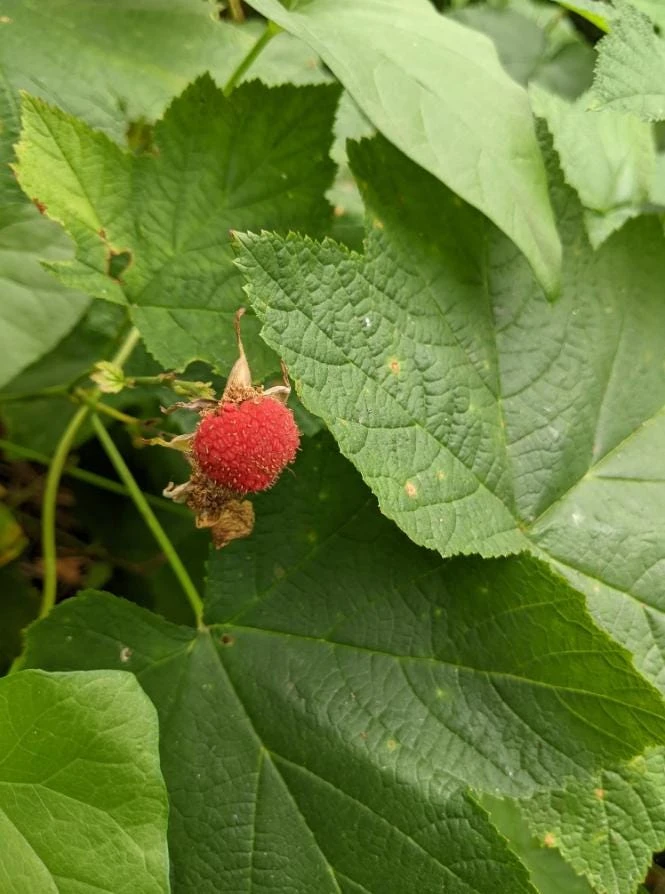
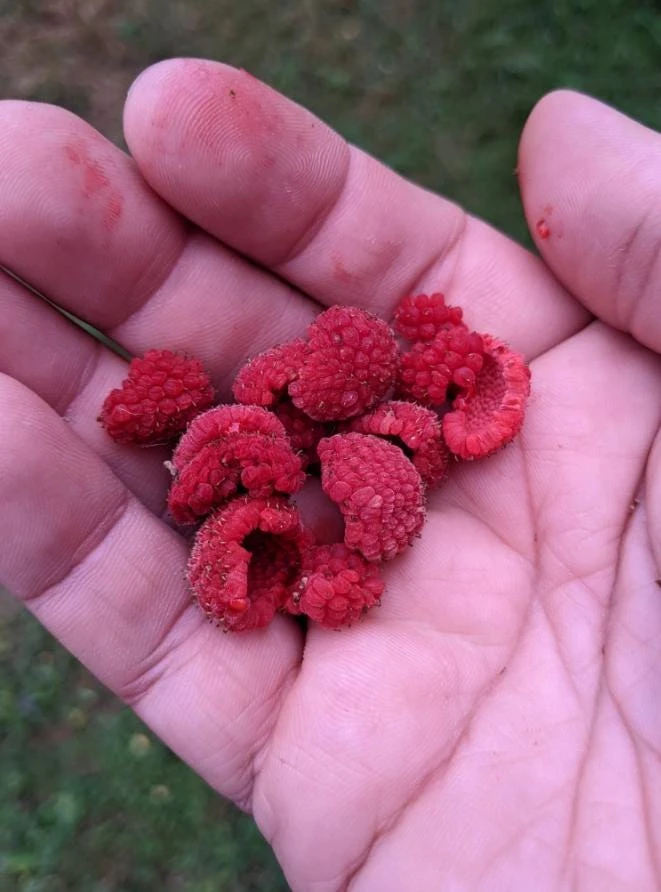
Bring a unique native touch to your garden with this thimbleberry live plant 2-pack. These deciduous shrubs feature large maple-like leaves and soft, edible fruit plant that thrive in partial to full shade. Perfect for a woodland garden plant.
Estimated arrival
Oct 19
Oct 24 - Oct 26
Oct 26 - Oct 31
See our Shipping Policy.
Get in touch with us via email, and our team will review your concerns.
Our Alive & Thrive Guarantee covers issues with your plants within the first 30 days. Read our Refund & Returns Policy.
-
USDA Hardiness Zone
USDA zones 3-8 -
Soil Type
Rich, organic, well-draining soil -
Sunlight Exposure
Partial shade to full shade -
Expected Planting Period
Spring to early fall
Overview
Introduce a delightful and productive native species to your landscape with this set of two thimbleberry live plant specimens. Scientifically known as Rubus parviflorus, the thimbleberry live plant is a charming deciduous shrub revered for its lush foliage and delectable berries. Originating from the diverse woodlands of North America, this plant is an excellent choice for gardeners seeking an easy-to-grow, wildlife-friendly addition. Each plant arrives approximately 3-4 inches tall in its own 5-inch nursery pot, ready to be transplanted into your chosen garden spot. These plants are ideal for creating a naturalized area or enhancing an existing woodland setting with their distinctive large, soft, maple-like leaves and the promise of sweet, red, edible fruit plant.
The thimbleberry live plant offers more than just beauty; it’s a hardy and adaptable shrub that contributes significantly to local ecosystems. Its unique berries, resembling thimbles, are a favorite for both humans and various wildlife, providing a seasonal bounty. This native species is also known for its resilience and ability to thrive in conditions that might challenge other berry-producing plants, making it a reliable choice for sustainable gardening. Whether you’re a seasoned gardener or just starting, adding a thimbleberry live plant to your collection is a rewarding experience.
Key Benefits
Cultivating a thimbleberry live plant brings a multitude of advantages to your garden and local environment. Its presence enhances biodiversity and provides ecological value. Here are some of the key benefits you’ll enjoy:
- Native & Adaptable: As a native berry shrub, Thimbleberry is perfectly suited to local climates, requiring less intervention and adapting well to various conditions. It integrates seamlessly into existing natural landscapes, promoting ecological balance.
- Edible & Delicious Berries: The plant produces soft, sweet red berries that are not only a treat for humans but also a vital food source for birds and other wildlife. Growing your own edible fruit plant ensures a fresh, organic harvest.
- Shade Tolerance: Unlike many fruit-bearing plants that demand full sun, Thimbleberry thrives in partial to full shade, making it an excellent choice for understory planting or shaded garden corners where other plants might struggle.
- Attractive Foliage: Its large, soft, maple-like leaves provide a lush, ornamental texture throughout the growing season, adding significant visual appeal to your garden even when not fruiting.
- Wildlife Attractor: The berries attract a variety of birds and small mammals, while its flowers provide nectar for pollinators, contributing to a vibrant and healthy garden ecosystem. This makes it an excellent choice for a woodland garden plant.
- Low Maintenance: Once established, this native berry shrub is relatively low-maintenance, requiring minimal care compared to many cultivated fruit plants. Its natural hardiness reduces the need for extensive pruning or pest control.
- Erosion Control: Its robust root system can help stabilize soil on slopes and in other areas prone to erosion, making it a functional as well as beautiful plant.
Plant Care & Growing Tips
Caring for your thimbleberry live plant is straightforward, especially given its native hardiness. These deciduous perennial shrubs prefer specific conditions to flourish and produce abundant berries. For optimal growth, transplant your thimbleberry live plant into a location that receives partial to full shade. While it can tolerate some sun, excessive direct sunlight, particularly in hot climates, can scorch its leaves. Aim for a spot with morning sun and afternoon shade, or dappled light throughout the day, mimicking its natural woodland habitat.
Watering is crucial, especially during the establishment phase and dry spells. The thimbleberry live plant prefers consistently moist soil, but never waterlogged. Ensure good drainage to prevent root rot. Soil composition is vital; it thrives in rich, organic, well-draining soil. Amending your planting site with compost or other organic matter will significantly benefit its growth. Regarding feeding, a balanced fertilizer applied in early spring can support healthy growth and fruit production. However, as a native berry shrub, it’s not a heavy feeder and may not require frequent fertilization if planted in rich soil.
Pruning should be done after fruiting to remove old or weak canes, which encourages vigorous new growth and better berry production the following season. Thimbleberry is a cold-hardy native shrub, typically requiring no special winter protection in most climates. It’s important to note that these are young live specimens, and their size and appearance may vary slightly upon arrival. Photos often show mature plants for reference, so expect your shipped plants to be smaller starter sizes. Extra care is required during establishment after transplanting to help your rubus parviflorus settle into its new home.
Size & Details
This offering includes two individual thimbleberry live plant specimens, each grown in a 5-inch nursery pot. At the time of shipping, the plants will be approximately 3-4 inches tall. It is important to remember that pot size primarily reflects the development of the root system, rather than the exact height of the plant. The height provided is an approximate estimate for shipping purposes. These young plants are deciduous perennials, meaning they will lose their leaves in colder months and return with new growth in spring. Thimbleberry typically grows into a medium-sized shrub, reaching 3-6 feet in height and spread, forming an attractive clump. With proper care, you can expect these plants to mature and begin producing their characteristic soft red berries within a year or two, adding both beauty and an edible fruit plant to your garden for years to come. They are ideal for creating a naturalized area or as a woodland garden plant.
Frequently Asked Questions
- Q: How big does this thimbleberry live plant get? A: Thimbleberry plants typically grow to an average height and spread of 3-6 feet. They form a lovely, dense shrub with broad foliage.
- Q: What size pot does it come in? A: Each thimbleberry live plant is shipped in an individual 5-inch nursery pot, which provides ample space for its developing root system.
- Q: Is this an indoor or outdoor plant? A: The thimbleberry live plant is an outdoor plant, best suited for gardens, woodland edges, and naturalized landscapes. It is not typically grown as an indoor houseplant.
- Q: How much sunlight does it need? A: This native berry shrub thrives in partial shade to full shade. It prefers locations with morning sun and afternoon shade or dappled light throughout the day.
- Q: Is this plant easy to care for? A: Yes, Thimbleberry is considered a relatively easy-to-care-for plant, especially once established. As a native species, it’s quite resilient and requires less intensive care than many cultivated plants.
- Q: What condition will it arrive in? A: Your rubus parviflorus plants will arrive as young live specimens, approximately 3-4 inches tall in their 5-inch pots. They are carefully packed to ensure safe transit.
- Q: Is it shipped in soil? A: Yes, each thimbleberry live plant is shipped in its nursery pot with soil, ensuring the roots remain moist and protected during transit.
- Q: Can I eat the berries from this plant? A: Absolutely! The Thimbleberry produces soft, red, edible berries that are known for their delicate flavor. It’s a wonderful edible fruit plant for your garden.
- Q: When is the best time to plant? A: The best time to plant your thimbleberry live plant is typically in spring or early fall, allowing the plant sufficient time to establish its root system before extreme temperatures.
- Q: Will it survive winter in my zone? A: Thimbleberry is a cold-hardy native shrub. It is generally hardy across a wide range of USDA zones and typically requires no special winter protection in most climates where it naturally grows.
Be the first to review “2 Thimbleberry Live Plants – 3-4″ Tall, 5″ Pot, Native Berry Shrub, Edible Fruit”
Related products


You May Like

Hardneck vs. Softneck Garlic: Which Should You Grow?
Have you ever stood in front of a seed catalog in mid-September, staring at dozens [...]
Oct

When to Plant Music Garlic: Ultimate US Fall Guide
Have you ever spent your fall weekend placing carefully chosen garlic cloves into rich, dark [...]
1 Comment
Oct

5 Best Bulbs for Fall Planting: Brighten Your Garden This Spring
Are you dreaming of a garden full of vibrant colors in the spring? The key [...]
Aug

10 Houseplants That Will Thrive in Your Kitchen
Are you tired of your kitchen feeling dull and lifeless? Want to add a little [...]
1 Comment
Aug
Reviews
There are no reviews yet.