
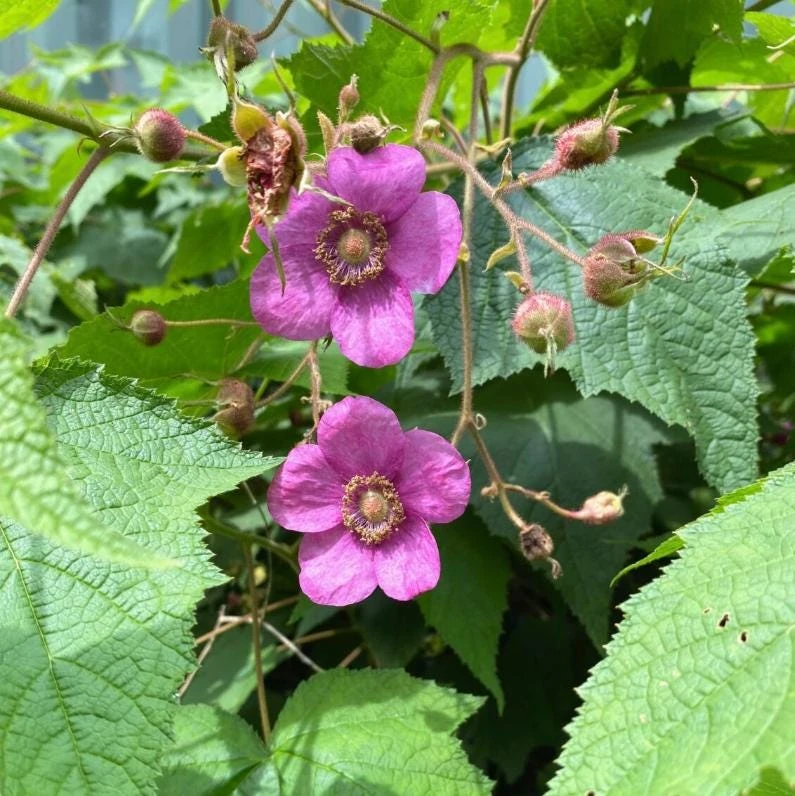
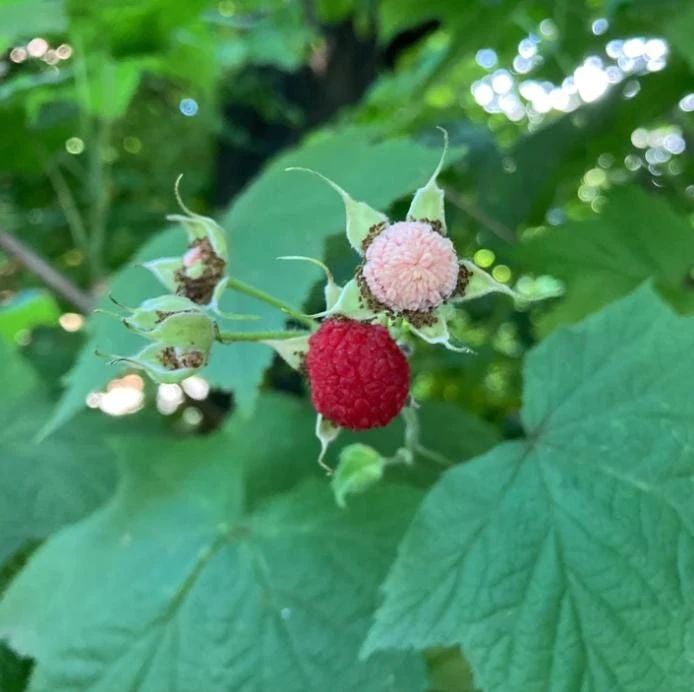
6 Thimbleberry Live Plants – Rubus parviflorus – 3-4″ Tall in 4″ Pots – Native Berry Shrub for Shade
Original price was: 179.99 $.159.99 $Current price is: 159.99 $.
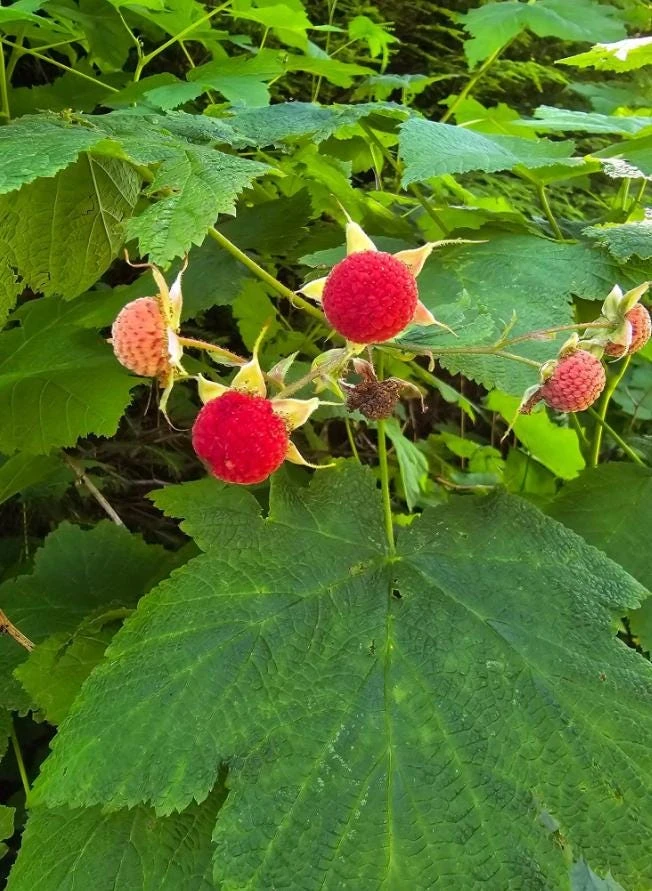
Cultivate a beautiful and productive garden with this 6-pack of thimbleberry live plant. These 3-4″ tall plants, in 4″ pots, grow into a lovely native berry shrub known for its soft, edible red berries and attractive maple-like foliage. Perfect for shaded areas and woodland gardens.
Estimated arrival
Oct 19
Oct 24 - Oct 26
Oct 26 - Oct 31
See our Shipping Policy.
Get in touch with us via email, and our team will review your concerns.
Our Alive & Thrive Guarantee covers issues with your plants within the first 30 days. Read our Refund & Returns Policy.
-
USDA Hardiness Zone
USDA Zones 3-8 -
Soil Type
Moist, well-draining, organic-rich soil -
Sunlight Exposure
Partial shade to full shade -
Expected Planting Period
Spring to early summer
Overview
Transform your garden into a thriving native habitat with this collection of six thimbleberry live plant specimens. Each plant arrives approximately 3-4 inches tall in its own 4-inch nursery pot, ready for transplanting. The thimbleberry, botanically known as Rubus parviflorus, is a highly valued deciduous shrub in North American ecosystems, prized for its delicate, soft red berries that are not only edible but also a favorite of local wildlife. This robust and attractive plant features large, velvety, maple-like leaves that create a lush, ornamental texture in any landscape. Ideal for those looking to add a productive and aesthetically pleasing native species, the thimbleberry live plant thrives in conditions where many other fruit-bearing plants struggle, making it an excellent choice for shadier spots in your garden.
Whether you’re establishing a woodland garden, enhancing a native plant landscape, or simply seeking a unique and rewarding fruiting shrub, these thimbleberry plants offer both beauty and bounty. They are cold-hardy and generally low-maintenance once established, providing years of enjoyment and ecological benefit. Embrace sustainable gardening by introducing this wonderful native berry shrub to your outdoor space, and look forward to its seasonal interest from its broad foliage to its summer fruit.
Key Benefits
Adding a thimbleberry live plant to your garden offers a multitude of advantages, from its ecological contributions to its ornamental appeal. These plants are a fantastic choice for gardeners seeking both beauty and utility in their landscape design.
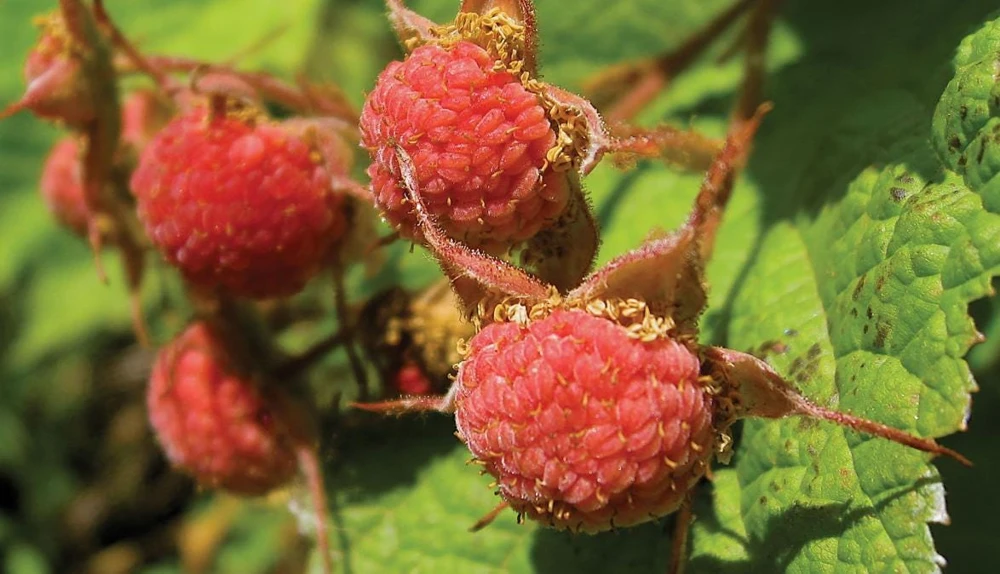
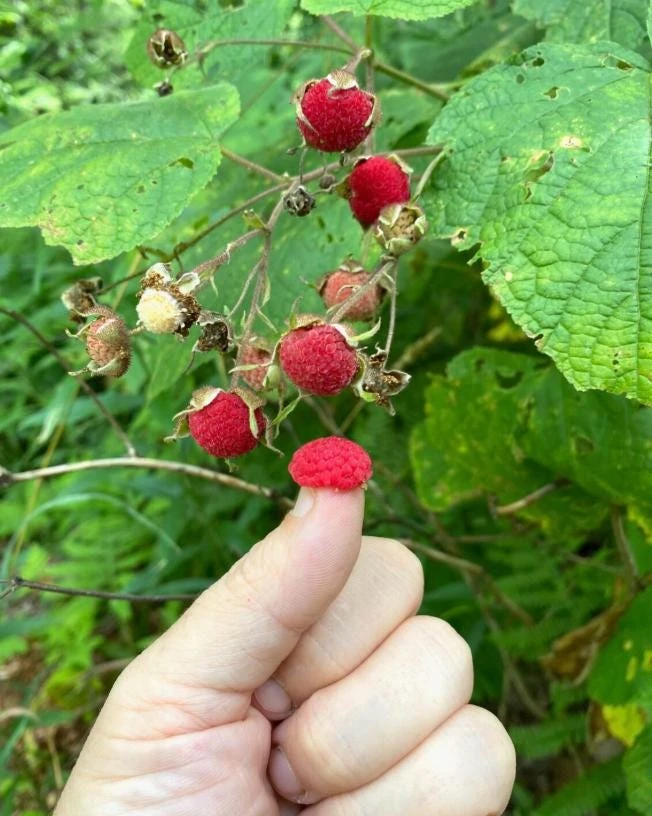
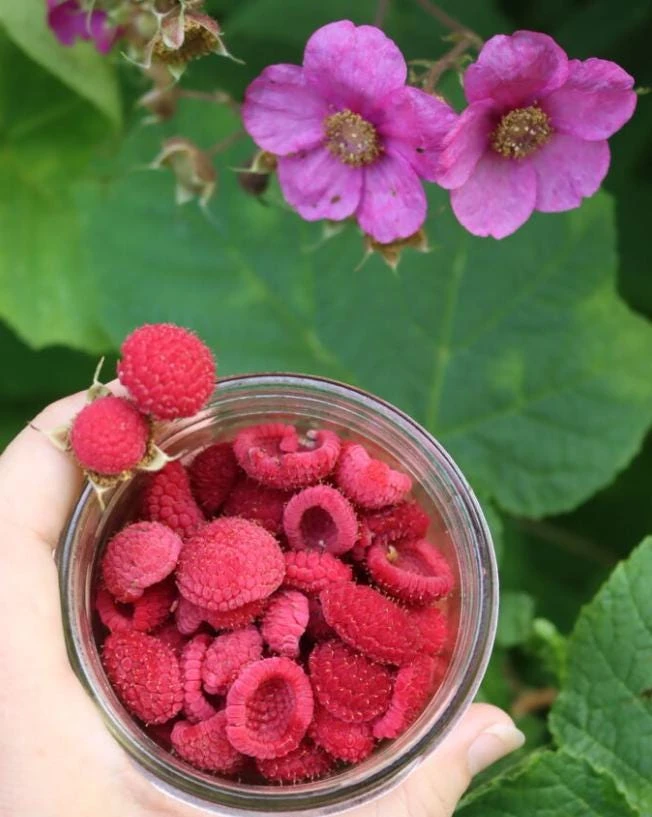
- Produces Edible Berries: Enjoy a seasonal harvest of soft, sweet, red thimbleberries directly from your garden. These delicate fruits are delicious fresh or can be used in jams and desserts, providing a unique culinary treat.
- Attracts Wildlife: The berries are a valuable food source for birds and small mammals, while the plant itself provides shelter, making your garden a haven for local fauna and enhancing biodiversity.
- Thrives in Shade: Unlike many fruiting plants, thimbleberry excels in partial to full shade, making it perfect for understory plantings, north-facing gardens, or areas beneath larger trees where other plants might struggle.
- Beautiful Ornamental Foliage: The large, soft, maple-like leaves add a lush, textural element to the landscape, providing year-round visual interest even when not in fruit.
- Native and Hardy: As a native species, it is well-adapted to local climates, requiring less intervention and being more resistant to regional pests and diseases. It’s a hardy deciduous perennial shrub.
- Low Maintenance: Once established, this native berry shrub is relatively easy to care for, requiring minimal pruning and general upkeep, making it suitable for both novice and experienced gardeners.
- Erosion Control: Its spreading root system can help stabilize soil on slopes and in other areas prone to erosion, contributing to the health of your garden ecosystem.
Plant Care & Growing Tips
Caring for your thimbleberry live plant is straightforward, especially since it is a native species well-suited to many North American environments. Understanding its preferences will ensure vigorous growth and abundant fruiting. Thimbleberries prefer a location that receives partial to full shade. While they can tolerate some morning sun, protection from intense afternoon sun is crucial, especially in warmer climates. They thrive in woodland-like settings where they receive dappled light or indirect sunlight throughout the day. Adequate moisture is key for these plants; they prefer consistently moist, well-draining soil. Avoid waterlogging, but do not let the soil dry out completely, particularly during establishment and dry spells. Regular watering, especially in the first year, will encourage a strong root system.
The ideal soil for a thimbleberry live plant is rich in organic matter, well-draining, and slightly acidic to neutral. Amending your soil with compost or other organic materials before planting will provide the nutrients and structure it needs. These plants are cold-hardy and typically require no special winter protection in most climates. They are generally hardy in USDA Zones 3-8. Fertilize in early spring with a balanced, slow-release fertilizer to support healthy foliage and berry production. Pruning is best done after fruiting to remove old or weak canes, which encourages new, vigorous growth and better air circulation. Watch out for common garden pests, though thimbleberries are generally quite resistant. Ensuring proper air circulation and avoiding overhead watering can help prevent fungal issues. This robust shade fruit plant will reward you with beauty and bounty with proper care.
Size & Details
This offering includes six individual thimbleberry live plant specimens, each carefully grown in its own 4-inch nursery pot. At the time of shipping, the plants will be approximately 3-4 inches tall, representing healthy young starter plants ready for transplanting into their permanent garden location. The 4-inch pot size refers to the container’s diameter, which indicates a well-established root system suitable for successful transplanting. Thimbleberry is a deciduous perennial shrub that typically grows to a mature height of 3-8 feet tall and spreads 3-6 feet wide, forming attractive thickets over time. Its growth rate is moderate, and you can expect it to establish well within the first year, with fruiting beginning in subsequent seasons. The plants are shipped in their pots with soil, ensuring minimal transplant shock and providing the best start for your new additions.
These plants are perfect for naturalized areas, woodland gardens, or as an understory planting. They will gradually increase in size and produce more berries as they mature, offering a long-term investment in your garden’s beauty and productivity. The large, soft leaves provide excellent ground cover and visual interest, especially in shaded areas. The first berries typically appear in summer, offering a delightful harvest. The ultimate size and spread can be managed with occasional pruning, making it adaptable to various garden sizes. This collection provides a substantial start to creating a thriving thimbleberry patch.
Frequently Asked Questions
- Q: How big does this plant get? A: A thimbleberry live plant typically grows to a mature height of 3-8 feet tall and spreads 3-6 feet wide, forming a dense shrub. Its size can be managed with pruning.
- Q: What size pot does it come in? A: Each thimbleberry plant is shipped in an individual 4-inch nursery pot, and the plants themselves are approximately 3-4 inches tall upon arrival.
- Q: Is this an indoor or outdoor plant? A: The thimbleberry is primarily an outdoor plant, best suited for garden landscapes, woodland settings, and native plant areas. It is not typically grown as a houseplant.
- Q: How much sunlight does it need? A: Thimbleberry thrives in partial shade to full shade. It prefers protection from intense afternoon sun, making it an ideal shade fruit plant for understory locations.
- Q: Is this plant easy to care for? A: Yes, once established, thimbleberry is relatively low-maintenance. As a native plant, it is well-adapted and generally hardy, making it suitable for gardeners of all experience levels.
- Q: What condition will it arrive in? A: Your plants will arrive as young, live specimens, approximately 3-4 inches tall, securely packaged in their 4-inch nursery pots with soil to ensure they are healthy and ready for transplanting.
- Q: Can I use thimbleberry in cooking? A: Absolutely! The soft red berries are edible and delicious, perfect for eating fresh, making jams, jellies, pies, or other desserts. They have a unique, delicate flavor.
- Q: How long until it produces berries? A: While the plants are young starters, you can typically expect your thimbleberry live plant to begin producing berries within 1-2 years after planting, with production increasing as the plant matures.
- Q: Will it survive winter in my zone? A: Thimbleberry is a cold-hardy native shrub, generally thriving in USDA Hardiness Zones 3-8. It typically requires no special winter protection in these climates.
- Q: What kind of soil does it prefer? A: This native berry shrub prefers moist, well-draining soil that is rich in organic matter. Amending your soil with compost will provide optimal growing conditions.
Be the first to review “6 Thimbleberry Live Plants – Rubus parviflorus – 3-4″ Tall in 4″ Pots – Native Berry Shrub for Shade”
Related products


You May Like

Hardneck vs. Softneck Garlic: Which Should You Grow?
Have you ever stood in front of a seed catalog in mid-September, staring at dozens [...]
Oct

When to Plant Music Garlic: Ultimate US Fall Guide
Have you ever spent your fall weekend placing carefully chosen garlic cloves into rich, dark [...]
1 Comment
Oct

5 Best Bulbs for Fall Planting: Brighten Your Garden This Spring
Are you dreaming of a garden full of vibrant colors in the spring? The key [...]
Aug

10 Houseplants That Will Thrive in Your Kitchen
Are you tired of your kitchen feeling dull and lifeless? Want to add a little [...]
1 Comment
Aug
Reviews
There are no reviews yet.