
Thimbleberry Live Plant – 4″ Pot, 1-Foot Tall – Edible Berries, Deciduous Shrub
Original price was: 46.39 $.26.39 $Current price is: 26.39 $.
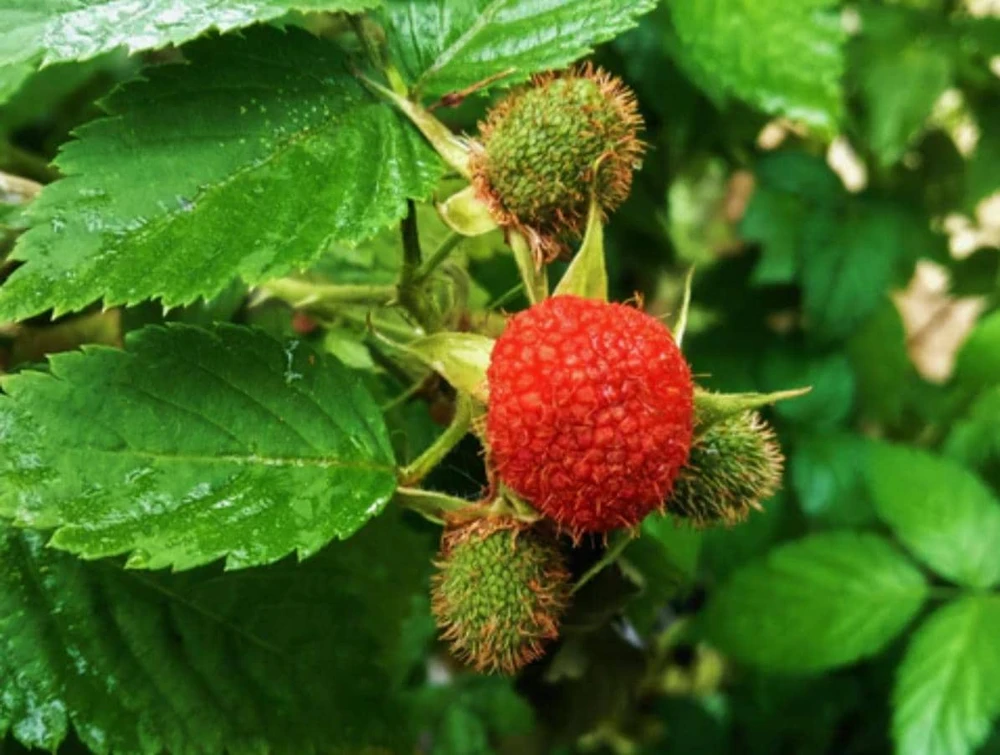
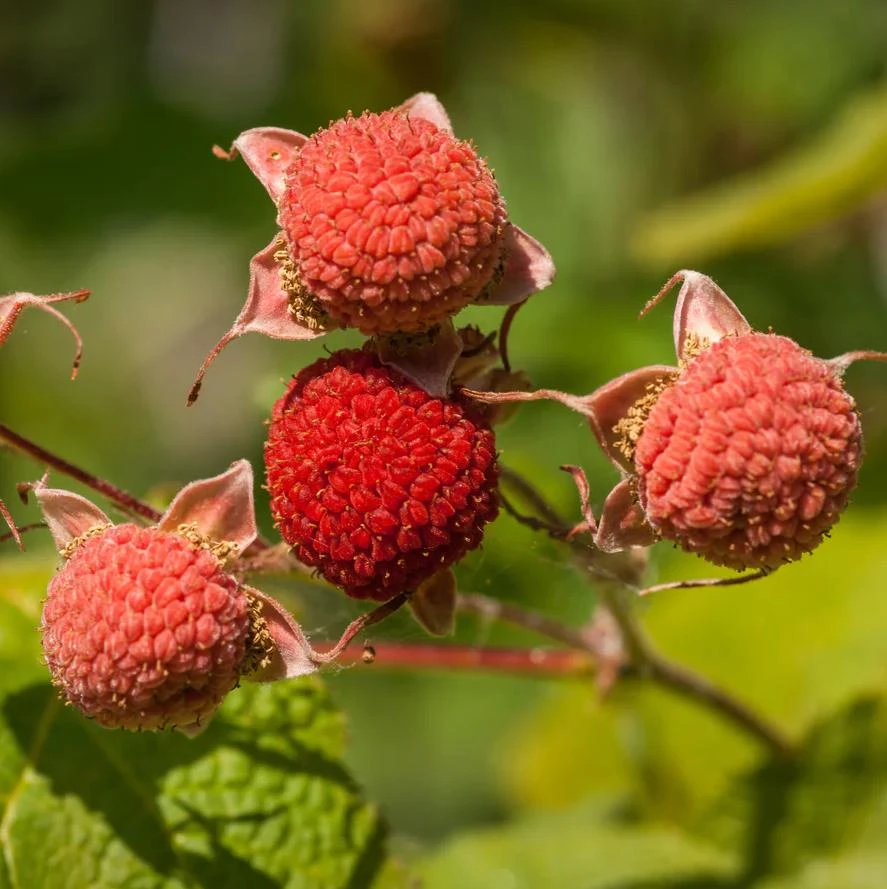
Bring a touch of native beauty and delicious flavor to your garden with this thimbleberry live plant. This 1-foot tall, 4-inch potted deciduous shrub produces sweet, red, raspberry-like fruits and attractive white flowers. Ideal for wildlife habitats, native gardens, and edible landscapes, it’s a thornless and easy-to-manage addition.
Estimated arrival
Oct 19
Oct 24 - Oct 26
Oct 26 - Oct 31
See our Shipping Policy.
Get in touch with us via email, and our team will review your concerns.
Our Alive & Thrive Guarantee covers issues with your plants within the first 30 days. Read our Refund & Returns Policy.
-
USDA Hardiness Zone
unknown -
Soil Type
Moist, well-drained, rich organic soil -
Sunlight Exposure
Partial shade to full sun -
Expected Planting Period
Spring to early fall
Overview
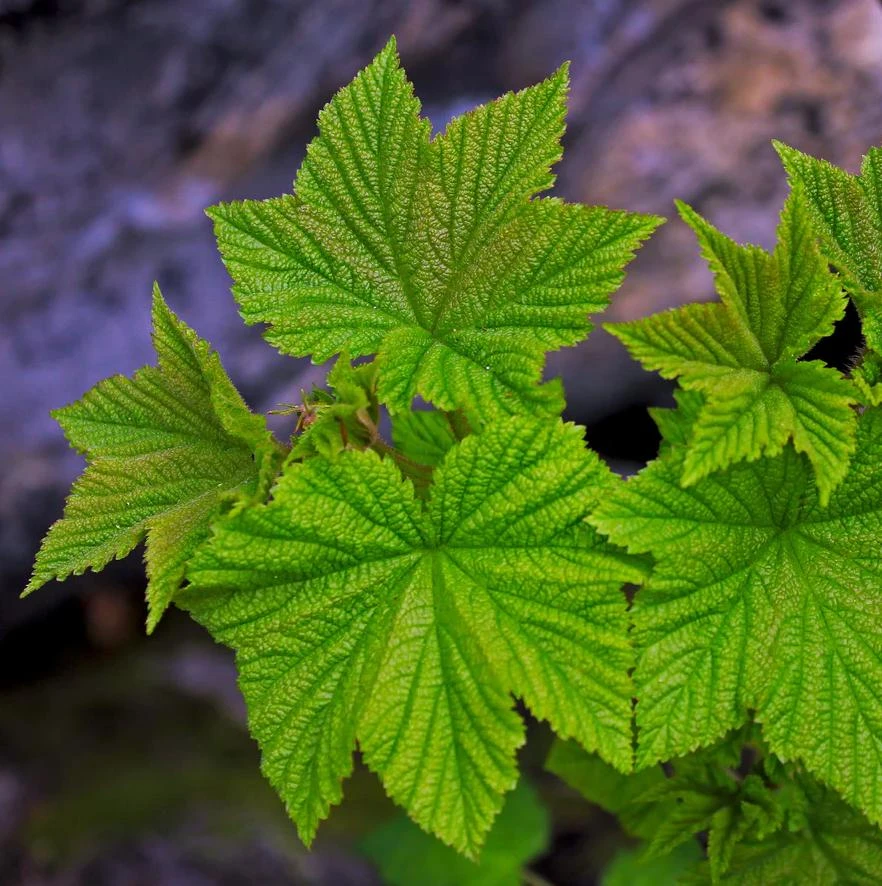
Welcome the delightful thimbleberry live plant into your garden. This thimbleberry live plant (Rubus parviflorus) is a cherished deciduous shrub native to North America, known for its striking large, soft maple-like leaves and its bounty of sweet, bright red fruits. Unlike many other berry plants, the thimbleberry is completely thornless, making harvesting and maintenance a pleasure. Each plant arrives in a 4-inch pot, standing approximately 1 foot tall, ready to thrive and become an established part of your outdoor space. It’s perfect for creating a naturalized area, enhancing a native garden, or providing a valuable food source for local wildlife, offering both aesthetic appeal and ecological benefits.
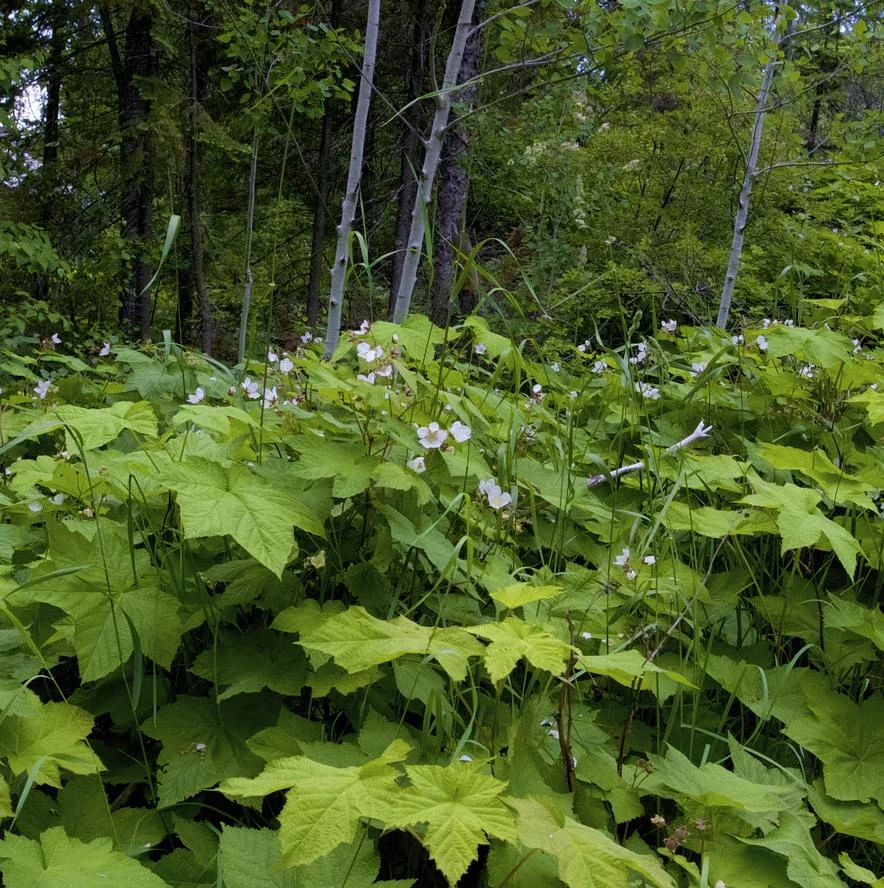
The Thimbleberry is not just a producer of delicious berries; it’s also a visually appealing shrub that adds structure and interest to any landscape. Its robust nature and adaptability make it an excellent choice for a variety of garden settings, from forest edges to more cultivated edible landscapes. The plant’s ability to spread via rhizomes means it can form natural patches over time, providing an abundant harvest and a lush green backdrop. This hardy plant is a testament to the beauty and resilience of native flora.
Key Benefits
Choosing a thimbleberry live plant offers a multitude of advantages for both gardeners and the environment, making it a truly rewarding addition to your landscape. Its unique characteristics provide enjoyment and ecological support throughout the seasons.
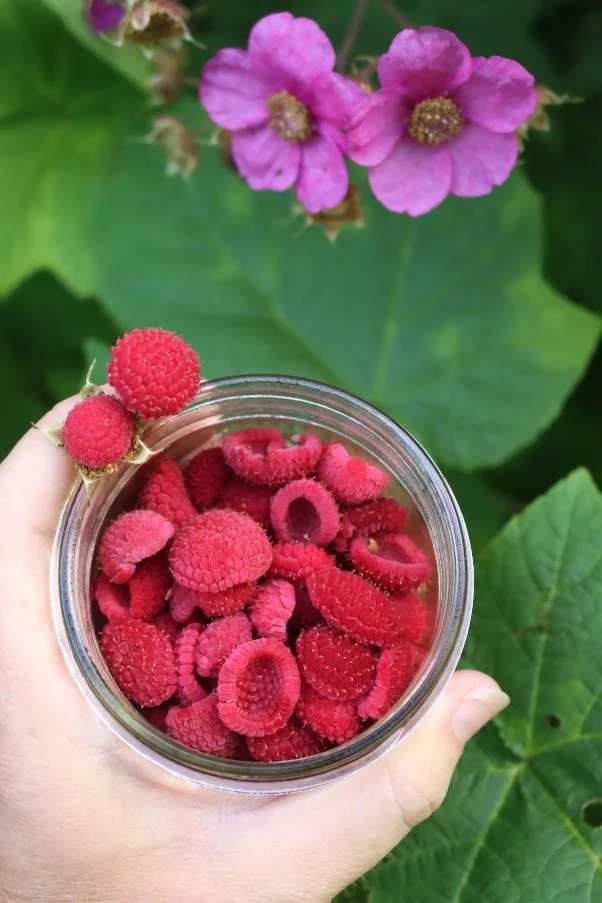
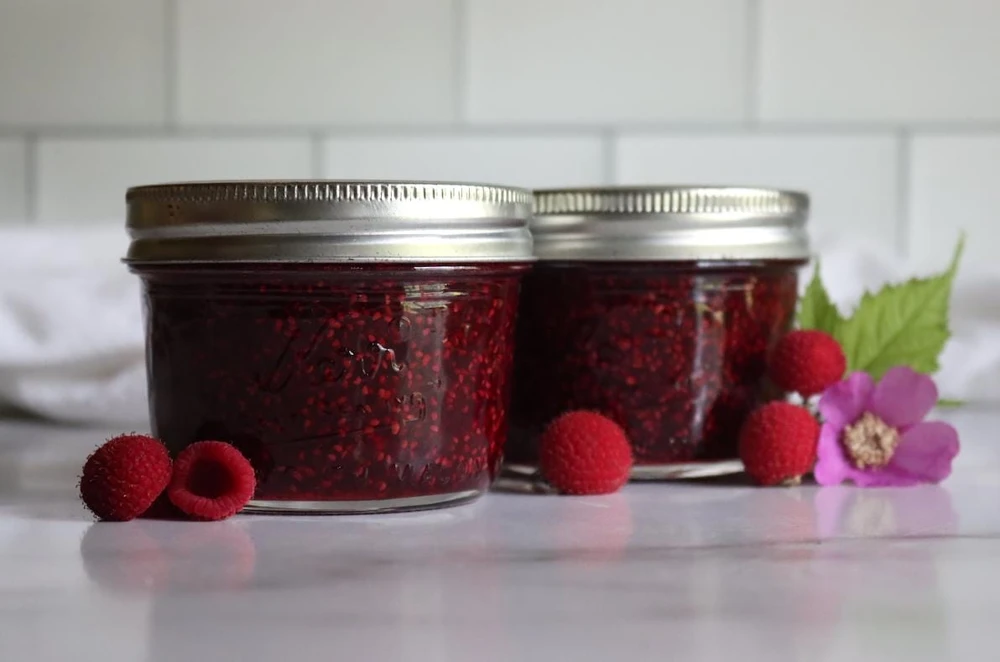
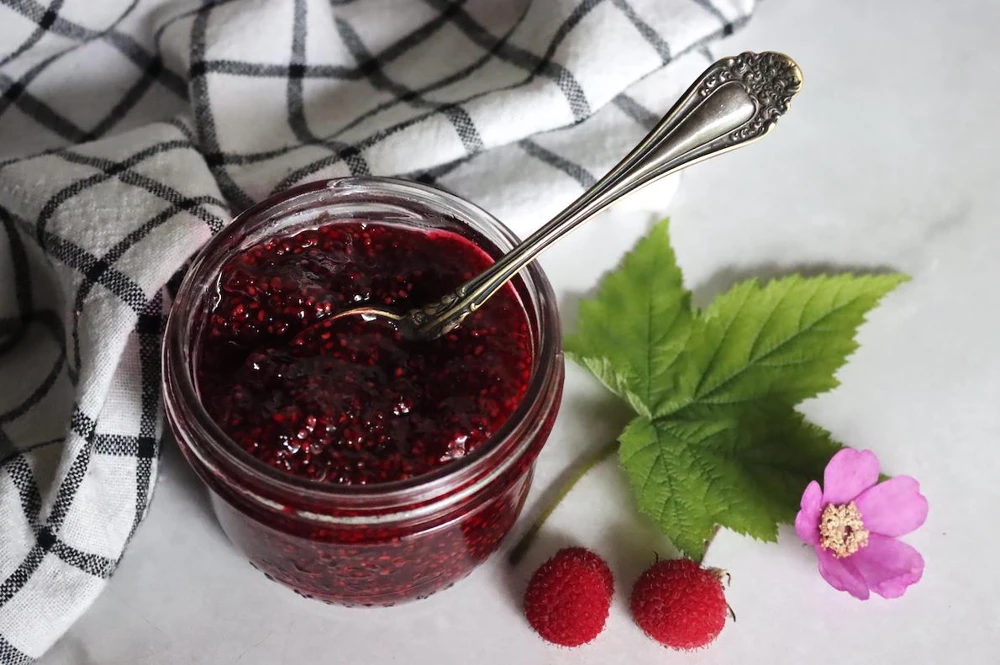
- Delicious Edible Fruits: Enjoy soft, sweet, bright red berries that taste similar to raspberries. These thornless fruits are perfect for fresh eating, making preserves, or baking, offering a delightful summer treat right from your garden.
- Attracts Wildlife: The berries and flowers provide essential food sources for birds, small mammals, and pollinators, making your garden a vibrant hub of biodiversity. This contributes to a healthy local ecosystem.
- Native Plant Benefits: As a native berry plant, it is well-adapted to local conditions, requiring less water and fewer interventions once established. It supports local wildlife and contributes to regional ecological balance.
- Thornless Growth Habit: Unlike many other berry shrubs, thimbleberries are entirely thornless, which makes pruning, harvesting, and general garden maintenance much safer and more enjoyable for all ages.
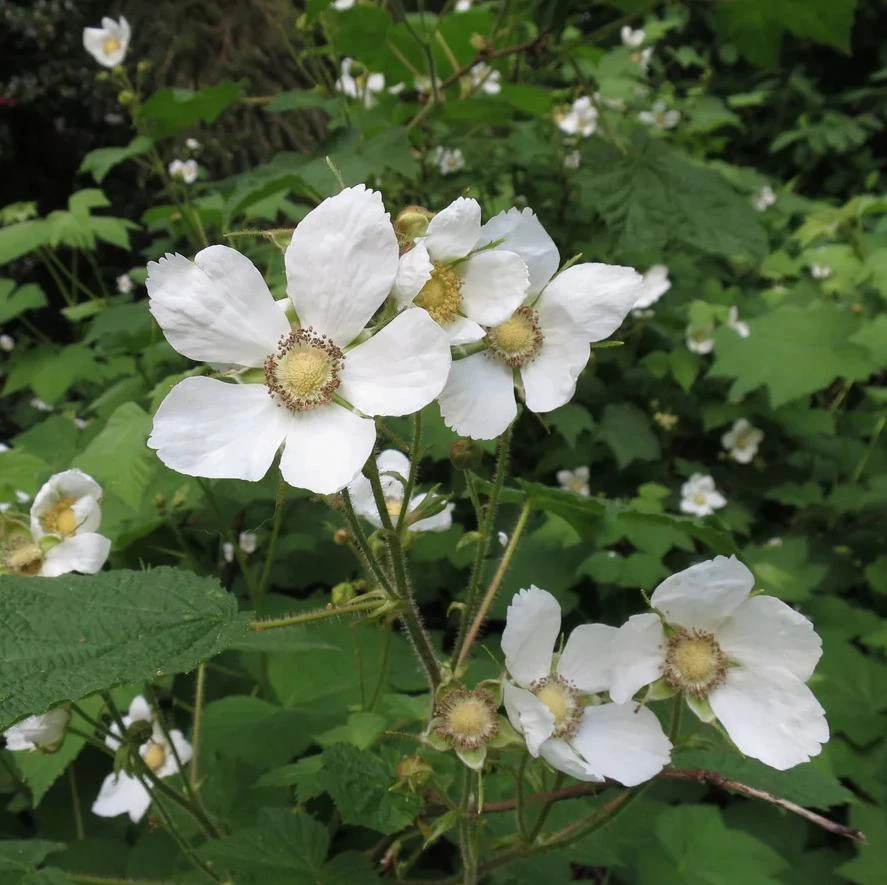
- Attractive Ornamental Features: Beyond its fruits, the plant boasts large, soft, maple-like leaves and clusters of delicate white five-petaled flowers in late spring, adding significant visual appeal to your garden.
- Versatile Landscape Use: Ideal for native gardens, forest edges, naturalized areas, and edible landscapes. Its bushy, upright growth habit provides good coverage and structure.
- Low Maintenance and Hardy: Once established, the thimbleberry live plant is relatively low-maintenance and cold-hardy, requiring no special winter protection in most zones, making it suitable for a wide range of climates.
Plant Care & Growing Tips
Caring for your thimbleberry live plant is straightforward, allowing even novice gardeners to enjoy its bounty. Upon arrival, ensure you transplant it immediately to its permanent location, allowing ample space for its spreading roots to establish. Thimbleberries thrive in locations that receive partial shade to full sun. In hotter climates, some afternoon shade is beneficial to protect the leaves and fruits from scorching. Aim for at least 4-6 hours of direct sunlight for optimal fruit production, but it can tolerate less, though fruit yield may be reduced.
Consistent moisture is key, especially during establishment and fruiting periods. The soil should be kept consistently moist but not waterlogged. Good drainage is crucial to prevent root rot. While it tolerates a range of native conditions, the thimbleberry prefers humus-rich, well-drained soil. Incorporating organic compost before planting and as a top dressing annually in early spring will greatly benefit its growth and fruit production. For feeding, a balanced organic fertilizer applied in early spring can encourage vigorous growth and a healthy harvest. Pruning is best done after fruiting; remove old or weak canes to encourage new growth and maintain plant vigor. The rubus parviflorus is cold-hardy, generally not requiring special winter protection in most temperate zones.
Size & Details
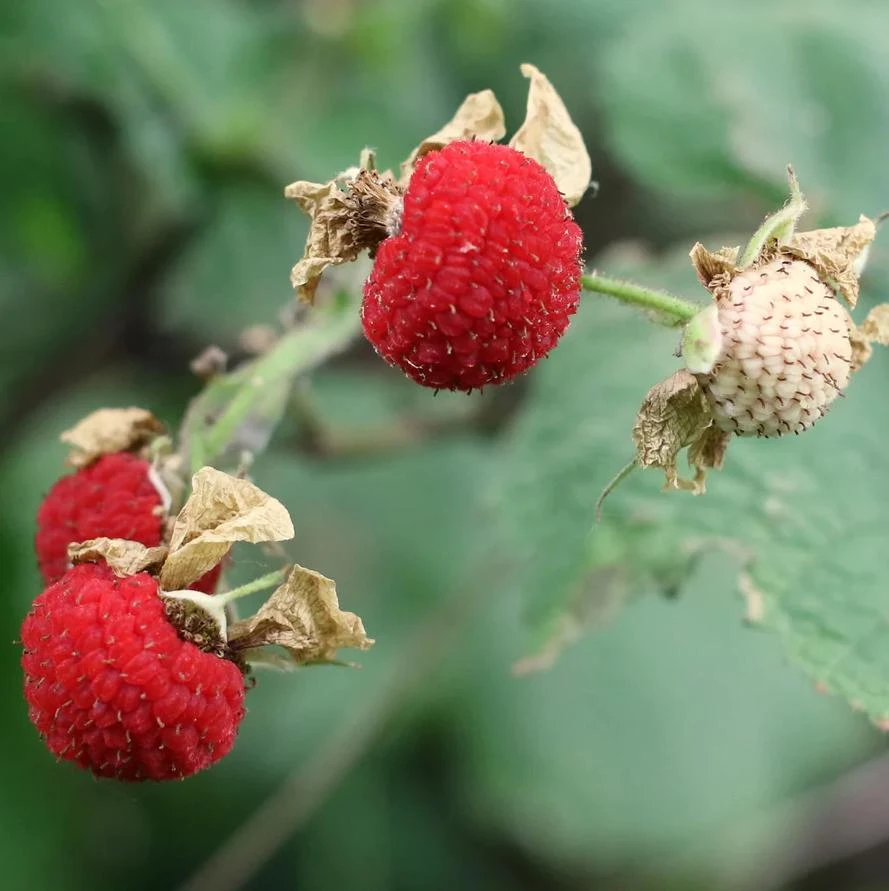
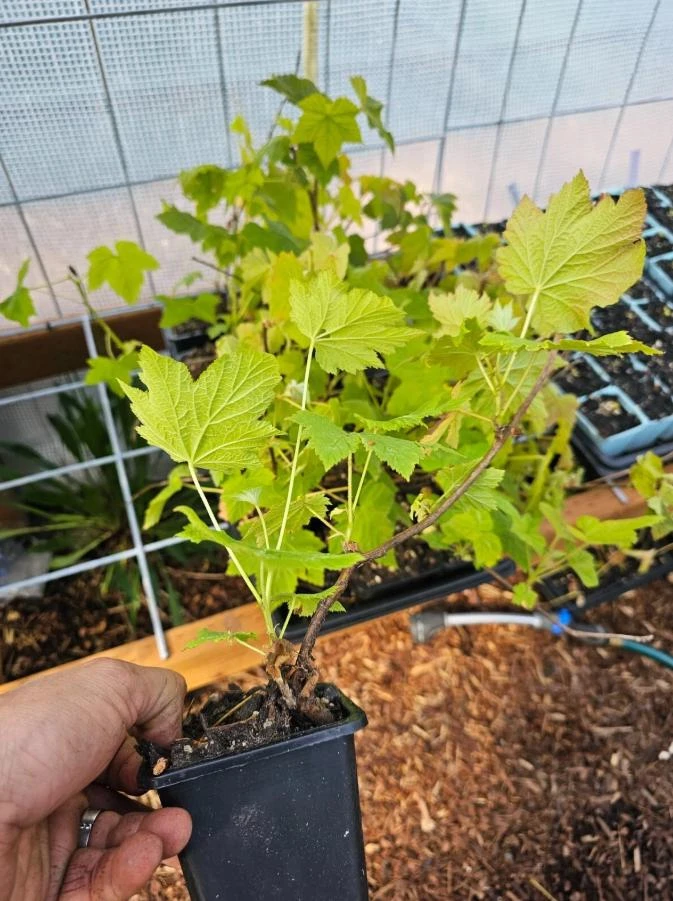
This thimbleberry live plant is delivered in a 4-inch nursery pot and stands approximately 1 foot (30 cm) tall from the base of the pot to the top of the foliage, providing a robust start for your garden. As a deciduous shrub, its leaves will drop in autumn, preparing for new growth in spring. The plant has an upright, bushy growth habit and will spread via rhizomes, forming natural clumps over time. Mature plants typically reach a height of 4–6 feet (1.2–1.8 meters) with a similar spread, creating a substantial presence in the landscape. It is a relatively fast grower once established, with white flowers appearing in late spring, followed by fruit development in mid to late summer. The berries are ready for harvest when they turn a vibrant red and detach easily from the plant. This plant is an excellent choice for edible landscaping, offering both beauty and a harvest.
Frequently Asked Questions
- Q: How big does this thimbleberry live plant get? A: This plant arrives approximately 1 foot tall in a 4-inch pot. Mature thimbleberry plants typically reach a height of 4–6 feet (1.2–1.8 meters) with a similar spread, forming a bushy shrub that can spread via rhizomes over time.
- Q: Is this an indoor or outdoor plant? A: The thimbleberry is an outdoor deciduous shrub. It is best suited for planting in native gardens, forest edges, or naturalized areas where it can thrive and spread.
- Q: How much sunlight does the thimbleberry need? A: Thimbleberry plants prefer partial shade to full sun. In regions with intense summer heat, some afternoon shade is beneficial. For optimal fruiting, aim for at least 4-6 hours of direct sunlight.
- Q: Is this plant easy to care for? A: Yes, the thimbleberry plant care is relatively easy. Once established, it is a low-maintenance shrub that is cold-hardy and adapts well to various native conditions, especially with consistent moisture and well-drained soil.
- Q: What condition will it arrive in? A: Your thimbleberry live plant will arrive potted in a 4-inch container, approximately 1 foot tall, carefully packaged to ensure it is healthy and ready for immediate transplanting into your garden.
- Q: When is the best time to plant thimbleberry? A: The best time to plant thimbleberry is in spring or early fall. Transplanting upon arrival is recommended to allow the plant to establish its root system before extreme weather conditions.
- Q: Can I eat the berries from this plant? A: Absolutely! Thimbleberries produce soft, sweet, bright red, raspberry-like fruits that are delicious for fresh eating, making jams and preserves, or as an ingredient in desserts. They are a wonderful addition to edible landscaping.
- Q: Will it survive winter in my zone? A: Thimbleberry is a cold-hardy plant and does not typically require special winter protection in most temperate zones within its native range. It is well-adapted to various climates.
- Q: What kind of soil does this plant prefer? A: This plant thrives in moist, well-drained, humus-rich organic soil. It can tolerate a range of native soil conditions but performs best when provided with good drainage and enriched with compost.
- Q: Does this plant have thorns? A: No, one of the wonderful features of the rubus parviflorus is that it is completely thornless, making it very user-friendly for harvesting and pruning.
Be the first to review “Thimbleberry Live Plant – 4″ Pot, 1-Foot Tall – Edible Berries, Deciduous Shrub”
Related products


You May Like

Hardneck vs. Softneck Garlic: Which Should You Grow?
Have you ever stood in front of a seed catalog in mid-September, staring at dozens [...]
Oct

When to Plant Music Garlic: Ultimate US Fall Guide
Have you ever spent your fall weekend placing carefully chosen garlic cloves into rich, dark [...]
1 Comment
Oct

5 Best Bulbs for Fall Planting: Brighten Your Garden This Spring
Are you dreaming of a garden full of vibrant colors in the spring? The key [...]
Aug

10 Houseplants That Will Thrive in Your Kitchen
Are you tired of your kitchen feeling dull and lifeless? Want to add a little [...]
1 Comment
Aug
Reviews
There are no reviews yet.