
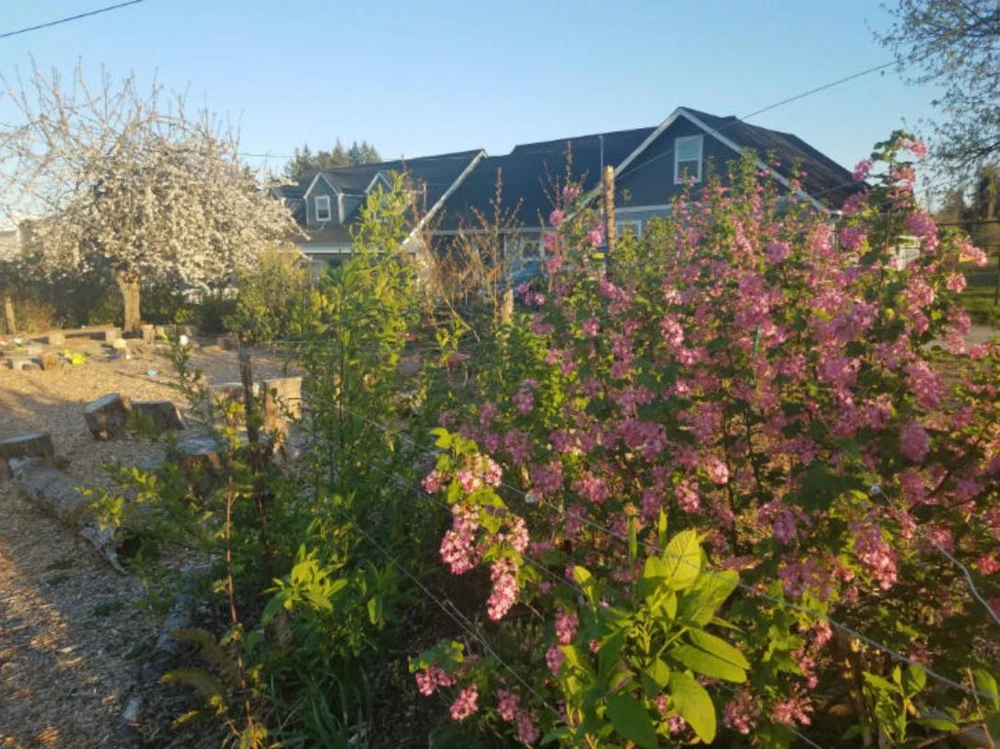
Flowering Currant Live Plant – 2-4″ Tall in 3-4″ Pot – Hardy Spring Shrub with Pink to Red Blooms
Original price was: 42.39 $.22.39 $Current price is: 22.39 $.
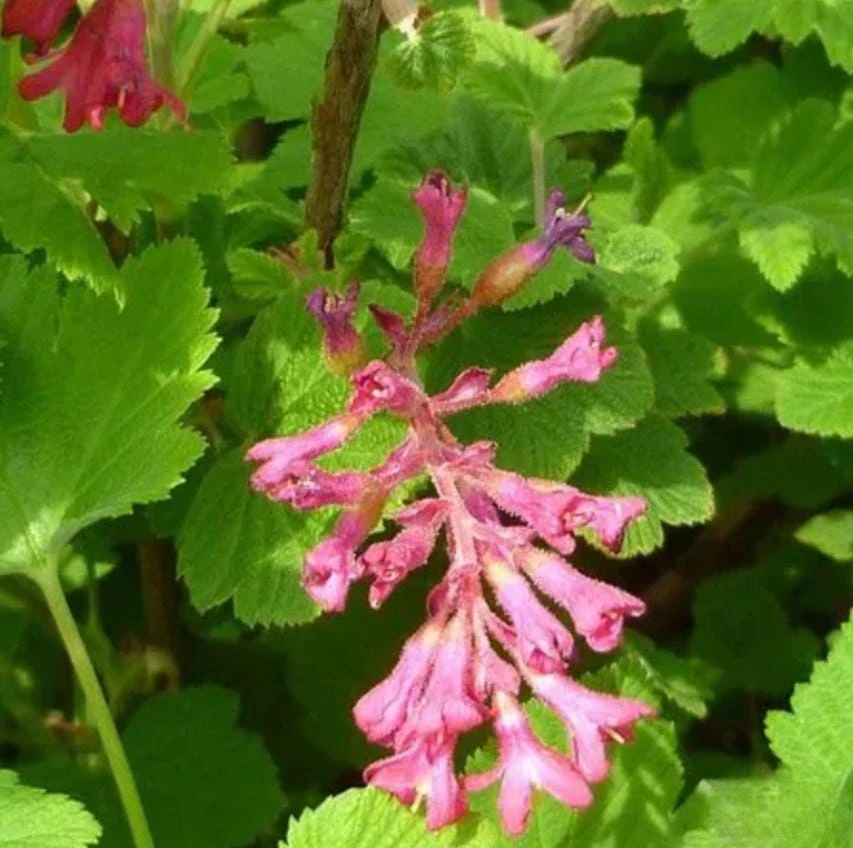
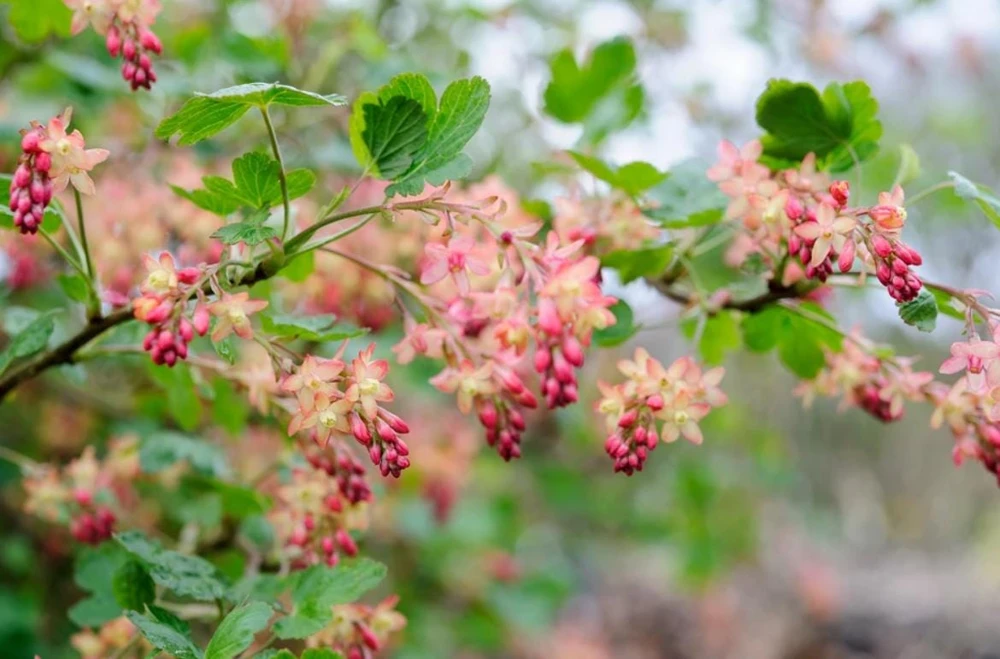
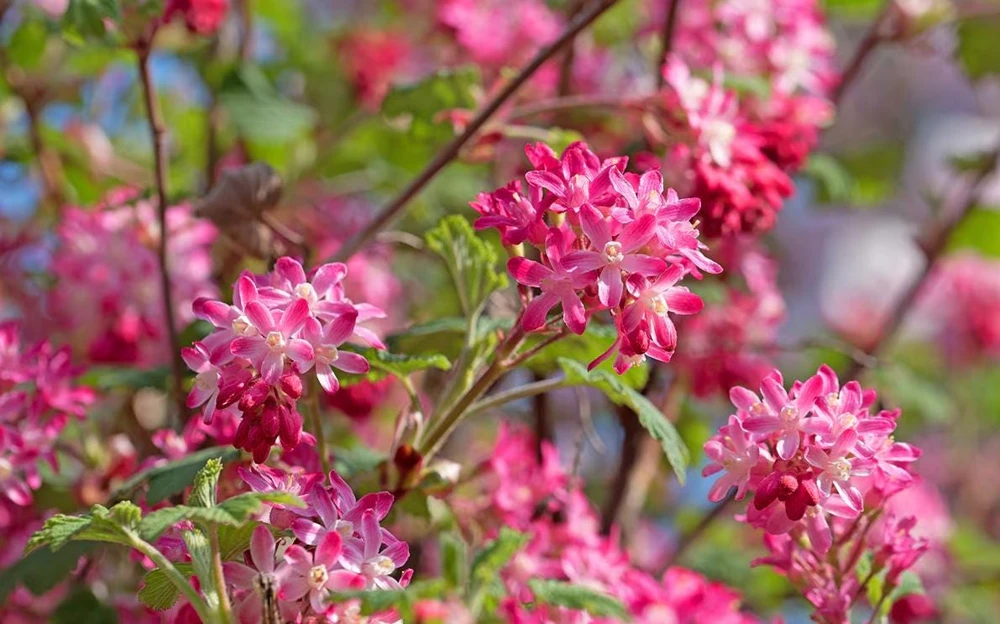
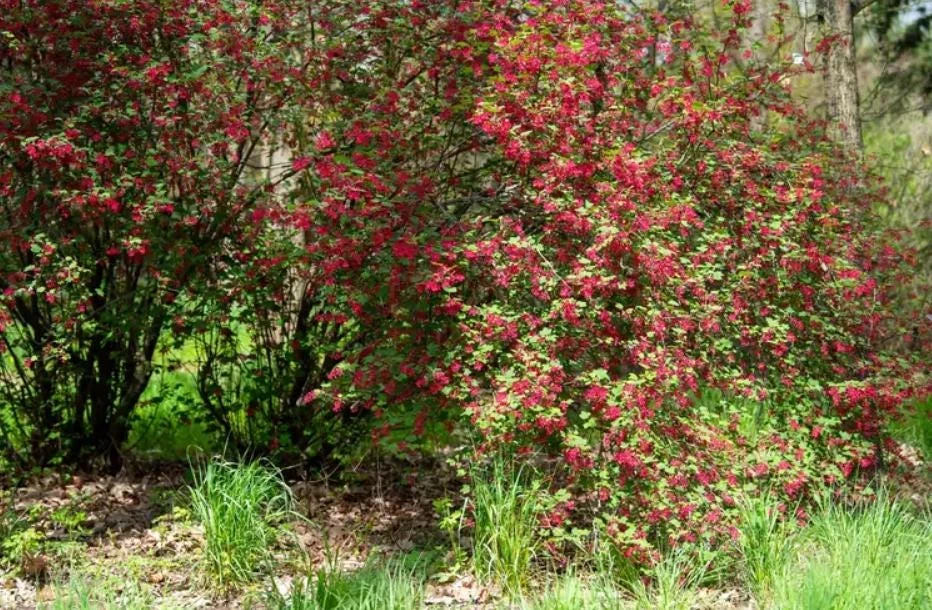
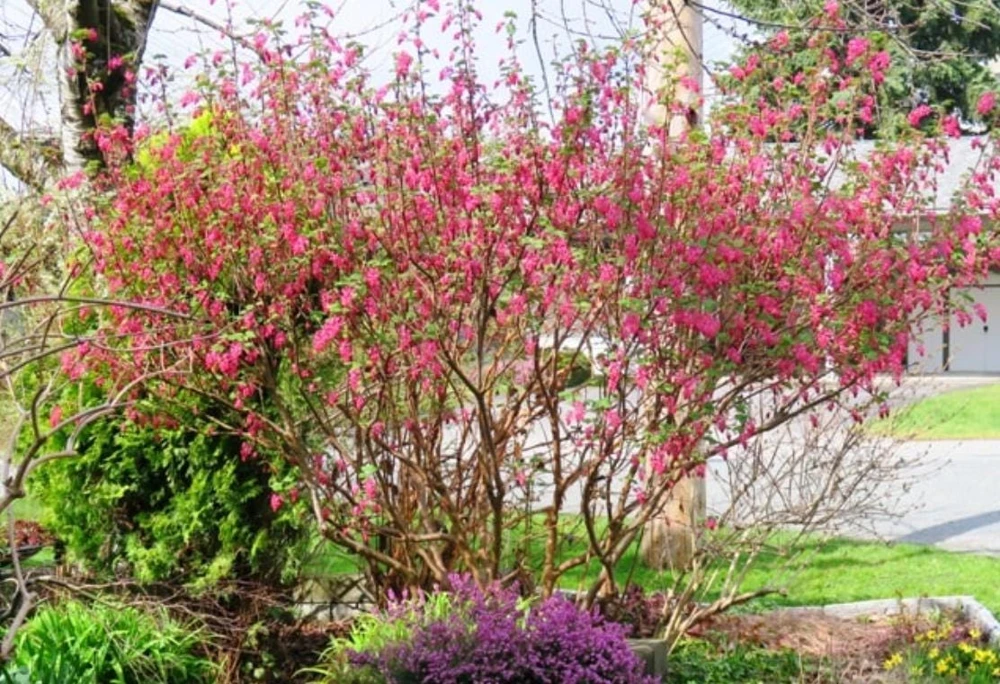
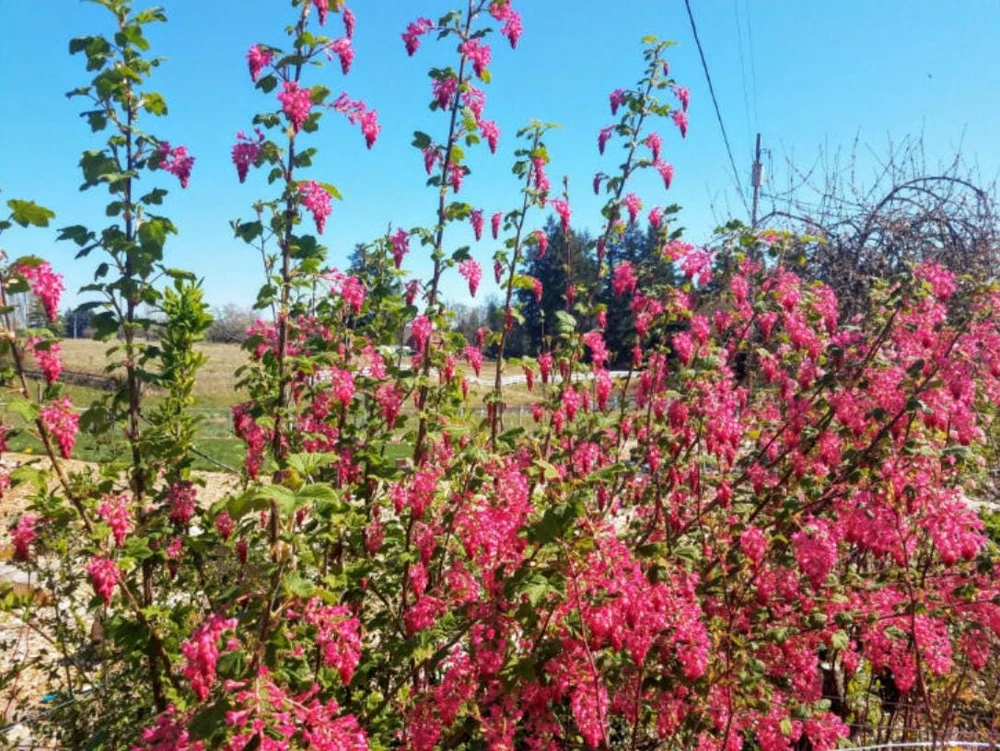
Bring vibrant early spring color to your landscape with this flowering currant live plant. Standing 2-4 inches tall in a 3-4 inch pot, this hardy spring shrub (Ribes sanguineum) produces stunning pink to deep red blooms, making it a magnet for hummingbirds, bees, and butterflies. Ideal for borders, cottage gardens, and wildlife-friendly spaces, it thrives in full sun to partial shade and is easy to care for.
Estimated arrival
Oct 19
Oct 24 - Oct 26
Oct 26 - Oct 31
See our Shipping Policy.
Get in touch with us via email, and our team will review your concerns.
Our Alive & Thrive Guarantee covers issues with your plants within the first 30 days. Read our Refund & Returns Policy.
-
USDA Hardiness Zone
USDA Zones 5–9 -
Soil Type
Well-drained, moderately fertile soil -
Sunlight Exposure
Full sun to partial shade -
Expected Planting Period
Early spring or fall
Overview
Introduce the captivating beauty of early spring to your garden with a flowering currant live plant. This deciduous shrub, scientifically known as Ribes sanguineum, is a true harbinger of spring, bursting forth with striking clusters of pink to deep red flowers before many other plants have even begun to stir. Native to parts of North America, this hardy spring shrub is not only a visual delight but also a crucial early food source for pollinators, making it an essential addition to any eco-conscious landscape. Each purchase includes one healthy, vibrant plant, approximately 2-4 inches tall, delivered in a 3-4 inch nursery pot, ready to be transplanted and thrive in your outdoor space.
The flowering currant live plant is celebrated for its low-maintenance nature and adaptability. Its aromatic, lobed green foliage provides interest throughout the growing season, and mature plants may even produce small, dark berries that offer sustenance for birds and other wildlife. Whether you’re looking to create a vibrant border, enhance a woodland edge, or simply add a touch of natural elegance, Ribes sanguineum is an excellent choice that promises years of enjoyment and ecological benefits.
Key Benefits
The flowering currant live plant offers a multitude of advantages for both the gardener and the environment, making it a highly rewarding addition to almost any landscape. Its robust nature and aesthetic appeal ensure it stands out.
- Early Spring Blooms: Be among the first in your neighborhood to enjoy a spectacular floral display. This shrub produces abundant pink to deep red flowers in early to mid-spring, providing much-needed color after winter’s dormancy and before many other plants begin to bloom.
- Pollinator Magnet: Attract a vibrant array of wildlife to your garden. The nectar-rich flowers are a favorite of hummingbirds, bees, and butterflies, making it an invaluable plant for supporting local pollinator populations and enhancing your garden’s biodiversity.
- Wildlife Food Source: Beyond nectar, mature plants may develop small, dark berries that serve as a natural food source for various bird species and other small wildlife, contributing to a healthy ecosystem. This makes it an excellent choice for a pollinator garden plant.
- Low Maintenance: Enjoy beautiful results with minimal effort. This hardy spring shrub is known for its resilience and adaptability, thriving with basic care once established. It’s an ideal choice for gardeners seeking a plant that delivers high impact without demanding constant attention.
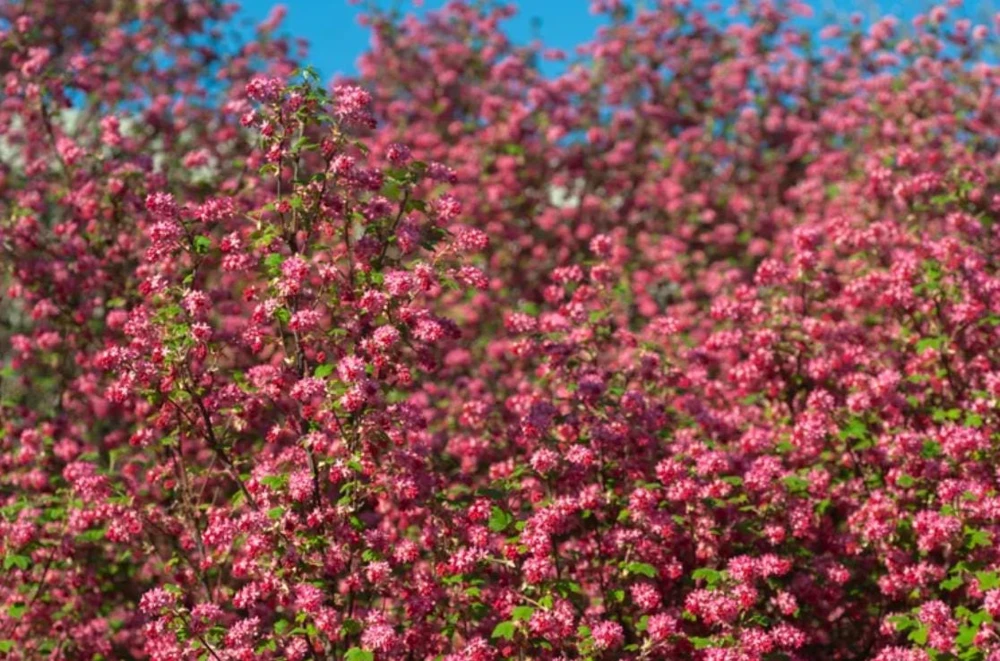
- Versatile Landscape Use: Its upright, bushy growth habit and attractive foliage make it suitable for a variety of garden applications. Plant it in mixed borders, along woodland edges, in cottage gardens, or as a naturalized shrub to provide structure and visual interest.
- Adaptable to Conditions: The flowering currant live plant tolerates a range of conditions, flourishing in full sun to partial shade and adapting to various soil types, provided there is good drainage. This flexibility ensures it can find a happy home in many garden settings.
- Aromatic Foliage: Even when not in bloom, the lobed green leaves of Ribes sanguineum offer a pleasant, subtle aroma, adding another sensory dimension to your garden experience. This contributes to the overall appeal of Ribes sanguineum care.
Plant Care & Growing Tips
Caring for your flowering currant live plant is straightforward, ensuring a rewarding experience with minimal fuss. This resilient shrub thrives with proper placement and basic attention, making it an excellent choice for both novice and experienced gardeners. For optimal growth and prolific blooms, select a location that receives full sun to partial shade. While it can tolerate some shade, more sunlight generally leads to a denser bloom display. Aim for at least 4-6 hours of direct sunlight daily for the best results. The plant adapts to various soil types but absolutely requires good drainage. Heavy, waterlogged soils can be detrimental, so amending clay soils with organic matter like compost or grit is highly recommended. The ideal soil pH is slightly acidic to neutral.
When it comes to watering, consistent moisture is key during the establishment phase, which typically lasts for the first year after planting. Water deeply once or twice a week, depending on rainfall and temperature, to encourage a strong root system. Once established, the flowering currant live plant becomes moderately drought-tolerant, requiring less frequent watering, though it will benefit from supplemental water during prolonged dry spells. Fertilization is generally not heavily required; however, a balanced, slow-release granular fertilizer applied in early spring can boost growth and flowering, especially in poorer soils. Pruning should be done after the plant has finished flowering in spring. This allows you to shape the shrub, remove any dead or weak branches, and encourage healthy new growth and future blooms. Avoid heavy pruning in late winter or early spring, as this can remove the flower buds that formed on old wood.
The hardy spring shrub is cold-hardy in USDA Zones 5-9, meaning it can withstand winter temperatures down to -20°F (-29°C) in Zone 5. In colder regions, providing a layer of mulch around the base can offer additional winter protection. Pests and diseases are generally not a significant issue for Ribes sanguineum, especially with good air circulation and proper watering practices. Keep an eye out for common garden pests, but severe infestations are rare. Proper Ribes sanguineum care ensures a healthy and beautiful specimen for many years.
Size & Details
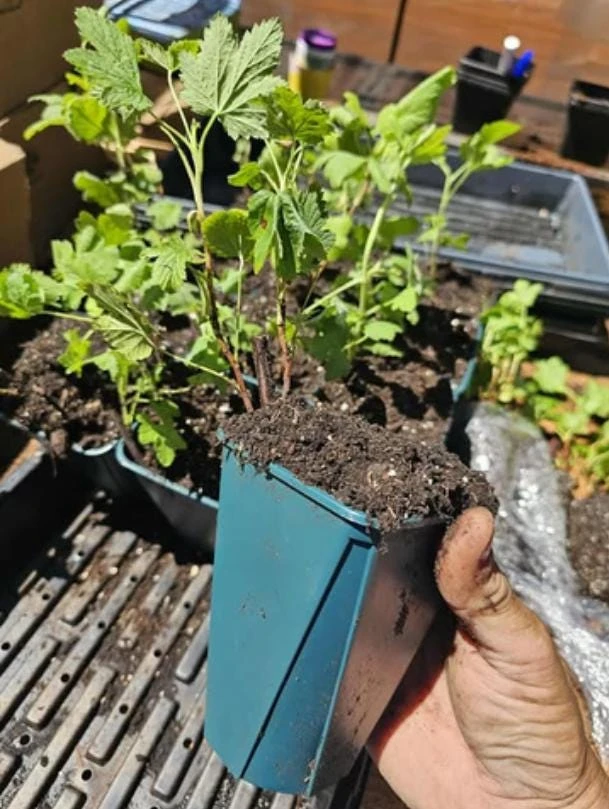
This offering includes one robust flowering currant live plant, carefully grown to ensure a healthy start in your garden. Each plant arrives approximately 2–4 inches tall, measured from the soil line, and is securely nestled in a 3–4 inch nursery pot. This size is ideal for transplanting, allowing the plant to quickly establish itself in its new environment. The growth habit of the flowering currant is upright and bushy, typically reaching a mature height of 6-10 feet and a spread of 4-8 feet over several years, making it a substantial and attractive shrub for various landscape designs. Its moderate growth rate means you won’t wait long to see it mature and produce its characteristic pink to deep red blooms.
The pink flowering shrub is shipped in its nursery pot with soil, ensuring minimal shock during transit and providing a healthy root system ready for planting. Expect blooms in early to mid-spring, typically within the first year or two after planting, depending on growing conditions. This plant is intended for ornamental and wildlife value and is not for consumption. Its substantial size at maturity makes it an excellent focal point or background plant in borders and naturalized areas, while its vibrant color adds significant visual appeal to any pollinator garden plant collection.
Frequently Asked Questions
- Q: How big does this flowering currant live plant get? A: This hardy spring shrub typically reaches a mature height of 6-10 feet and a spread of 4-8 feet. Its upright, bushy growth habit makes it a prominent feature in the landscape.
- Q: What size pot does the plant come in? A: Your flowering currant live plant will arrive in a 3-4 inch nursery pot, with the plant itself measuring approximately 2-4 inches tall from the soil line. This size is perfect for immediate transplanting.
- Q: Is this an indoor or outdoor plant? A: The flowering currant live plant is an outdoor shrub. It is hardy in USDA Zones 5-9 and requires outdoor conditions to thrive and bloom effectively.
- Q: How much sunlight does Ribes sanguineum need? A: For the best flowering and overall health, this shrub prefers full sun to partial shade, ideally receiving at least 4-6 hours of direct sunlight per day.
- Q: Is this plant easy to care for? A: Yes, Ribes sanguineum care is considered low-maintenance once established. It’s a resilient shrub that tolerates a range of conditions and requires basic watering and occasional pruning. It’s a great choice for beginners looking for a pink flowering shrub.
- Q: What condition will it arrive in? A: Your plant will be shipped healthy and well-rooted in its nursery pot with soil, carefully packaged to ensure it arrives in the best possible condition, ready for planting.
- Q: How long until it blooms? A: The flowering currant live plant typically begins to bloom in early to mid-spring, often within the first one to two years after planting, depending on growing conditions and establishment.
- Q: When is the best time to plant a hardy spring shrub? A: The best time to plant is in early spring or fall, allowing the plant to establish its root system before extreme summer heat or winter cold.
- Q: Will it survive winter in my zone? A: This flowering currant live plant is hardy in USDA Zones 5-9, meaning it can tolerate winter temperatures down to -20°F (-29°C). If you are in a colder zone, winter protection may be necessary.
- Q: Is the pollinator garden plant deer resistant? A: While no plant is entirely deer-proof, flowering currant is generally considered to have moderate deer resistance, meaning deer may browse it if other food sources are scarce.
Be the first to review “Flowering Currant Live Plant – 2-4″ Tall in 3-4″ Pot – Hardy Spring Shrub with Pink to Red Blooms”
Related products


You May Like

Hardneck vs. Softneck Garlic: Which Should You Grow?
Have you ever stood in front of a seed catalog in mid-September, staring at dozens [...]
Oct

When to Plant Music Garlic: Ultimate US Fall Guide
Have you ever spent your fall weekend placing carefully chosen garlic cloves into rich, dark [...]
1 Comment
Oct

5 Best Bulbs for Fall Planting: Brighten Your Garden This Spring
Are you dreaming of a garden full of vibrant colors in the spring? The key [...]
Aug

10 Houseplants That Will Thrive in Your Kitchen
Are you tired of your kitchen feeling dull and lifeless? Want to add a little [...]
1 Comment
Aug
Reviews
There are no reviews yet.