
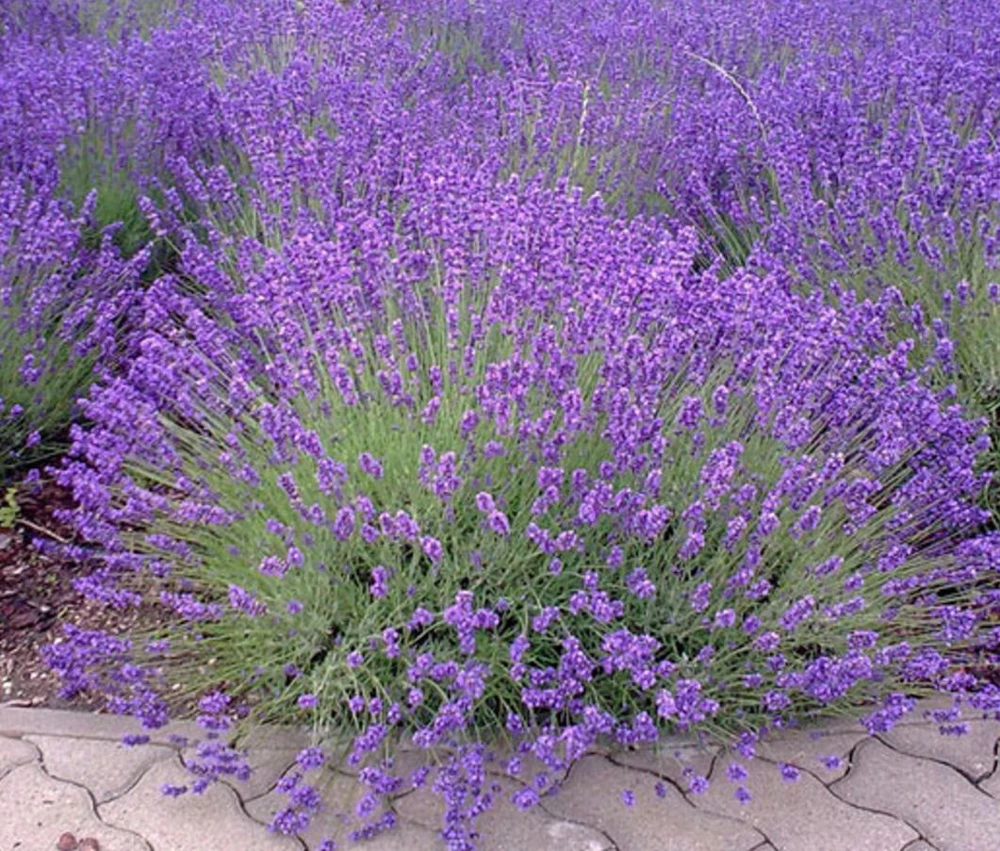
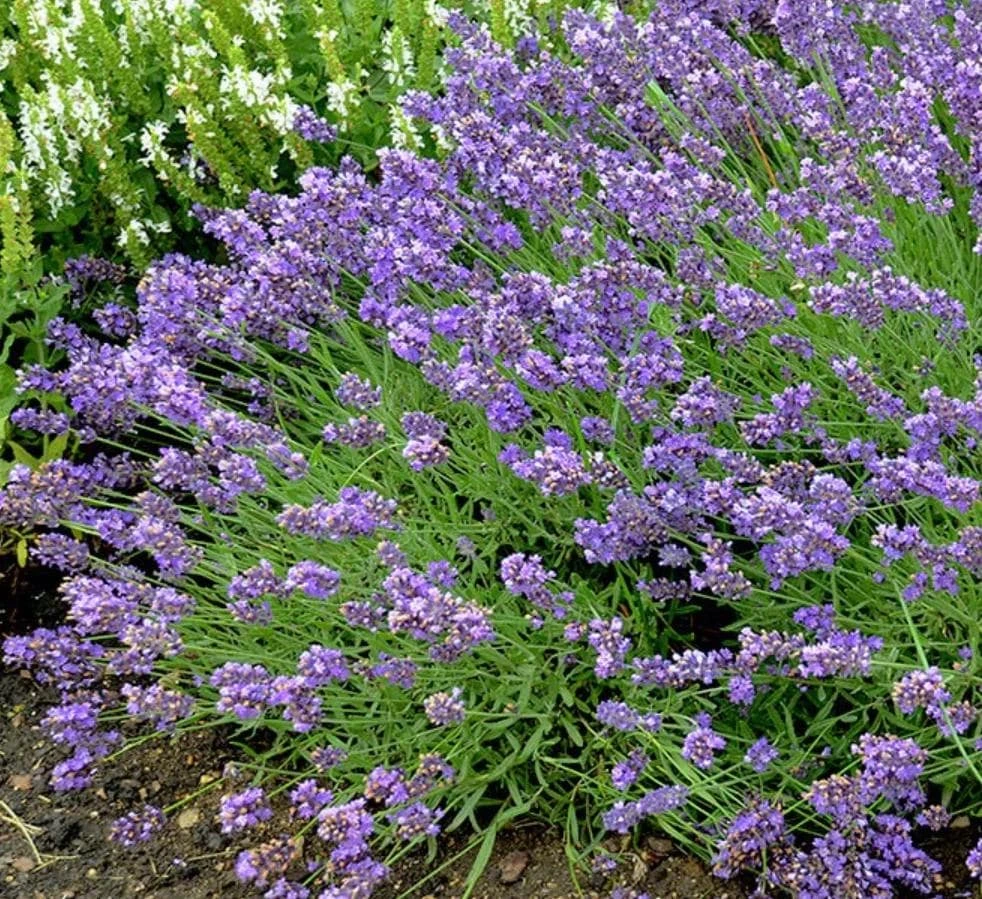
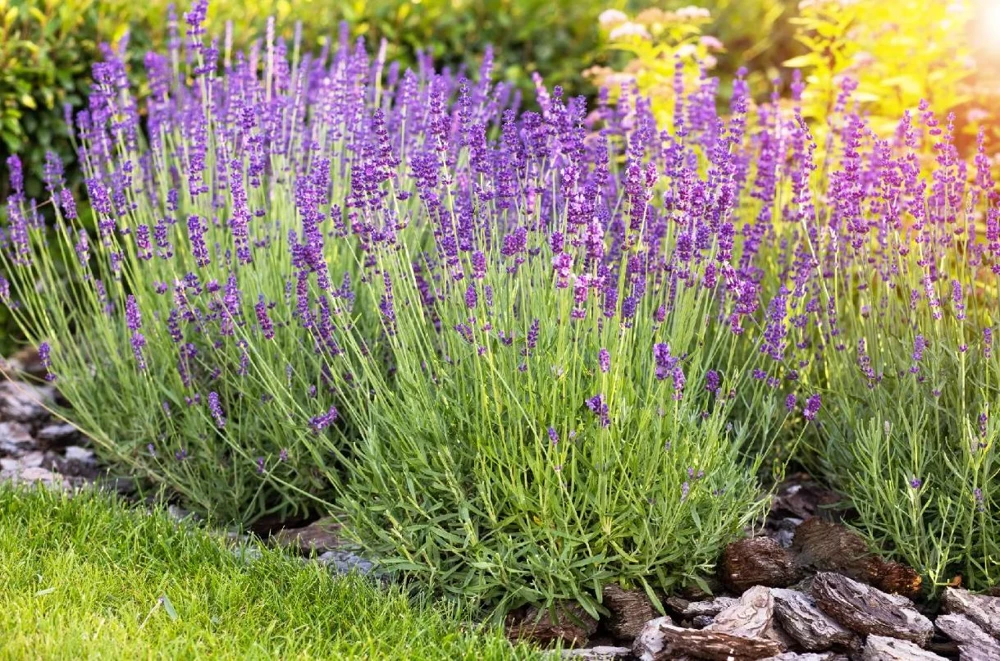
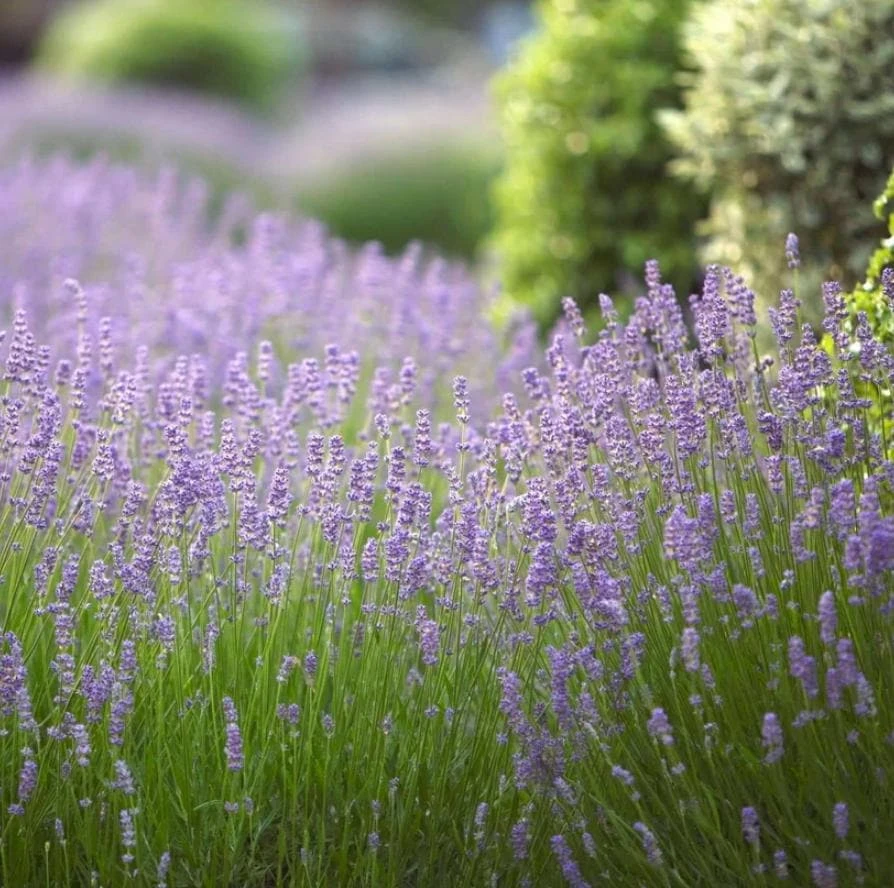
English Lavender Live Plant – 5″ Pot – 1-2″ Tall – Fragrant Purple Flowers
Original price was: 37.59 $.17.59 $Current price is: 17.59 $.
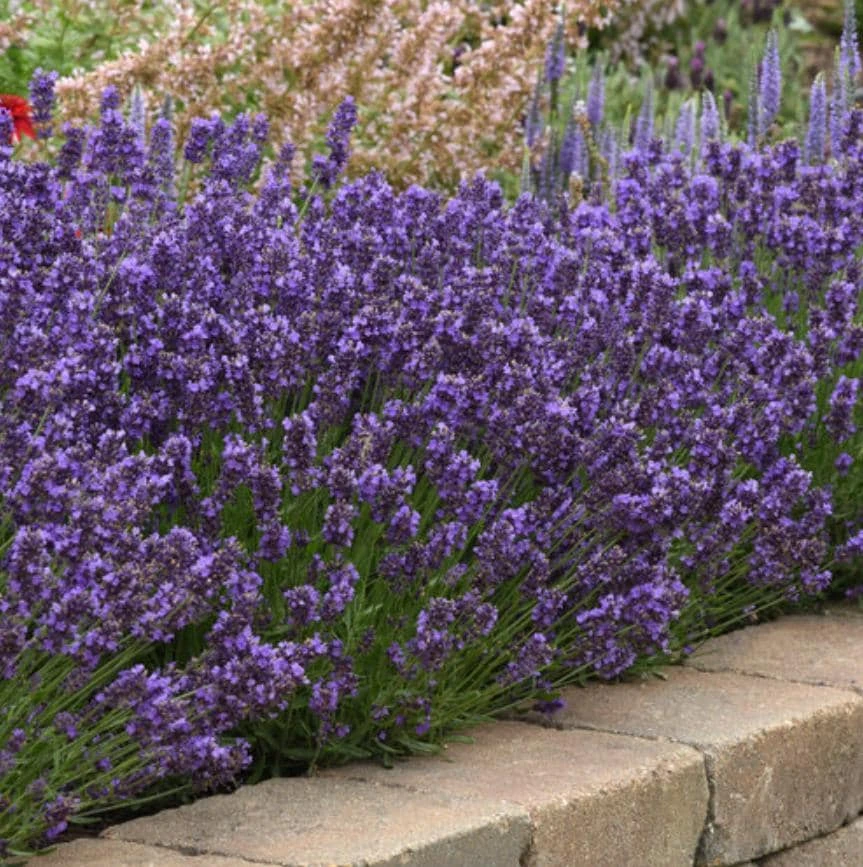
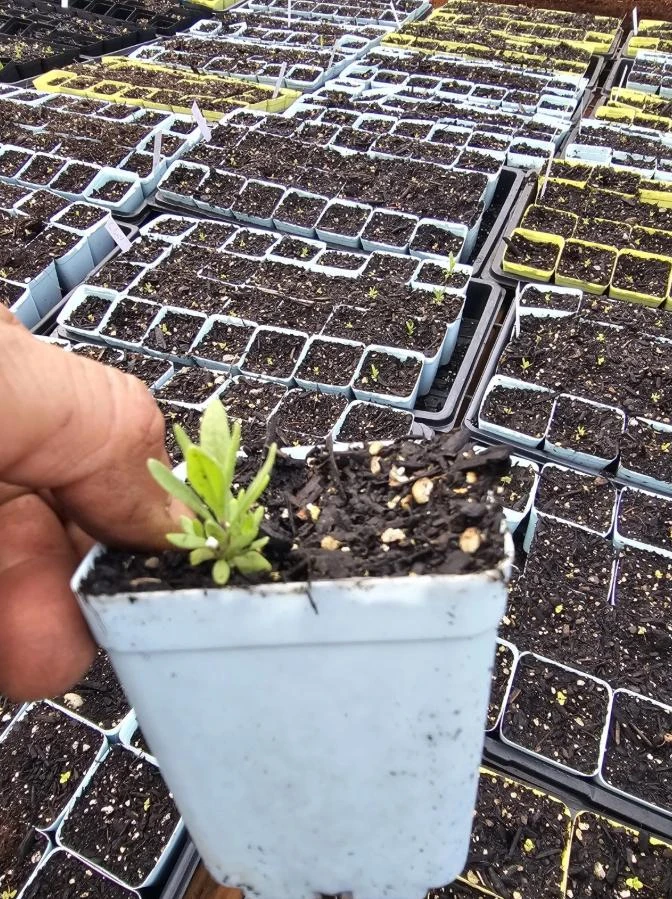
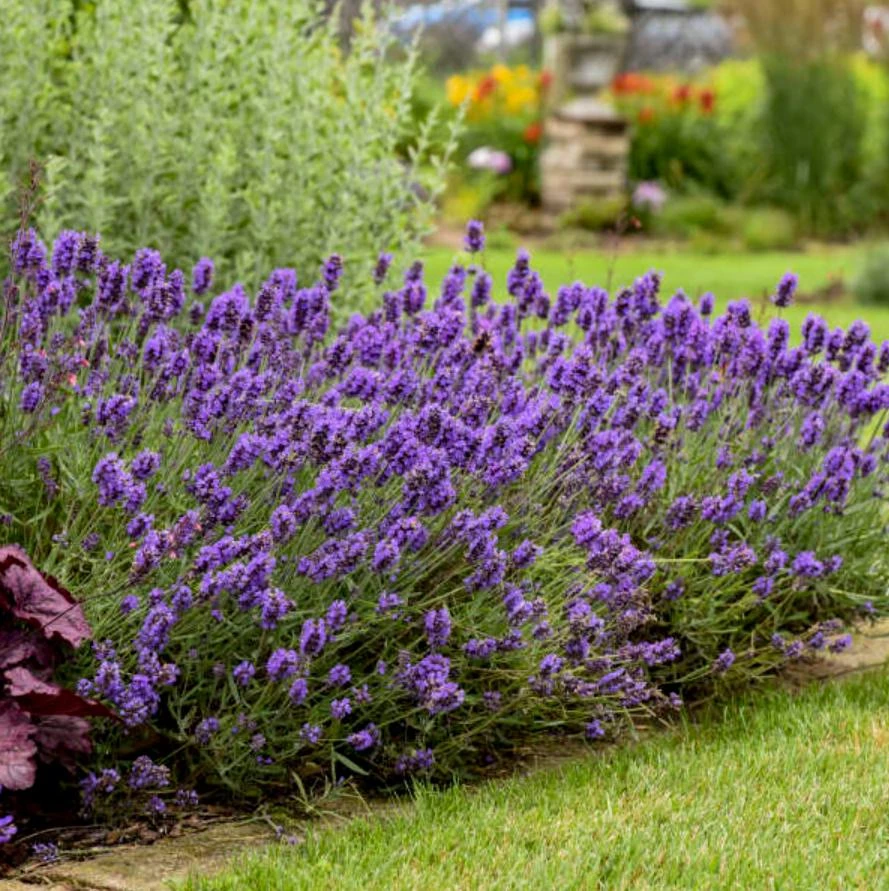
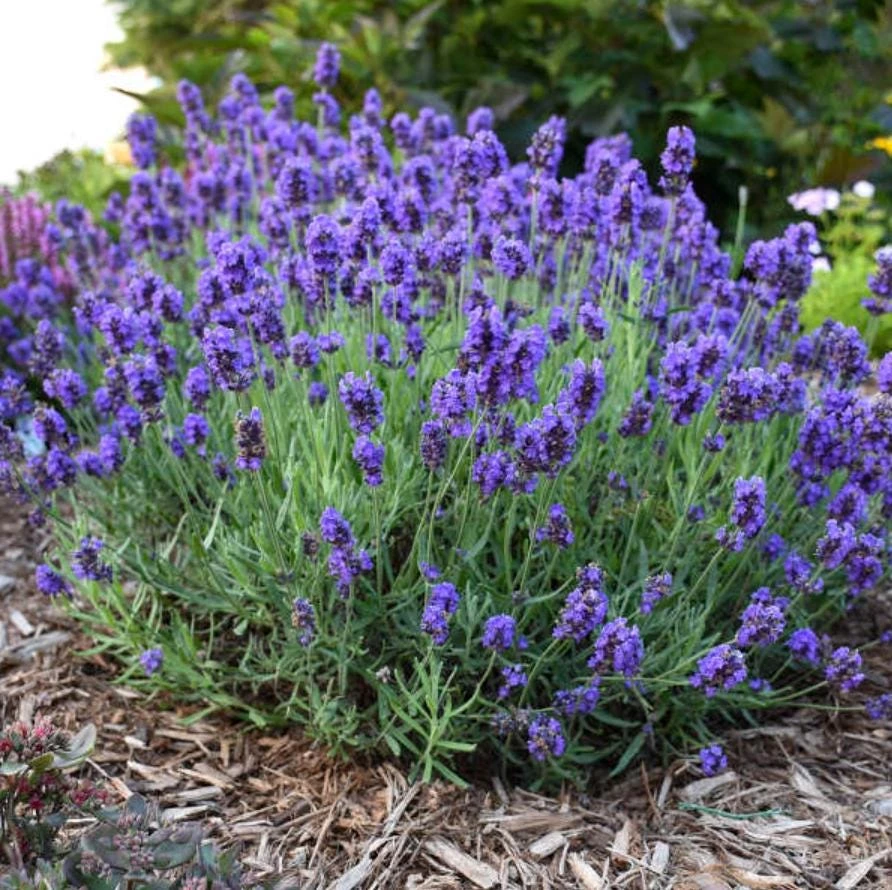
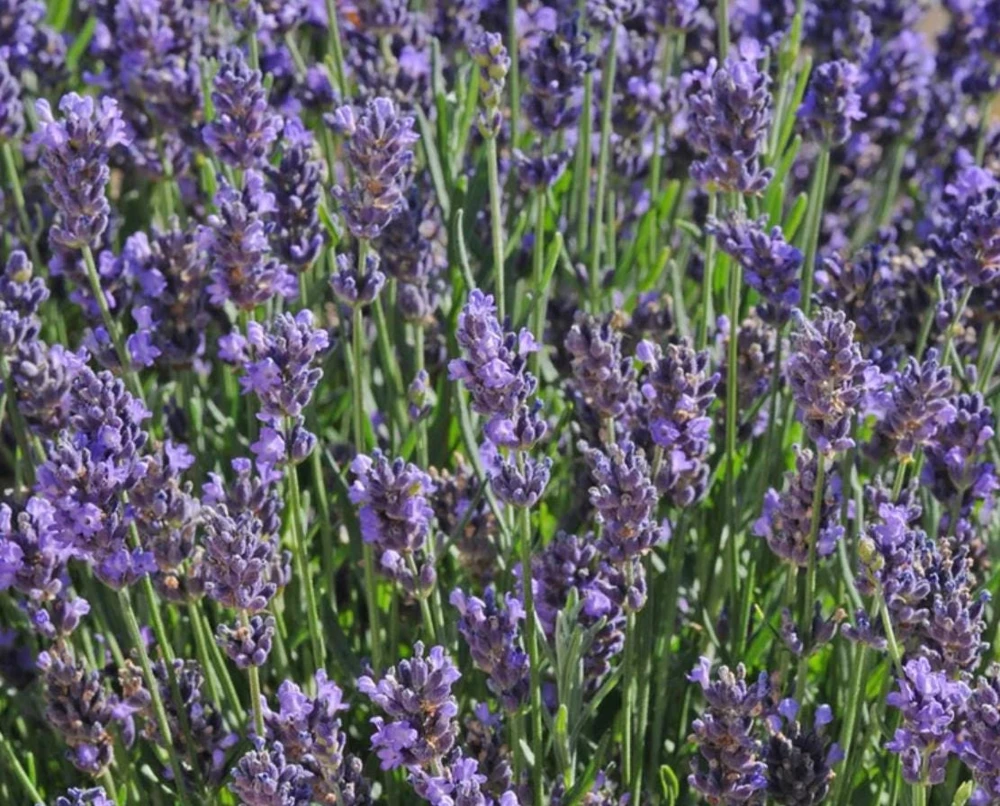
Add beauty and fragrance to your garden with a English lavender live plant. This compact, 1-2 inch tall plant arrives in a 5-inch pot, ready to thrive in full sun. Enjoy its soothing purple blooms and aromatic foliage, ideal for herb gardens and containers.
Estimated arrival
Oct 19
Oct 24 - Oct 26
Oct 26 - Oct 31
See our Shipping Policy.
Get in touch with us via email, and our team will review your concerns.
Our Alive & Thrive Guarantee covers issues with your plants within the first 30 days. Read our Refund & Returns Policy.
-
USDA Hardiness Zone
USDA zones 5-9 -
Soil Type
Well-drained, sandy or loamy soil -
Sunlight Exposure
Full sun -
Expected Planting Period
Spring to early summer
Overview
Discover the timeless charm of the English lavender live plant (Lavandula angustifolia), a beloved herbaceous shrub celebrated for its exquisite fragrance and beautiful purple blooms. This particular offering provides a small, well-rooted specimen, measuring approximately 1-2 inches tall and delivered in a convenient 5-inch pot, ready for transplanting. Ideal for both novice and experienced gardeners, this plant promises to infuse your outdoor spaces with its calming aroma and vibrant color. Whether you’re creating a dedicated herb garden, enhancing a patio with container plantings, or adding a touch of elegance to a sunny border, this fragrant lavender plant is a perfect choice. Its compact growth habit ensures it fits beautifully into various garden designs, making it a versatile and rewarding addition to any landscape.
Our English lavender live plant is carefully cultivated to ensure a strong root system, promoting healthy growth and successful establishment in its new home. Known for its soothing properties, the fragrant flowers are not only visually appealing but also a popular choice for culinary uses, aromatherapy, and crafting sachets. Embrace the tranquility and beauty this plant brings, transforming your garden into a fragrant sanctuary. This robust plant is perfect for those seeking a low-maintenance yet high-impact perennial.
Key Benefits
The English lavender live plant offers a multitude of benefits, making it an indispensable addition to any garden or outdoor space. Its versatility and delightful characteristics contribute to a richer, more enjoyable gardening experience:
- Aromatic Appeal: Known for its distinctive, soothing fragrance, this lavender plant releases a pleasant scent that can help relax and de-stress. The aroma is also known to deter common garden pests, making it a natural repellent.
- Beautiful Blooms: Enjoy abundant soft purple lavender plant flowers that appear in clusters, providing a stunning visual display throughout the growing season. These blooms are perfect for cutting and bringing indoors.
- Pollinator Magnet: The vibrant flowers attract beneficial pollinators like bees and butterflies, contributing to a healthier and more biodiverse garden ecosystem. This supports the growth of other plants in your garden.
- Drought-Tolerant: Once established, Lavandula angustifolia is remarkably drought-tolerant, requiring minimal watering. This makes it an excellent choice for xeriscaping or gardens in drier climates, saving water and effort.
- Culinary and Medicinal Uses: The flowers and leaves can be used in various culinary applications, from baking to infusing teas, and are also valued for their traditional medicinal properties. Create your own lavender-infused treats or remedies.
- Low Maintenance: This compact shrub is relatively easy to care for, thriving with minimal intervention once established. It requires less pruning and feeding compared to many other flowering plants.
- Versatile Landscaping: Ideal for full sun gardens, rockeries, borders, containers, and even herb patches. Its compact size makes it suitable for small spaces or as an edging plant, adding charm and structure.
Plant Care & Growing Tips
Caring for your English lavender live plant is straightforward, ensuring a thriving and fragrant addition to your garden. Understanding its basic needs will help you achieve the best results. This plant prefers conditions that mimic its Mediterranean origins.
Sunlight Requirements: English Lavender absolutely thrives in full sun, requiring at least 6-8 hours of direct sunlight per day. Plant it in a location where it will receive ample morning and afternoon sun. Insufficient light can lead to leggy growth and fewer blooms. For indoor cultivation, a south-facing window or supplemental grow lights are essential to mimic outdoor conditions.
Watering: This plant is drought-tolerant once established, preferring well-drained soil that is allowed to dry out slightly between waterings. Overwatering is a common cause of issues, leading to root rot. Water deeply but infrequently, especially during hot, dry periods. Reduce watering significantly in cooler months. Young plants will need more consistent moisture to establish their root systems.
Soil Type: The Lavandula angustifolia prefers well-drained, moderately fertile soil with a slightly alkaline pH (6.5-7.5). Sandy or loamy soil types are ideal. Avoid heavy clay soils that retain too much moisture. Amending the soil with grit or sand can improve drainage significantly. Good drainage is crucial for preventing root diseases.
Temperature and Hardiness: English Lavender is hardy in USDA zones 5-9. It can tolerate cold winters but benefits from protection from excessive moisture in colder climates to prevent root rot. In very hot climates, some afternoon shade might be beneficial, though full sun is generally preferred. Protect container plants by moving them to a sheltered location during harsh winter freezes.
Fertilization: This plant is not a heavy feeder. Light feeding with a balanced, slow-release fertilizer in early spring is usually sufficient. Avoid high-nitrogen fertilizers, which can promote leafy growth at the expense of flowers. Over-fertilization can weaken the plant and reduce its aromatic qualities.
Pruning: Regular pruning is key to maintaining a compact, bushy shape and encouraging abundant blooms. Trim spent flower stalks after blooming to promote a second flush of flowers. A more substantial prune, removing about one-third of the plant’s size, should be done in early spring before new growth appears. Avoid cutting into old woody stems where new growth may not emerge.
Common Problems: Watch out for root rot from overwatering. Pests like aphids or whiteflies are generally not a major issue due to lavender’s aromatic properties, but inspect regularly. Ensure good air circulation to prevent fungal diseases, especially in humid environments.
Size & Details
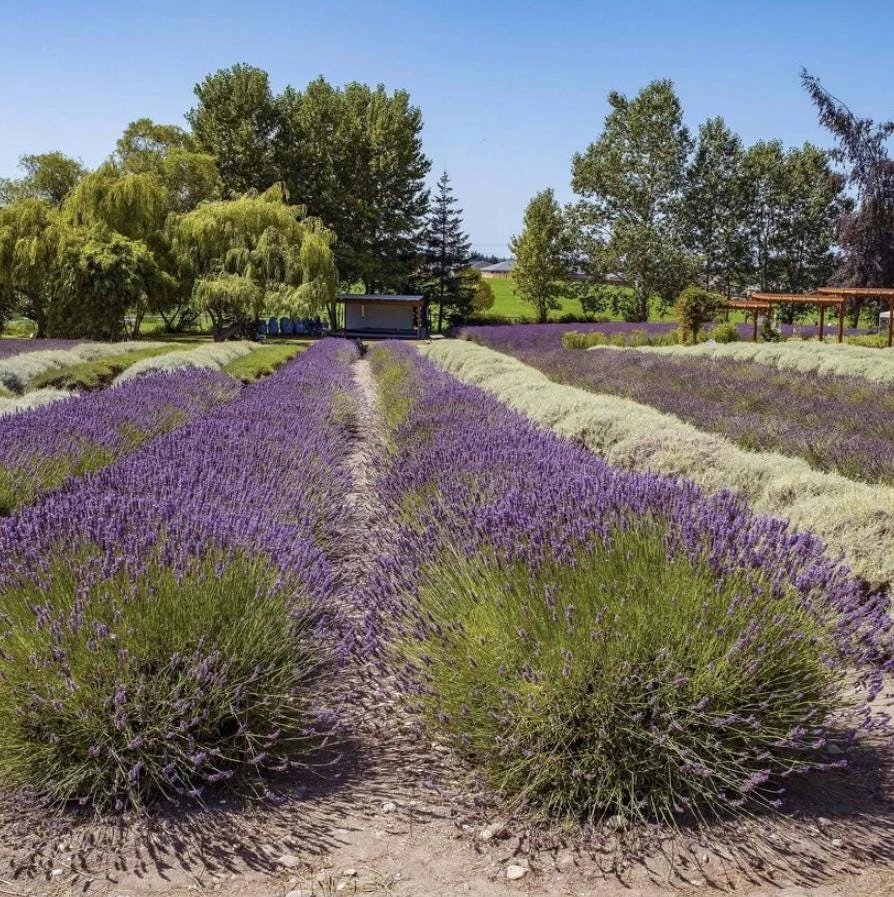
This offering is for a vibrant English lavender live plant, shipped well-rooted and ready for immediate transplanting. Each plant stands approximately 1 to 2 inches tall at the time of shipment, making it a manageable size for establishing in various garden settings. It arrives nestled securely in a 5-inch nursery pot, providing ample space for its initial root development and ensuring a smooth transition to your garden or larger container. English lavender typically grows into a compact, bushy shrub, reaching a mature height of 1 to 2 feet and a similar spread, depending on growing conditions and pruning. Expect the first fragrant purple lavender plant blooms to appear within the first year, with more prolific flowering in subsequent seasons as the plant matures. Its moderate growth rate allows for easy integration into existing garden designs without quickly outgrowing its space. This plant ships as a live, healthy specimen, carefully packaged to ensure its safe arrival.
Frequently Asked Questions
- Q: How big does this English lavender live plant get? A: This particular plant is 1-2 inches tall at shipment and comes in a 5-inch pot. When mature, Lavandula angustifolia typically grows to about 1-2 feet tall and wide, forming a compact, bushy shrub.
- Q: What size pot does it come in? A: The English lavender live plant is shipped in a 5-inch nursery pot, providing a healthy start for its root system. You can transplant it directly into your garden or a larger container upon arrival.
- Q: Is this an indoor or outdoor plant? A: English Lavender is primarily an outdoor plant, thriving in full sun. However, it can be grown indoors in a very sunny location, such as a south-facing window, with proper care and air circulation.
- Q: How much sunlight does it need? A: This full sun lavender variety requires at least 6-8 hours of direct sunlight daily to produce abundant flowers and maintain its strong fragrance. Full sun exposure is crucial for its health.
- Q: Is this plant easy to care for? A: Yes, English Lavender is considered a low-maintenance plant once established. It’s drought-tolerant and doesn’t require frequent fertilization, making it suitable for beginners.
- Q: What condition will it arrive in? A: Your fragrant lavender plant will arrive as a well-rooted, live specimen, carefully packaged to minimize stress during transit. It will be ready for transplanting into your garden or a larger pot.
- Q: Can I use English lavender in cooking? A: Absolutely! English Lavender is known for its culinary uses. The flowers can be used to flavor baked goods, teas, and desserts, adding a unique floral note.
- Q: How long until it blooms? A: This young English lavender live plant may produce its first blooms in the initial growing season, with more extensive flowering expected in subsequent years as it matures and establishes itself.
- Q: When is the best time to plant English lavender? A: The best time to plant English Lavender is in spring after the last frost, or in early fall in milder climates. This allows the plant time to establish its roots before extreme temperatures.
- Q: Will it survive winter in my zone? A: English Lavender is hardy in USDA Zones 5-9. If you are within these zones, it should survive winter outdoors. In colder zones, consider providing winter protection or growing it in containers that can be moved indoors.
Be the first to review “English Lavender Live Plant – 5″ Pot – 1-2″ Tall – Fragrant Purple Flowers”
Related products


You May Like

Hardneck vs. Softneck Garlic: Which Should You Grow?
Have you ever stood in front of a seed catalog in mid-September, staring at dozens [...]
Oct

When to Plant Music Garlic: Ultimate US Fall Guide
Have you ever spent your fall weekend placing carefully chosen garlic cloves into rich, dark [...]
1 Comment
Oct

5 Best Bulbs for Fall Planting: Brighten Your Garden This Spring
Are you dreaming of a garden full of vibrant colors in the spring? The key [...]
Aug

10 Houseplants That Will Thrive in Your Kitchen
Are you tired of your kitchen feeling dull and lifeless? Want to add a little [...]
1 Comment
Aug
Reviews
There are no reviews yet.