
Wild Strawberry Live Plant – 3-Inch Pot – Edible Sweet Berries – Ground Cover
Original price was: 51.99 $.31.99 $Current price is: 31.99 $.
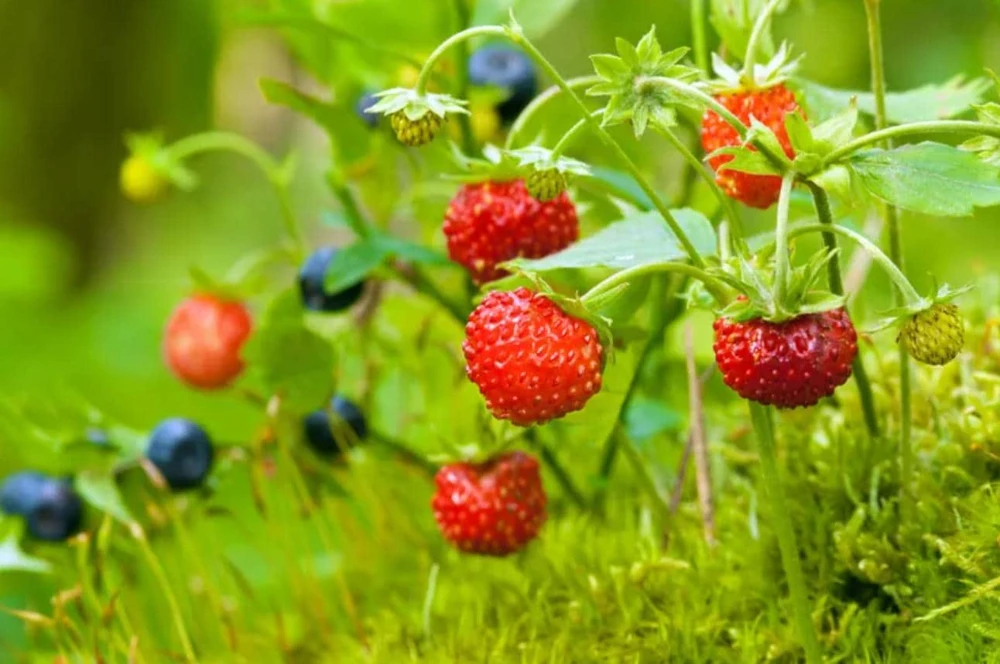
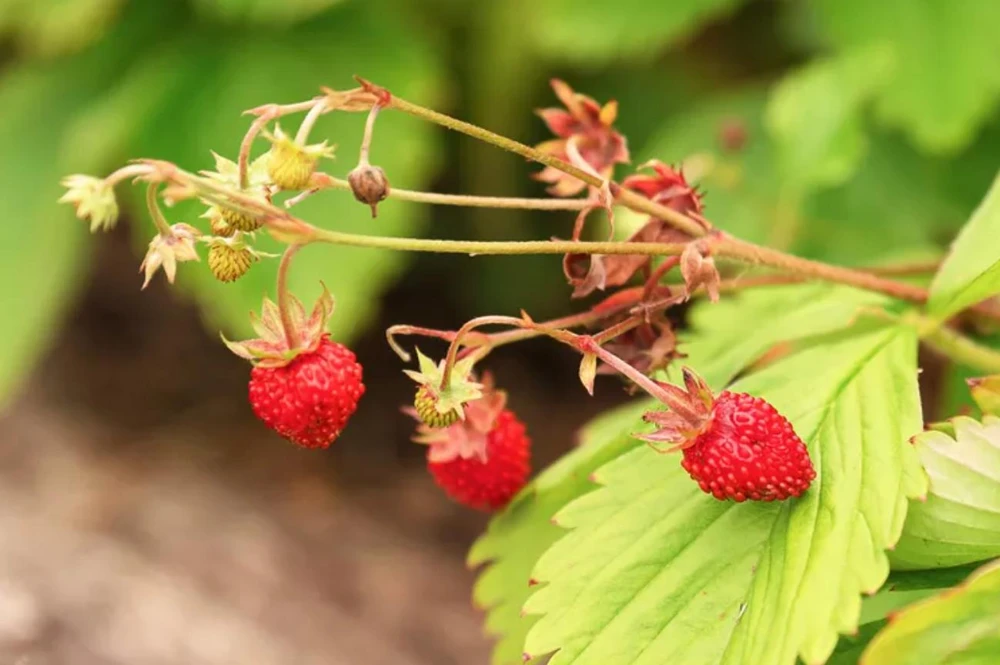
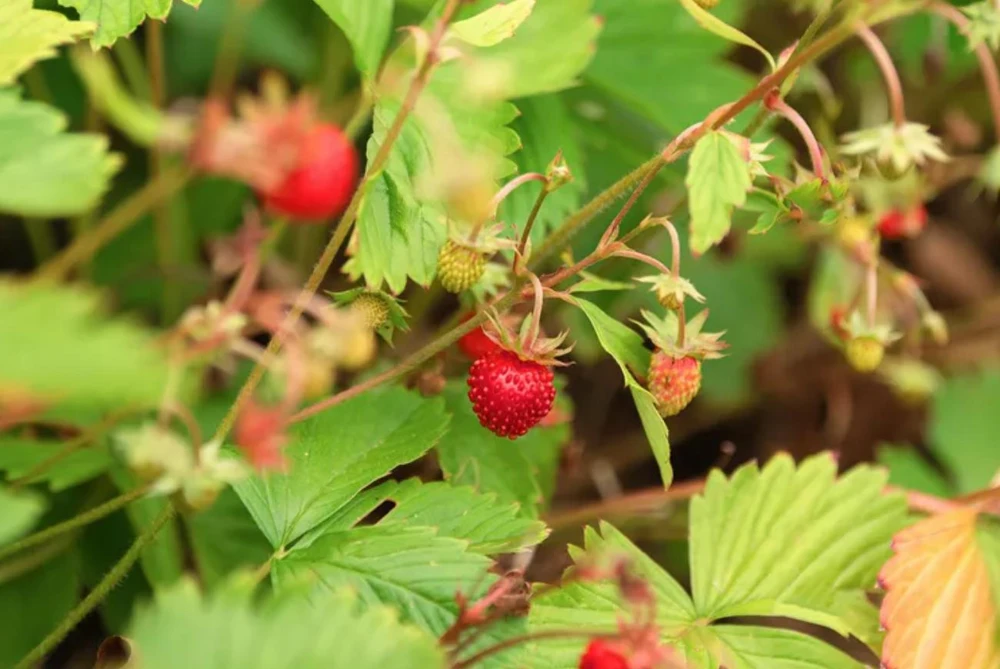
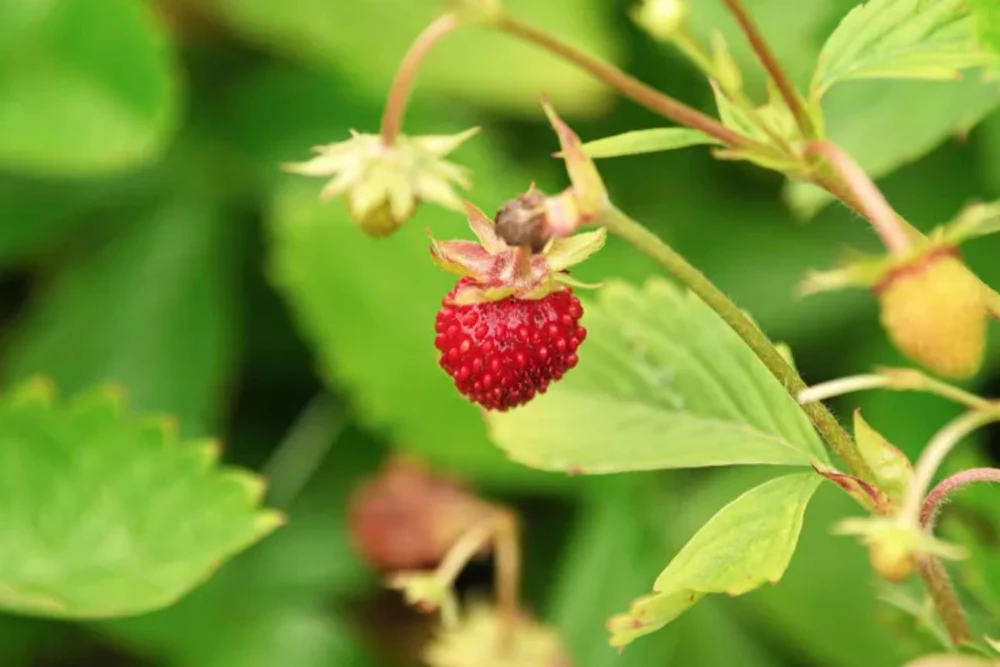
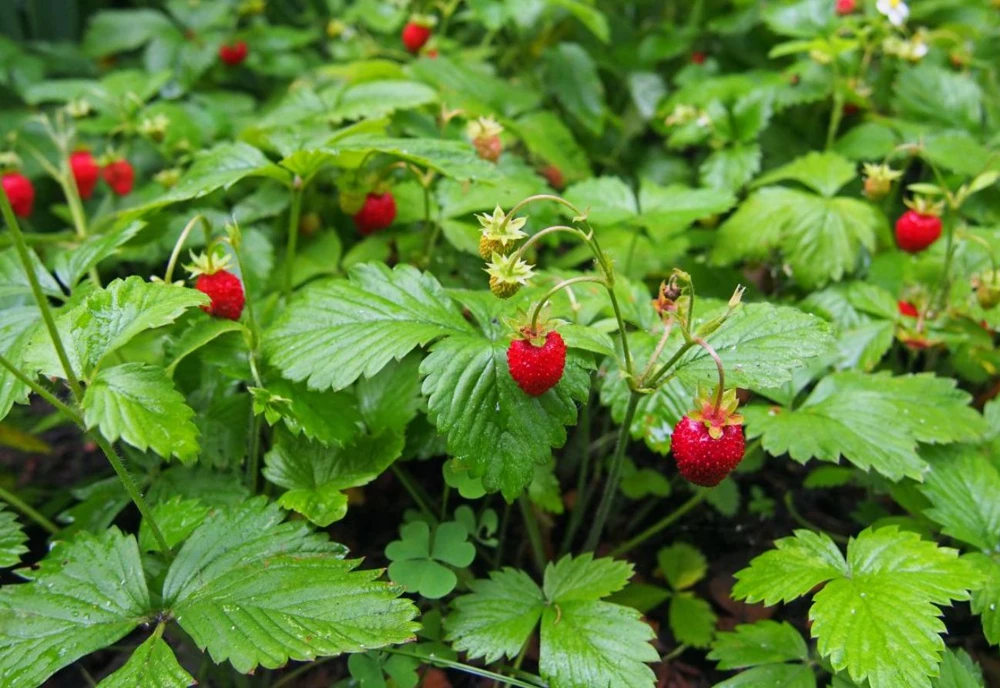
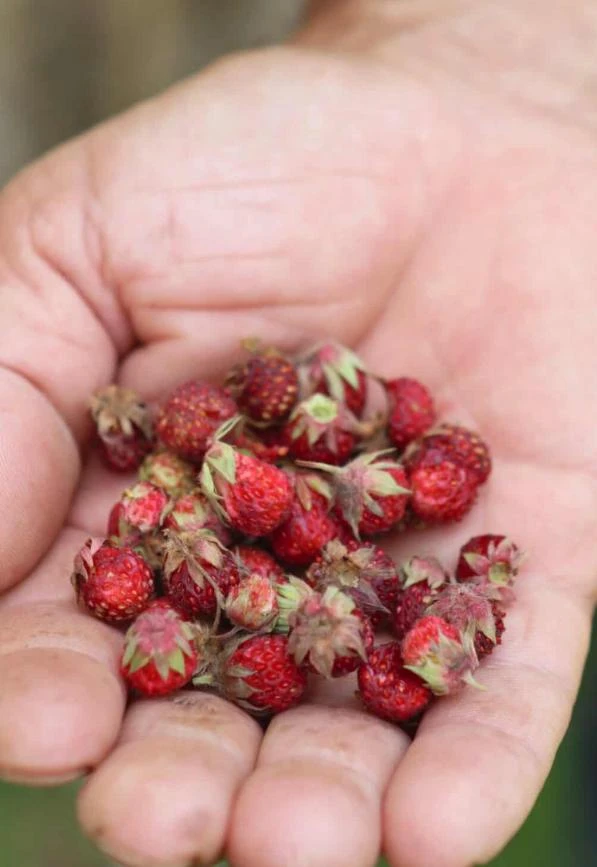
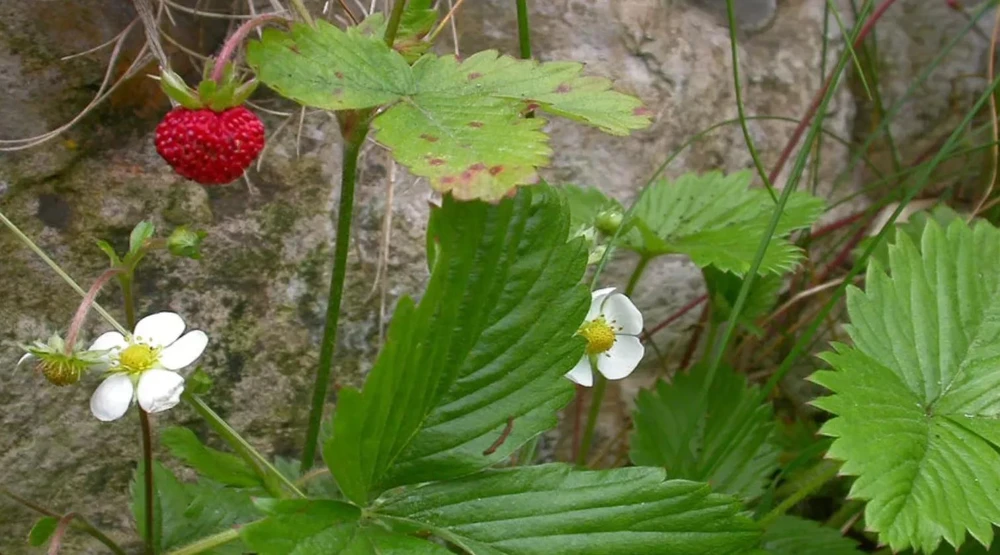
Bring the joy of fresh, sweet berries to your garden with this wild strawberry live plant. Grown in a 3-inch pot, this low-growing perennial is ideal for garden beds, containers, or as an attractive, edible ground cover. Enjoy delicate white flowers followed by bright red, flavorful fruit.
Estimated arrival
Oct 19
Oct 24 - Oct 26
Oct 26 - Oct 31
See our Shipping Policy.
Get in touch with us via email, and our team will review your concerns.
Our Alive & Thrive Guarantee covers issues with your plants within the first 30 days. Read our Refund & Returns Policy.
-
USDA Hardiness Zone
USDA Zones 3-9 -
Soil Type
Well-drained, fertile, humus-rich soil -
Sunlight Exposure
Full sun to partial shade -
Expected Planting Period
Spring to early summer
Overview
Discover the charm and deliciousness of growing your own wild strawberry live plant. This delightful perennial, scientifically known as Fragaria vesca, offers a bounty of small, intensely sweet, and aromatic berries right in your own backyard or patio. Unlike their larger cultivated cousins, wild strawberries boast a concentrated flavor that is truly unforgettable. This healthy plant, delivered in a 3-inch pot, is ready to be transplanted and quickly establish itself, bringing beauty and edible rewards to your outdoor space. Perfect for gardeners seeking a low-maintenance yet highly rewarding fruiting plant, the wild strawberry live plant is a versatile addition to any landscape.
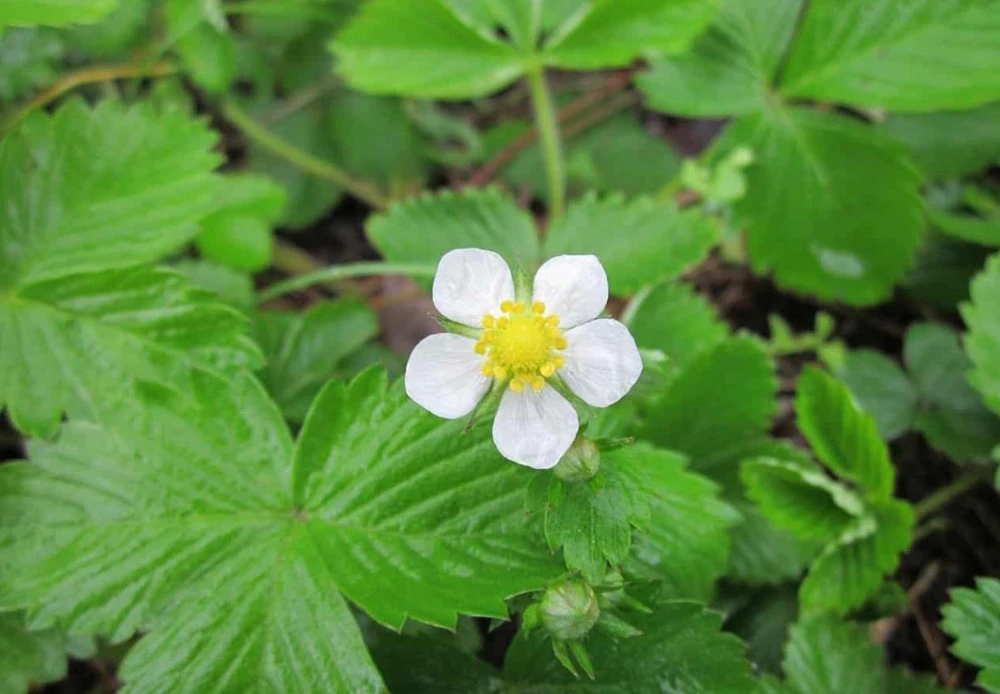
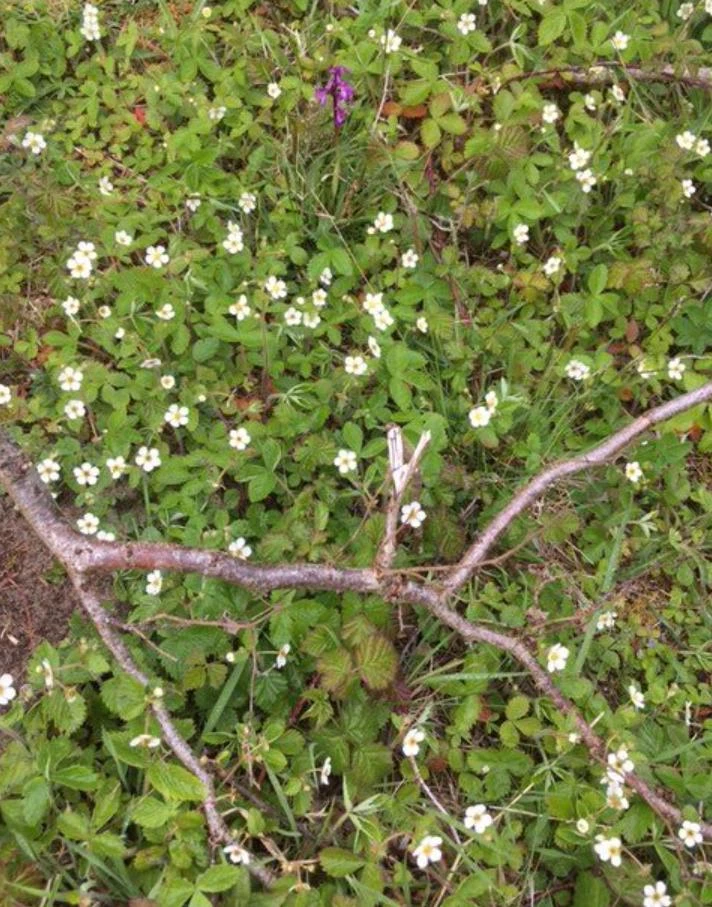
Valued for its vigorous growth habit and charming appearance, the wild strawberry plant produces delicate white flowers in spring, which then mature into vibrant red berries throughout the growing season. Its spreading nature makes it an excellent choice for ground cover, while its compact size also makes it ideal for container gardening. Whether you’re creating an edible landscape, filling a hanging basket, or naturalizing a sunny spot, this fragaria vesca plant is sure to become a favorite.
Key Benefits
Adding a wild strawberry live plant to your garden offers numerous advantages beyond just delicious fruit. Its versatility and charming appearance make it a valuable asset for various landscape designs and gardening styles.
- Abundant Edible Fruit: Enjoy a continuous harvest of small, incredibly sweet, and flavorful red berries from late spring through summer. These berries are perfect for snacking, desserts, jams, or as a delightful garnish.
- Versatile Garden Use: This low-growing plant excels as a ground cover, filling in bare spots with lush green foliage and pretty white flowers. It’s also perfect for container gardening, raised beds, or hanging baskets, making it suitable for any size garden.
- Attractive Foliage & Flowers: Beyond its fruit, the wild strawberry live plant offers attractive, bright green, trifoliate leaves and delicate white flowers that add visual interest to your garden throughout the growing season.
- Low Maintenance & Hardy: Once established, these plants are remarkably easy to care for, requiring minimal attention. They are hardy in many climates and generally resistant to common pests and diseases, making them ideal for beginner gardeners.
- Natural Spreading Habit: With its ability to produce runners, this plant naturally spreads, helping to establish a beautiful, edible carpet. This makes it an excellent choice for naturalizing areas or preventing soil erosion on slopes.
- Pollinator Friendly: The small white flowers attract beneficial pollinators like bees and butterflies to your garden, contributing to a healthier ecosystem and improving fruit set for other plants.
- Edible Landscape Element: Integrate this plant into your edible landscape design. It provides both ornamental beauty and a delicious harvest, enhancing the functionality and aesthetics of your garden space.
Plant Care & Growing Tips
Caring for your wild strawberry live plant is straightforward, ensuring you’ll enjoy a bountiful harvest and attractive foliage with minimal effort. These plants are quite resilient and adaptable, making them a great choice for gardeners of all skill levels. Upon arrival, plant your wild strawberry in its desired location as soon as possible. If planting in the ground, ensure proper spacing to allow for runner spread, typically 6-12 inches apart. For containers, a pot at least 6 inches in diameter is recommended to allow for root development.
Sunlight: Wild strawberries thrive in a location that receives full sun to partial shade. Full sun (6+ hours of direct sunlight per day) will generally result in more abundant fruit production, while partial shade (3-6 hours of direct sun, especially afternoon shade in hot climates) can help prevent the plants from drying out too quickly. Watering: Keep the soil consistently moist but never waterlogged. Wild strawberries prefer even moisture, so check the soil regularly, especially during dry spells and when plants are fruiting. Avoid overhead watering if possible to minimize leaf diseases; instead, water at the base of the plant. Soil: These plants prefer well-drained, fertile soil that is rich in organic matter. A slightly acidic to neutral pH (6.0-7.0) is ideal. Amend heavy clay soils with compost to improve drainage, and sandy soils with compost to improve water retention. Temperature & Hardiness: Wild strawberries are quite hardy and can tolerate a range of temperatures. They are typically hardy in USDA Zones 3-9. In colder climates, a layer of mulch applied in late fall can provide winter protection. Fertilization: A balanced, all-purpose fertilizer can be applied every 4-6 weeks during the active growing season (spring and summer). Avoid over-fertilizing, which can promote leafy growth at the expense of fruit production. Pruning: Trim runners as needed to control the spread of the plant, especially if you’re growing them in containers. Runners can also be rooted to propagate new plants. Remove any yellowing or diseased leaves to maintain plant health and vigor. With proper care, your grow wild strawberries will flourish.
Size & Details
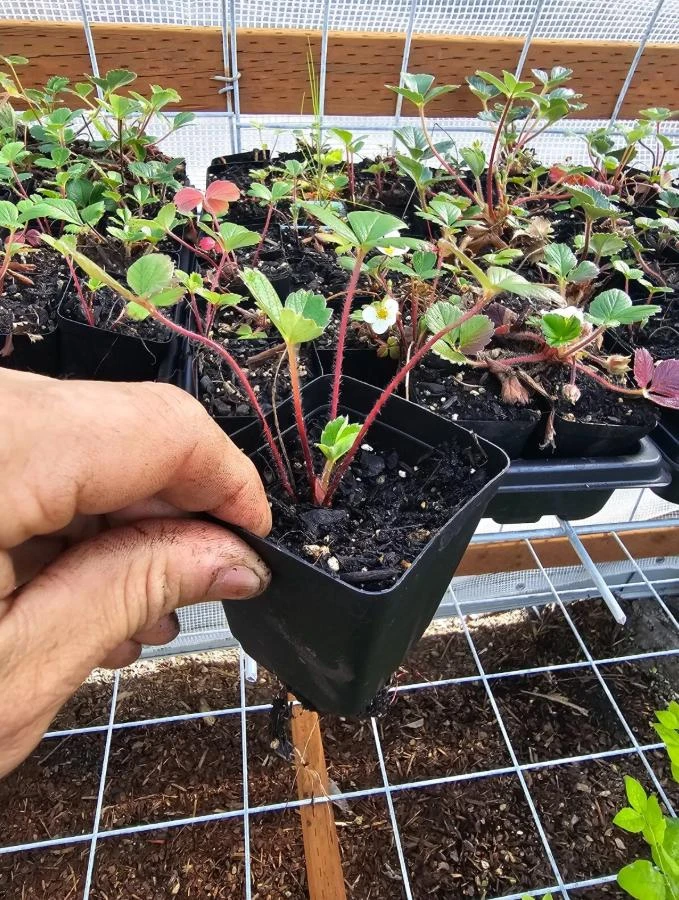
This offering is for one healthy wild strawberry live plant, shipped in a 3-inch nursery pot. The plant is well-rooted and ready for immediate transplanting into your garden or preferred container. Wild strawberry plants typically remain low-growing, reaching a height of about 4-8 inches, with a spreading habit due to their runners. The spread can vary widely depending on growing conditions, often forming a dense mat of foliage over time. Expected bloom time is from spring to early summer, with fruit production following from late spring through summer.
Your low growing berry plant will arrive carefully packaged to ensure its health during transit. These plants have a moderate growth rate, establishing quickly in suitable conditions. They are perennial, meaning they will return year after year, providing a long-term source of delicious berries and attractive ground cover. The small, bright red berries are typically about 0.5 inches in diameter, packed with intense flavor. This compact size makes them perfect for small spaces or integrating into existing garden designs.
Frequently Asked Questions
- Q: How big does this wild strawberry live plant get? A: This wild strawberry live plant typically grows 4-8 inches tall and spreads via runners, forming a low-growing mat. Its spread can be controlled by trimming runners.
- Q: What size pot does it come in? A: Each live plant is shipped in a 3-inch nursery pot, perfectly sized for safe transport and ready for transplanting.
- Q: Is this an indoor or outdoor plant? A: Wild strawberries are primarily outdoor plants, thriving in garden beds, containers on patios, or as ground cover. They can be grown indoors temporarily under very bright light, but prefer outdoor conditions.
- Q: How much sunlight does it need? A: This plant prefers full sun to partial shade. For the best fruit production, aim for at least 6 hours of direct sunlight per day. In very hot climates, some afternoon shade is beneficial.
- Q: Is this plant easy to care for? A: Yes, wild strawberries are considered very easy to care for, making them suitable for beginners. They require consistent moisture and well-drained soil, but are generally low-maintenance once established.
- Q: What condition will it arrive in? A: Your fragaria vesca plant will arrive healthy, well-rooted, and carefully packaged to ensure it reaches you in excellent condition, ready for planting.
- Q: Is it shipped in soil? A: Yes, the plant is shipped in its 3-inch nursery pot with soil, ensuring its roots remain moist and protected during transit.
- Q: Can I eat the berries from this plant? A: Absolutely! The berries from this edible ground cover plant are small, sweet, and highly flavorful, perfect for fresh eating, desserts, or making jams.
- Q: How long until it produces fruit? A: Depending on when you plant it, your wild strawberry plant may produce fruit in its first year, typically from late spring through summer. Established plants will yield more abundantly.
- Q: Will it survive winter in my zone? A: Wild strawberries are hardy in USDA Zones 3-9. In colder zones, a layer of mulch can help protect them over winter. They are perennial and will return each spring.
Be the first to review “Wild Strawberry Live Plant – 3-Inch Pot – Edible Sweet Berries – Ground Cover”
Related products


You May Like

Hardneck vs. Softneck Garlic: Which Should You Grow?
Have you ever stood in front of a seed catalog in mid-September, staring at dozens [...]
Oct

When to Plant Music Garlic: Ultimate US Fall Guide
Have you ever spent your fall weekend placing carefully chosen garlic cloves into rich, dark [...]
1 Comment
Oct

5 Best Bulbs for Fall Planting: Brighten Your Garden This Spring
Are you dreaming of a garden full of vibrant colors in the spring? The key [...]
Aug

10 Houseplants That Will Thrive in Your Kitchen
Are you tired of your kitchen feeling dull and lifeless? Want to add a little [...]
1 Comment
Aug
Reviews
There are no reviews yet.