
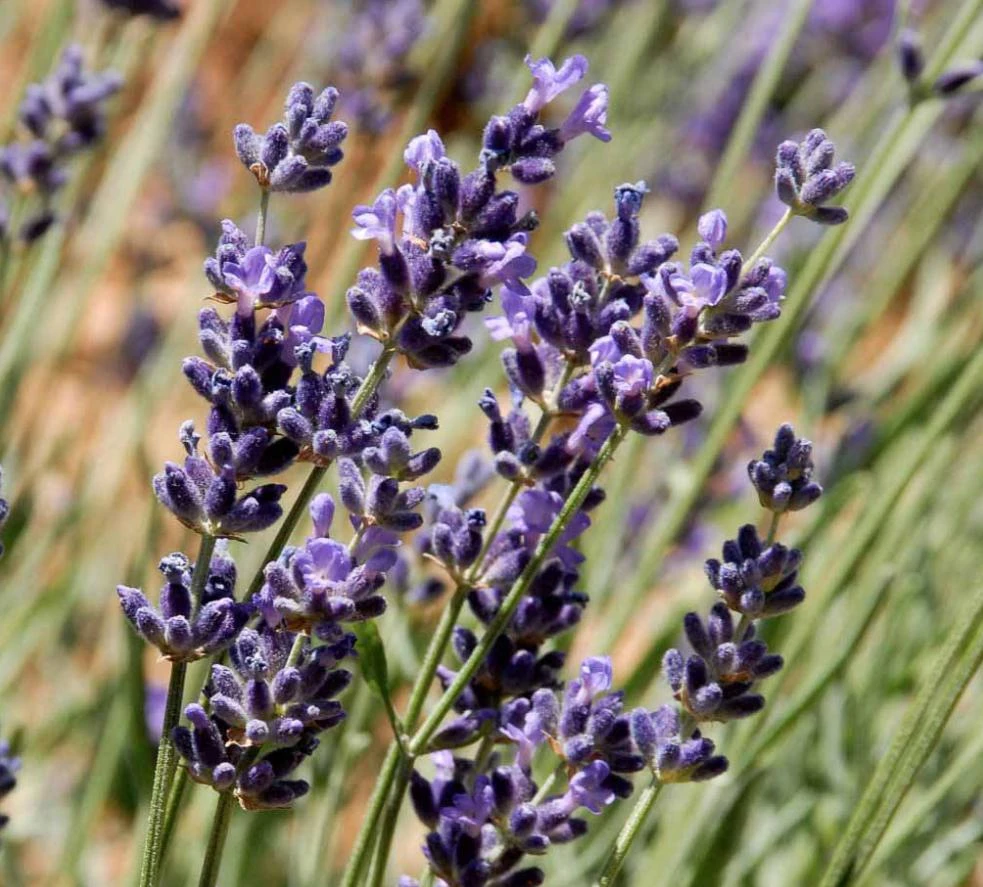
English Lavender Live Plant – 3″ Pot – Aromatic Herb – Pollinator-Friendly Garden
Original price was: 32.79 $.12.79 $Current price is: 12.79 $.
Bring timeless fragrance and beauty to your garden with this English lavender live plant. Grown in a 3-inch pot, this aromatic herb is ideal for herb gardens, attracting pollinators, or adding an elegant touch to containers and landscapes. Known for its calming scent and drought tolerance.
Estimated arrival
Oct 19
Oct 24 - Oct 26
Oct 26 - Oct 31
See our Shipping Policy.
Get in touch with us via email, and our team will review your concerns.
Our Alive & Thrive Guarantee covers issues with your plants within the first 30 days. Read our Refund & Returns Policy.
-
USDA Hardiness Zone
USDA Zones 5-9 -
Soil Type
Well-draining, sandy soil -
Sunlight Exposure
Full sun -
Expected Planting Period
Spring to early summer
Overview
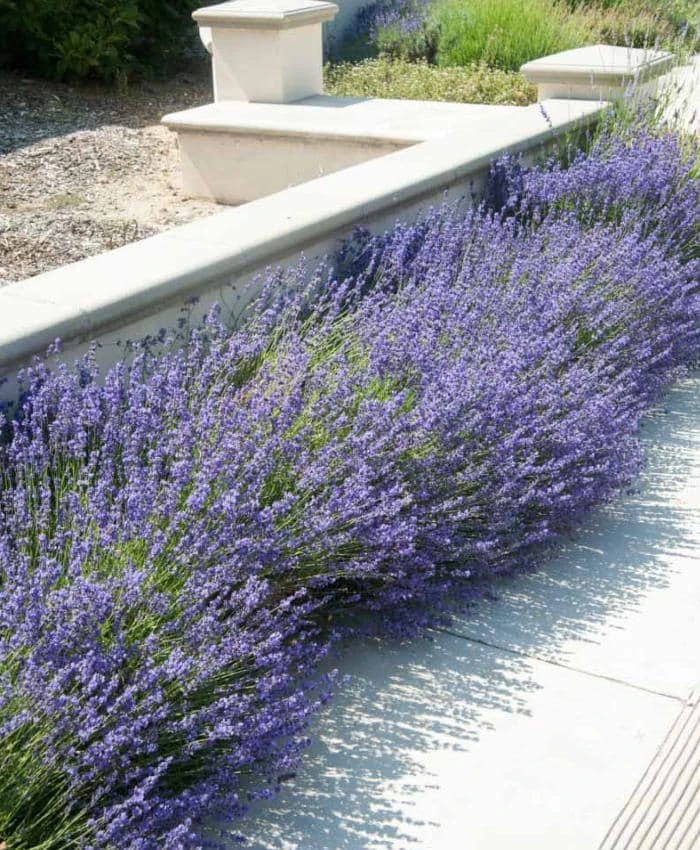
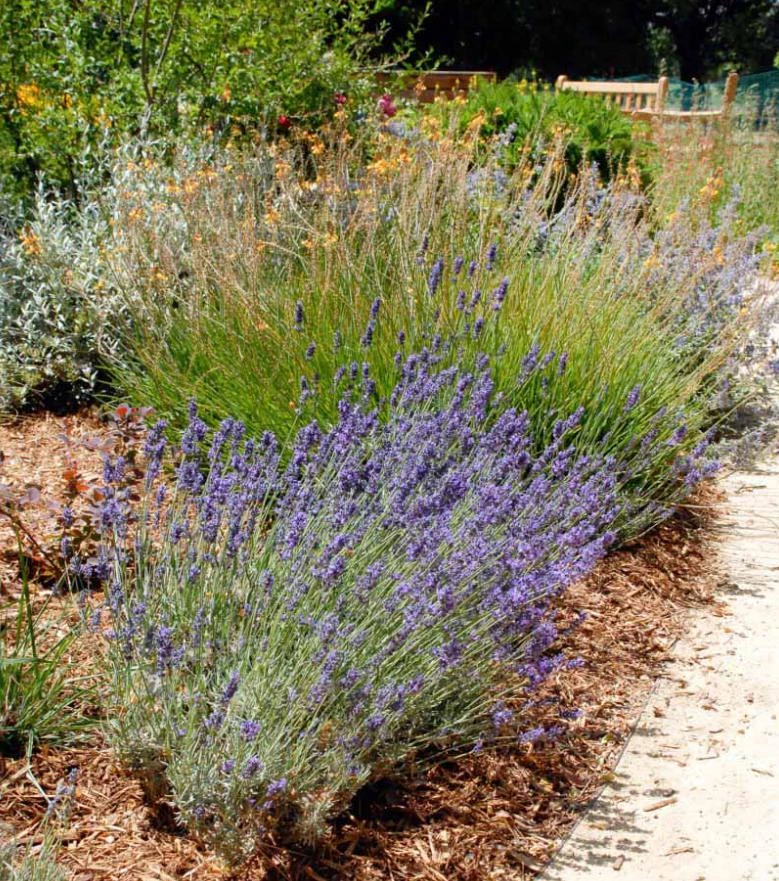
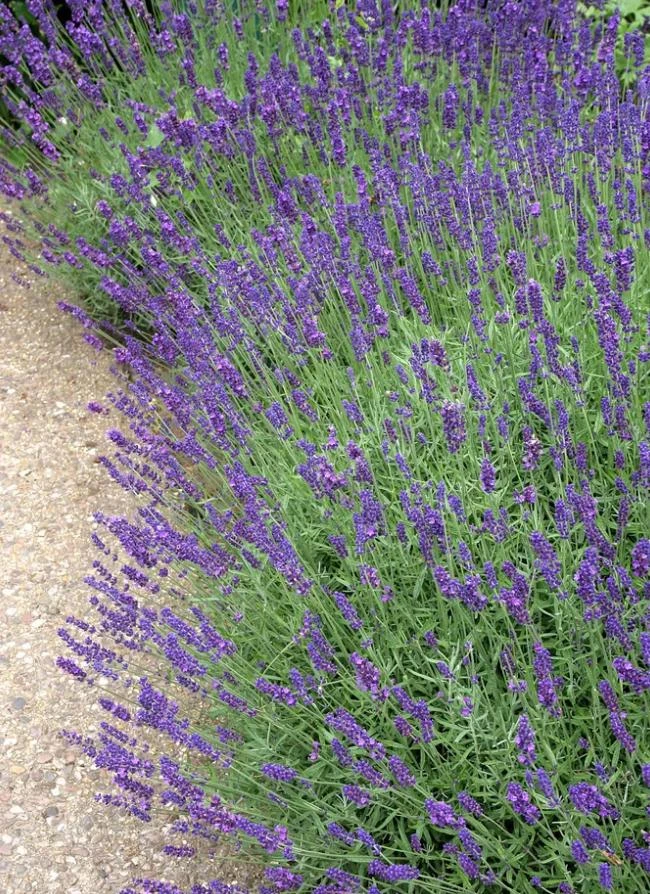
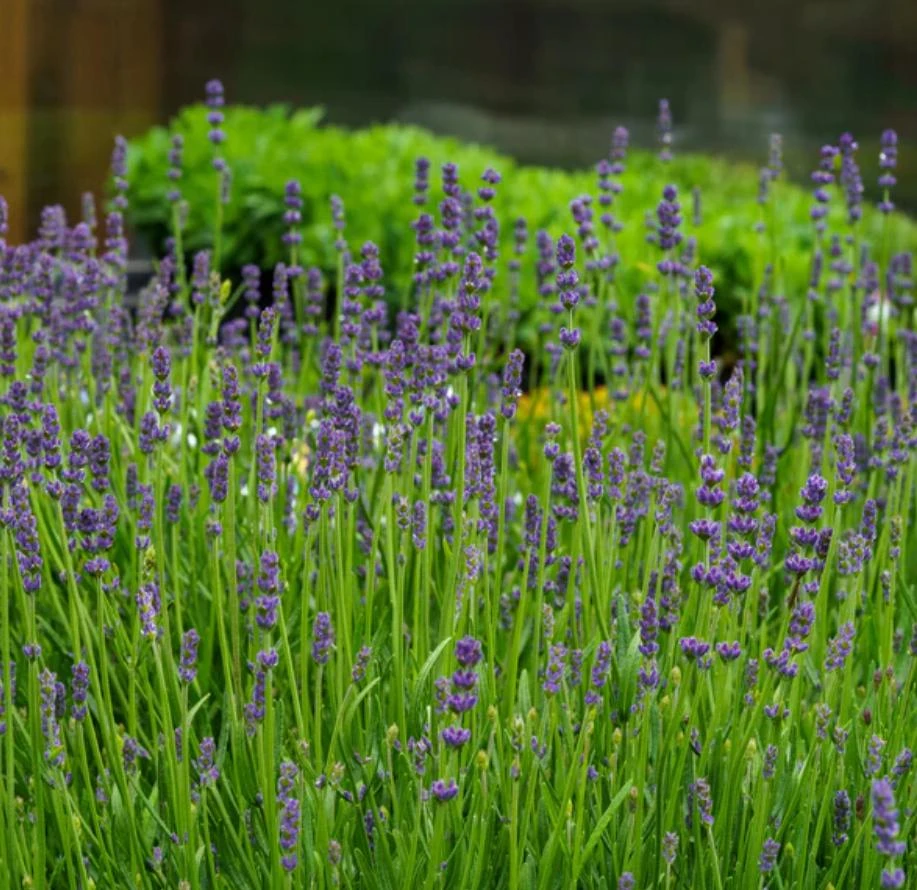
Introduce delightful fragrance and classic beauty to your outdoor space with this exquisite English lavender live plant. Arriving in a compact 3-inch nursery pot, this young plant is ready to be transplanted into your garden, patio container, or herb bed. English Lavender, scientifically known as Lavandula angustifolia, is celebrated for its soothing aroma, vibrant purple flower spikes, and its ability to thrive in various conditions. It’s a perennial aromatic herb that will return year after year, offering both visual appeal and a calming sensory experience. This starter plant provides an excellent foundation for creating a fragrant, pollinator-friendly haven in your garden.
Whether you’re looking to enhance your culinary herb collection, attract beneficial insects, or simply enjoy the serene beauty of lavender, this plant is a perfect choice. Its compact growth habit makes it versatile for different garden designs, from formal borders to rustic cottage gardens. The graceful purple blooms and silvery-green foliage of this fragrant lavender plant will become a cherished addition to your home.
Key Benefits
Cultivating an English lavender live plant offers a multitude of benefits, from enhancing your garden’s aesthetics to providing aromatic and culinary uses. This versatile plant is a must-have for any gardener seeking beauty, fragrance, and ecological value.
- Aromatic Fragrance: Enjoy the classic, calming scent of English Lavender, renowned for its stress-reducing properties and ability to create a tranquil atmosphere in your garden or home.
- Pollinator Attraction: This plant is a fantastic pollinator friendly plant, drawing in bees, butterflies, and other beneficial insects, which helps support local ecosystems and improve garden biodiversity.
- Drought Tolerance: Once established, Lavandula angustifolia is highly drought-tolerant, requiring minimal watering and making it an excellent choice for water-wise gardening.
- Culinary & Medicinal Uses: The flowers and leaves can be used in cooking, teas, and homemade remedies, adding a unique flavor and aroma, making it a valuable lavender plant care addition to any herb garden.
- Ornamental Appeal: With its elegant purple flower spikes and attractive silvery-green foliage, English Lavender provides continuous visual interest throughout the growing season.
- Deer & Rabbit Resistant: The strong aroma of lavender tends to deter deer and rabbits, protecting your garden from common pests.
- Low Maintenance: This hardy perennial requires relatively little care once established, making it suitable for both experienced gardeners and beginners.
Plant Care & Growing Tips
Ensuring the health and vitality of your English lavender live plant is straightforward with proper care. English Lavender thrives in conditions that mimic its Mediterranean origins, preferring plenty of sun and well-draining soil. For optimal growth, plant your lavender in a location that receives full sun, meaning at least 6-8 hours of direct sunlight per day. Adequate sunlight is crucial for prolific flowering and strong fragrance. When planting, ensure the soil is well-amended to promote excellent drainage, as lavender dislikes wet feet.
Watering should be done sparingly once the plant is established. Allow the soil to dry out completely between waterings to prevent root rot. Overwatering is a common mistake with lavender, so err on the side of underwatering. English Lavender prefers a sandy, well-draining soil with low to moderate fertility. Avoid rich, heavy soils that retain too much moisture. Fertilization is generally minimal; a light feeding in early spring can support healthy growth and flowering, but too much fertilizer can reduce flower production and fragrance intensity. Pruning is essential for maintaining the plant’s shape and encouraging new blooms. Trim your lavender after its main flowering period, removing spent flower spikes and shaping the plant to prevent it from becoming woody. In colder regions, providing some protection from excessive winter moisture can help ensure overwintering success for your Lavandula angustifolia.
Size & Details
This offering includes one English lavender live plant, shipped as a small starter plant in an individual 3-inch nursery pot. The pot size reflects the development of the root system, providing a robust foundation for transplanting. While the shipped plant will be a smaller, starter size, it is healthy and ready for establishment in your garden. English Lavender typically grows to a mature height of 1.5 to 2 feet tall and spreads about 2 to 2.5 feet wide, forming a compact, mounding shrub. The growth rate is moderate, and you can expect it to reach a good size within one to two growing seasons with proper lavender plant care. The plant will develop its full fragrant purple flower spikes as it matures, usually blooming from late spring through summer. This starter plant provides a head start on cultivating this beloved herb.
Frequently Asked Questions
- Q: How big will my English lavender plant get? A: Your English lavender live plant will arrive in a 3-inch pot as a starter. Once mature and planted in the ground, it typically grows to about 1.5 to 2 feet tall and 2 to 2.5 feet wide.
- Q: Is this an indoor or outdoor plant? A: English Lavender is primarily an outdoor plant, thriving in full sun. While it can be grown indoors temporarily in a very bright, sunny spot, it generally performs best in outdoor garden settings.
- Q: How much sunlight does English lavender need? A: This plant requires full sun, meaning at least 6 to 8 hours of direct sunlight per day, for optimal growth, flowering, and fragrance.
- Q: Is this plant easy to care for? A: Yes, English Lavender is considered relatively low-maintenance once established. It’s drought-tolerant and doesn’t require frequent fertilization, making it a great choice for beginners looking for a fragrant lavender plant.
- Q: What condition will the plant arrive in? A: Your plant will arrive as a healthy, small starter plant in a 3-inch pot. Live specimens may vary slightly in size and shape upon arrival, but they are carefully packaged for safe transit.
- Q: When is the best time to plant English lavender? A: The best time to plant English Lavender is in spring after the last frost, or in early fall in warmer climates. This allows the plant to establish its root system before extreme temperatures.
- Q: Will English lavender attract bees and butterflies? A: Absolutely! English Lavender is a fantastic pollinator friendly plant, highly attractive to bees, butterflies, and other beneficial insects, making it a wonderful addition to any pollinator garden.
- Q: Can I use the lavender for culinary purposes? A: Yes, the flowers and leaves of Lavandula angustifolia are commonly used in culinary applications, such as teas, baked goods, and savory dishes, adding a unique aromatic flavor.
- Q: What kind of soil does this plant prefer? A: English Lavender thrives in well-draining soil, preferably sandy or gravelly soil with a neutral to slightly alkaline pH. Good drainage is crucial to prevent root rot.
- Q: Is English lavender hardy in my climate? A: English Lavender is generally hardy in USDA Zones 5-9. In colder zones, it may require winter protection, especially from excessive moisture, to survive.
Be the first to review “English Lavender Live Plant – 3″ Pot – Aromatic Herb – Pollinator-Friendly Garden”
Related products


You May Like

Hardneck vs. Softneck Garlic: Which Should You Grow?
Have you ever stood in front of a seed catalog in mid-September, staring at dozens [...]
Oct

When to Plant Music Garlic: Ultimate US Fall Guide
Have you ever spent your fall weekend placing carefully chosen garlic cloves into rich, dark [...]
1 Comment
Oct

5 Best Bulbs for Fall Planting: Brighten Your Garden This Spring
Are you dreaming of a garden full of vibrant colors in the spring? The key [...]
Aug

10 Houseplants That Will Thrive in Your Kitchen
Are you tired of your kitchen feeling dull and lifeless? Want to add a little [...]
1 Comment
Aug
Reviews
There are no reviews yet.