
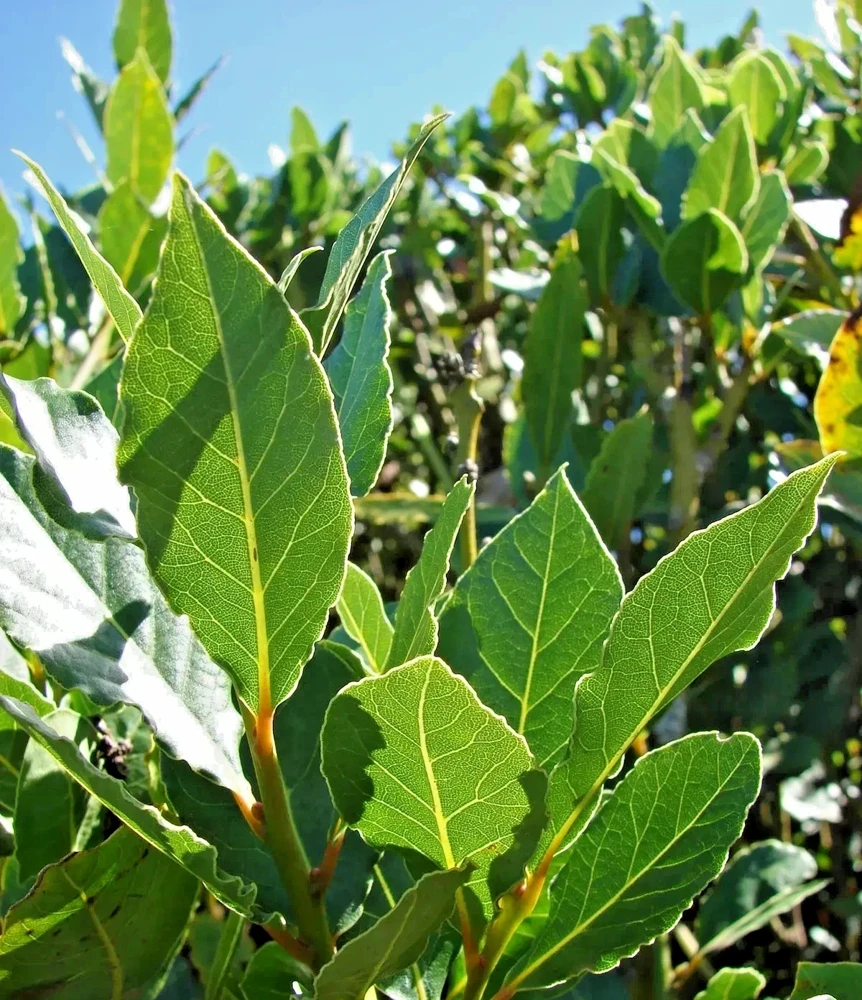
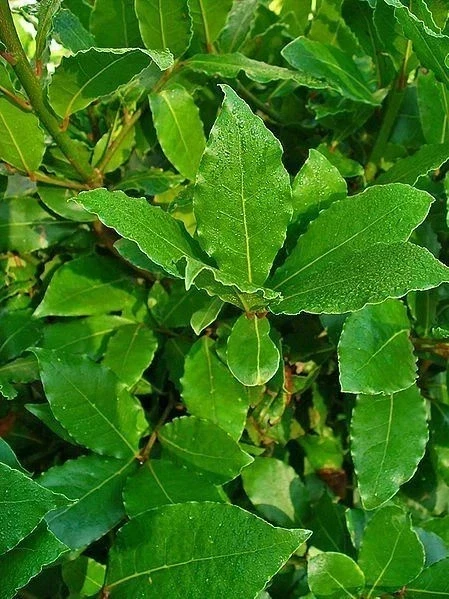
Bay Laurel Live Plant (5-7 Inches Tall) – Laurus Nobilis Culinary Herb
Original price was: 49.26 $.29.26 $Current price is: 29.26 $.
Cultivate your own aromatic herbs with this vibrant bay laurel live plant (Laurus Nobilis), standing 5-7 inches tall. Ideal for both indoor and outdoor settings, this plant provides a continuous supply of fresh, fragrant bay leaves perfect for enhancing your culinary creations. A must-have for any herb garden or kitchen.
Estimated arrival
Oct 19
Oct 24 - Oct 26
Oct 26 - Oct 31
See our Shipping Policy.
Get in touch with us via email, and our team will review your concerns.
Our Alive & Thrive Guarantee covers issues with your plants within the first 30 days. Read our Refund & Returns Policy.
-
USDA Hardiness Zone
USDA zones 8-10 (outdoors), can be grown indoors in all zones -
Soil Type
Well-draining potting mix -
Sunlight Exposure
Full sun to partial shade -
Expected Planting Period
Year-round indoors; Spring to early summer outdoors
Overview
Introduce the timeless elegance and practical utility of the bay laurel live plant into your home or garden. This 5-7 inch tall specimen of Laurus nobilis, commonly known as Bay Laurel, is a perfect starter plant for anyone looking to grow their own fresh culinary herbs. Revered since ancient times for its aromatic leaves and ornamental beauty, the bay laurel is a versatile evergreen shrub or small tree. Its glossy, dark green leaves are a staple in many cuisines worldwide, imparting a subtle, complex flavor to soups, stews, sauces, and roasts. Beyond its kitchen utility, this beautiful plant adds a touch of classic sophistication to patios, balconies, or sunny windowsills. Our healthy bay laurel live plant arrives ready to thrive, offering you the joy of fresh bay leaves right at your fingertips and making it an excellent choice for both novice and experienced gardeners.
The laurus nobilis plant is known for its resilience and adaptability, making it a rewarding addition to any plant collection. Its slow-growing nature allows it to be easily managed in containers, making it suitable for smaller spaces or for bringing indoors during colder months. This particular specimen, at 5-7 inches tall, is at an ideal stage for transplanting into a larger pot or a garden bed, where it can establish strong roots and begin its journey to becoming a productive and beautiful feature in your landscape. Embrace the tradition and flavor that a fresh bay laurel live plant brings to your home.
Key Benefits
Growing your own bay laurel live plant offers a multitude of advantages, from enhancing your cooking to beautifying your living space. This versatile herb is not only a kitchen essential but also a visually appealing plant with historical significance.
- Fresh Culinary Herb Supply: Enjoy an endless supply of fresh, aromatic bay leaves for all your cooking needs. Fresh leaves offer a more vibrant and nuanced flavor compared to dried ones, elevating your dishes to a new level. Having a culinary bay leaf plant ensures you always have the best ingredients at hand.
- Elegant Ornamental Value: With its glossy, dark green foliage, the bay laurel adds a sophisticated touch to any indoor or outdoor setting. It can be pruned into various shapes, making it a popular choice for topiaries and formal garden designs.
- Air Purification: Like many plants, the bay laurel contributes to a healthier indoor environment by absorbing carbon dioxide and releasing oxygen, improving air quality in your home.
- Low Maintenance and Resilient: Once established, the bay laurel is relatively easy to care for, tolerant of various conditions, and generally pest-resistant, making it suitable for busy gardeners.
- Drought Tolerance: Mature bay laurel plants are quite drought-tolerant, requiring less frequent watering once established, which is a great benefit in water-conscious landscapes.
- Natural Insect Repellent: Some find that the strong aroma of bay leaves can help deter certain common household pests, making it a useful plant to have around.
- Symbolic and Historical Significance: The bay laurel has a rich history, symbolizing victory and honor, adding a unique cultural dimension to your garden or home decor.
Plant Care & Growing Tips
Caring for your bay laurel live plant is straightforward, making it an excellent choice for both beginners and experienced gardeners. Proper care will ensure a healthy, productive plant that provides you with fragrant leaves for years to come. Understanding the specific needs of your laurus nobilis plant is key to its success.
Sunlight: Bay laurel thrives in full sun to partial shade. Outdoors, aim for at least 6 hours of direct sunlight per day. If growing indoors, place your plant in a bright, south-facing window where it can receive ample light. If natural light is insufficient, consider supplementing with a grow light. Adequate light promotes dense foliage and stronger growth for your bay laurel live plant.
Watering: Water thoroughly when the top inch of soil feels dry to the touch. Ensure good drainage to prevent root rot. While bay laurel prefers consistently moist soil, it does not like to sit in water. Reduce watering frequency during the cooler months when the plant’s growth slows down. Always check soil moisture before watering.
Soil: Plant your bay laurel in well-draining potting mix. A good quality all-purpose potting soil amended with some perlite or sand for improved drainage works well. The ideal pH range is slightly acidic to neutral (6.0-7.0). Good drainage is crucial for preventing waterlogged roots, which can be detrimental to the health of your growing bay laurel.
Temperature & Hardiness: Bay laurel is hardy in USDA Zones 8-10, preferring mild climates. It can tolerate light frost but should be protected from prolonged freezing temperatures. If you live in a colder climate, it’s best to grow your bay laurel in a container so it can be brought indoors during winter. Ideal indoor temperatures are between 60-75°F (15-24°C).
Fertilization: Fertilize your bay laurel every 2-4 weeks during the growing season (spring and summer) with a balanced liquid fertilizer diluted to half strength. Reduce or stop fertilizing during fall and winter. Over-fertilization can harm the plant, so always follow product instructions.
Pruning: Prune your bay laurel to maintain its shape, size, and encourage bushier growth. The best time to prune is in late winter or early spring before new growth begins. You can also lightly prune throughout the year to harvest leaves. Regular pruning helps to keep your bay tree for cooking productive and attractive.
Size & Details
This offering is for one healthy bay laurel live plant, measuring approximately 5-7 inches in height from the base of the soil to the tip of the tallest leaf. The plant is established in a nursery pot (pot size may vary but is typically a 2-4 inch container), ensuring it has a strong root system ready for transplanting. While the growth rate of bay laurel is considered slow to moderate, this specimen is at an ideal stage to establish quickly in its new environment, whether that be a larger decorative pot or a garden bed.
Upon arrival, your laurus nobilis plant will be carefully packaged to ensure its safe journey. Expect it to be a vibrant green, with healthy foliage indicative of robust growth. With proper care, this plant will gradually mature into a larger shrub or small tree, potentially reaching heights of 10-20 feet in ideal outdoor conditions, or remaining a more compact size when grown in containers and regularly pruned. The leaves are ready for harvest as soon as the plant is established and producing new growth, allowing you to enjoy fresh bay leaves for your culinary endeavors relatively soon after planting.
Frequently Asked Questions
- Q: How big does this bay laurel plant get? A: This particular bay laurel live plant is 5-7 inches tall upon arrival. When grown in the ground outdoors in suitable climates, it can eventually reach 10-20 feet tall. In containers, its size can be controlled with regular pruning, typically staying between 3-6 feet.
- Q: Is this an indoor or outdoor plant? A: Bay laurel can be grown both indoors and outdoors. It thrives outdoors in USDA Zones 8-10. In colder climates, it is best grown in a pot and brought indoors during winter months, making it a versatile laurus nobilis plant.
- Q: How much sunlight does it need? A: Your bay laurel live plant prefers full sun to partial shade, ideally receiving at least 6 hours of direct sunlight per day. If grown indoors, place it in the brightest window available, preferably south-facing.
- Q: Is this plant easy to care for? A: Yes, bay laurel is considered relatively easy to care for once established. It’s quite resilient and tolerant of various conditions, making it suitable for gardeners of all experience levels.
- Q: What condition will it arrive in? A: Your plant will arrive carefully packaged and in good health, with vibrant green foliage and a well-established root system, ready for planting. We take great care to ensure safe transit.
- Q: Can I use the leaves for cooking right away? A: We recommend allowing your culinary bay leaf plant to acclimate to its new environment for a few weeks and establish itself before harvesting leaves. Once it shows new growth, you can begin to harvest sparingly.
- Q: What’s the best time to plant a bay laurel? A: If planting outdoors, spring or early fall is generally best. If planting in a container, you can do so any time of year, provided you protect it from extreme temperatures. This allows the roots to establish before temperature extremes.
- Q: What kind of soil does it need? A: The growing bay laurel prefers well-draining soil. A good quality potting mix amended with perlite or sand for extra drainage is ideal, especially for container planting.
- Q: Is it pet-safe? A: While bay laurel is generally considered mildly toxic to pets if ingested in large quantities, it’s always best to keep plants out of reach of curious pets to avoid any potential issues.
- Q: How often should I water my bay laurel? A: Water when the top inch of soil feels dry. The frequency will depend on factors like temperature, humidity, and pot size. Always ensure good drainage to prevent root rot.
Be the first to review “Bay Laurel Live Plant (5-7 Inches Tall) – Laurus Nobilis Culinary Herb”
Related products


You May Like

Hardneck vs. Softneck Garlic: Which Should You Grow?
Have you ever stood in front of a seed catalog in mid-September, staring at dozens [...]
Oct

When to Plant Music Garlic: Ultimate US Fall Guide
Have you ever spent your fall weekend placing carefully chosen garlic cloves into rich, dark [...]
1 Comment
Oct

5 Best Bulbs for Fall Planting: Brighten Your Garden This Spring
Are you dreaming of a garden full of vibrant colors in the spring? The key [...]
Aug

10 Houseplants That Will Thrive in Your Kitchen
Are you tired of your kitchen feeling dull and lifeless? Want to add a little [...]
1 Comment
Aug
Reviews
There are no reviews yet.