
Goji Berry Cuttings – 5 Live Plant Cuttings, 4-6 Inches Tall, Outdoor
Original price was: 19.98 $.15.99 $Current price is: 15.99 $.
Start your own superfood garden with these Goji Berry live plant cuttings. Each pack contains 5 healthy 4-6 inch cuttings of Lycium Barbarum plant, ready for rooting and planting. Enjoy fresh, edible berries from your own backyard.
Estimated arrival
Oct 19
Oct 24 - Oct 26
Oct 26 - Oct 31
See our Shipping Policy.
Get in touch with us via email, and our team will review your concerns.
Our Alive & Thrive Guarantee covers issues with your plants within the first 30 days. Read our Refund & Returns Policy.
-
USDA Hardiness Zone
USDA zones 5-9 -
Soil Type
Well-draining soil -
Sunlight Exposure
Full Sun -
Expected Planting Period
Spring to early summer
Overview
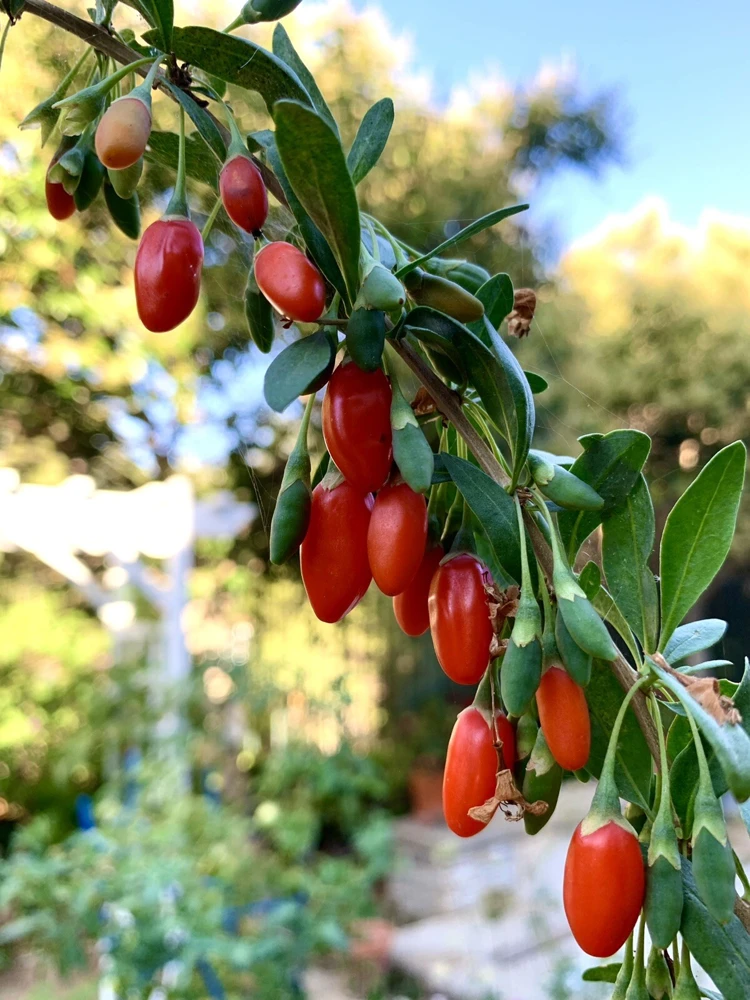
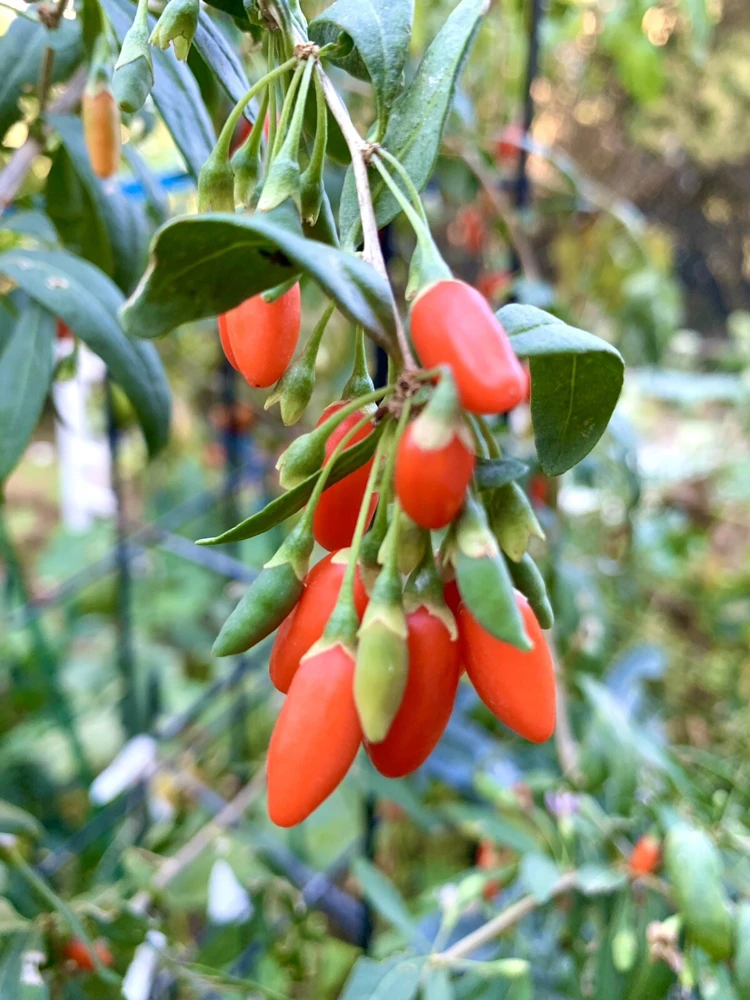
Cultivate your own source of nutrient-rich superfoods with our premium Goji Berry live plant cuttings. Also known as Wolfberry or Lycium Barbarum plant, these robust cuttings offer an excellent opportunity to grow your own Goji Berry bushes. Each order provides 5 healthy cuttings, measuring 4-6 inches in length, carefully selected to ensure strong rooting and successful growth. Goji berries are renowned for their vibrant red color, sweet-tart taste, and exceptional nutritional profile, making them a popular addition to health-conscious diets. These deciduous shrubs are relatively easy to grow and can thrive in various climates, producing an abundance of berries for fresh consumption, drying, or adding to smoothies and cereals. Embrace sustainable living by growing this resilient and rewarding plant in your garden.
Our Goji Berry live plant cuttings are sourced from mature, productive plants, ensuring genetic quality and a higher likelihood of successful establishment. These cuttings are an economical and efficient way to expand your edible landscape, offering a quick start compared to growing from seed. The versatility of the Goji Berry bush allows it to be grown as a standalone shrub, as part of an edible hedge, or even in large containers. With proper care, you can expect these cuttings to develop into fruit-bearing plants, providing you with a continuous harvest of these prized berries for years to come.
Key Benefits
Growing your own Goji Berries offers a multitude of advantages, both for your garden and your well-being. These plants are not only productive but also add a unique aesthetic to your outdoor space. Here are some key benefits of cultivating your own Goji Berry live plant:
- Nutrient-Dense Superfood: Goji berries are packed with antioxidants, vitamins (especially Vitamin C and A), and minerals. Consuming fresh berries from your own plant ensures maximum nutritional value and freshness.
- Homegrown & Organic: By growing your own, you have complete control over the growing conditions, allowing you to cultivate truly organic Goji Berries free from pesticides and unwanted chemicals. This supports a healthy lifestyle and sustainable gardening practices.
- Versatile Culinary Use: The sweet-tart flavor of Goji berries makes them perfect for a variety of culinary applications. Enjoy them fresh, dried as a snack, in smoothies, cereals, yogurts, or even in savory dishes and teas.
- Attractive Garden Addition: Beyond their fruit, Goji Berry bushes feature delicate purple flowers in spring and summer, followed by bright red berries, adding ornamental value to your garden throughout the seasons. They can serve as an attractive and productive hedge or border plant.
- Easy to Grow:Wolfberry plant care is relatively straightforward, making it suitable for gardeners of all experience levels. These plants are tolerant of various soil types and can withstand some drought once established.
- High Yield Potential: Once mature, a single Goji Berry bush can produce a significant amount of fruit, providing a generous harvest for your family. This makes them a very rewarding plant for an edible garden.
- Biennial Growth: Goji Berry plants are often described as biennial in terms of their most productive fruiting, meaning they will produce fruit for many years, with peak production often occurring in the second year and beyond, ensuring a long-term yield from your organic Goji Berry efforts.
Plant Care & Growing Tips
Successful cultivation of your Goji Berry live plant cuttings begins with proper planting and consistent care. These plants are generally resilient, but understanding their specific needs will ensure vigorous growth and abundant fruiting. The first step after receiving your cuttings is to encourage rooting. You can place the cuttings in water or a well-draining rooting medium, ensuring they are kept in a warm, bright location away from direct, harsh sunlight until roots develop. Once rooted, they are ready for planting.
Sunlight requirements: Goji Berry plants thrive in full sun, meaning they need at least 6-8 hours of direct sunlight per day. While they can tolerate some partial shade, especially in hotter climates, optimal fruit production occurs with ample sun exposure. For outdoor planting, choose a spot in your garden that receives morning sun and afternoon sun. If growing in containers, ensure they are placed in a sunny location. Watering schedule and soil moisture preferences: During the establishment phase, keep the soil consistently moist but not waterlogged. Once mature, Goji Berry plants are quite drought-tolerant, but regular watering during dry spells and fruit development will promote larger, juicier berries. Allow the top inch or two of soil to dry out between waterings. Soil type and drainage requirements: Goji Berries prefer well-draining soil with a pH between 6.5 and 7.0, though they are adaptable to slightly acidic or alkaline conditions. Amend heavy clay soils with organic matter like compost or sand to improve drainage. Good drainage is crucial to prevent root rot. Temperature range and USDA hardiness zone: These plants are hardy and can withstand a wide range of temperatures. They are generally suitable for USDA zones 5-9, tolerating winter lows down to -15°F (-26°C). In very cold regions, provide winter protection or grow in containers that can be moved indoors. Fertilization schedule and type: Fertilize your Goji Berry live plant in early spring with a balanced, slow-release granular fertilizer or a compost tea. Avoid excessive nitrogen, which can promote leafy growth at the expense of fruit production. Organic fertilizers are excellent for promoting overall plant health and soil vitality for your organic Goji Berry plants. Common problems and solutions: Goji Berries are relatively pest and disease resistant. Watch out for aphids and spider mites, which can be treated with insecticidal soap. Ensure good air circulation to prevent fungal issues. Pruning is essential for maintaining plant health and maximizing fruit yield. Prune in late winter or early spring to remove dead or weak branches and to shape the plant.
Size & Details
This offering includes 5 individual Goji Berry live plant cuttings, each carefully selected to be between 4 and 6 inches in length. These cuttings are suitable for rooting and establishing new plants, providing a cost-effective way to start your Goji Berry patch. Once rooted and planted, these biennial shrubs can grow to a mature height of 6 to 10 feet with a similar spread, depending on pruning and growing conditions. The growth rate is moderate, with plants typically beginning to bear fruit within 1-2 years of successful establishment from cuttings. They are shipped as bare cuttings, ready for your preferred rooting method.
The mature Goji Berry bush forms an attractive, somewhat sprawling shrub with thorny branches, which is a natural defense mechanism. The small, oval leaves provide a lush green backdrop for the delicate purple flowers that emerge in late spring to early summer, followed by the distinctive bright red berries that ripen from mid-summer through fall. Each Lycium Barbarum plant has the potential to produce a substantial harvest, making it a valuable addition to any edible garden. For optimal fruit production and ease of harvesting, it is often recommended to prune plants to a manageable height and width.
Frequently Asked Questions
- Q: How do I root my Goji Berry cuttings? A: You can root your Goji Berry live plant cuttings in a glass of water, changing the water every few days, or by planting them directly into a well-draining rooting medium like perlite or sand. Keep the medium consistently moist and in a warm, bright location. Roots typically appear within 2-4 weeks.
- Q: How big will my Goji Berry plant get? A: A mature Goji Berry bush can reach a height and spread of 6 to 10 feet. However, they are easily pruned to maintain a smaller, more manageable size, especially if you want to optimize for berry production and ease of harvest.
- Q: Is this an indoor or outdoor plant? A: Goji Berry plants are primarily outdoor plants, thriving in full sun. While young cuttings can be rooted indoors, the mature plant requires outdoor conditions to produce fruit effectively. They are hardy in USDA zones 5-9.
- Q: How much sunlight does a Goji Berry plant need? A: For optimal growth and fruit production, your Goji Berry live plant needs at least 6-8 hours of direct sunlight per day. Full sun exposure is key to developing sweet, abundant berries.
- Q: Is this plant easy to care for? A: Yes, Wolfberry plant care is generally considered easy. Once established, they are quite hardy and drought-tolerant. Regular pruning and occasional fertilization are the main maintenance tasks required.
- Q: What condition will the cuttings arrive in? A: Your order will contain 5 healthy, fresh organic Goji Berry cuttings, 4-6 inches long, without roots or leaves, carefully packaged to ensure they arrive in good condition, ready for you to begin the rooting process.
- Q: When is the best time to plant Goji Berry cuttings? A: The best time to plant rooted Goji Berry cuttings outdoors is in spring after the last frost, or in early fall in warmer climates. This allows the plant time to establish before extreme weather conditions.
- Q: Will it survive winter in my zone? A: Goji Berry plants are quite cold hardy, generally surviving winters in USDA Zones 5-9. In colder zones, consider providing winter protection or growing them in containers that can be moved indoors during severe cold.
- Q: Do Goji Berry plants have thorns? A: Yes, Goji Berry bushes typically have small thorns along their branches. This is a natural characteristic of the Lycium Barbarum plant and should be considered when handling and pruning.
- Q: How long until I get fruit from my Goji Berry plant? A: You can typically expect your Goji Berry plant to start producing fruit within 1-2 years after successful rooting and planting of the cuttings. Production increases as the plant matures.
Be the first to review “Goji Berry Cuttings – 5 Live Plant Cuttings, 4-6 Inches Tall, Outdoor”
Related products


You May Like

Hardneck vs. Softneck Garlic: Which Should You Grow?
Have you ever stood in front of a seed catalog in mid-September, staring at dozens [...]
Oct

When to Plant Music Garlic: Ultimate US Fall Guide
Have you ever spent your fall weekend placing carefully chosen garlic cloves into rich, dark [...]
1 Comment
Oct

5 Best Bulbs for Fall Planting: Brighten Your Garden This Spring
Are you dreaming of a garden full of vibrant colors in the spring? The key [...]
Aug

10 Houseplants That Will Thrive in Your Kitchen
Are you tired of your kitchen feeling dull and lifeless? Want to add a little [...]
1 Comment
Aug
Reviews
There are no reviews yet.