
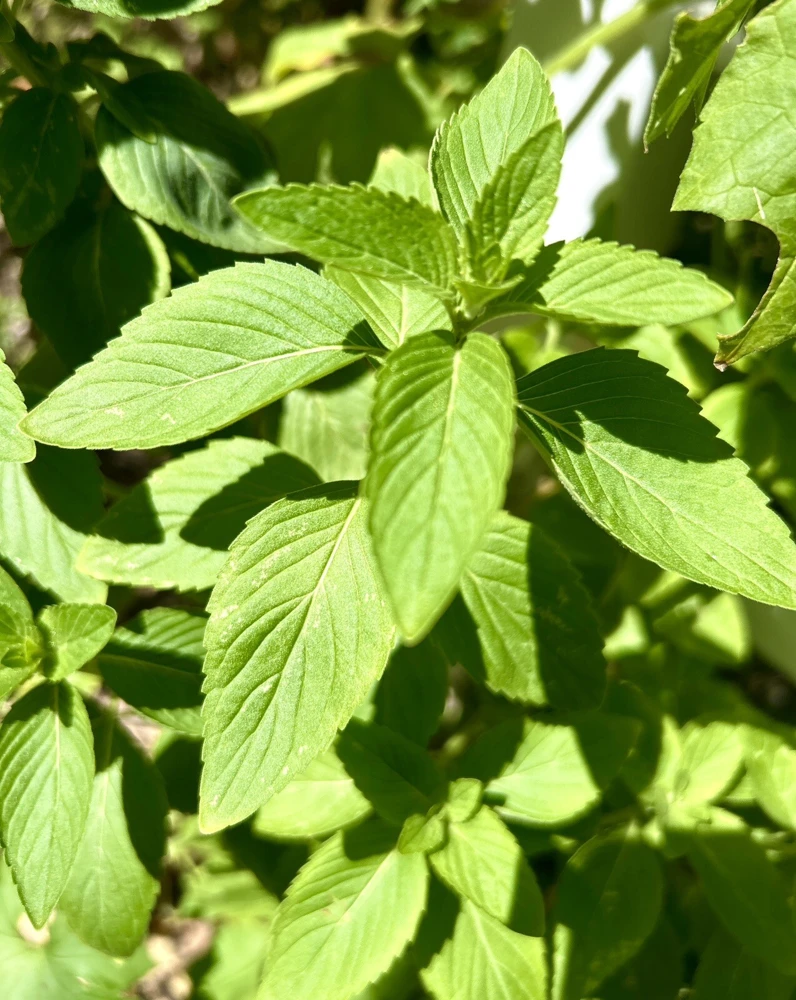
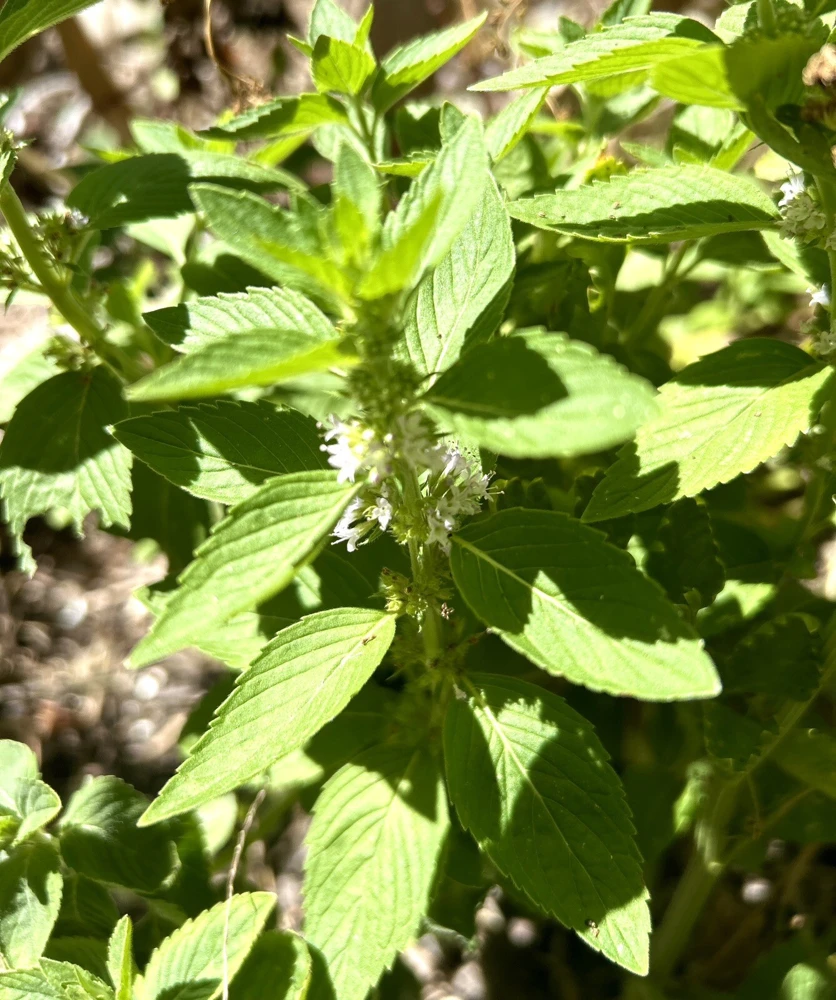
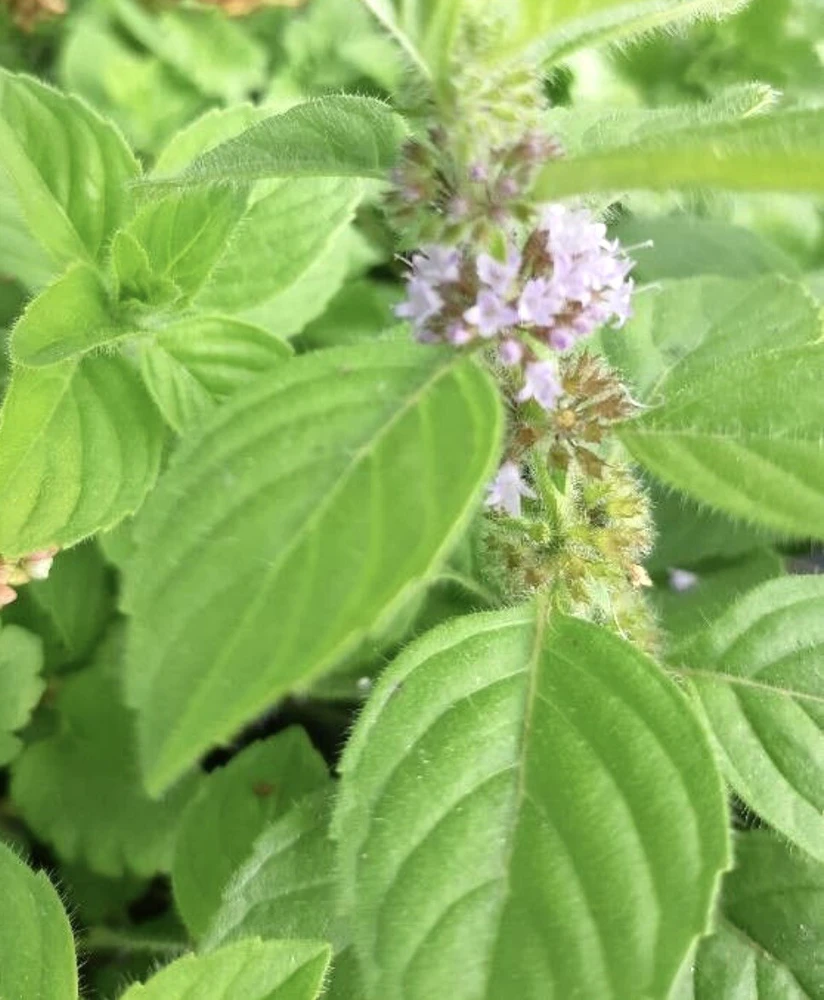
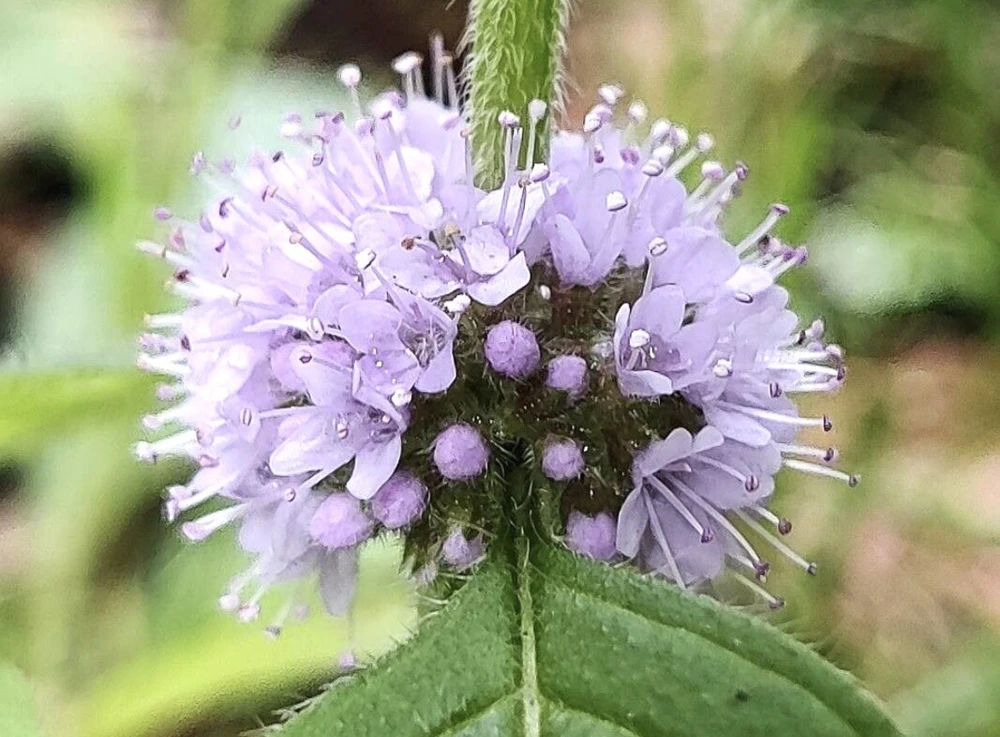
Corn Mint Bare Root Plants – Mentha Arvensis – 10 Count – Outdoor Edible Herb
Original price was: 25.98 $.21.99 $Current price is: 21.99 $.
Cultivate your own aromatic garden with these corn mint bare root plants. This offering includes 10 bare root plants of Mentha arvensis, commonly known as Field Mint. Perfect for outdoor planting, these easy-to-grow perennials are known for their fast growth and edible leaves, adding fresh flavor to your culinary creations.
Estimated arrival
Oct 19
Oct 24 - Oct 26
Oct 26 - Oct 31
See our Shipping Policy.
Get in touch with us via email, and our team will review your concerns.
Our Alive & Thrive Guarantee covers issues with your plants within the first 30 days. Read our Refund & Returns Policy.
-
USDA Hardiness Zone
USDA zones 4-9 -
Soil Type
Well-draining, rich soil -
Sunlight Exposure
Partial sun to medium sun -
Expected Planting Period
Spring to early fall
Overview
Welcome the versatile and vigorous corn mint bare root plants into your garden. This package contains 10 bare root plants of Mentha arvensis, widely recognized as Field Mint or Wild Mint. A delightful perennial herb, Corn Mint is celebrated for its distinctive aroma and flavor, making it a fantastic addition to any herb garden or landscape. Originating from temperate regions, this mint variety is exceptionally hardy and adaptable, thriving in various conditions. Its rapid growth habit means you’ll quickly establish a lush patch of this beneficial herb, ready for harvesting throughout the growing season. Whether you’re a seasoned gardener or just starting, growing Mentha arvensis care is straightforward and rewarding, providing fresh leaves for teas, culinary dishes, or simply enjoying its refreshing fragrance.
The beauty of starting with corn mint bare root plants lies in their robust nature and ease of establishment. Bare root plants are dormant, making them less susceptible to transplant shock and allowing for a strong start once planted. These 10 plants offer a generous quantity to create a substantial mint patch or to share with fellow gardening enthusiasts. Field Mint is not only a culinary asset but also contributes to the biodiversity of your garden, attracting pollinators and serving as a groundcover due to its running growth habit. Embrace the joy of growing field mint and discover the myriad uses this remarkable herb has to offer.
Key Benefits
Corn mint bare root plants provide a wealth of advantages for both the gardener and the garden itself. Their ease of cultivation and versatile applications make them a popular choice. Here are some of the key benefits you’ll enjoy:
- Exceptional Culinary Herb: The leaves of Mentha arvensis are highly aromatic and flavorful, perfect for brewing fresh mint tea, infusing drinks, or adding a refreshing zest to salads, desserts, and savory dishes. It’s an essential herb for any kitchen garden.
- Fast Growing and Vigorous: Once established, these bare root plants will quickly spread, creating a dense and vibrant green carpet. This makes them ideal for filling garden spaces or providing quick groundcover.
- Perennial Hardiness: As a perennial, Corn Mint returns year after year, offering a continuous supply of fresh leaves without the need for annual replanting. It’s a low-maintenance choice that provides long-term value.
- Attractive Groundcover: With its running growth habit, Field Mint can effectively cover bare soil, suppressing weeds and adding a lush, green aesthetic to your garden beds or borders.
- Aromatic Fragrance: The delightful minty scent released by the foliage is a treat for the senses, enhancing the ambiance of your outdoor living spaces. Simply brush against the leaves to release their invigorating aroma.
- Easy to Cultivate: Known for being incredibly forgiving, these corn mint bare root plants are suitable for gardeners of all experience levels. Their resilience makes growing field mint a successful endeavor.
- Edible and Versatile: Beyond culinary uses, this edible mint varieties can be used in homemade remedies or as a natural insect repellent in the garden.
Plant Care & Growing Tips
Caring for your corn mint bare root plants is generally straightforward, making them an excellent choice for both novice and experienced gardeners. To ensure your Mentha arvensis thrives, consider the following guidelines. Mint plants are known for their vigorous growth, so proper placement and occasional management will help keep them contained and healthy. They are quite adaptable, but optimal conditions will yield the best flavor and most abundant foliage.
Sunlight Requirements: Field Mint prefers areas with partial sun to medium sun exposure. While it can tolerate low sun, providing at least 4-6 hours of sunlight daily will encourage more robust growth and a stronger flavor profile. In hotter climates, some afternoon shade can protect the leaves from scorching. For best results with growing field mint, choose a spot that receives morning sun and some afternoon dappled light.
Watering Schedule and Soil Moisture: Mint plants prefer consistently moist soil, but not waterlogged conditions. Water regularly, especially during dry spells, ensuring the top inch of soil feels slightly damp. Good drainage is crucial to prevent root rot. Reduce watering in cooler months when the plant’s growth slows down. When considering Mentha arvensis care, maintaining consistent moisture is key.
Soil Type and Drainage: Corn Mint is adaptable to a range of soil types but thrives in rich, well-draining soil with a pH between 6.0 and 7.0. Amend heavy clay soils with compost or organic matter to improve drainage and fertility. If planting in containers, use a good quality potting mix. The running growth habit means it can spread aggressively, so consider planting in a confined space or large container to manage its spread effectively.
Temperature Range and USDA Hardiness Zone: This perennial is quite hardy and can tolerate a wide range of temperatures. It is generally suitable for USDA zones 4-9. It will go dormant in colder winter climates and re-emerge in spring. Protect plants in extreme cold with a layer of mulch if needed. The hardiness of these corn mint bare root plants makes them a resilient garden choice.
Fertilization Schedule and Type: Mint plants are not heavy feeders. A balanced, all-purpose fertilizer applied once in spring as new growth emerges is usually sufficient. Over-fertilizing can lead to lush foliage with less intense flavor. Alternatively, top-dressing with compost in spring can provide a slow release of nutrients, supporting healthy growth of your edible mint varieties.
Common Problems and Solutions: Mint is generally pest-resistant, but occasionally may encounter mint rust or powdery mildew, especially in humid conditions. Ensure good air circulation and avoid overhead watering to minimize these issues. Pruning regularly not only encourages bushier growth but also helps deter pests and diseases. Keep an eye out for aphids or spider mites, which can usually be managed with insecticidal soap.
Size & Details
This offering provides 10 bare root plants of Corn Mint (Mentha arvensis). These plants are shipped dormant, ready for planting to establish quickly in your garden. When mature, growing field mint typically reaches a height of 12-24 inches (30-60 cm) with an indefinite spread due to its running growth habit. The bare root form allows for efficient shipping and minimizes transplant shock, ensuring your plants have the best start. Expected time to full foliage is within a few weeks of planting, with the plant reaching maturity and full harvesting potential within one growing season.
The leaves are typically green, sometimes with a slight purple hue, especially on newer growth or in cooler temperatures. The plants will develop a dense network of roots and shoots, making them an excellent choice for groundcover or for planting in containers where their spread can be controlled. These corn mint bare root plants are ideal for creating a productive herb patch that will provide fresh mint for years to come.
Frequently Asked Questions
- Q: How big do these corn mint bare root plants get? A: Once established, corn mint bare root plants typically grow to a height of 12-24 inches (30-60 cm) and can spread indefinitely due to their running growth habit.
- Q: Is this an indoor or outdoor plant? A: Corn Mint (Mentha arvensis) is primarily an outdoor plant, thriving in garden beds. It can be grown indoors in pots, but its vigorous nature often means it will require more frequent care and larger containers.
- Q: How much sunlight does Mentha arvensis need? A: This plant prefers partial sun to medium sun, ideally receiving 4-6 hours of direct sunlight per day. It can tolerate some shade, especially in hot climates, which can prevent leaf scorching.
- Q: Is this plant easy to care for? A: Yes, growing field mint is considered very easy. It’s a hardy and vigorous plant that tolerates a range of conditions, making it suitable for beginner gardeners.
- Q: What condition will the bare root plants arrive in? A: The corn mint bare root plants will arrive dormant, which is normal for bare root stock. They will be ready for planting and will begin to sprout new growth once placed in appropriate conditions.
- Q: Can I use edible mint varieties in cooking? A: Absolutely! Corn Mint is an excellent culinary herb. Its leaves can be used fresh in teas, salads, desserts, and various savory dishes to add a refreshing minty flavor.
- Q: When is the best time to plant these bare root plants? A: The best time to plant corn mint bare root plants is in spring or early fall when the weather is mild. This allows the plants to establish their root systems before extreme temperatures.
- Q: Will it survive winter in my zone? A: Corn Mint is a perennial hardy in USDA zones 4-9. In colder zones, it will die back to the ground in winter but will reliably regrow from its roots in the spring.
- Q: What’s the minimum temperature this plant can tolerate? A: Being hardy in USDA Zone 4, Mentha arvensis can tolerate winter temperatures down to approximately -30°F (-34°C) once established.
- Q: Does growing field mint attract pests? A: Mint is generally known to deter some pests, but it can occasionally attract aphids or spider mites. Good air circulation and proper watering can help prevent most issues.
Be the first to review “Corn Mint Bare Root Plants – Mentha Arvensis – 10 Count – Outdoor Edible Herb”
Related products


You May Like

Hardneck vs. Softneck Garlic: Which Should You Grow?
Have you ever stood in front of a seed catalog in mid-September, staring at dozens [...]
Oct

When to Plant Music Garlic: Ultimate US Fall Guide
Have you ever spent your fall weekend placing carefully chosen garlic cloves into rich, dark [...]
1 Comment
Oct

5 Best Bulbs for Fall Planting: Brighten Your Garden This Spring
Are you dreaming of a garden full of vibrant colors in the spring? The key [...]
Aug

10 Houseplants That Will Thrive in Your Kitchen
Are you tired of your kitchen feeling dull and lifeless? Want to add a little [...]
1 Comment
Aug
Reviews
There are no reviews yet.