
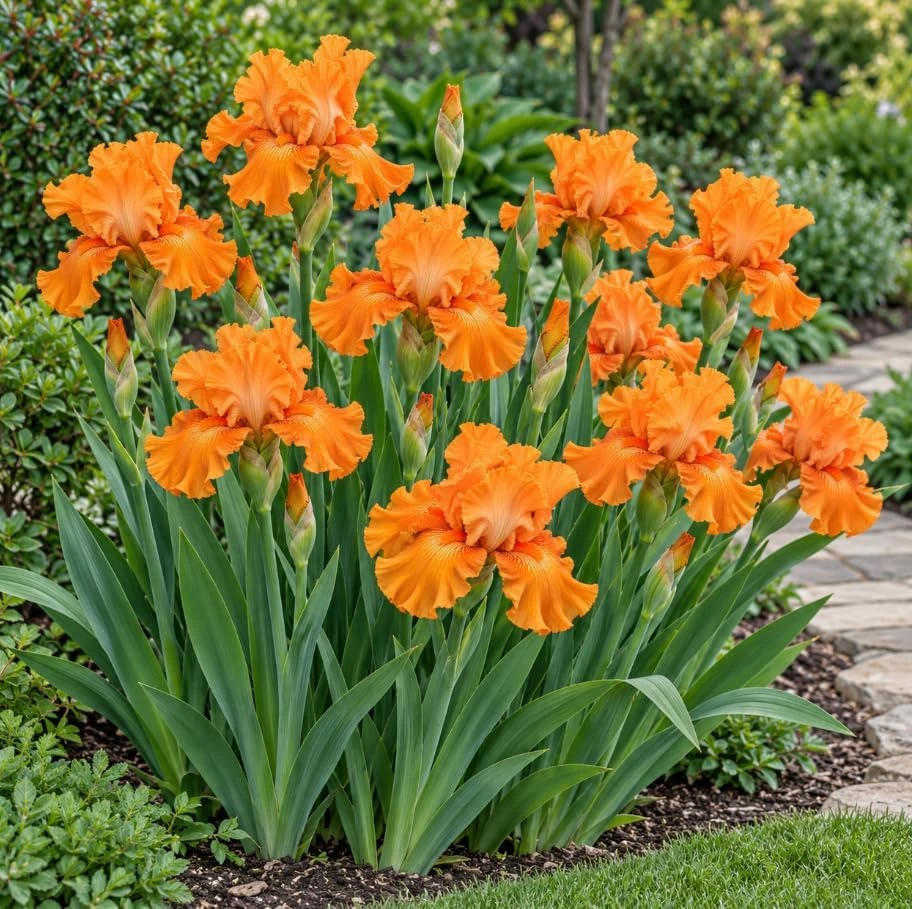
2 Orange Bearded Iris Bulbs for Planting – Vibrant Garden Flowers
19.99 $
Add a splash of vibrant color to your garden with these orange bearded iris bulbs. Easy to plant and requiring minimal care, these rhizomes will establish quickly to produce striking, showy flowers. Perfect for garden beds and borders.
Estimated arrival
Oct 19
Oct 24 - Oct 26
Oct 26 - Oct 31
See our Shipping Policy.
Get in touch with us via email, and our team will review your concerns.
Our Alive & Thrive Guarantee covers issues with your plants within the first 30 days. Read our Refund & Returns Policy.
-
USDA Hardiness Zone
USDA zones 3-9 -
Soil Type
Well-draining soil -
Sunlight Exposure
Full sun -
Expected Planting Period
Late summer to early fall
Overview
Transform your outdoor space with the stunning beauty of orange bearded iris bulbs. These resilient and eye-catching plants are a favorite among gardeners for their vibrant blooms and relatively easy care. Each package includes rhizomes ready for planting, promising a spectacular display of color in your garden. Bearded irises, named for the fuzzy ‘beards’ on their lower petals, are known for their unique flower structure and wide range of hues, with this particular variety offering a brilliant orange. They are an excellent choice for adding vertical interest and a touch of elegance to any landscape, returning year after year with their impressive floral show.
These rhizomes are specifically selected to ensure robust growth and prolific flowering, making them suitable for both novice and experienced gardeners. Whether you’re looking to create a dramatic focal point or simply fill a border with captivating color, these bearded iris rhizomes are an ideal solution. Their ability to thrive with minimal fuss makes them a rewarding addition to any garden design.
Key Benefits
Investing in orange bearded iris bulbs offers a multitude of benefits for your garden and your gardening experience. These plants are not only beautiful but also incredibly resilient and easy to manage, providing lasting enjoyment.
- Vibrant Floral Display: Produce stunning, eye-catching orange flowers that add a dramatic splash of color and elegance to any garden bed, border, or landscape. The unique structure of bearded irises makes them a standout feature.
- Easy to Plant & Low-Maintenance: These bearded iris rhizomes are straightforward to plant and, once established, require minimal ongoing care. They are an excellent choice for gardeners seeking high impact with low effort.
- Perennial Beauty: Once planted, these irises will return year after year, providing a reliable source of beautiful blooms season after season. They naturalize well, often forming larger clumps over time.
- Drought Tolerant: After establishment, bearded irises are quite tolerant of dry conditions, making them a water-wise choice for various climates and reducing the need for frequent watering.
- Attracts Pollinators: The vibrant flowers are attractive to bees, butterflies, and other beneficial pollinators, contributing to a healthy and biodiverse garden ecosystem.
- Versatile Garden Use: Ideal for various garden applications, including mass plantings, perennial borders, cutting gardens, and as accent plants in rock gardens. Their upright growth habit complements other garden flora.
- Hardy & Resilient: These iris plants are known for their hardiness, thriving in a wide range of climates and soil conditions, particularly in USDA zones 3 through 9, ensuring broad adaptability.
Plant Care & Growing Tips
Caring for your orange bearded iris bulbs is a rewarding experience, as these plants are quite forgiving and resilient once established. To ensure the best performance and most abundant blooms, understanding their basic needs is crucial. Bearded irises thrive in full sun, meaning they require at least six hours of direct sunlight per day. Adequate sunlight is essential for strong growth and prolific flowering; insufficient light can lead to fewer blooms and leggy growth. When planting, choose a site that receives ample morning sun and is protected from harsh afternoon sun in extremely hot climates.
Proper watering is important during the establishment phase. After planting your bearded iris rhizomes, water them regularly to keep the soil consistently moist but not waterlogged. Once established, they become quite drought tolerant and prefer slightly drier conditions, especially during their dormant period. Overwatering can lead to rhizome rot, so it’s better to err on the side of underwatering rather than overwatering. The most critical aspect of iris care is well-drained soil. Heavy, waterlogged soils are detrimental to rhizomes. Amend clay soils with organic matter like compost or grit to improve drainage. A slightly acidic to neutral soil pH (6.0-7.0) is ideal.
For fertilization, a low-nitrogen fertilizer should be applied in early spring and again after blooming. Avoid high-nitrogen fertilizers, which can promote foliage growth at the expense of flowers and may contribute to rhizome rot. Deadhead spent blooms to encourage the plant to put energy into rhizome growth rather than seed production. Divide overcrowded clumps every 3-5 years, typically in late summer, to maintain vigor and flowering. This is also an excellent opportunity to expand your collection of colorful iris flowers. These plants are hardy in USDA zones 3 through 9, making them suitable for many regions. Protect rhizomes in colder zones with a layer of mulch during winter.
Size & Details
This offering includes 2 high-quality orange bearded iris bulbs, which are actually rhizomes, ready for immediate planting. Each rhizome is carefully selected to ensure health and vitality, promising a robust start in your garden. When mature, these bearded iris plants typically reach a height of 24 to 36 inches (60-90 cm) with a spread of 12 to 18 inches (30-45 cm), creating a substantial and impactful presence in the landscape. The vibrant orange blooms are generously sized, often measuring 4-6 inches across, adding a dramatic visual element.
The rhizomes are shipped in a dormant state, which is ideal for planting and minimizes transplant shock. They are designed to establish quickly once planted in appropriate conditions. While the initial growth rate may seem slow, once the roots are established, you can expect vigorous foliage and flowering in the subsequent growing seasons. The first blooms typically appear in late spring to early summer, depending on your specific climate and planting time. These bearded iris rhizomes are a long-term investment, providing years of continuous beauty with proper care and division.
Frequently Asked Questions
- Q: How big do these orange bearded iris plants get? A: These orange bearded iris bulbs typically grow to a height of 24 to 36 inches (60-90 cm) with a spread of 12 to 18 inches (30-45 cm) when mature, creating a lovely vertical accent in your garden.
- Q: Is this an indoor or outdoor plant? A: Bearded irises are primarily outdoor plants, thriving in garden beds, borders, and landscapes. They require significant sunlight and are not typically grown as indoor houseplants.
- Q: How much sunlight do these bearded iris rhizomes need? A: For optimal growth and flowering, these bearded iris rhizomes require full sun, meaning at least six hours of direct sunlight per day. More sun generally leads to more abundant blooms.
- Q: Are these iris plants easy to care for? A: Yes, once established, bearded irises are considered low-maintenance and easy to care for. They are quite resilient and drought-tolerant, making them suitable for gardeners of all experience levels.
- Q: What condition will the bulbs arrive in? A: The orange bearded iris bulbs (rhizomes) will arrive in a dormant, ready-to-plant condition. This ensures they are prepared for successful establishment in your garden upon arrival.
- Q: How long until these iris bulbs bloom? A: Depending on your planting time and climate, you can typically expect the first blooms from your colorful iris flowers in late spring to early summer of the first growing season, or the following spring if planted late in the season.
- Q: What is the best time to plant bearded iris rhizomes? A: The ideal time to plant bearded iris rhizomes is in late summer to early fall, allowing them to establish roots before winter. They can also be planted in early spring in some regions.
- Q: Will these bearded irises survive winter in my zone? A: These bearded irises are hardy in USDA zones 3 through 9. If you are within these zones, they should survive winter without special protection; in colder zones, a layer of mulch may be beneficial.
- Q: What kind of soil do these iris plants prefer? A: Bearded irises thrive in well-drained soil with a slightly acidic to neutral pH. Avoid heavy, waterlogged soils to prevent rhizome rot.
- Q: Can I cut the colorful iris flowers for arrangements? A: Absolutely! These colorful iris flowers make excellent cut flowers, bringing their vibrant beauty indoors. Cut the stems when the first bud on the stalk begins to open.
Be the first to review “2 Orange Bearded Iris Bulbs for Planting – Vibrant Garden Flowers”
Related products


Flower Bulbs
Set of 3 Red Volunteer Daylily Bare Roots – Hemerocallis ‘Red Volunteer’ – Hardy Perennial Flower


Flower Bulbs
You May Like

Hardneck vs. Softneck Garlic: Which Should You Grow?
Have you ever stood in front of a seed catalog in mid-September, staring at dozens [...]
Oct

When to Plant Music Garlic: Ultimate US Fall Guide
Have you ever spent your fall weekend placing carefully chosen garlic cloves into rich, dark [...]
1 Comment
Oct

5 Best Bulbs for Fall Planting: Brighten Your Garden This Spring
Are you dreaming of a garden full of vibrant colors in the spring? The key [...]
Aug

10 Houseplants That Will Thrive in Your Kitchen
Are you tired of your kitchen feeling dull and lifeless? Want to add a little [...]
1 Comment
Aug
Reviews
There are no reviews yet.