
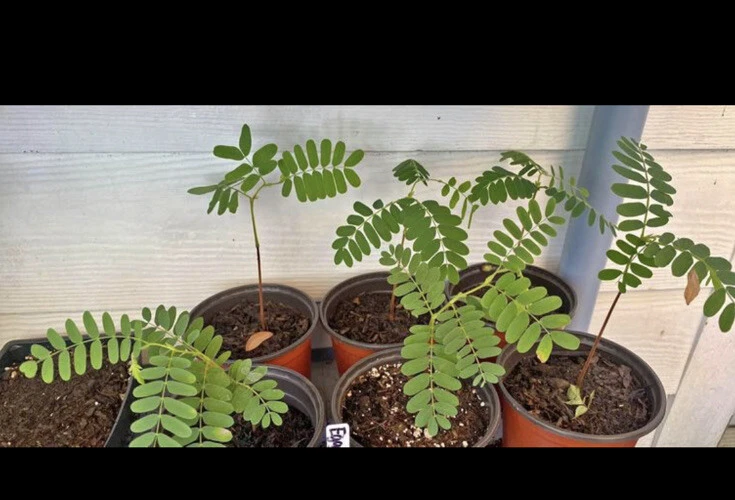
Organic Tamarind Tree Live Plant – Edible Fruit Tree – Potted
Original price was: 75.99 $.55.99 $Current price is: 55.99 $.
Cultivate your own delicious and exotic fruit with this organic tamarind tree live plant. Perfect for warm climates, this tropical tree provides both beautiful foliage and edible pods. A unique addition to any garden or patio.
Estimated arrival
Oct 16
Oct 21 - Oct 23
Oct 23 - Oct 28
See our Shipping Policy.
Get in touch with us via email, and our team will review your concerns.
Our Alive & Thrive Guarantee covers issues with your plants within the first 30 days. Read our Refund & Returns Policy.
-
USDA Hardiness Zone
USDA zones 9-11 -
Soil Type
Well-draining, slightly acidic to neutral soil -
Sunlight Exposure
Full sun (6-8+ hours daily) -
Expected Planting Period
Year-round indoors or spring to early summer outdoors
Overview
Experience the joy of growing your own exotic fruit with our premium tamarind tree live plant. This organic specimen, scientifically known as Tamarindus indica, is a fascinating addition to any garden, offering both ornamental beauty and culinary delight. Originating from tropical Africa, the tamarind tree is revered globally for its distinctive sweet and sour fruit, which is a staple in many international cuisines. Our organic tamarind tree is carefully cultivated to ensure a healthy start, ready to thrive in your care. Whether you’re an experienced horticulturist or a budding gardener, this live plant provides an engaging and rewarding growing experience. Imagine harvesting your own fresh tamarind pods, knowing they were grown organically right in your backyard or on your patio. This tree is not just a plant; it’s an investment in sustainable living and delicious, home-grown produce.
The tamarind tree live plant is known for its elegant, feathery foliage and robust growth, making it an attractive landscape feature even before it bears fruit. It’s a long-lived tree that can provide decades of enjoyment and a consistent supply of its unique pods. Embrace the journey of nurturing this tropical gem and bringing a touch of the exotic to your home.
Key Benefits
Adding an organic tamarind tree to your collection offers a multitude of benefits, from its aesthetic appeal to its practical uses. This versatile plant is much more than just a fruit producer; it’s a living piece of tropical beauty that enriches its environment.
- Homegrown Tamarind Fruit: Enjoy the unparalleled taste of fresh, organic tamarind pods directly from your own garden. The fruit is incredibly versatile, perfect for making chutneys, curries, drinks, and desserts. Growing your own ensures a chemical-free harvest.
- Ornamental Value: The tamarind tree live plant boasts delicate, fern-like leaves that provide a lush, tropical aesthetic. Its dense canopy offers excellent shade, making it a wonderful specimen tree for larger gardens or patios in warmer regions.
- Culinary Versatility: The tart and sweet pulp of the tamarind fruit is a key ingredient in countless global dishes, from Indian and Thai curries to Mexican agua frescas. Having a fresh supply empowers your culinary adventures.
- Long-Term Investment: A well-cared-for tamarind fruit tree can live for many decades, providing a continuous harvest and a lasting legacy for your garden. It grows into a magnificent, stately tree over time.
- Educational Opportunity: Growing a tropical fruit tree like tamarind can be a fantastic learning experience for all ages, teaching about plant life cycles, tropical ecosystems, and sustainable food production.
- Potential Health Benefits: Tamarind is known for its antioxidant properties and is rich in vitamins and minerals, contributing to a healthy diet. Enjoying fresh tamarind can be a delicious way to boost your nutrient intake.
Plant Care & Growing Tips
Caring for your tamarind tree live plant is a rewarding experience, leading to a bountiful harvest of delicious fruit. While it is a tropical species, with the right conditions, it can thrive in various warm environments. The key to successful growth lies in providing adequate sunlight, proper watering, and suitable soil.
Sunlight Requirements: Tamarind trees are sun-lovers. They require full sun exposure, meaning at least 6-8 hours of direct sunlight per day to flourish and produce fruit. If growing indoors or in a greenhouse, ensure it receives the brightest possible light, ideally from a south-facing window or supplemented with grow lights. In extremely hot climates, some afternoon shade can be beneficial to prevent leaf scorch, especially for young plants. Proper light is crucial for the development of a healthy tamarind fruit tree.
Watering and Soil: Water your organic tamarind tree regularly, especially when it’s young or during dry periods. The soil should be kept consistently moist but not waterlogged. Allow the top inch or two of soil to dry out between waterings to prevent root rot. Once established, tamarind trees are relatively drought-tolerant but will produce more fruit with consistent moisture. They prefer well-draining soil with a slightly acidic to neutral pH (6.0-7.0). A good quality potting mix amended with sand or perlite works well for container-grown plants. For in-ground planting, ensure the soil is loose and drains freely.
Temperature and Hardiness: Tamarind trees thrive in warm, tropical, and subtropical climates. They are sensitive to frost and will not tolerate prolonged temperatures below 35°F (2°C). They are best suited for USDA Zones 9-11. If you live in a colder region, you can grow the tamarind tree live plant in a large container and bring it indoors during winter. Fertilize your tree during the growing season (spring and summer) with a balanced, slow-release fertilizer. Pruning should be done to shape the tree and remove any dead or diseased branches. Watch out for common pests like aphids or scale insects, and treat with organic insecticidal soap if necessary.
Size & Details
This tamarind tree live plant arrives in a nursery pot, ready for you to transplant into a larger container or directly into your garden, depending on your climate and growing preferences. The initial height typically ranges from 12 to 24 inches, providing a strong foundation for future growth. Tamarind trees are moderate to fast growers, and with optimal conditions, they can reach impressive heights of 40 to 80 feet in their natural habitat. When grown in containers, their size can be managed through pruning, making them suitable for patios or indoor environments where space is a consideration. Expect your tamarind fruit tree to begin yielding fruit within 5-7 years from planting, though some can produce earlier under ideal conditions. The tree will develop a broad, spreading canopy, providing excellent shade and a majestic presence in your landscape.
The plant is shipped securely to ensure it arrives healthy and vibrant, ready to continue its growth journey with you. The exact pot size may vary slightly but will be appropriate for the plant’s current stage of development. This organic tamarind tree represents a long-term commitment to a unique and rewarding gardening experience.
Frequently Asked Questions
- Q: How big does this plant get? A: When planted in the ground in ideal conditions, a tamarind tree live plant can grow 40-80 feet tall. If grown in a container, its size can be managed through regular pruning to keep it more compact and suitable for indoor or patio growing.
- Q: Is this an indoor or outdoor plant? A: The organic tamarind tree is a tropical plant best suited for outdoor growing in USDA Zones 9-11. In colder climates, it can be grown as a container plant and brought indoors during the winter months to protect it from frost.
- Q: How much sunlight does it need? A: Tamarind trees require full sun, meaning at least 6-8 hours of direct sunlight daily, to thrive and produce fruit. Ensure it receives ample light whether planted outdoors or indoors.
- Q: Is this plant easy to care for? A: While tropical, the tamarind fruit tree is relatively easy to care for once established, provided it receives sufficient sunlight and proper watering. It’s considered a low-maintenance fruit tree for warm climates.
- Q: What condition will it arrive in? A: Your tamarind tree live plant will arrive securely packaged in a nursery pot, with its roots and foliage protected, ready for transplanting. We take great care to ensure healthy delivery.
- Q: Can I use the fruit in cooking? A: Absolutely! The fruit from your organic tamarind tree is perfect for culinary use. Its sweet and sour pulp is a key ingredient in many dishes, sauces, drinks, and desserts worldwide.
- Q: When is the best time to plant? A: For outdoor planting in warm zones, spring or early summer is ideal to allow the plant to establish before cooler weather. If growing in a container, it can be transplanted any time of year indoors.
- Q: What kind of soil does a tamarind tree prefer? A: A tamarind tree live plant thrives in well-draining soil with a slightly acidic to neutral pH. For potted plants, use a good quality potting mix amended with perlite or sand.
- Q: How long until it starts producing fruit? A: Typically, a tamarind fruit tree grown from a young plant will start producing fruit within 5-7 years, though this can vary depending on growing conditions and care.
- Q: Will it survive winter in my zone? A: If you are in USDA Zones 9-11, it can survive winter outdoors. In colder zones, you must bring your tamarind tree live plant indoors before the first frost and keep it in a warm, bright location.
Be the first to review “Organic Tamarind Tree Live Plant – Edible Fruit Tree – Potted”
Related products


You May Like

Hardneck vs. Softneck Garlic: Which Should You Grow?
Have you ever stood in front of a seed catalog in mid-September, staring at dozens [...]
Oct

When to Plant Music Garlic: Ultimate US Fall Guide
Have you ever spent your fall weekend placing carefully chosen garlic cloves into rich, dark [...]
1 Comment
Oct

5 Best Bulbs for Fall Planting: Brighten Your Garden This Spring
Are you dreaming of a garden full of vibrant colors in the spring? The key [...]
Aug

10 Houseplants That Will Thrive in Your Kitchen
Are you tired of your kitchen feeling dull and lifeless? Want to add a little [...]
1 Comment
Aug
Reviews
There are no reviews yet.