
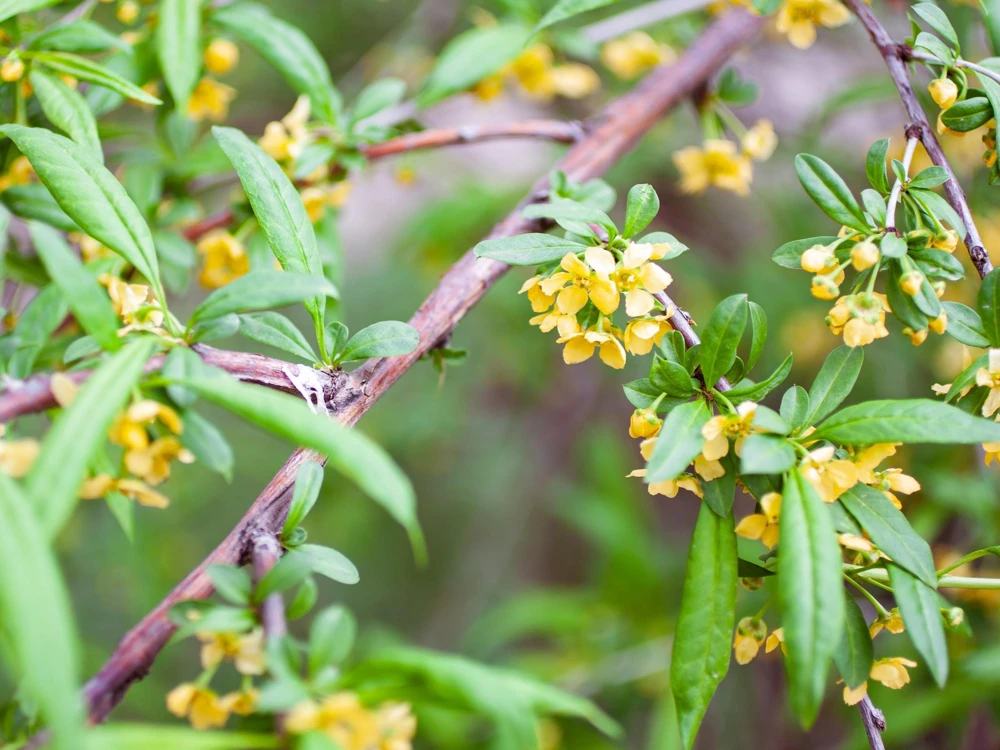
Cherry Prinsepia Seeds – Chinese Sinensis Edible Red Fruit Shrub, 5 Seeds, Zones 4-8
Original price was: 32.99 $.12.99 $Current price is: 12.99 $.
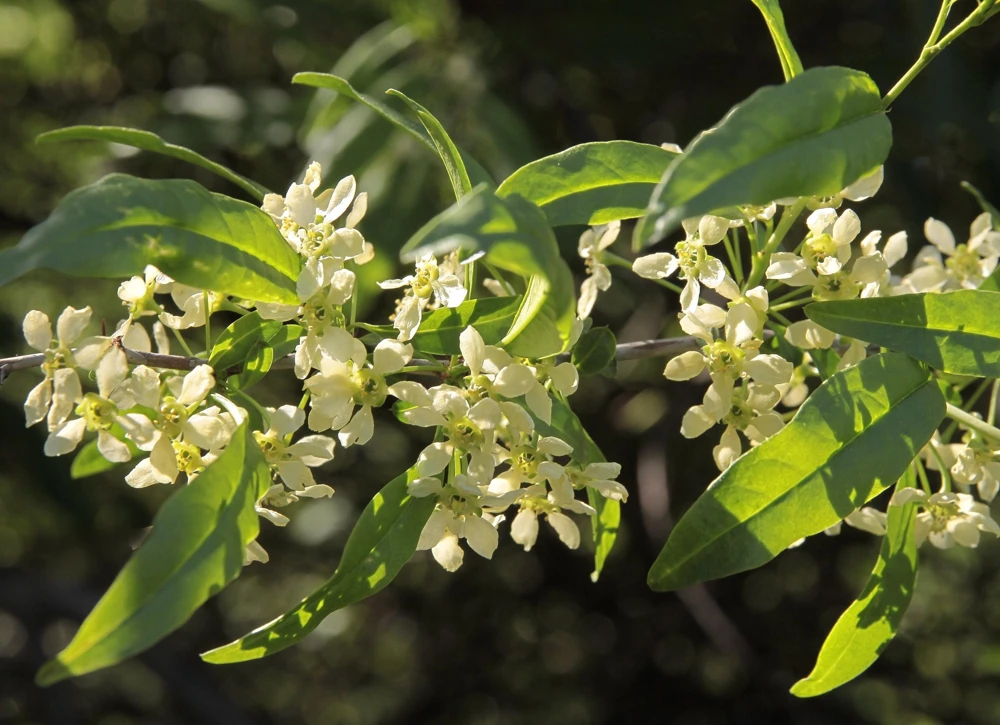
Cultivate the unique Cherry Prinsepia seeds to grow a thorny shrub adorned with white flowers and delicious, tart red fruit. Known as Chinese Prinsepia, this plant is perfect for edible landscapes in USDA Zones 4-8, offering high Vitamin C and antioxidants. Grow your own source of tasty jams and juices.
Estimated arrival
Oct 16
Oct 21 - Oct 23
Oct 23 - Oct 28
See our Shipping Policy.
Get in touch with us via email, and our team will review your concerns.
Our Alive & Thrive Guarantee covers issues with your plants within the first 30 days. Read our Refund & Returns Policy.
-
USDA Hardiness Zone
4-8 -
Soil Type
Average, well-draining soil -
Sunlight Exposure
Full sun to part shade -
Expected Planting Period
Fall sow or cold stratify for spring planting
Overview
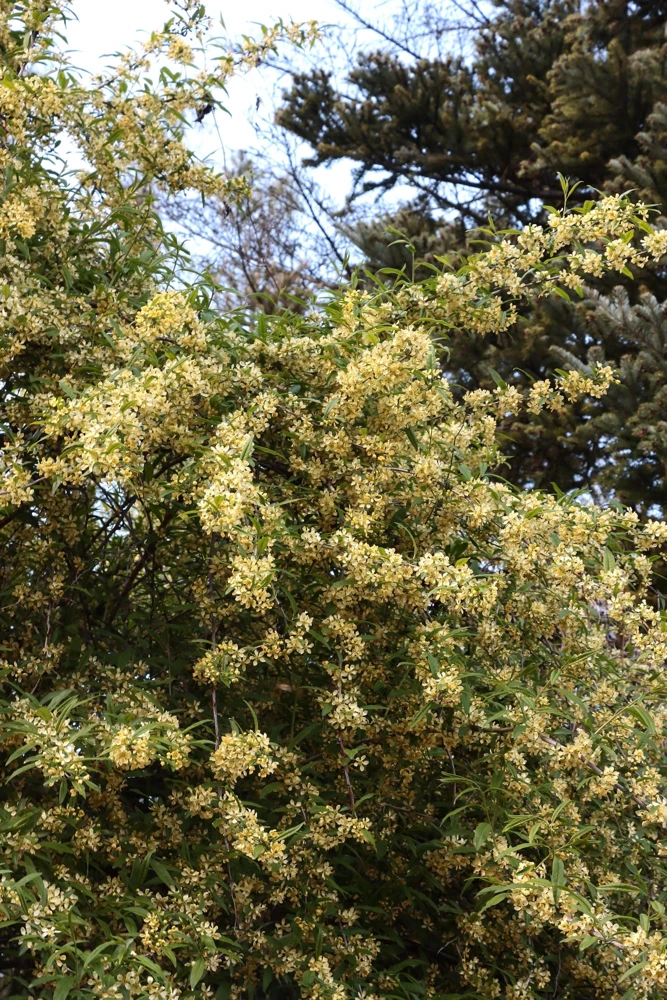
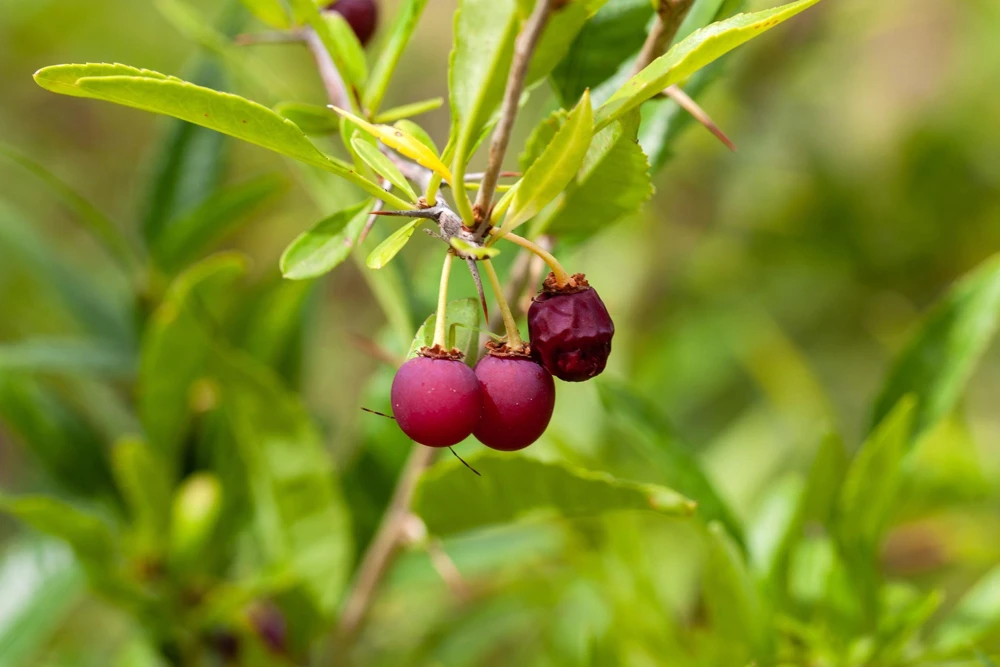
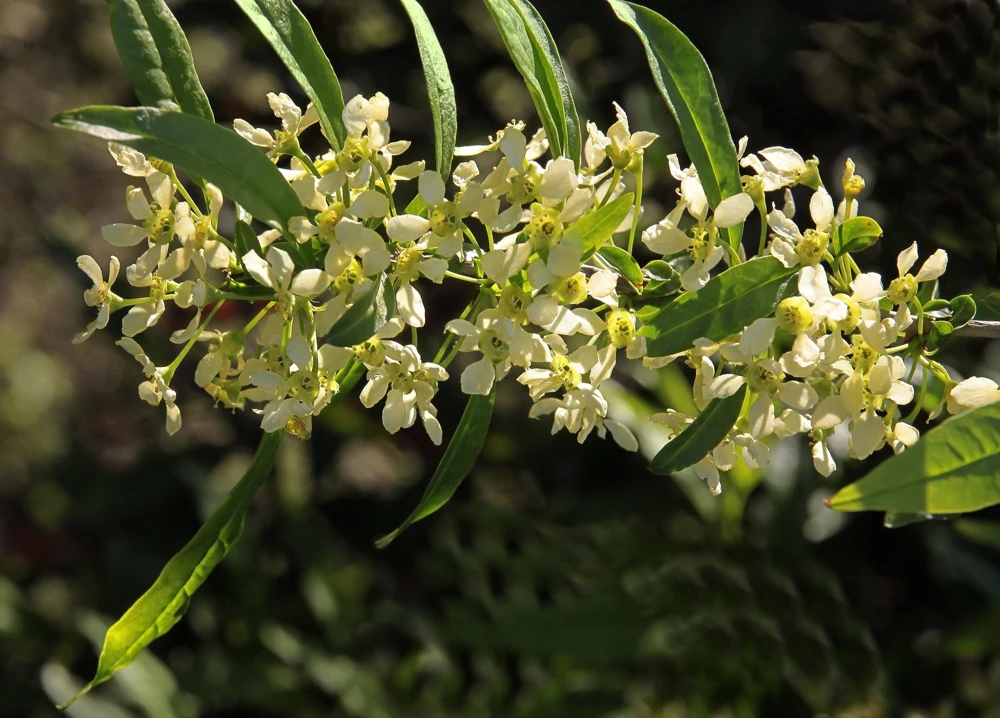
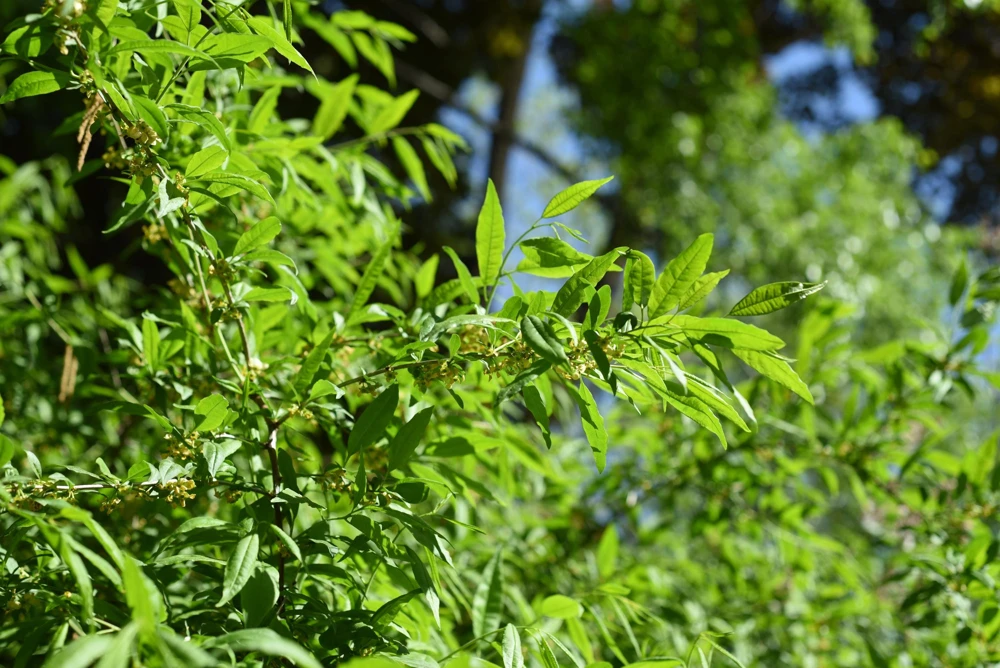
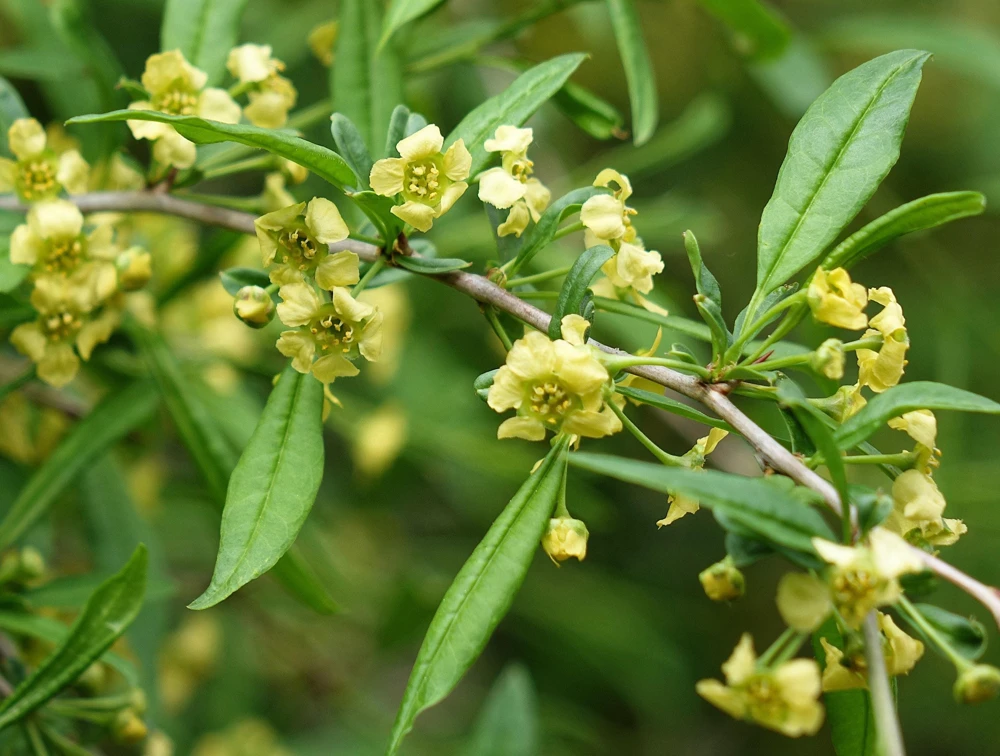
Embark on a rewarding gardening journey with our premium Cherry Prinsepia seeds. Also widely recognized as Chinese Prinsepia, this remarkable shrub, scientifically known as Prinsepia Sinensis, is a fascinating addition to any garden, particularly for those interested in edible landscaping. Native to Manchuria, the Cherry Prinsepia is a hardy, thorned shrub celebrated for its early spring white flowers and abundant, bright red, edible fruits. These 5 seeds offer the opportunity to cultivate a unique plant that combines ornamental beauty with practical culinary uses. The fruit, roughly ¾ inch in diameter, boasts a delightful tart cherry-like flavor and is exceptionally rich in Vitamin C and antioxidants, making it a healthy and delicious treat straight from your garden.
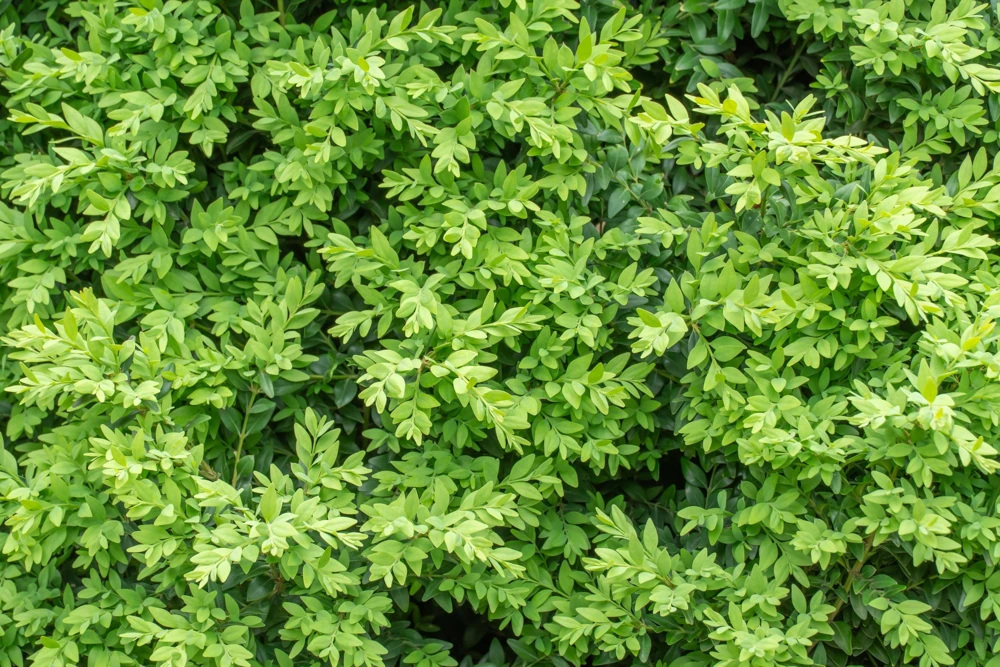
Growing Cherry Prinsepia seeds allows you to establish a robust and resilient plant that thrives in a variety of conditions. Whether you’re looking to create a natural barrier, attract pollinators, or simply enjoy fresh, homegrown fruit, this shrub is an excellent choice. Its adaptability and low maintenance requirements make it suitable for both experienced gardeners and enthusiastic beginners. Prepare to be enchanted by its charming white blossoms in early spring, followed by a generous harvest of vibrant red berries that can be enjoyed raw, cooked, or preserved.
Key Benefits
The Cherry Prinsepia seeds offer numerous benefits for the home gardener, extending beyond just their ornamental appeal. This versatile shrub is a powerhouse of natural goodness and contributes significantly to a thriving garden ecosystem. Here are some of the key advantages of growing this exceptional plant:
- Edible & Nutritious Fruit: The most prominent benefit is the production of delicious, tart red fruit that can be eaten fresh or used in various culinary applications. These fruits are packed with Vitamin C and antioxidants, offering a healthy boost to your diet. Enjoy them in jams, jellies, pies, or juices.
- Early Spring Blooms: Enjoy a spectacular display of white flowers from March to May, providing vital early-season nectar for pollinators when few other plants are blooming. These delicate blossoms add significant aesthetic value to your landscape.
- Hardy & Resilient: The Chinese Prinsepia is incredibly tough, thriving in USDA Hardiness Zones 4-8. It can withstand cold temperatures and is generally resistant to many common pests and diseases, making it a low-maintenance option.
- Adaptable to Light Conditions: While it prefers full sun for optimal fruit production, the Cherry Prinsepia can tolerate partial shade, offering flexibility in planting locations within your garden.
- Wildlife Attraction: The flowers attract beneficial pollinators, and the fruits provide a valuable food source for birds and other wildlife, enhancing the biodiversity of your outdoor space.
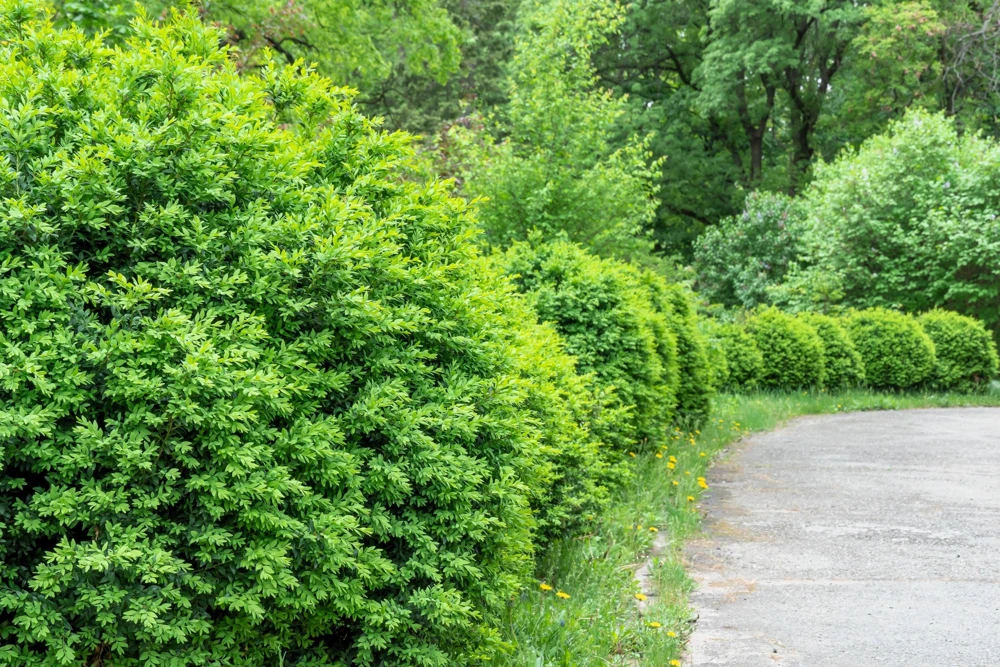
- Natural Barrier: Due to its thorny nature and dense growth habit, the shrub can be effectively used as a natural, living fence or a protective barrier, adding security and structure to your garden.
- Unique Landscape Addition: As a relatively uncommon plant in many gardens, growing Prinsepia Sinensis offers a unique talking point and adds an exotic touch with its distinct appearance and edible offerings.
Plant Care & Growing Tips
Cultivating Cherry Prinsepia seeds into thriving shrubs is a straightforward process, provided you meet their basic requirements. These hardy plants are known for their resilience, but understanding their specific needs will ensure optimal growth and fruit production. For best results, sow the seeds in the fall or cold stratify them before spring planting. Cold stratification mimics natural winter conditions, breaking seed dormancy and promoting germination. Plant the seeds about 1/2 inch deep in well-draining soil, ensuring they have adequate moisture during the germination period.
Light and soil conditions are crucial for a healthy Chinese Prinsepia. This shrub performs best in full sun, which encourages a more abundant display of flowers and a larger harvest of fruit. However, it is quite adaptable and can also tolerate partial shade, though fruit production may be reduced in shadier spots. The Cherry Prinsepia is not particular about soil type, thriving in average garden soil as long as it is well-draining. Avoid waterlogged conditions, as this can lead to root rot. Once established, the plant is relatively drought-tolerant, but consistent moisture during dry spells, especially when fruiting, will be beneficial. It is important to remember that proper care for Prinsepia Sinensis will lead to a more vigorous plant and a more bountiful yield of its tart, delicious berries.
The ideal hardiness range for the Cherry Prinsepia is USDA Zones 4-8, indicating its ability to withstand cold winters. Fertilization is generally not heavily required; a balanced, slow-release fertilizer in early spring can support vigorous growth, but avoid over-fertilizing. Pruning can be done in late winter or early spring to shape the shrub, remove any dead or diseased branches, and encourage new growth. While generally pest-resistant, monitor for common garden pests and treat with organic solutions if necessary. With these simple care guidelines, your grow prinsepia effort will be rewarded with a beautiful, productive, and long-lived shrub.
Size & Details
Each packet contains 5 Cherry Prinsepia seeds, ready for planting. These seeds will develop into mature shrubs reaching a height of 6 to 10 feet with a similar spread of 8 to 10 feet, creating a substantial presence in the landscape. The plant has a moderate growth rate, establishing itself well within a few seasons. The ¾-inch red fruits typically mature and are ready for harvest between July and September, following the charming white blooms from March to May. The seeds require fall sowing or cold stratification for successful germination, aligning with the plant’s natural life cycle.
These Cherry Prinsepia seeds are ideal for gardeners in USDA Hardiness Zones 4-8. They are shipped as bare seeds, ensuring easy storage until the optimal planting time. Expect a visually appealing and productive shrub that offers both ornamental value and a source of healthy, edible fruit. The plant’s robust nature ensures it will become a long-term asset to your garden, providing beauty and bounty for many years.
Frequently Asked Questions
- Q: How big does this plant get? A: The Cherry Prinsepia typically grows to a height of 6 to 10 feet and can spread 8 to 10 feet wide, forming a dense, bushy shrub. Proper spacing is important to allow it to reach its full potential.
- Q: Is this an indoor or outdoor plant? A: The Cherry Prinsepia seeds are for an outdoor shrub. It is a hardy plant designed to thrive in garden settings within USDA Zones 4-8.
- Q: How much sunlight does it need? A: This shrub prefers full sun for the best flower and fruit production, but it can also tolerate partial shade. More sun generally means more fruit.
- Q: Is this plant easy to care for? A: Yes, the Cherry Prinsepia is considered a low-maintenance and hardy shrub, making it suitable for gardeners of all experience levels. It is quite adaptable to various soil conditions.
- Q: What condition will the seeds arrive in? A: The product consists of 5 Cherry Prinsepia seeds, which will arrive as dry, viable seeds ready for either fall sowing or cold stratification for spring planting.
- Q: Can I eat the fruit of the Cherry Prinsepia? A: Yes, the red fruit of the Cherry Prinsepia is edible. It has a tart, cherry-like flavor and is excellent for eating fresh, or making jams, juices, and pies. It is also high in Vitamin C.
- Q: When is the best time to plant these seeds? A: For optimal results, it is recommended to fall sow the Prinsepia Sinensis seeds or cold stratify them for planting in the spring. This mimics their natural germination cycle.
- Q: What’s the minimum temperature this plant can withstand? A: The Cherry Prinsepia is hardy in USDA Zones 4-8, meaning it can tolerate winter temperatures down to approximately -30°F to -20°F (-34°C to -29°C).
- Q: What are the benefits of growing your own Cherry Prinsepia? A: Growing your own grow prinsepia offers fresh, nutritious edible fruit, beautiful early spring flowers, and a hardy, low-maintenance shrub that can serve as a natural barrier and attract wildlife to your garden.
- Q: What is the scientific name for Cherry Prinsepia? A: The scientific name for Cherry Prinsepia is Prinsepia Sinensis, also commonly known as Chinese Prinsepia.
Be the first to review “Cherry Prinsepia Seeds – Chinese Sinensis Edible Red Fruit Shrub, 5 Seeds, Zones 4-8”
Related products


You May Like

Hardneck vs. Softneck Garlic: Which Should You Grow?
Have you ever stood in front of a seed catalog in mid-September, staring at dozens [...]
Oct

When to Plant Music Garlic: Ultimate US Fall Guide
Have you ever spent your fall weekend placing carefully chosen garlic cloves into rich, dark [...]
1 Comment
Oct

5 Best Bulbs for Fall Planting: Brighten Your Garden This Spring
Are you dreaming of a garden full of vibrant colors in the spring? The key [...]
Aug

10 Houseplants That Will Thrive in Your Kitchen
Are you tired of your kitchen feeling dull and lifeless? Want to add a little [...]
1 Comment
Aug
Reviews
There are no reviews yet.