
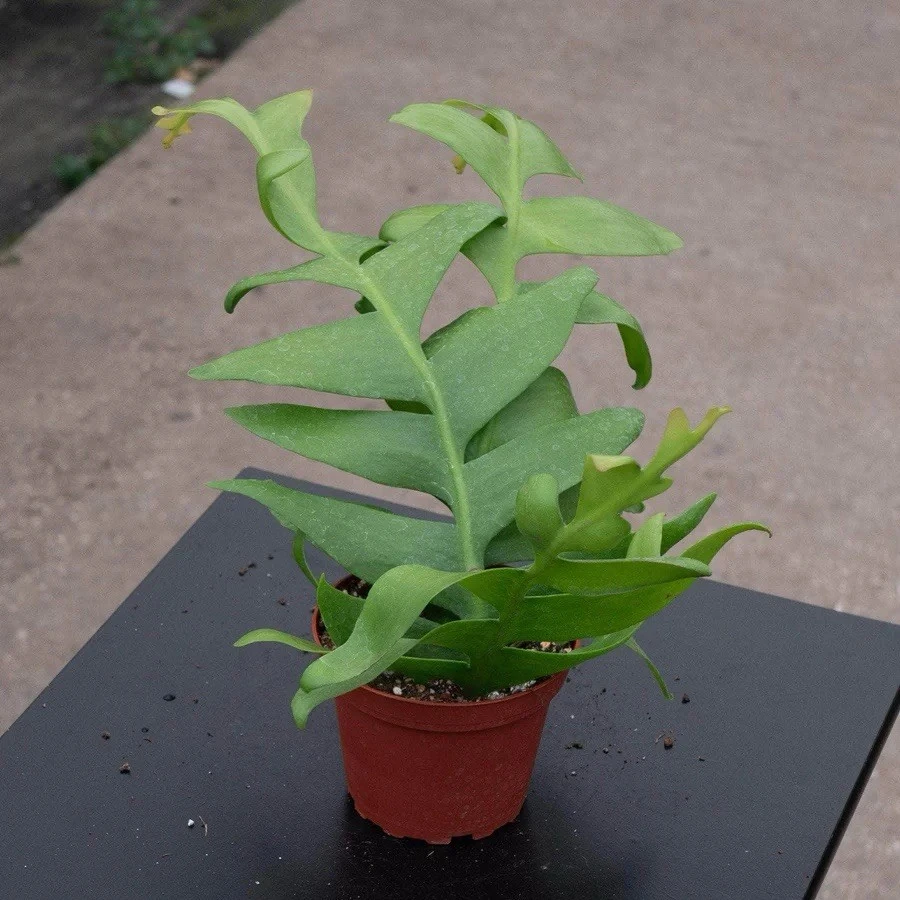
Fishbone Cactus Live Plant – Zigzag Succulent Houseplant
Original price was: 56.99 $.36.99 $Current price is: 36.99 $.
Bring home a unique and eye-catching fishbone cactus live plant, also known as the zigzag cactus or Ric Rac Cactus. This striking succulent features distinctive, deeply lobed stems that resemble a fish skeleton, making it a conversation starter. Ideal for hanging baskets or shelves, it thrives indoors with minimal care, offering a touch of exotic beauty to any space.
Estimated arrival
Oct 16
Oct 21 - Oct 23
Oct 23 - Oct 28
See our Shipping Policy.
Get in touch with us via email, and our team will review your concerns.
Our Alive & Thrive Guarantee covers issues with your plants within the first 30 days. Read our Refund & Returns Policy.
-
USDA Hardiness Zone
USDA zones 10-12 (outdoors), typically grown indoors -
Soil Type
Well-draining, airy potting mix (e.g., orchid or succulent mix) -
Sunlight Exposure
Bright, indirect light -
Expected Planting Period
Year-round indoors
Overview
Introduce an extraordinary botanical specimen into your home with the fishbone cactus live plant. Also known as the zigzag cactus care or Ric Rac Cactus, and scientifically as Epiphyllum anguliger, this unique succulent is celebrated for its distinctive, intricately lobed stems that resemble a fishbone or zigzag pattern. Native to the rainforests of Mexico, this epiphytic cactus grows on trees in its natural habitat, absorbing moisture and nutrients from the air and rain. Unlike desert cacti, the fishbone cactus prefers a more humid environment and bright, indirect light, making it an ideal candidate for indoor cultivation. Its cascading growth habit makes it perfect for hanging baskets, where its unusual foliage can truly shine. This plant is not only visually captivating but also relatively easy to care for, making it suitable for both novice and experienced plant enthusiasts looking to add a touch of exotic flair to their collection.
The fishbone cactus live plant is a true marvel of nature, offering year-round interest with its peculiar form. While primarily grown for its foliage, mature plants can produce beautiful, fragrant, nocturnal white or yellow flowers in the late summer or autumn, adding to its allure. These stunning blooms typically last only one night, making their appearance a special event for any plant owner. Whether you’re starting a new plant collection or expanding an existing one, the epiphyllum anguliger offers a blend of architectural beauty and straightforward maintenance that is hard to resist. Its unique structure captures attention and provides a refreshing alternative to more common houseplants, ensuring your indoor garden stands out.
Key Benefits
The fishbone cactus live plant offers numerous advantages beyond its striking appearance, making it a beloved choice for indoor gardeners. Its unique form provides exceptional aesthetic appeal and contributes positively to your living environment.
- Unique Aesthetic Appeal: The most prominent benefit is its highly ornamental, zigzag-patterned foliage. This distinct shape adds architectural interest and a modern, exotic touch to any room, making it a focal point.
- Low Maintenance: Despite its exotic appearance, the fishbone cactus live plant is surprisingly easy to care for. It tolerates a range of indoor conditions and doesn’t demand constant attention, making it perfect for busy individuals or those new to plant care.
- Air Purifying Qualities: Like many houseplants, the Fishbone Cactus contributes to a healthier indoor environment by helping to filter airborne toxins and improve air quality, creating a fresher living space.
- Adaptable to Various Settings: Its trailing growth habit makes it ideal for hanging baskets, elevated shelves, or even as a unique desk plant. This versatility allows it to fit into diverse interior design schemes.
- Pet-Friendly: The ric rac cactus is generally considered non-toxic to pets, offering peace of mind for households with curious cats and dogs, unlike many other common houseplants.
- Unique Flowering Potential: Mature plants can produce stunning, fragrant, nocturnal flowers, offering a rare and beautiful spectacle for those who nurture them.
- Conversation Starter: Its unusual appearance is sure to intrigue guests and spark conversations, making it more than just a plant but a piece of living art.
Plant Care & Growing Tips
Caring for your fishbone cactus live plant, also known as zigzag cactus care, is relatively straightforward, especially when you understand its specific needs as an epiphytic cactus. Unlike desert cacti, it prefers a humid environment and indirect light, mimicking its rainforest origins. Provide bright, indirect light; an east or north-facing window is ideal. Direct, harsh sunlight can scorch its delicate stems, leading to discoloration and damage. If you notice the stems turning yellow or reddish, it’s likely getting too much sun. Conversely, too little light can lead to leggy growth and a lack of flowering. Good air circulation is also beneficial, but avoid placing it in a drafty spot.
Watering is crucial for the health of your epiphyllum anguliger. During the growing season (spring and summer), water thoroughly when the top inch or two of soil feels dry to the touch. Allow excess water to drain completely from the pot to prevent root rot. In the cooler, dormant months of fall and winter, reduce watering frequency significantly, allowing the soil to dry out more between waterings. Humidity is important for this plant; consider misting it regularly, especially in dry indoor environments, or place it near a humidifier. A pebble tray filled with water can also help increase ambient humidity around the plant. When it comes to soil, a well-draining, airy potting mix is essential. A mix designed for orchids or succulents, or a blend of potting soil, perlite, and orchid bark, works well. Repotting should only be done when the plant outgrows its container, typically every 2-3 years, preferably in spring.
Fertilize your fishbone cactus live plant every 2-4 weeks during the active growing season with a balanced liquid fertilizer diluted to half strength. Avoid fertilizing during its dormant period. Pruning can be done to maintain shape or encourage bushier growth by simply snipping off unwanted stems. Propagation is easy from stem cuttings; allow cuttings to callus for a few days before planting them in moist soil. Keep an eye out for common pests like spider mites or mealybugs, which can be treated with insecticidal soap. With proper zigzag cactus care, your plant will thrive and potentially reward you with its beautiful, fleeting blooms.
Size & Details
This fishbone cactus live plant is typically shipped as a well-rooted specimen, ready to be transplanted into its new home. Plants generally arrive in a nursery pot, with established root systems, ensuring a smooth transition. The exact size of the plant will vary, but you can expect a healthy specimen with several distinctive zigzag stems, often ranging from 4 to 8 inches in length, depending on the specific offering. These plants are known for their moderate growth rate, and with optimal care, they can develop long, trailing stems that can extend several feet over time, creating a lush, cascading display. It’s an ideal choice for hanging baskets, allowing its unique form to be fully appreciated.
The epiphyllum anguliger is a relatively compact plant when young, making it suitable for smaller spaces, but it can grow quite large and impressive with age. It is typically grown as an indoor houseplant in most climates but can be enjoyed outdoors in shaded areas in warmer USDA zones. Expect your plant to establish quickly, and with consistent care, it will begin to produce new, characteristic foliage. While flowering is not guaranteed for young plants, mature specimens can produce stunning, fragrant white or yellow blooms, usually in late summer to fall, adding another layer of beauty to this already captivating succulent. This resilient plant is an excellent choice for adding a touch of the exotic to your indoor garden.
Frequently Asked Questions
- Q: How big does this plant get? A: A fishbone cactus live plant can grow quite large over time, with trailing stems reaching several feet in length. Its size depends on the pot size, growing conditions, and how often it’s pruned. It starts compact but can become a voluminous hanging plant.
- Q: Is this an indoor or outdoor plant? A: While it can be grown outdoors in very warm, shaded, and humid climates (USDA zones 10-12), the fishbone cactus live plant is predominantly grown as an indoor houseplant in most regions. It thrives in bright, indirect indoor light.
- Q: How much sunlight does it need? A: This plant prefers bright, indirect light. Avoid direct harsh sunlight, which can scorch its delicate stems. An east or north-facing window is usually ideal for optimal growth and flowering.
- Q: Is this plant easy to care for? A: Yes, the ric rac cactus is considered relatively easy to care for, making it suitable for beginners. Its main requirements are bright, indirect light, consistent but not excessive watering, and good humidity.
- Q: What condition will it arrive in? A: Your fishbone cactus live plant will arrive as a healthy, well-rooted specimen in a nursery pot, carefully packaged to ensure its safe transit. It will be ready to be placed in its new home upon arrival.
- Q: How often should I water my fishbone cactus? A: Water thoroughly when the top 1-2 inches of soil feel dry to the touch during the growing season. Reduce watering significantly in winter, allowing the soil to dry out more completely between waterings.
- Q: Is the fishbone cactus pet-safe? A: Yes, the epiphyllum anguliger is generally considered non-toxic to cats and dogs, making it a safe choice for pet owners who want to add greenery to their homes.
- Q: When does the fishbone cactus bloom? A: Mature fishbone cactus live plant specimens can produce beautiful, fragrant white or yellow flowers in late summer or fall, typically blooming at night. It may take a few years for young plants to reach flowering maturity.
- Q: What type of soil does it need? A: A well-draining, airy potting mix is essential. A mix formulated for orchids or succulents, or a blend of regular potting soil with perlite and orchid bark, provides the ideal conditions for its roots.
- Q: How do I propagate a fishbone cactus? A: You can easily propagate the zigzag cactus from stem cuttings. Simply cut a healthy stem, allow it to callus for a few days, then plant it in moist, well-draining soil.
Be the first to review “Fishbone Cactus Live Plant – Zigzag Succulent Houseplant”
Related products


Succulents
Live Pink Adenium Desert Rose Plants – 2 Pack, 4-6 Inch Height, Bonsai Ready Seedlings, No Pot


You May Like

Hardneck vs. Softneck Garlic: Which Should You Grow?
Have you ever stood in front of a seed catalog in mid-September, staring at dozens [...]
Oct

When to Plant Music Garlic: Ultimate US Fall Guide
Have you ever spent your fall weekend placing carefully chosen garlic cloves into rich, dark [...]
1 Comment
Oct

5 Best Bulbs for Fall Planting: Brighten Your Garden This Spring
Are you dreaming of a garden full of vibrant colors in the spring? The key [...]
Aug

10 Houseplants That Will Thrive in Your Kitchen
Are you tired of your kitchen feeling dull and lifeless? Want to add a little [...]
1 Comment
Aug
Reviews
There are no reviews yet.