


100 Seaberry Sea Buckthorn Seeds – Edible Orange Berry Shrub, Yellow Flowers, Silver Foliage, Zones 3-8
Original price was: 32.99 $.12.99 $Current price is: 12.99 $.
Cultivate your own robust seaberry seeds with this pack of 100 sea buckthorn seeds (Hippophae Rhamnoides). These cold-hardy shrubs feature striking silver foliage, yellow flowers, and highly nutritious orange berries. Ideal for various landscapes, they offer both ornamental beauty and edible fruit, thriving in USDA Zones 3-8.
Estimated arrival
Sep 18
Sep 23 - Sep 25
Sep 25 - Sep 30
See our Shipping Policy.
Get in touch with us via email, and our team will review your concerns.
Our Alive & Thrive Guarantee covers issues with your plants within the first 30 days. Read our Refund & Returns Policy.
-
USDA Hardiness Zone
3 - 8 -
Soil Type
Average - Moist, adaptable to poor soils, sandy, or clay -
Sunlight Exposure
Full Sun -
Expected Planting Period
Fall (after cold stratifying) / Indoors weeks before last frost
Overview
Embark on a rewarding gardening journey with these premium seaberry seeds, offering you the chance to grow the versatile and resilient Sea Buckthorn shrub. Also known by its scientific name, Hippophae Rhamnoides, this plant is celebrated for its tart, nutritious orange berries, beautiful silvery foliage, and ecological benefits. Each packet contains 100 high-quality sea buckthorn seeds, providing ample opportunity to establish these remarkable shrubs in your garden. Native to Europe and Asia, the Seaberry is an extremely cold-hardy plant that adapts to a wide range of conditions, making it an excellent choice for various climates and soil types. Beyond its ornamental appeal, the Seaberry boasts a wide array of uses, from culinary applications to supporting local wildlife. Growing your own hippophae rhamnoides seeds allows you to enjoy fresh, vitamin-rich berries and contribute to local biodiversity.
These deciduous shrubs develop vibrant yellow female flowers and subtle brown male flowers, leading to a spectacular display of bright orange berries in the fall. The narrow, silvery leaves provide year-round interest, while the spiny branches offer a natural barrier or windbreak. Seaberries are dioecious, meaning you’ll need both male and female plants for fruit production, with wind facilitating pollination. Their deep root systems make them excellent for erosion control and land reclamation projects, while their ability to fix nitrogen enhances soil fertility. This makes growing seaberry seeds an environmentally conscious choice for any gardener.
Key Benefits
Growing Seaberry Sea Buckthorn from seaberry seeds offers a multitude of advantages for both your garden and your well-being. These hardy shrubs provide aesthetic appeal, ecological benefits, and a bounty of nutritious fruit:
- Edible & Nutritious Fruit: Harvest delicious, vitamin-rich orange berries in the fall. Seaberries are packed with Vitamin C (more than oranges!), Vitamin E, and other beneficial compounds, perfect for juices, jams, sauces, and more. Enjoy the health benefits of your home-grown harvest.
- Ornamental Value: Enhance your landscape with the Seaberry’s unique silvery foliage, cheerful yellow flowers, and showy clusters of bright orange berries that persist into winter, adding color and interest when other plants fade.
- Ecological & Wildlife Support: Plant these shrubs to create a valuable habitat and shelter for a variety of birds and small mammals. The berries provide a crucial food source for wildlife during leaner months, fostering a thriving ecosystem in your backyard.
- Soil Improvement & Erosion Control: Seaberry shrubs develop deep root systems that help prevent soil erosion and improve soil structure. They also fix nitrogen, naturally enriching the soil and benefiting neighboring plants.
- Exceptional Hardiness & Adaptability: Thriving in USDA Zones 3-8, these plants are incredibly tolerant of cold, drought, salt, and various soil types, including nutritionally poor soils and heavy clays. This makes seaberry plant care remarkably straightforward for a wide range of gardeners.
- Natural Windbreak & Security: With their dense growth and spiny branches, Seaberry shrubs make excellent shelterbelts or windbreaks, and can also serve as a natural security barrier around your property.
- Versatile Culinary & Medicinal Uses: Beyond fresh eating, the berries are used in various food products and teas. The plant’s properties have also been traditionally utilized in medicinal and cosmetic applications. Consider experimenting with these flavorful edible berry seeds in your kitchen.
Plant Care & Growing Tips
Successful cultivation of seaberry seeds requires attention to specific planting and care guidelines. These resilient shrubs are known for their hardiness, but proper initial setup will ensure robust growth and abundant fruit production. For best results, cold stratify the sea buckthorn seeds before planting. This can be done by placing them in a moist medium (like sand or peat moss) in a sealed container and refrigerating them for 2-3 months. Plant seeds outdoors in the fall after the last frost, or indoors several weeks before the last frost. Ensure a sunny location, as Seaberries thrive in full sun, requiring at least 6-8 hours of direct sunlight daily for optimal growth and fruiting. These plants are dioecious, meaning you will need both male and female plants to produce berries. A general rule is one male plant for every 6-10 female plants.
Seaberries are not particular about soil and can tolerate a wide range of conditions, from nutritionally poor sands to heavy clays. They prefer average to moist soil conditions but are also drought-tolerant once established. Good drainage is beneficial, but they can handle moist areas, even growing well near streams or pond edges. Their deep root systems make them resistant to coastal conditions, including salt and wind. Due to their nitrogen-fixing capabilities, heavy fertilization is generally not required. Water regularly during the first year to help establish the root system, then reduce frequency as the plant matures. Pruning can be done in late winter or early spring to remove dead or diseased branches and to maintain shape and size. With proper seaberry plant care, you will enjoy a thriving shrub that provides both beauty and bountiful harvests.
Size & Details
This package contains 100 Seaberry Sea Buckthorn seeds (Hippophae Rhamnoides), ready for planting. When mature, these shrubs typically reach a height of 8 to 20 feet and a spread of 8 to 12 feet, making them suitable for hedges, windbreaks, or standalone specimens. Their medium growth rate ensures a noticeable presence in your garden within a few years. The bright orange berries, approximately 1/3 inch long, ripen in September and can remain on the shrub throughout winter, providing continued visual interest and a food source for birds. The distinct yellow female flowers and brown male flowers appear in spring, followed by the development of the characteristic silvery foliage. These hippophae rhamnoides seeds will develop into plants that are hardy in USDA Zones 3-8, showcasing their impressive cold tolerance. Expect fall harvests of the fragrant fruit once the plants mature, typically within 3-5 years from seeding. The long-lasting fruit ensures a prolonged season of enjoyment and use.
Frequently Asked Questions
- Q: How big do Seaberry Sea Buckthorn shrubs get? A: Seaberry shrubs typically grow to a height of 8 to 20 feet and can spread 8 to 12 feet wide. Their size makes them suitable for various garden uses, including natural privacy screens and windbreaks, and they are perfect if you are looking for edible berry seeds that yield substantial plants.
- Q: What are the sunlight requirements for Seaberry Sea Buckthorn? A: These shrubs thrive in full sun, requiring at least 6-8 hours of direct sunlight per day for optimal growth and fruit production. Ensure they are planted in an area that receives ample light throughout the day.
- Q: Is this an indoor or outdoor plant? A: Seaberry Sea Buckthorn is an outdoor plant, highly cold-hardy and suitable for garden beds, hedges, and other landscape applications in USDA Zones 3-8. It is not recommended for indoor cultivation.
- Q: How much water does a Seaberry shrub need? A: While tolerant of some drought once established, Seaberries prefer average to moist soil conditions. Water regularly during the first year after planting the seaberry seeds to help establish a strong root system, then reduce watering frequency.
- Q: Is Seaberry Sea Buckthorn easy to care for? A: Yes, Seaberry shrubs are known for their low maintenance and adaptability. They are tolerant of various soil types, cold, drought, and coastal conditions, making seaberry plant care relatively easy for gardeners of all experience levels.
- Q: How long until the Seaberry shrubs produce fruit from seeds? A: Seaberry shrubs typically begin to produce fruit within 3-5 years after planting the sea buckthorn seeds. Remember that both male and female plants are needed for fruit production.
- Q: What is the best time to plant Seaberry seeds? A: After cold stratification, you can plant hippophae rhamnoides seeds outdoors in the fall or indoors several weeks before the last frost in spring. Fall planting allows for natural cold stratification over winter.
- Q: Will Seaberry shrubs survive winter in my zone? A: Seaberry Sea Buckthorn is extremely cold-hardy and thrives in USDA Zones 3-8, meaning it can withstand very cold winter temperatures in these regions. Its resilience is a key benefit of these edible berry seeds.
- Q: Can I use the berries from these plants in cooking? A: Absolutely! Seaberry fruits are highly versatile and can be eaten raw (though they are tart) or cooked. They are excellent for making juices, jams, sauces, liquor, teas, soups, and pies.
- Q: What condition will the seeds arrive in? A: You will receive 100 high-quality, viable seaberry seeds, carefully packaged to ensure their integrity upon arrival, ready for stratification and planting.
Be the first to review “100 Seaberry Sea Buckthorn Seeds – Edible Orange Berry Shrub, Yellow Flowers, Silver Foliage, Zones 3-8”
Related products


Shrub Seeds
Nannyberry Sweet Viburnum Lentago Seeds – 20 Pack, White Flowers, Edible Blue-Black Berries


You May Like
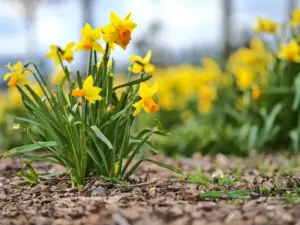
5 Best Bulbs for Fall Planting: Brighten Your Garden This Spring
Are you dreaming of a garden full of vibrant colors in the spring? The key [...]
Aug
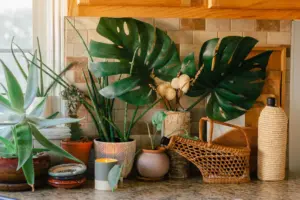
How to Repot Houseplants Like a Pro
Do your houseplants look like they’ve outgrown their pots? Are their roots popping out of [...]
Aug
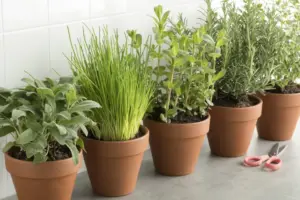
10 Houseplants That Will Thrive in Your Kitchen
Are you tired of your kitchen feeling dull and lifeless? Want to add a little [...]
Aug
Reviews
There are no reviews yet.