
Guide
5 Best Bulbs for Fall Planting: Brighten Your Garden This Spring
Aug
Are you dreaming of a garden full of vibrant colors in the spring? The key to a beautiful bloom starts in the fall! Planting bulbs in the fall ensures that when spring arrives, your garden will burst with color. Whether you’re new to gardening or a seasoned pro, choosing the right bulbs for fall planting is essential to achieving a stunning garden.
In this guide, I’ll share the 5 best bulbs for fall planting that will give your garden a stunning makeover come springtime. Let’s dive in and get your garden ready for its spring debut!
Why Plant Bulbs in the Fall?
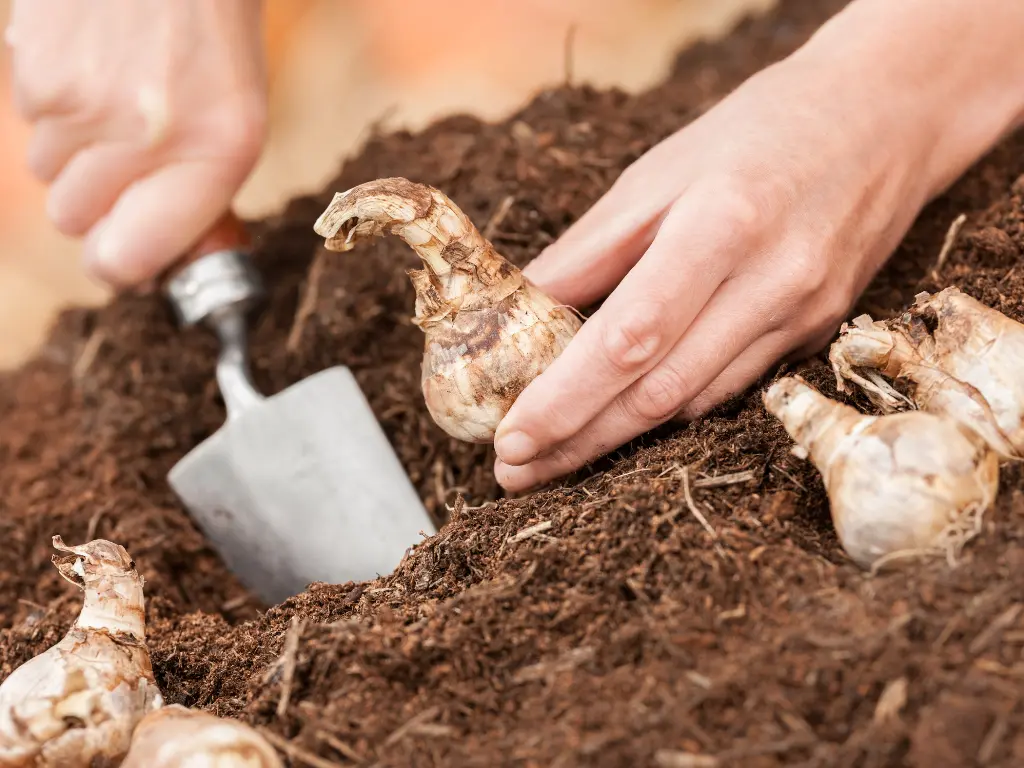
Fall is the ideal time to plant bulbs for spring blooms. The cooler temperatures and moist soil help the bulbs establish strong roots before the winter frost sets in. When the weather warms up in the spring, these bulbs will emerge, bloom, and fill your garden with color.
Planting bulbs in the fall also gives your garden a head start. By the time spring rolls around, your bulbs will be well on their way to blooming, ensuring you have a garden full of vibrant flowers early in the season.
5 Best Bulbs for Fall Planting
1. Tulips
Name: Tulip (Tulipa spp.)
USDA Hardiness Zones: 3 to 8
Light: Full sun to partial shade
Soil: Well-draining, slightly acidic
Flower Color: Red, yellow, purple, white, pink, and more
Deer Resistant: No
Tulips are the quintessential spring flower, and they thrive when planted in the fall. These vibrant flowers come in almost every color imaginable, making them a go-to choice for any garden. Plant them in well-drained soil, and they’ll reward you with a stunning show of color in early to mid-spring.
Tulips grow from bulbs, and their blossoms bloom in a range of colors and shapes, adding dramatic flair to garden beds, borders, or containers. The bulbs will last for several years, returning each spring with bright, cheerful blooms. However, tulips need to be planted in a sunny location to thrive and produce the best blooms.
Planting Tips:
Plant your tulip bulbs about 6 to 8 inches deep, spaced about 4 to 6 inches apart. This allows enough room for the roots to spread out while still ensuring a dense, colorful bloom.
2. Daffodils (Narcissus)

Name: Daffodil (Narcissus spp.)
USDA Hardiness Zones: 3 to 8
Light: Full sun to partial shade
Soil: Well-draining, slightly acidic
Flower Color: Yellow, white, orange
Deer Resistant: Yes
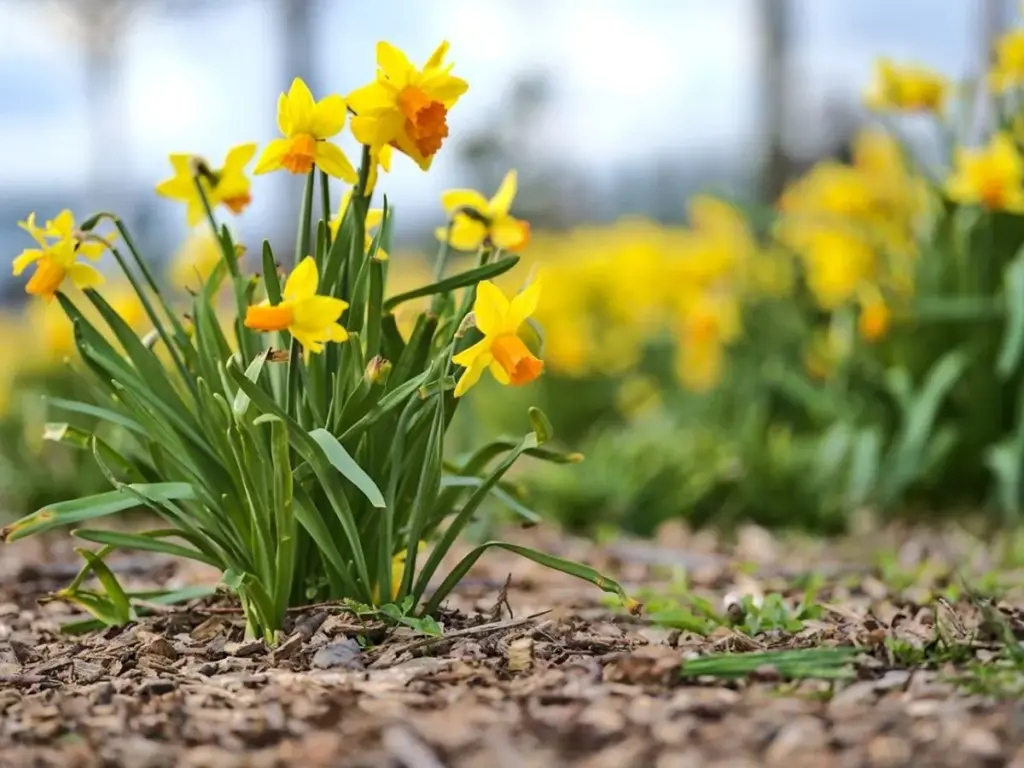
Daffodils are beloved for their cheerful, sunny faces that brighten any spring garden. These perennial bulbs are low-maintenance and thrive in both sun and partial shade. Daffodils are often the first flowers to bloom in the spring, signaling the end of winter with their bright yellow or white flowers.
Planting Tips:
Plant daffodil bulbs about 4 to 6 inches deep, spaced 4 to 6 inches apart. These bulbs are very hardy and can grow in a variety of soil conditions, but they do best in well-drained, slightly acidic soil.
3. Crocuses
Name: Crocus (Crocus spp.)
USDA Hardiness Zones: 3 to 8
Light: Full sun to partial shade
Soil: Well-draining, sandy or loamy
Flower Color: Purple, yellow, white, and striped
Deer Resistant: Yes
Crocuses are among the first flowers to bloom in the spring, often emerging while there’s still snow on the ground. These small, cup-shaped flowers are typically purple or yellow and create a stunning burst of color. Crocuses grow in clumps and naturalize well in lawns, meadows, and garden borders.
Planting Tips:
Plant crocus bulbs about 3 to 4 inches deep and space them 3 inches apart. Crocuses enjoy full sun but will also do well in partial shade. Plant them in well-draining soil, and they’ll reward you with early spring color each year.
4. Alliums

Name: Allium (Allium giganteum and others)
USDA Hardiness Zones: 4 to 8
Light: Full sun
Soil: Well-draining, slightly acidic
Flower Color: Purple, white, pink, yellow
Deer Resistant: Yes
Alliums, or ornamental onions, are known for their stunning, globe-like clusters of flowers that appear in late spring or early summer. These bold, architectural plants make a striking statement in any garden, with flowers that can reach up to 10 inches across.
Planting Tips:
Allium bulbs should be planted about 6 to 8 inches deep and spaced 6 inches apart. They prefer full sun and well-drained soil, and their large flowers attract bees, butterflies, and other pollinators.
5. Hyacinths
Name: Hyacinth (Hyacinthus orientalis)
USDA Hardiness Zones: 4 to 9
Light: Full sun to partial shade
Soil: Well-draining, fertile
Flower Color: Pink, purple, white, blue
Deer Resistant: No
Hyacinths are well-known for their beautiful, fragrant blooms. These flowers are perfect for adding color and scent to your garden, with tall spikes of dense flowers that range from soft pastels to vibrant hues. Hyacinths are excellent for containers, borders, or even as cut flowers for arrangements.
Planting Tips:
Plant hyacinth bulbs about 4 to 6 inches deep and space them 4 to 5 inches apart. Hyacinths thrive in well-draining, fertile soil and full sun, though they can tolerate partial shade.
Tips for Planting Bulbs in the Fall
-
Choose the Right Spot: Bulbs need well-drained soil, so select a location that won’t get waterlogged in the fall or winter. If you have heavy clay soil, amend it with organic matter to improve drainage.
-
Plant at the Right Depth: For most bulbs, plant them 2 to 3 times as deep as the height of the bulb. For example, a 2-inch bulb should be planted about 6 inches deep.
-
Water and Mulch: After planting, water your bulbs well to settle the soil around them. Add a layer of mulch to protect them from the cold and conserve moisture.
-
Avoid Overcrowding: Give your bulbs enough space to grow and bloom. Overcrowding can lead to poor air circulation and fewer flowers.
Frequently Asked Questions (FAQs)
When is the best time to plant bulbs for spring blooms?
The best time to plant bulbs is in the fall, typically 6-8 weeks before the first frost. This gives the bulbs time to establish roots before winter sets in.
Can I plant bulbs in containers?
Yes! Many bulbs, like tulips and hyacinths, grow well in containers. Be sure your pot has proper drainage, and use high-quality potting mix to ensure success.
Do I need to dig up bulbs after they bloom?
Most bulbs, like daffodils and tulips, are perennial, so they’ll come back year after year. However, in colder climates, you may want to lift and store tender bulbs like dahlias to protect them from freezing temperatures.
What should I do if my bulbs don’t bloom?
If your bulbs don’t bloom, it could be due to a lack of sunlight, overcrowding, or poor soil. Ensure they’re planted in the right conditions, and give them enough time to establish themselves before expecting blooms.
Conclusion
Planting bulbs in the fall is a simple way to guarantee a burst of color and fragrance in your garden when spring arrives. Whether you’re planting vibrant tulips, cheerful daffodils, or fragrant hyacinths, each bulb will bring its own unique beauty to your space. By following these planting tips, you’ll create a garden that’s full of life and color year after year.
You may like:
