
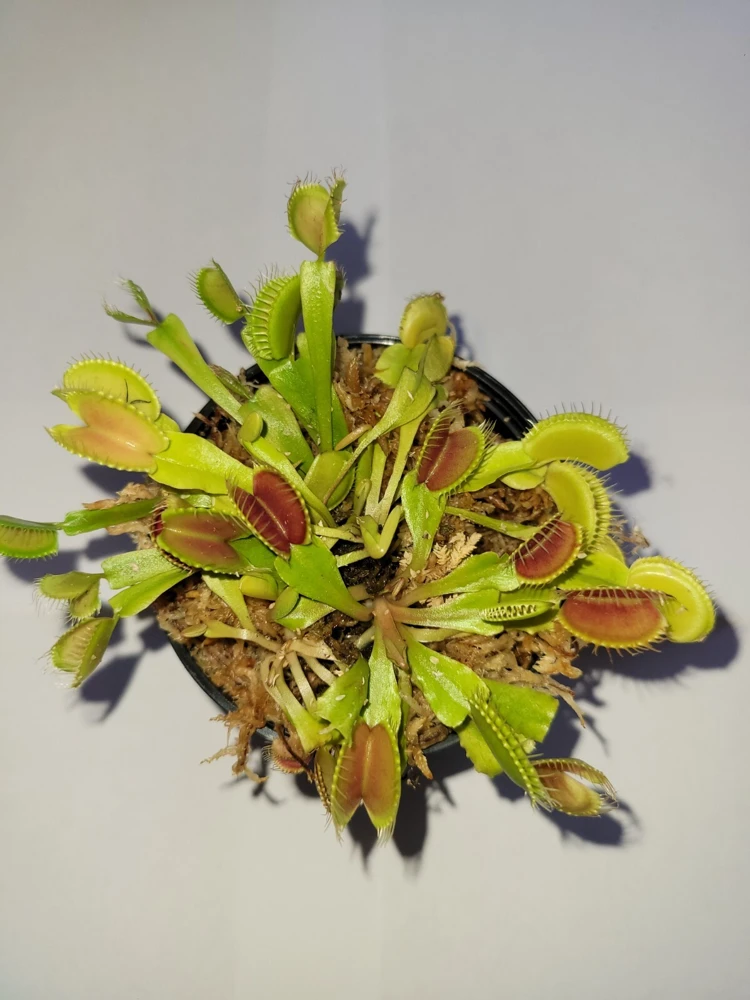
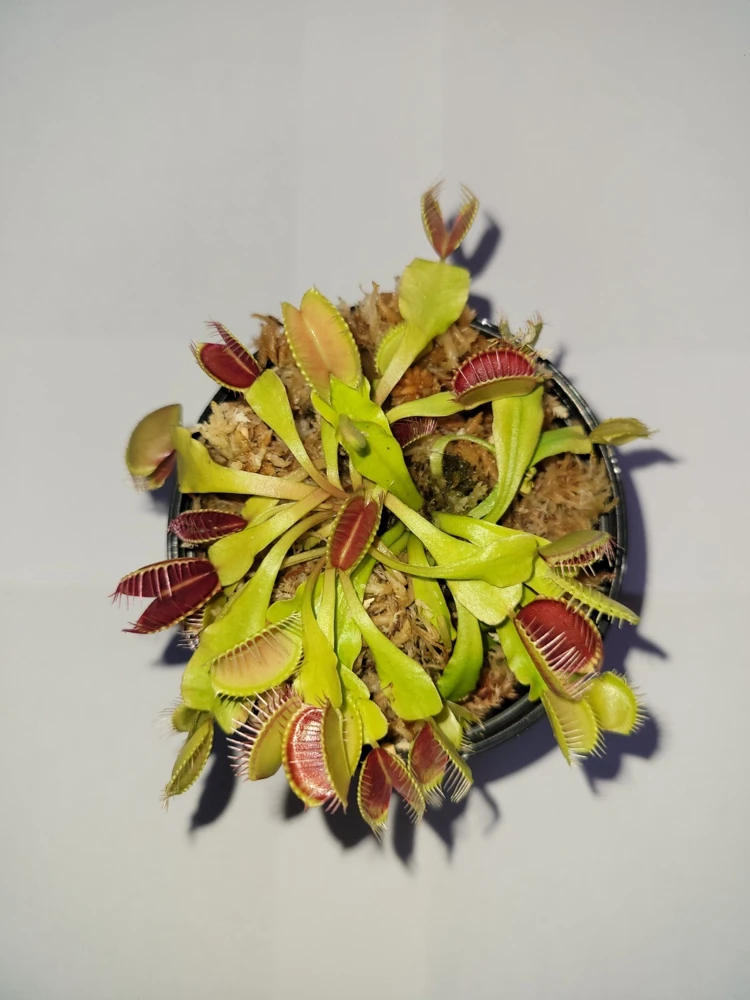
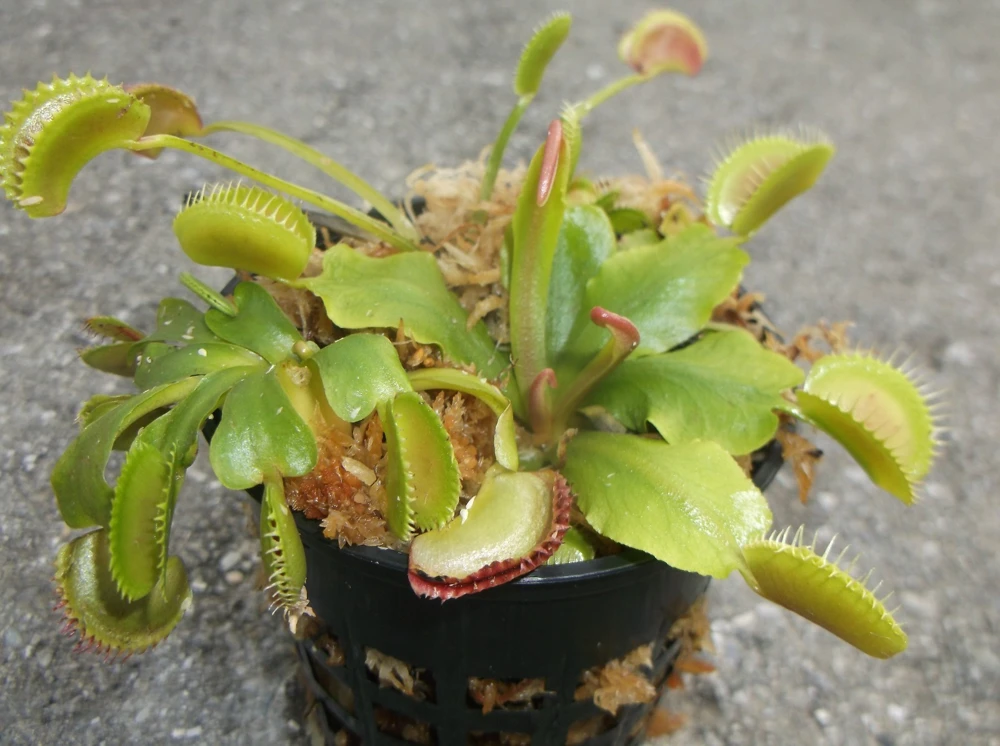
3 Small Venus Flytrap Live Plants – Carnivorous Dionaea Muscipula
Original price was: 82.98 $.42.98 $Current price is: 42.98 $.
Bring home a collection of 3 small Venus Flytrap live plants, the fascinating carnivorous plant care for any enthusiast. These Dionaea Muscipula specimens are perfect for controlling small insects both indoors and outdoors, adding an intriguing element to your plant collection. Easy to care for, they thrive with proper sunlight and water.
Estimated arrival
Oct 17
Oct 22 - Oct 24
Oct 24 - Oct 29
See our Shipping Policy.
Get in touch with us via email, and our team will review your concerns.
Our Alive & Thrive Guarantee covers issues with your plants within the first 30 days. Read our Refund & Returns Policy.
-
USDA Hardiness Zone
9 (20 to 30 °F) -
Soil Type
Acidic, nutrient-poor (peat moss and perlite/sand) -
Sunlight Exposure
Full sun (4-6 hours direct) -
Expected Planting Period
Year-round indoors; spring to summer outdoors
Overview
Introduce an extraordinary addition to your botanical collection with this set of 3 small Venus Flytrap live plants. Scientifically known as Dionaea Muscipula, these iconic carnivorous plants are renowned for their unique ability to capture and digest insects. Each plant arrives healthy and ready to thrive, offering a captivating display of nature’s ingenuity. Perfect for both novice and experienced plant enthusiasts, these Venus Flytraps provide an engaging way to observe the natural world up close. They are excellent for natural pest control in your home or garden, making them not just beautiful but also functional. Embrace the fascinating world of carnivorous plant care with these charming specimens, which promise to be a conversation starter in any setting.
The Venus Flytrap is perhaps the most famous carnivorous plant, captivating observers with its hinged leaves that snap shut to trap prey. Originally native to subtropical wetlands on the East Coast of the United States, these plants have adapted to thrive in nutrient-poor soils by supplementing their diet with insects. This bundle of 3 small Venus Flytrap live plants allows you to start your own collection or expand an existing one, providing multiple opportunities to witness their remarkable hunting mechanism. With their distinctive appearance and active predatory behavior, these plants offer an educational and aesthetically pleasing experience.
Key Benefits
Investing in these 3 small Venus Flytrap live plants brings a multitude of benefits, from captivating aesthetics to practical pest control. These unique plants are sure to enhance any space:
- Natural Pest Control: Venus Flytraps are highly efficient at trapping and digesting small insects like flies, gnats, and spiders, helping to keep your home or garden naturally free of common pests. This makes fly trap plants an eco-friendly solution for insect management.
- Educational and Engaging: Observing the Venus Flytrap’s trapping mechanism is a fascinating and educational experience for all ages. It provides a unique insight into the adaptations of carnivorous plants and the balance of ecosystems.
- Unique Aesthetic Appeal: With their distinctive green leaves and red-tinged traps, these plants offer an exotic and captivating visual element. They stand out in any plant collection and add a touch of the extraordinary to your indoor or outdoor decor.
- Relatively Low Maintenance: Once their specific needs for light, water, and soil are met, Venus Flytraps are surprisingly easy to care for, making them suitable for beginners interested in carnivorous plant care.
- Indoor and Outdoor Versatility: These plants thrive both as indoor potted specimens on a sunny windowsill and as outdoor bog garden residents in appropriate climates, offering flexibility in placement.
- Conversation Starter: Their unusual nature and active predatory habits make Venus Flytraps excellent conversation pieces, drawing attention and curiosity from visitors.
- Promotes Biodiversity: For outdoor enthusiasts, incorporating Dionaea Muscipula into a bog garden can contribute to a specialized habitat for unique plant species.
Plant Care & Growing Tips
Proper carnivorous plant care is essential for the health and longevity of your 3 small Venus Flytrap live plants. These plants have specific requirements that, once understood, make them relatively easy to grow. Sunlight is crucial; Venus Flytraps require a minimum of 4-6 hours of direct sunlight daily. An east-facing window or a bright, south-facing spot outdoors is ideal. If growing indoors, consider supplementing with a grow light, especially during shorter winter days, to ensure the traps develop their vibrant red coloration and remain active. Insufficient light will result in pale, weak plants with poor trap development.
Watering is perhaps the most critical aspect of caring for fly trap plants. They must be watered with distilled water, rainwater, or reverse osmosis water. Tap water, even filtered, contains minerals that can build up in the soil and eventually kill the plant. Keep the soil consistently moist, but never waterlogged. A common method is to place the pot in a tray of standing water (about 1/2 to 1 inch deep) and allow the plant to absorb water from the bottom. This mimics their natural boggy habitat. The soil should be a nutrient-poor, acidic mix, typically a blend of peat moss and perlite or sand, without added fertilizers. Avoid regular potting soil at all costs.
Temperature and humidity also play a role in growing Venus Flytraps. They are temperate plants and can tolerate a wide range of temperatures, from mild freezes (USDA Hardiness Zone 9) to warm summers. However, they do require a dormancy period in winter, usually from late fall to early spring, where temperatures drop and light levels decrease. During dormancy, the plant’s growth slows significantly, and some leaves may die back. Reduce watering during this period but keep the soil slightly damp. Fertilization is not necessary and can harm the plant; they get their nutrients from insects. Protect outdoor plants from extreme cold below 20°F.
Size & Details
This offering includes 3 small Venus Flytrap live plants, each a healthy and vibrant specimen of Dionaea Muscipula. Typically, these young plants will arrive with several active traps and an established root system, ready for immediate placement in their new environment. While exact dimensions may vary slightly due to natural growth, you can expect each plant to be approximately 2 to 4 inches in diameter, making them perfectly sized for a terrarium, a small pot on a windowsill, or integration into a larger bog garden. These plants are shipped potted in their appropriate acidic growing medium to ensure minimal transplant shock and continued vitality upon arrival.
As these Dionaea Muscipula plants mature, they can reach a size of 4 to 6 inches in diameter, with individual traps growing up to 1.5 inches long. Their growth rate is moderate, and with optimal carnivorous plant care, they will develop more traps and a robust root system. Expect them to actively trap insects throughout their growing season, which typically spans from spring through fall. The vibrant red coloration within the traps becomes more pronounced with ample direct sunlight. These plants are deciduous, meaning they will undergo a natural dormancy period during the cooler months, during which their growth will slow, and some foliage may die back before new growth emerges in spring.
Frequently Asked Questions
- Q: How big do these 3 small Venus Flytrap live plants get? A: Each of these small Venus Flytrap plants typically arrives about 2-4 inches in diameter. With proper care, they can mature to a size of 4-6 inches across, with individual traps reaching up to 1.5 inches in length.
- Q: What size pot does it come in? A: The plants are typically shipped in small nursery pots, usually around 2-3 inches in diameter, which is ideal for their initial size and allows for easy transplanting if desired.
- Q: Is this an indoor or outdoor plant? A: The Venus Flytrap live plant can thrive both indoors on a sunny windowsill and outdoors in a bog garden, provided its specific light and watering needs are met. It is versatile for various growing environments.
- Q: How much sunlight does it need? A: Venus Flytraps require 4-6 hours of direct sunlight daily to grow best and for their traps to develop vibrant colors. Bright, indirect light is not sufficient; they need direct sun.
- Q: Is this plant easy to care for? A: While Venus Flytraps have specific care requirements, particularly regarding water quality and soil, they are considered relatively easy to care for once these fundamental needs are understood. They are a great choice for those new to carnivorous plant care.
- Q: Is it good for beginners? A: Yes, Venus Flytraps are often recommended for beginners in the carnivorous plant hobby due to their straightforward care compared to some other complex species.
- Q: What condition will it arrive in? A: Your 3 small Venus Flytrap live plants will arrive healthy and actively growing, securely packaged in their pots with appropriate soil to ensure their safe journey and readiness for their new home.
- Q: Is it shipped in soil? A: Yes, these Venus Flytraps are shipped in their specialized, acidic, nutrient-poor soil mix, usually peat moss and perlite, to maintain their health during transit.
- Q: Can I feed my Venus Flytrap insects? A: While they will catch their own insects, you can occasionally feed them small, live insects if they are not catching enough on their own. Avoid feeding them anything larger than one-third of the trap size.
- Q: How long until it blooms? A: Mature Venus Flytraps may produce a flower stalk in spring. However, many growers prefer to cut the flower stalk to conserve the plant’s energy for trap growth, especially for younger plants.
- Q: When is the best time to plant? A: As these are live potted plants, they can be introduced to their new environment any time of year, though spring and summer are ideal for active growth.
- Q: Will it survive winter in my zone? A: Venus Flytraps require a winter dormancy with cooler temperatures. They are hardy in USDA Zones 8-10 outdoors. In colder zones, they will need winter protection or to be brought indoors to a cool, dormant spot.
- Q: What’s the minimum temperature? A: During their active growing season, they prefer temperatures between 60-95°F. During dormancy, they can tolerate temperatures as low as 20-40°F.
Be the first to review “3 Small Venus Flytrap Live Plants – Carnivorous Dionaea Muscipula”
Related products


HousePlants
Purple African Violet Plant Live, Perennial Houseplant, 4 Inch Pot, Indoor Garden, Vibrant Violets


HousePlants


You May Like

Hardneck vs. Softneck Garlic: Which Should You Grow?
Have you ever stood in front of a seed catalog in mid-September, staring at dozens [...]
Oct

When to Plant Music Garlic: Ultimate US Fall Guide
Have you ever spent your fall weekend placing carefully chosen garlic cloves into rich, dark [...]
1 Comment
Oct

5 Best Bulbs for Fall Planting: Brighten Your Garden This Spring
Are you dreaming of a garden full of vibrant colors in the spring? The key [...]
Aug

10 Houseplants That Will Thrive in Your Kitchen
Are you tired of your kitchen feeling dull and lifeless? Want to add a little [...]
1 Comment
Aug
Reviews
There are no reviews yet.