
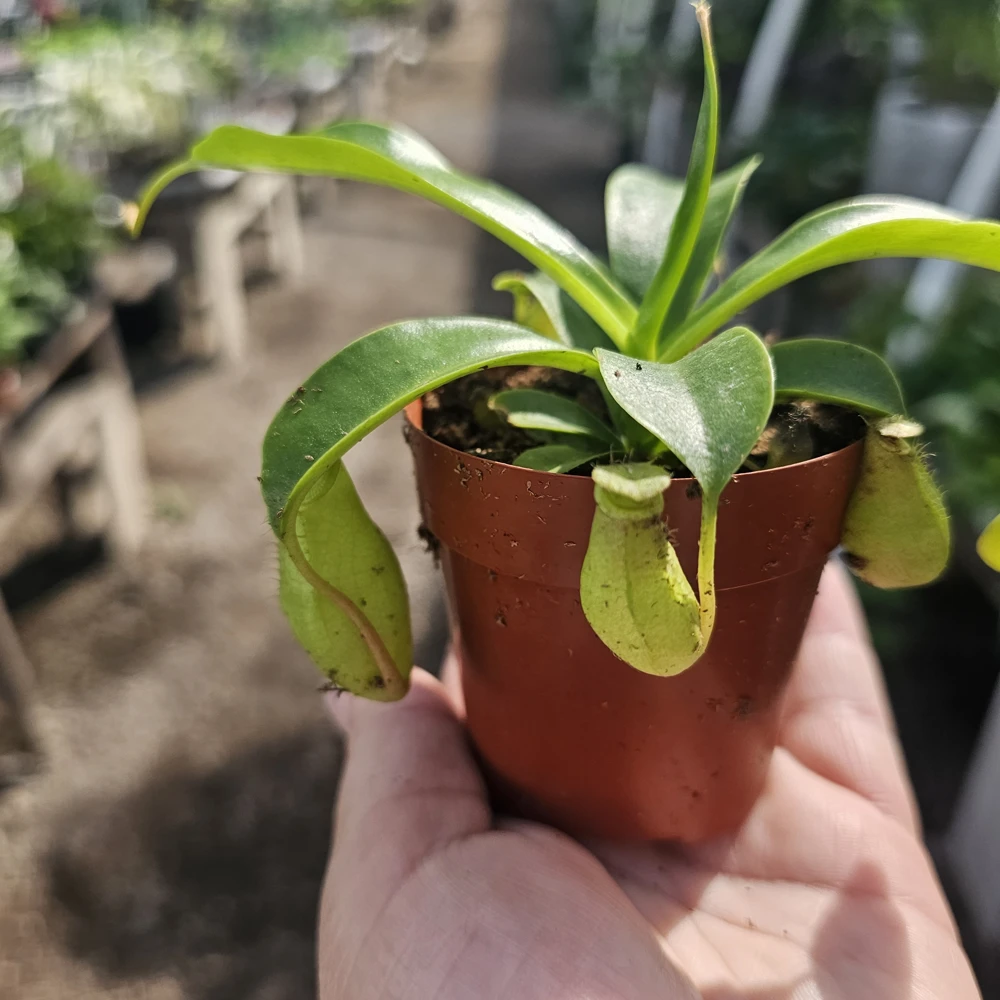
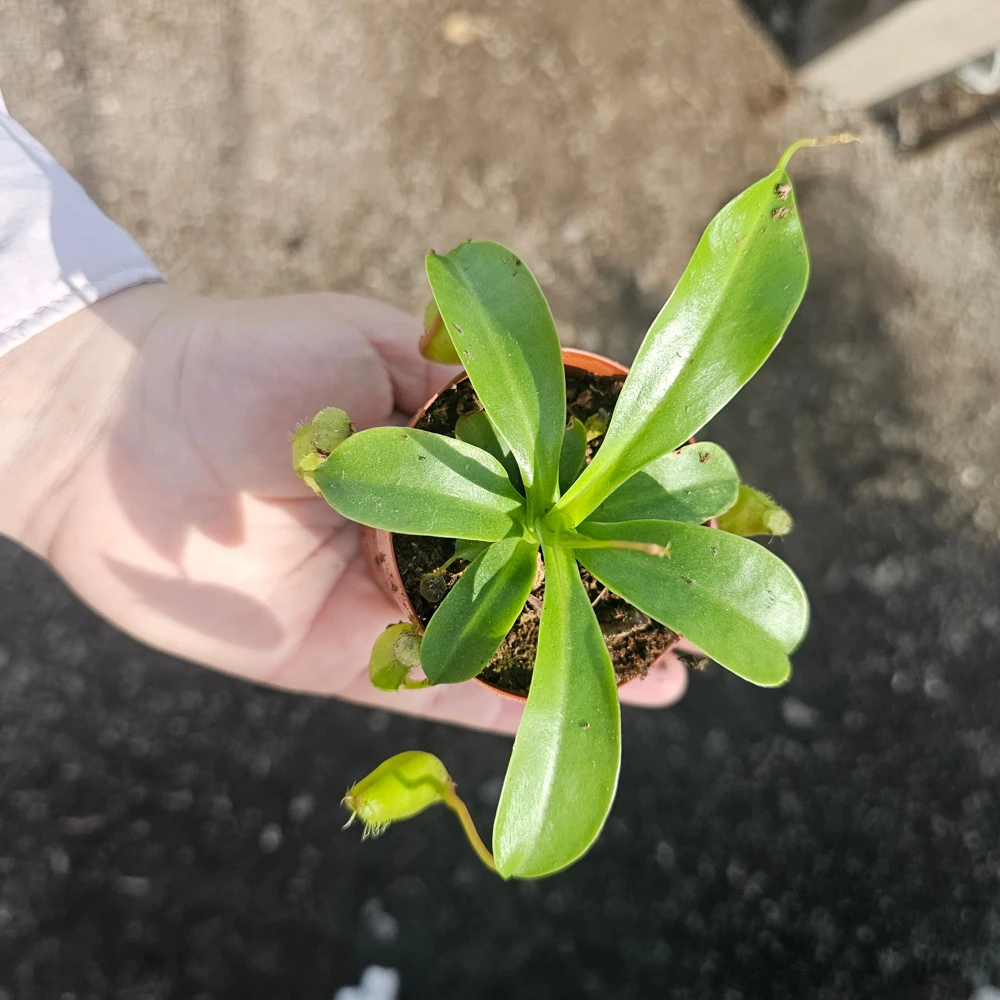
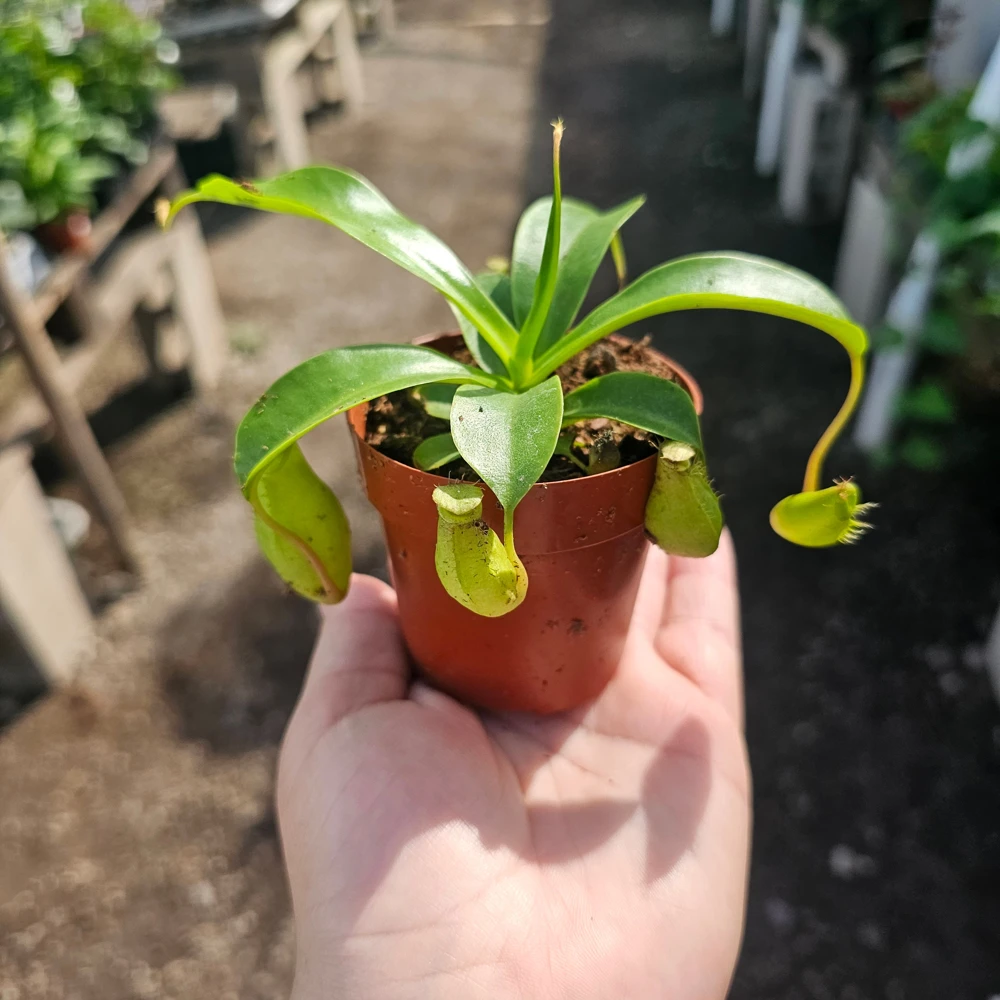
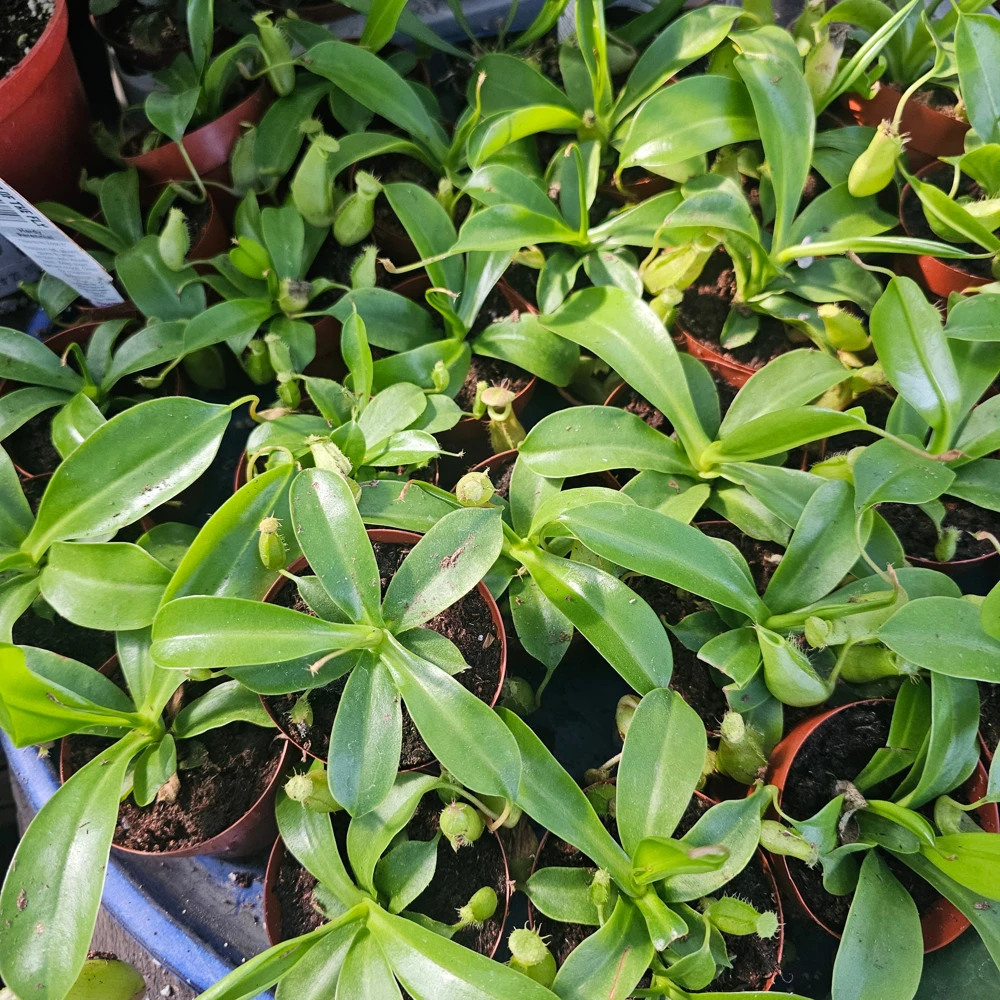
Nepenthes Pitcher Plant Live – Carnivorous Monkey Cups – 3in Pot
Original price was: 68.48 $.28.48 $Current price is: 28.48 $.
Bring home a fascinating Nepenthes pitcher plant, also known as monkey cups plant, to your indoor collection. This unique carnivorous plant thrives indoors, adding an exotic touch and natural pest control. Perfect for plant enthusiasts looking for a truly special houseplant.
Estimated arrival
Oct 17
Oct 22 - Oct 24
Oct 24 - Oct 29
See our Shipping Policy.
Get in touch with us via email, and our team will review your concerns.
Our Alive & Thrive Guarantee covers issues with your plants within the first 30 days. Read our Refund & Returns Policy.
-
USDA Hardiness Zone
USDA zones 10-11 (or indoors) -
Soil Type
Well-draining, acidic, low-nutrient mix (e.g., sphagnum moss and perlite) -
Sunlight Exposure
Bright indirect light -
Expected Planting Period
Year-round indoors
Overview
Introduce an exotic wonder to your home with the captivating Nepenthes pitcher plant. Often referred to as Monkey Cups plant due to their distinctive pitcher-shaped leaves, these incredible specimens are a type of carnivorous plant that naturally traps and digests insects. Each plant comes in a convenient 3-inch pot, ready to adorn your windowsill, terrarium, or hanging basket. Nepenthes add a touch of the extraordinary to any collection, offering both visual appeal and a fascinating glimpse into the natural world’s adaptations. They are a truly unique houseplant that will spark conversation and intrigue.
Originating from tropical regions of Asia, these plants are renowned for their striking pitchers, which can vary in color, size, and shape, providing endless visual interest. Our Nepenthes pitcher plant is a live specimen, carefully cultivated to ensure a healthy start in your home. They are relatively easy to care for, making them suitable for both experienced plant collectors and those new to the world of carnivorous plants. Embrace the allure of the jungle with this magnificent botanical specimen.
Key Benefits
Adding a Nepenthes pitcher plant to your home offers a range of unique advantages that go beyond its striking appearance. These benefits make it a rewarding choice for any plant enthusiast.
- Natural Pest Control: The primary benefit of a carnivorous plant like Nepenthes is its ability to catch and digest insects such as flies, gnats, and mosquitoes, acting as a natural and chemical-free pest deterrent in your home.
- Exotic Visual Appeal: With their unique pitcher-shaped leaves, Nepenthes provide an unparalleled aesthetic, transforming any space into a miniature tropical oasis. Each pitcher is a natural work of art.
- Educational & Fascinating: Observing the intricate mechanism of how these plants capture prey is a captivating experience, making the monkey cups plant an excellent educational tool for all ages.
- Conversation Starter: Its unusual nature ensures that your Nepenthes pitcher plant will be a constant source of wonder and discussion among guests. It’s truly a unique houseplant.
- Adaptable to Indoor Environments: While tropical, many Nepenthes varieties are well-suited to indoor conditions when provided with proper care, thriving in bright, humid environments.
- Relatively Low Maintenance: Once its specific light and humidity needs are met, the Nepenthes requires less frequent watering than many other houseplants, making it a manageable addition to your plant family.
- Air Purification: Like many plants, Nepenthes contribute to a healthier indoor environment by converting carbon dioxide into oxygen, improving air quality.
Plant Care & Growing Tips
Caring for your Nepenthes pitcher plant is a rewarding experience that requires attention to a few key environmental factors. These tropical plants thrive in conditions that mimic their natural humid habitats. For optimal growth, provide bright, indirect light. An east-facing window is often ideal, offering morning sun without the harsh intensity of direct afternoon light. Too much direct sun can scorch the delicate pitchers, while too little light will result in fewer and smaller pitchers. Adequate air circulation is also beneficial to prevent fungal issues.
Watering is crucial for a healthy carnivorous plant. Nepenthes prefer consistently moist, but not waterlogged, soil. Use distilled water, rainwater, or reverse osmosis water, as tap water often contains minerals that can harm the plant over time. Water thoroughly when the top inch of soil feels slightly dry, ensuring good drainage. High humidity is paramount for pitcher development; aim for 60-80%. You can achieve this by misting regularly, using a humidity tray, or placing the plant in a terrarium or near a humidifier. The ideal temperature range for most Nepenthes is between 65-85°F (18-29°C) during the day and slightly cooler at night. These plants do not typically require extensive fertilization; their pitchers provide most of their nutrient needs. If you choose to fertilize, use a very diluted, orchid-specific fertilizer sparingly, or provide small insects a few times a year. Proper carnivorous plant care ensures a thriving and productive specimen.
Size & Details
This offering includes one healthy Nepenthes pitcher plant, delivered in a 3in pot, ready for transplanting or continued growth in its current container. The plant’s size will vary slightly depending on its growth stage, but it will be a robust, young specimen with developing pitchers. While individual plant dimensions vary, you can expect a compact, desk-friendly size initially, with potential for growth up to 1-2 feet in height or spread over time with proper care. These plants are shipped as live potted plants, ensuring they arrive with minimal stress and are ready to acclimate to their new home. Expect to see new pitchers forming regularly in ideal conditions, showcasing the dynamic nature of this unique houseplant. The growth rate is moderate, allowing you to enjoy its development over months and years.
Frequently Asked Questions
- Q: How big does this Nepenthes pitcher plant get? A: Your Nepenthes will arrive in a 3-inch pot and will be a young plant. With proper care, they can grow to be 1-2 feet tall or wide, with some varieties growing even larger over several years.
- Q: Is this an indoor or outdoor plant? A: While Nepenthes are tropical, they are primarily grown as an indoor carnivorous plant in most climates. They can thrive outdoors in very warm, humid, frost-free environments, typically USDA zones 10-11, but are usually cultivated indoors as a houseplant.
- Q: How much sunlight does it need? A: Nepenthes require bright, indirect light. An east-facing window is often ideal. Avoid harsh, direct afternoon sun which can burn the leaves and pitchers.
- Q: Is this plant easy to care for? A: With consistent humidity and proper watering using distilled or rainwater, Nepenthes are considered moderately easy to care for. They are not as demanding as some other carnivorous plants, making them a good choice for those starting carnivorous plant care.
- Q: What condition will it arrive in? A: Your monkey cups plant will arrive as a live, healthy potted plant in its 3-inch nursery pot, carefully packaged to minimize shipping stress. We recommend unpacking it promptly upon arrival.
- Q: What type of water should I use for my Nepenthes? A: Always use distilled water, rainwater, or reverse osmosis water. Tap water often contains minerals and chemicals that can build up in the soil and harm the plant.
- Q: Does this unique houseplant need fertilizer? A: Nepenthes get most of their nutrients from the insects they catch. Fertilization is generally not needed. If you wish, a very diluted, orchid-specific fertilizer can be applied sparingly to the leaves, or you can occasionally drop a small insect into a pitcher.
- Q: How do Nepenthes catch insects? A: The pitchers are modified leaves that contain a sweet nectar and slippery rim, luring insects inside. Once an insect falls in, digestive fluids at the bottom of the pitcher break it down, providing nutrients to the plant.
- Q: What temperature range is best for my Nepenthes? A: These plants prefer warm temperatures, ideally between 65-85°F (18-29°C) during the day, with a slight drop at night. Avoid temperatures below 55°F (13°C) for extended periods.
- Q: Are there different varieties of Nepenthes pitcher plant? A: Yes, there are many species and hybrids of Nepenthes, each with unique pitcher shapes, sizes, and coloration. This listing is for a common, robust variety suitable for home cultivation.
Be the first to review “Nepenthes Pitcher Plant Live – Carnivorous Monkey Cups – 3in Pot”
Related products


HousePlants
Purple African Violet Plant Live, Perennial Houseplant, 4 Inch Pot, Indoor Garden, Vibrant Violets

HousePlants


HousePlants
White Christmas Caladium Live Plant with Roots – Fancy Leaf Elephant Ear Tropical Shade Plant
You May Like

Hardneck vs. Softneck Garlic: Which Should You Grow?
Have you ever stood in front of a seed catalog in mid-September, staring at dozens [...]
Oct

When to Plant Music Garlic: Ultimate US Fall Guide
Have you ever spent your fall weekend placing carefully chosen garlic cloves into rich, dark [...]
1 Comment
Oct

5 Best Bulbs for Fall Planting: Brighten Your Garden This Spring
Are you dreaming of a garden full of vibrant colors in the spring? The key [...]
Aug

10 Houseplants That Will Thrive in Your Kitchen
Are you tired of your kitchen feeling dull and lifeless? Want to add a little [...]
1 Comment
Aug
Reviews
There are no reviews yet.