
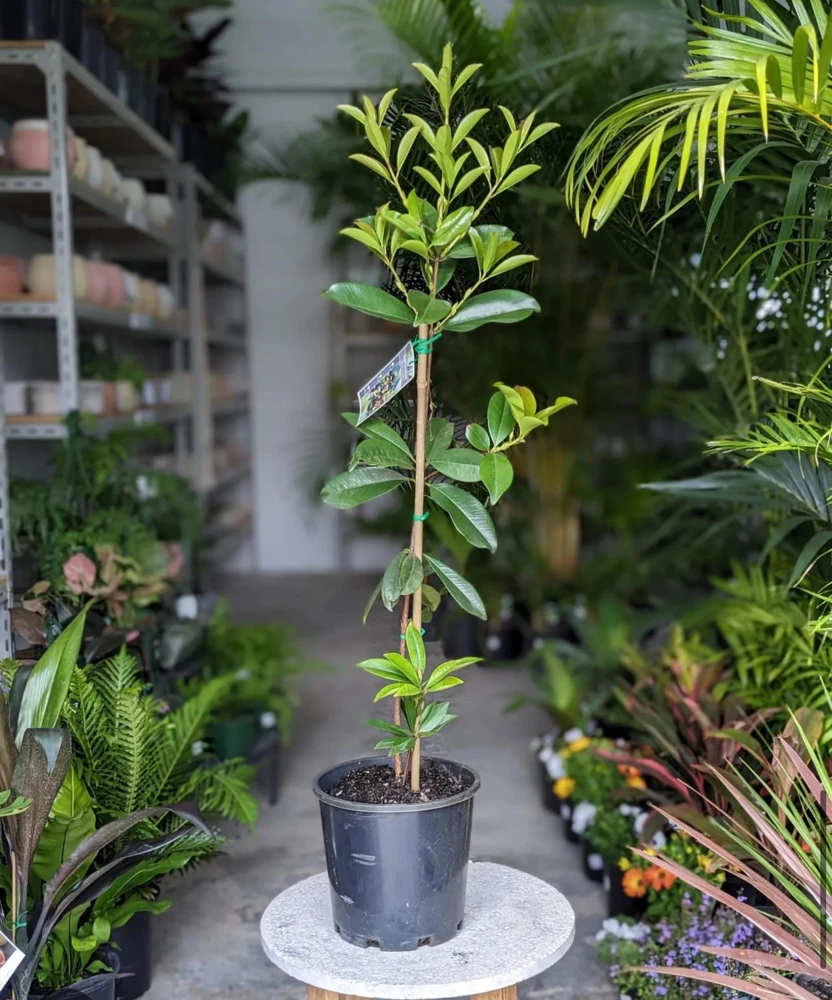
Grumichama Live Tropical Fruit Tree (Eugenia brasiliensis) 2-3ft
Original price was: 168.80 $.118.80 $Current price is: 118.80 $.
Bring the tropics to your garden with this Grumichama live tropical fruit tree. Standing 2-3ft tall, this Eugenia brasiliensis plant produces delicious, cherry-like fruits with a sweet, pleasant flavor. Ideal for warm climates or as a container plant in cooler regions, offering both ornamental beauty and edible rewards.
Estimated arrival
Oct 18
Oct 23 - Oct 25
Oct 25 - Oct 30
See our Shipping Policy.
Get in touch with us via email, and our team will review your concerns.
Our Alive & Thrive Guarantee covers issues with your plants within the first 30 days. Read our Refund & Returns Policy.
-
USDA Hardiness Zone
USDA zones 9-11 -
Soil Type
Well-draining, slightly acidic to neutral soil -
Sunlight Exposure
Full sun (6-8 hours direct light) -
Expected Planting Period
Spring to early summer
Overview
Introducing the magnificent Grumichama live tropical fruit tree, scientifically known as Eugenia brasiliensis. This exquisite plant is a must-have for any enthusiast looking to cultivate unique and delicious tropical fruits. Originating from Brazil, the Grumichama is celebrated for its attractive appearance and, more importantly, its succulent, berry-like fruits. This offering is for a vibrant Eugenia brasiliensis plant, standing robustly at 2-3ft, ready to establish itself in your garden or patio. It promises to be a rewarding addition, providing both aesthetic appeal and a bountiful harvest of sweet treats.
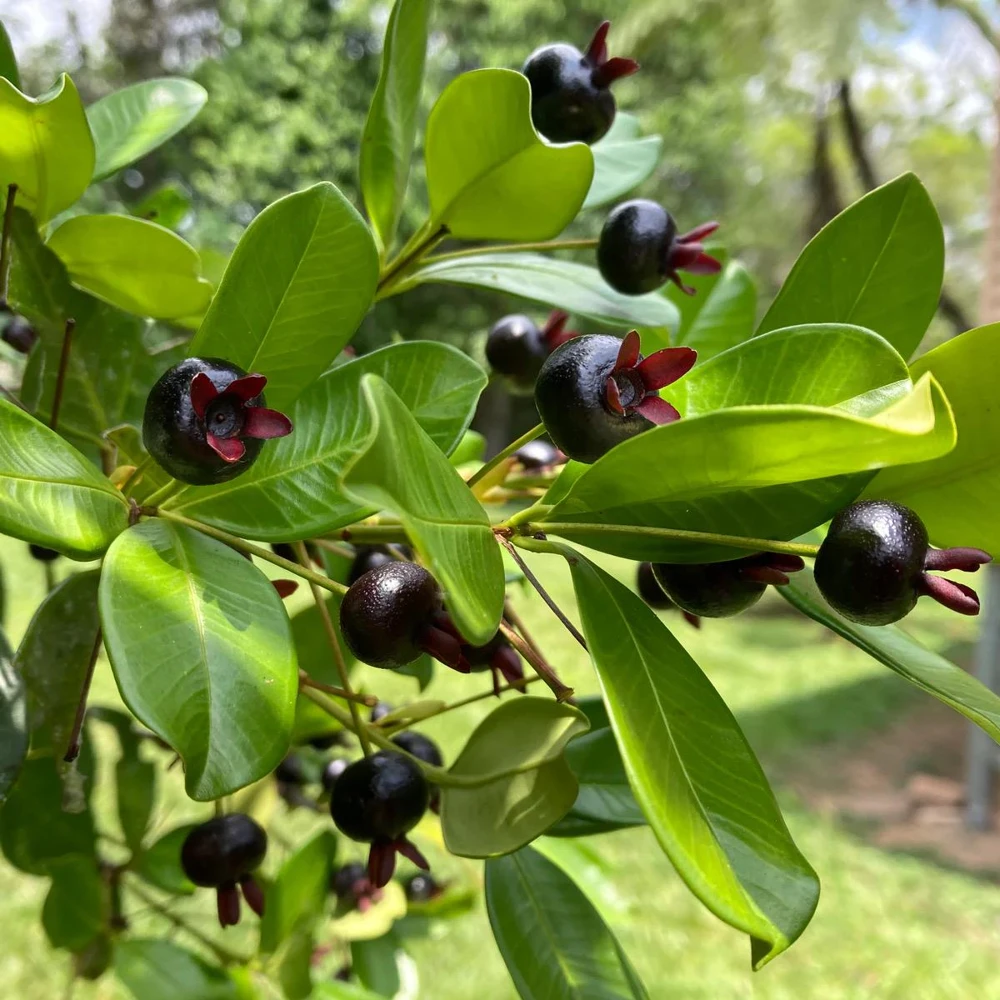
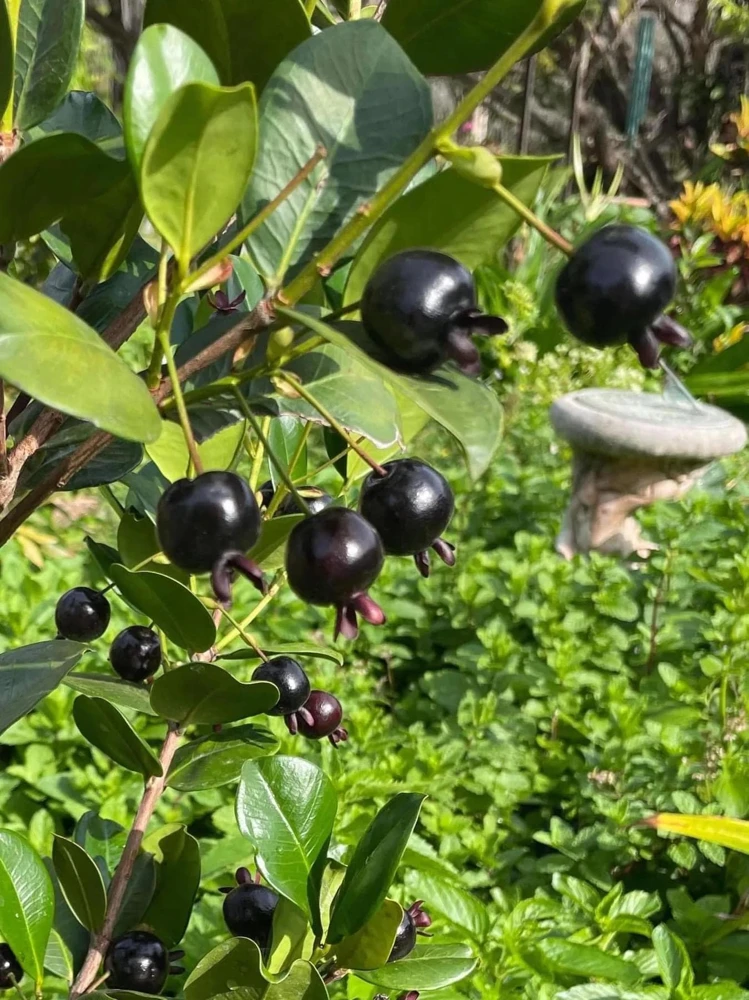
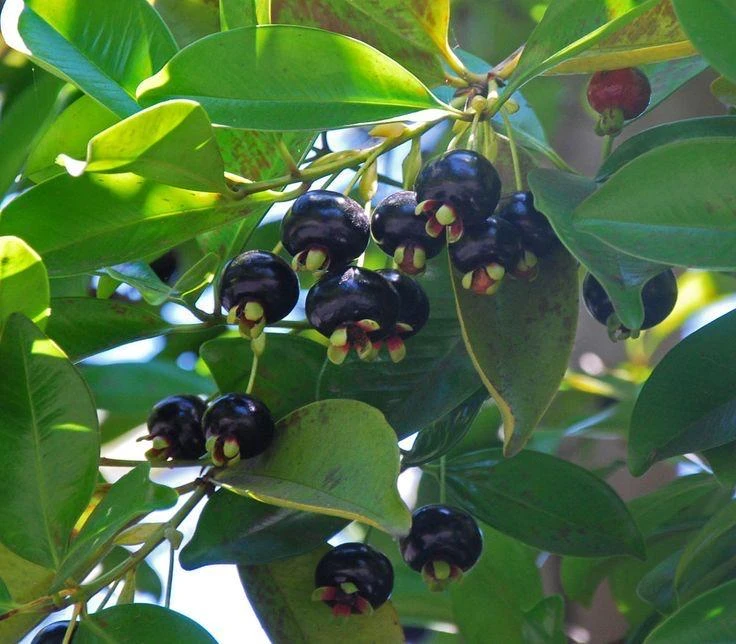
The Grumichama live tropical fruit tree produces fleshy, globose fruits, typically 1 to 2.5 cm in diameter, which gracefully hang from long, thin peduncles. As they mature, these fruits transition from red to a striking black-purple hue, crowned with four green, persistent sepals, giving them a distinctive and charming look. The pulp is white, incredibly edible, and boasts a wonderfully pleasant and sweet flavor, often compared to a cherry or jaboticaba. Growing Grumichama is a delightful experience, yielding fresh, exotic fruit right from your own backyard.
Key Benefits
Cultivating a Grumichama live tropical fruit tree offers a multitude of advantages, from its ornamental value to its delicious yield. This plant is not just a fruit producer; it’s a statement piece for your garden.
- Delicious Edible Fruit: Enjoy a steady supply of sweet, cherry-like fruits directly from your own tree. The unique flavor profile makes it a delightful addition to fresh eating, desserts, jams, and juices. This truly is an exceptional edible tropical fruit tree.
- Ornamental Appeal: With its glossy green foliage, attractive flowers (often white and fragrant), and colorful ripening fruits, the Grumichama adds significant aesthetic value to any landscape or container garden.
- Compact Growth Habit: The Grumichama typically maintains a manageable size, making it suitable for smaller gardens, urban spaces, or even as a patio plant in a large container.
- Relatively Low Maintenance: Once established, the Eugenia brasiliensis plant is known for being relatively easy to care for, requiring standard tropical plant maintenance without excessive demands.
- Fast Fruiting: Compared to many other fruit trees, Grumichama can start producing fruit at a relatively young age, often within a few years of planting.
- Adaptable to Containers: Its compact nature makes it an excellent candidate for container growing, allowing you to move it indoors during colder months, extending its range.
- Unique Garden Addition: Stand out from traditional fruit trees with this exotic and lesser-known gem, offering a unique conversation starter and a rare treat for your palate.
Plant Care & Growing Tips
Proper care is essential for a thriving Grumichama live tropical fruit tree. This plant, while relatively forgiving, will flourish with the right conditions. It thrives in warm, humid environments, reminiscent of its native habitat. For optimal growth and fruit production, provide plenty of sunlight. Aim for at least 6-8 hours of direct sun per day. If growing indoors or in a greenhouse, ensure it receives bright, indirect light supplemented with grow lights if necessary. Protecting it from strong, cold winds is also beneficial.
Watering should be consistent, especially during dry periods and when the plant is actively growing or fruiting. The soil should be kept consistently moist but never waterlogged. Good drainage is paramount to prevent root rot. A well-draining, slightly acidic to neutral soil (pH 5.5-6.5) is ideal. Amending heavy clay soils with organic matter like compost or perlite can improve drainage. Fertilize your Eugenia brasiliensis plant regularly during the growing season (spring and summer) with a balanced, slow-release fertilizer formulated for fruit trees. Reduce fertilization in fall and winter. Pruning is generally minimal, mainly to shape the tree and remove any dead or diseased branches.
The Grumichama live tropical fruit tree is moderately cold-sensitive. While mature trees can tolerate brief dips to around 28-30°F (-1 to -2°C), young plants are more vulnerable. For zones below USDA 9, it’s best to grow Grumichama in a container and bring it indoors during winter or provide significant winter protection. Common problems include scale insects or aphids, which can typically be managed with horticultural oil or insecticidal soap. Ensuring good air circulation and appropriate watering practices will help prevent fungal issues.
Size & Details
This offering is for one robust Grumichama live tropical fruit tree, measuring approximately 2-3ft in height from the base of the pot. It is a well-established plant, typically shipped in a nursery pot, ready for transplanting into its permanent location or a larger container. The Grumichama is a relatively fast-growing tree that can reach heights of 10-20 feet in its native environment, though it often remains smaller in cultivation, especially when grown in containers, typically reaching 6-10 feet. It develops a dense, bushy canopy that provides excellent shade and ornamental value. Expect the plant to start fruiting within a few years of planting, with peak production occurring once it matures.
The fruit, which is the primary allure of this edible tropical fruit tree, ripens quickly after flowering, often within a month. This means you can enjoy multiple harvests throughout the warmer months in optimal conditions. The tree’s moderate growth rate and natural bushiness make it an excellent choice for a specimen plant or as part of a mixed tropical garden. When considering growing Grumichama, remember its tropical origins and provide the warmest, sunniest spot available.
Frequently Asked Questions
- Q: How big does this Grumichama live tropical fruit tree get? A: This specific plant is 2-3ft tall. In ideal conditions, Grumichama can grow up to 10-20 feet tall, but it often stays smaller, especially when grown in containers, typically reaching 6-10 feet.
- Q: Is this an indoor or outdoor plant? A: The Grumichama is a tropical plant best suited for outdoor growing in USDA Zones 9-11. In colder climates, it can be grown outdoors in summer and brought indoors as a container plant for winter.
- Q: How much sunlight does the Eugenia brasiliensis plant need? A: This plant thrives in full sun, requiring at least 6-8 hours of direct sunlight per day for optimal growth and fruit production. It can tolerate partial shade but may produce less fruit.
- Q: Is this plant easy to care for? A: Yes, once established, the Grumichama is considered relatively low-maintenance. It requires consistent watering, good drainage, and occasional fertilization. It’s an excellent choice for those interested in growing Grumichama.
- Q: What condition will it arrive in? A: Your Grumichama live tropical fruit tree will arrive as a healthy, well-rooted plant in a nursery pot, carefully packaged to ensure its safe journey. It will be ready for immediate transplanting or placement in a larger container.
- Q: Can I eat the fruit directly from the tree? A: Absolutely! The Grumichama produces delicious, sweet, cherry-like fruits that are excellent for fresh eating. They are also great for making jams, jellies, and juices.
- Q: What is the best time to plant a Grumichama live tropical fruit tree? A: The best time to plant is in spring or early summer, after all danger of frost has passed, to allow the plant ample time to establish before cooler weather.
- Q: What are the main requirements for Grumichama plant care? A: Key requirements include full sun, consistently moist but well-draining soil, protection from frost, and regular feeding during the growing season.
- Q: How long until it blooms and fruits? A: Grumichama can start flowering and fruiting within 2-4 years of planting. Once it flowers, fruits typically ripen quickly, often within a month.
- Q: Will the edible tropical fruit tree survive winter in my zone? A: It will survive winter outdoors in USDA Zones 9-11. In colder zones, it must be protected from frost or brought indoors during the winter months.
Be the first to review “Grumichama Live Tropical Fruit Tree (Eugenia brasiliensis) 2-3ft”
Related products


You May Like

Hardneck vs. Softneck Garlic: Which Should You Grow?
Have you ever stood in front of a seed catalog in mid-September, staring at dozens [...]
Oct

When to Plant Music Garlic: Ultimate US Fall Guide
Have you ever spent your fall weekend placing carefully chosen garlic cloves into rich, dark [...]
1 Comment
Oct

5 Best Bulbs for Fall Planting: Brighten Your Garden This Spring
Are you dreaming of a garden full of vibrant colors in the spring? The key [...]
Aug

10 Houseplants That Will Thrive in Your Kitchen
Are you tired of your kitchen feeling dull and lifeless? Want to add a little [...]
1 Comment
Aug
Reviews
There are no reviews yet.