


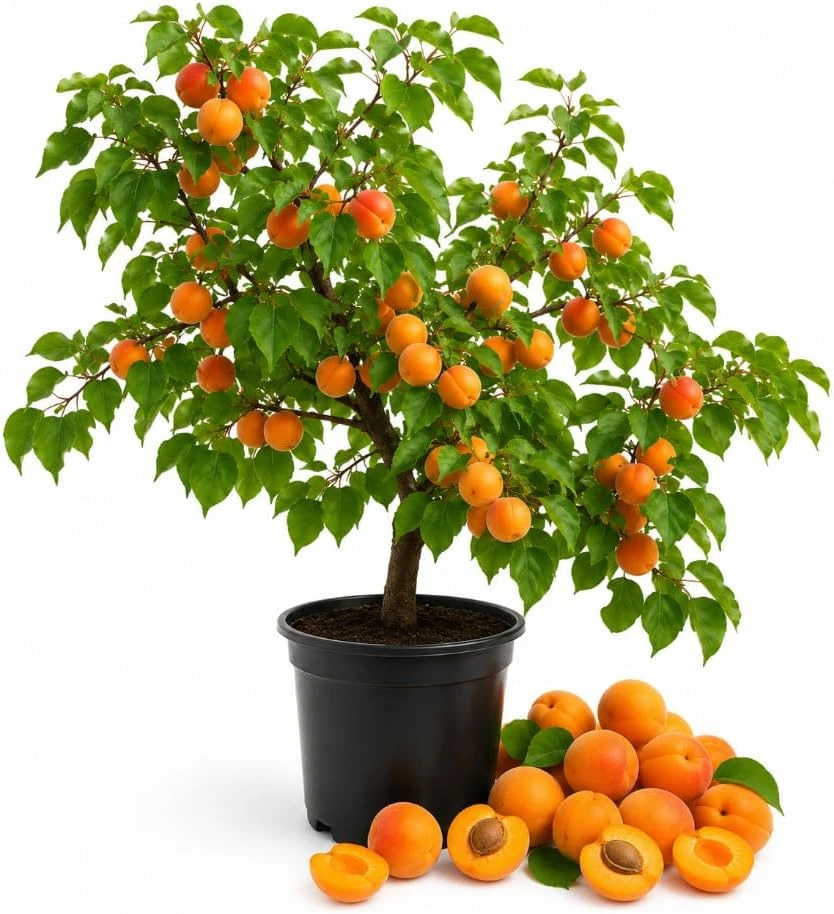
Grafted Ambika Mango Tree Live Plant – 2-3 ft Tall – Grow Your Own Sweet Mangoes Outdoor
Original price was: 156.31 $.126.31 $Current price is: 126.31 $.
Cultivate your own tropical paradise with this grafted mango tree, Ambika variety. Standing 2-3 ft tall, it’s perfect for home gardens, promising sweet, juicy, and disease resistant mango tree fruits. Easy to care for, this plant brings tropical flavor to your backyard.
Estimated arrival
Oct 15
Oct 20 - Oct 22
Oct 22 - Oct 27
See our Shipping Policy.
Get in touch with us via email, and our team will review your concerns.
Our Alive & Thrive Guarantee covers issues with your plants within the first 30 days. Read our Refund & Returns Policy.
-
USDA Hardiness Zone
USDA Zones 9-11 -
Soil Type
Well-draining, sandy loam -
Sunlight Exposure
Full sun -
Expected Planting Period
Spring to early summer
Overview
Embark on a rewarding gardening journey with our premium grafted mango tree, the exquisite Ambika variety. This live plant, standing approximately 2-3 feet tall, is specifically selected to help you grow mangoes at home with ease and success. The Ambika mango is renowned for its exceptional flavor profile, combining sweetness with a delightful juiciness that makes it a favorite among mango enthusiasts. Grafting ensures that your tree will produce fruit true to the Ambika variety, and often leads to earlier fruiting compared to seed-grown trees. Imagine stepping into your backyard and plucking ripe, fragrant mangoes directly from your own tree – a true taste of the tropics right at your fingertips. This robust young tree is ready to establish itself in your garden, transforming your outdoor space into a productive and beautiful oasis.
Our Ambika mango plant is carefully nurtured to ensure it arrives healthy and ready for planting. It’s an ideal choice for both experienced gardeners and those new to growing fruit trees, offering a relatively straightforward path to enjoying homegrown tropical fruit. With its vibrant green foliage and the promise of delicious harvests, this mango tree is more than just a plant; it’s an investment in sustainable living and delightful culinary experiences. Prepare to impress your friends and family with the unparalleled taste of fresh, homegrown Ambika mangoes.
Key Benefits
Adding an Ambika grafted mango tree to your garden brings a multitude of advantages, enhancing both your landscape and your palate. These trees are known for their vigor and ability to thrive, providing consistent yields of high-quality fruit.
- Exceptional Fruit Quality: The Ambika variety is celebrated for its incredibly sweet, aromatic, and juicy flesh, making it a superior choice for fresh eating, desserts, and culinary creations. Enjoy the rich, tropical flavor that store-bought mangoes often can’t match.
- Disease Resistance: This particular mango variety exhibits good natural resistance to common mango diseases, reducing the need for extensive chemical treatments and making it an excellent disease resistant mango tree for organic gardening practices.
- Early & Abundant Fruiting: As a grafted tree, it typically begins to bear fruit sooner than trees grown from seed, often within 2-4 years of planting, allowing you to enjoy your first harvest much quicker.
- Beautiful Ornamental Value: Beyond its delicious fruit, the mango tree boasts attractive, lush green foliage and can provide welcome shade, enhancing the aesthetic appeal of your garden or patio.
- Perfect for Home Gardens: Its manageable size and productive nature make it an ideal choice for residential landscapes, allowing you to easily grow mangoes at home without requiring vast amounts of space.
- Promotes Healthy Eating: Having fresh mangoes readily available encourages a healthier diet, packed with vitamins, minerals, and antioxidants directly from your own garden.
- Sustainable & Rewarding Hobby: Cultivating your own fruit contributes to a more sustainable lifestyle and offers immense satisfaction as you watch your tree grow and produce delicious harvests year after year.
Plant Care & Growing Tips
Caring for your grafted mango tree is a rewarding experience that ensures a bountiful harvest. Mango trees thrive in warm, tropical, or subtropical climates. For optimal growth and fruit production, select a location that receives full sun, meaning at least 6-8 hours of direct sunlight per day. If you live in a cooler climate, consider planting it in a large container that can be moved indoors during colder months, or provide winter protection. The Ambika mango plant is relatively hardy once established but appreciates consistent care.
When it comes to watering, young mango trees need regular moisture to establish a strong root system. Water deeply 2-3 times a week during the first year, especially during dry periods. Once mature, mango trees are quite drought-tolerant but will produce better fruit with consistent watering, particularly when flowering and fruiting. Ensure the soil drains well; mangoes do not like soggy feet. A sandy loam soil with good organic matter is ideal. Fertilize your Ambika mango plant with a balanced fertilizer specifically formulated for fruit trees, following package directions, usually every 2-3 months during the growing season. Reduce fertilization in fall and winter.
Pruning is essential for maintaining the tree’s shape, promoting air circulation, and encouraging fruit production. Prune after harvesting, removing any dead, diseased, or crossing branches. You can also prune to manage the tree’s size, which is beneficial if you want to keep your outdoor fruit tree manageable for harvesting. Watch out for common pests like scale insects or mealybugs, and address them with organic insecticides or horticultural oil if necessary. With proper care, your grafted mango tree will flourish and provide you with years of delicious fruit.
Size & Details
This offering is for one healthy grafted mango tree of the Ambika variety, standing approximately 2-3 feet tall from the base of the pot to the tip of the highest branch. The tree is typically shipped in a nursery container, ready for immediate planting in your garden or a larger pot. Grafted mango trees like this Ambika variety are selected for their robust growth and ability to produce fruit relatively quickly, often within 2 to 4 years under ideal conditions. When mature, an Ambika mango tree can reach heights of 10-20 feet, depending on pruning and growing conditions, making it a substantial and productive outdoor fruit tree for most home landscapes.
The tree will arrive with established roots and healthy foliage, carefully packaged to ensure its safe journey to your home. Its moderate growth rate allows for easy management, making it an excellent choice for those looking to grow mangoes at home. Expect a beautiful specimen that will become a focal point in your garden, providing both aesthetic appeal and the promise of tropical harvests for many seasons to come.
Frequently Asked Questions
- Q: How big does this grafted mango tree get? A: This Ambika grafted mango tree is 2-3 ft tall upon arrival. With proper care and pruning, it can reach a mature height of 10-20 feet in your garden, providing ample shade and fruit.
- Q: Is this an indoor or outdoor plant? A: This Ambika mango plant is primarily an outdoor fruit tree, best suited for USDA Zones 9-11. In cooler climates, it can be grown in a large pot and moved indoors during winter months to protect it from frost.
- Q: How much sunlight does it need? A: Your grafted mango tree requires full sun, meaning at least 6-8 hours of direct sunlight daily, to produce the best fruit and maintain healthy growth.
- Q: Is this plant easy to care for? A: Mango trees are considered moderately easy to care for. They need consistent watering when young, good drainage, and regular fertilization. The Ambika is a disease resistant mango tree, which simplifies care.
- Q: What condition will it arrive in? A: Your grafted mango tree will arrive healthy, with established roots and foliage, securely packaged in a nursery container to ensure its safe transit and readiness for planting.
- Q: How long until it blooms and produces fruit? A: As a grafted tree, it typically begins to flower and produce fruit within 2-4 years after planting, much faster than a tree grown from seed.
- Q: Can I really grow mangoes at home in my backyard? A: Yes, absolutely! With the right climate (USDA Zones 9-11) or proper winter protection, you can successfully grow mangoes at home and enjoy fresh, homegrown fruit from your own Ambika mango tree.
- Q: What kind of soil is best for this outdoor fruit tree? A: Mango trees prefer well-draining, slightly acidic soil, ideally a sandy loam. Good drainage is crucial to prevent root rot.
- Q: What are the Ambika mango’s characteristics? A: The Ambika mango is known for its sweet, juicy flesh with a delightful aroma, making it an excellent choice for fresh consumption and various culinary uses.
- Q: Is this mango tree drought-tolerant? A: Once established, mature mango trees, including this Ambika mango plant, exhibit good drought tolerance, but consistent watering during flowering and fruiting periods will yield better results.
Be the first to review “Grafted Ambika Mango Tree Live Plant – 2-3 ft Tall – Grow Your Own Sweet Mangoes Outdoor”
Related products




You May Like

Hardneck vs. Softneck Garlic: Which Should You Grow?
Have you ever stood in front of a seed catalog in mid-September, staring at dozens [...]
Oct

When to Plant Music Garlic: Ultimate US Fall Guide
Have you ever spent your fall weekend placing carefully chosen garlic cloves into rich, dark [...]
1 Comment
Oct

5 Best Bulbs for Fall Planting: Brighten Your Garden This Spring
Are you dreaming of a garden full of vibrant colors in the spring? The key [...]
Aug

10 Houseplants That Will Thrive in Your Kitchen
Are you tired of your kitchen feeling dull and lifeless? Want to add a little [...]
1 Comment
Aug
Reviews
There are no reviews yet.