
10 Thornless Blackberry Plants – High Yield Fruit Bushes – Bare Root Live Plant – Outdoor
Original price was: 130.00 $.120.99 $Current price is: 120.99 $.
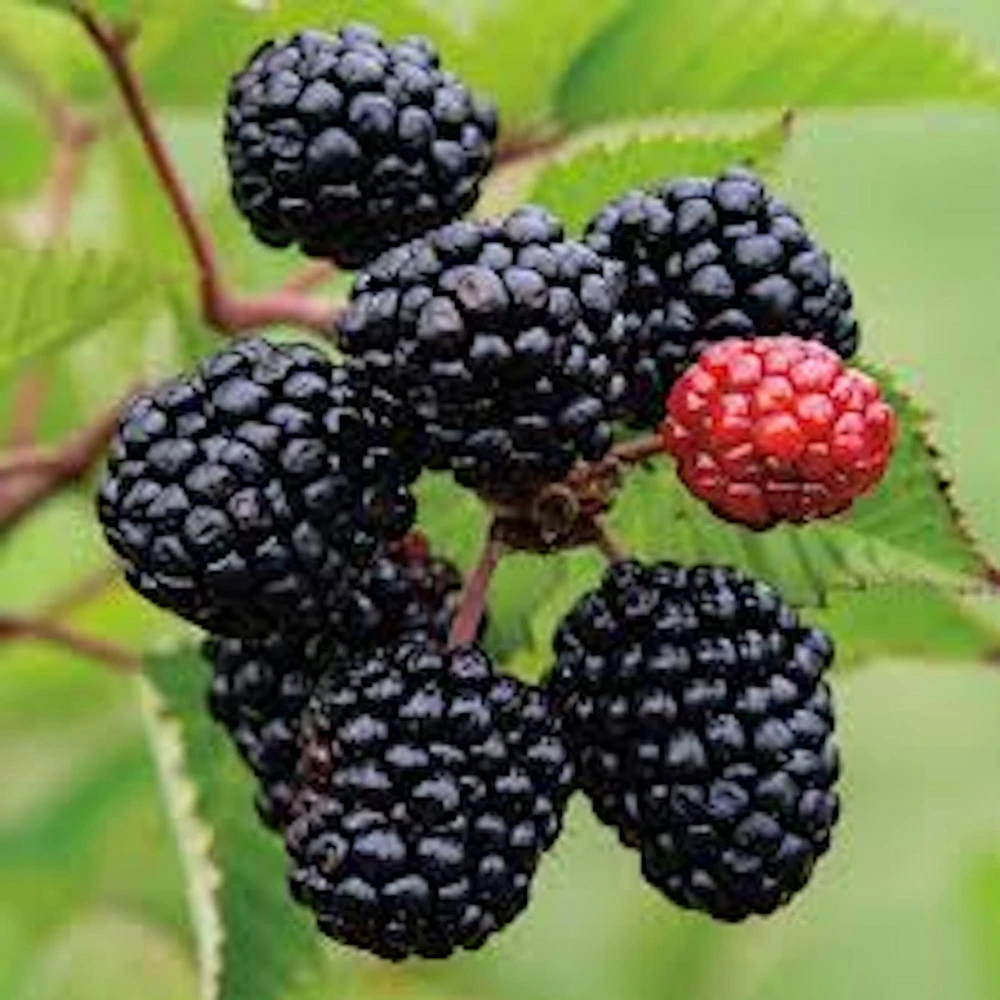
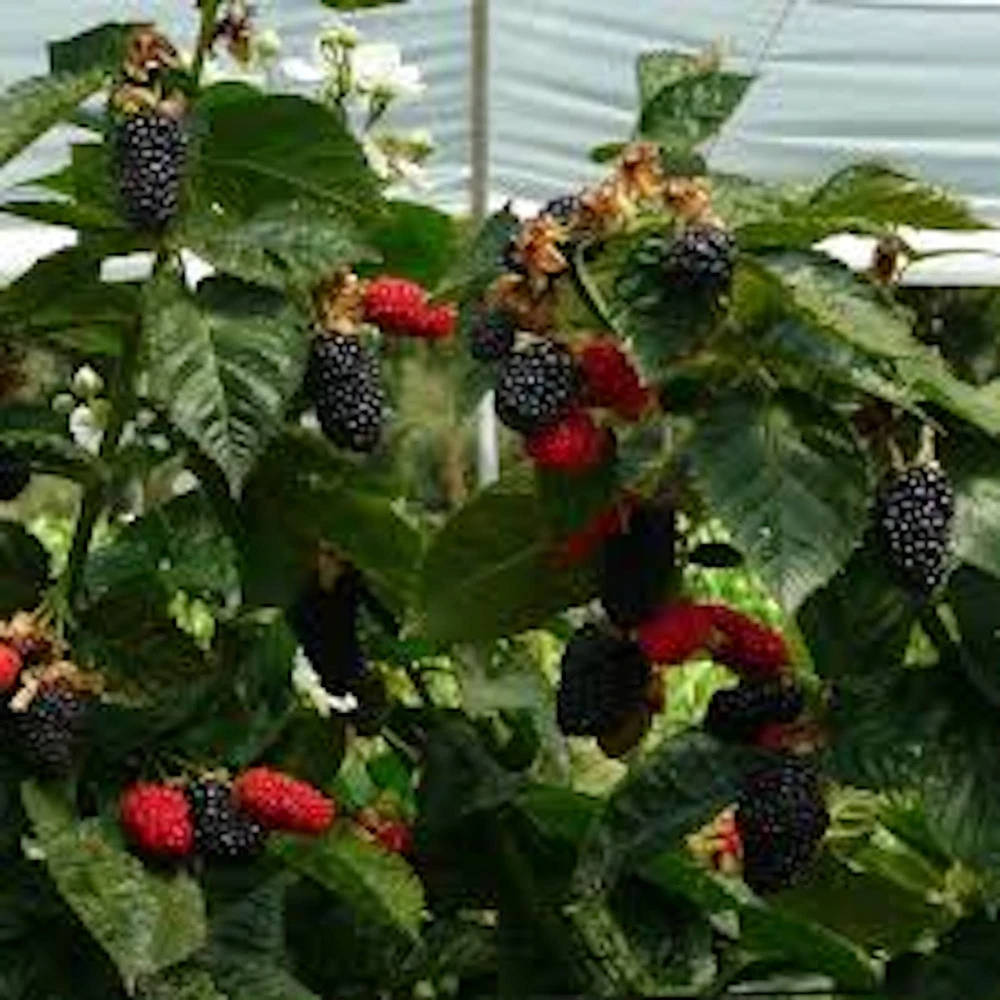
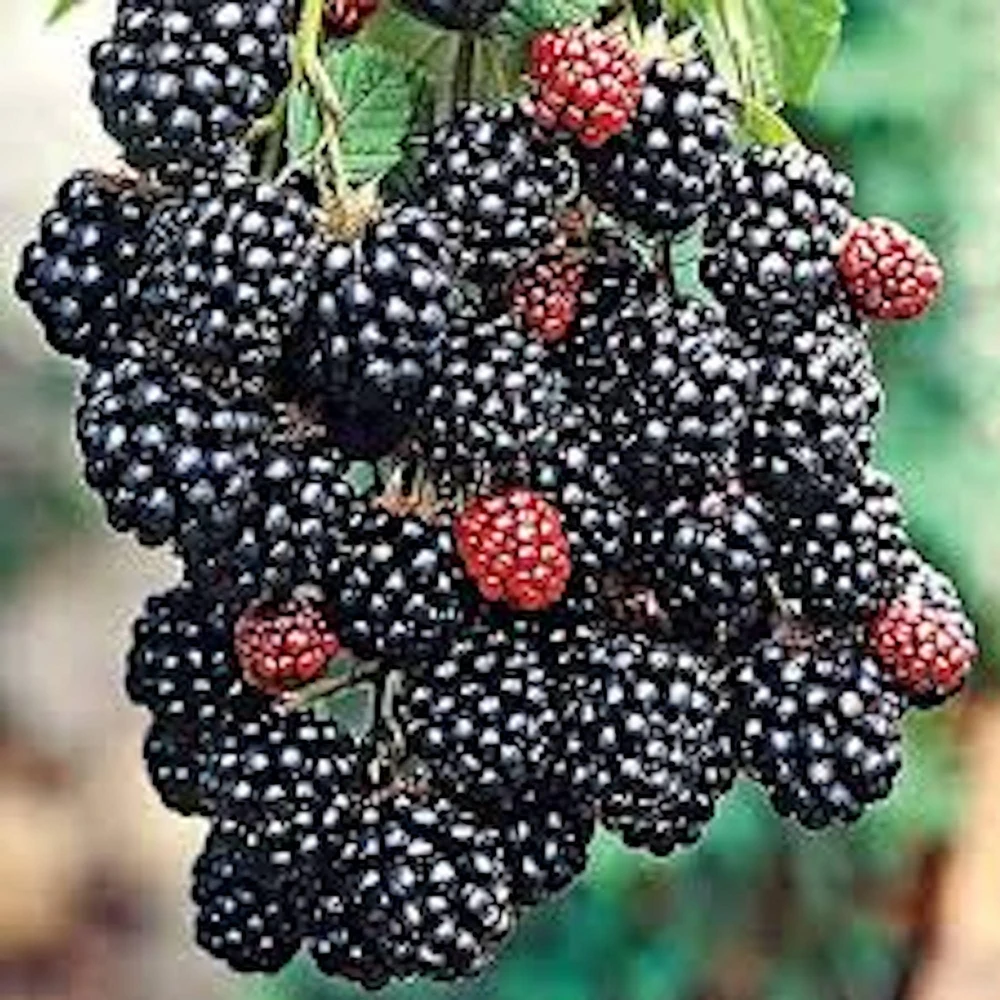
Cultivate your own fruitful garden with these 10 thornless blackberry plants. Enjoy abundant harvests of sweet, antioxidant-rich berries from these easy-to-grow, high yield blackberry bushes. Perfect for home gardeners seeking delicious fresh fruit.
Estimated arrival
Oct 19
Oct 24 - Oct 26
Oct 26 - Oct 31
See our Shipping Policy.
Get in touch with us via email, and our team will review your concerns.
Our Alive & Thrive Guarantee covers issues with your plants within the first 30 days. Read our Refund & Returns Policy.
-
USDA Hardiness Zone
USDA zones 5-9 -
Soil Type
Well-draining, slightly acidic soil -
Sunlight Exposure
Full sun to partial shade -
Expected Planting Period
Early spring or late fall
Overview
Transform your garden into a productive edible landscape with these 10 thornless blackberry plants. These robust bare-root starter plants are ideal for anyone looking to cultivate their own fresh, delicious fruit. Blackberries are fruiting shrubs belonging to the genus Rubus in the rose family Rosaceae. These particular varieties are known for their absence of thorns, making harvesting a much more pleasant experience. With a focus on providing an abundant harvest, these plants are selected for their excellent fruit production and ease of care. Growing your own high yield blackberry bushes allows you to enjoy fresh, organic berries right from your backyard, perfect for snacking, baking, or preserving.
Blackberry bushes produce succulent fruits packed with health benefits. Much like their close cousin the raspberry, blackberries contain high levels of antioxidants, including vitamin C, vitamin K, potassium, and dietary fiber. They contain very little overall fat and zero saturated fat, with a small amount of protein, and most calories from carbohydrates. These characteristics make them a fantastic addition to a healthy diet. Our thornless blackberry plants offer a practical and rewarding gardening experience, providing years of bountiful harvests.
Key Benefits
Adding thornless blackberry plants to your garden offers numerous advantages, from delicious fruit to a healthier lifestyle. These plants are designed to thrive and provide a rewarding gardening experience.
- Abundant Harvest: These high yield blackberry bushes are selected for their prolific fruiting, ensuring a generous supply of fresh berries season after season. Enjoy an endless bounty for eating fresh, making jams, pies, or freezing.
- Thornless Variety: Experience hassle-free harvesting with these thornless varieties. No more painful pricks, making it easier and more enjoyable for gardeners of all ages to pick their own fruit.
- Nutrient-Rich Fruit: Blackberries are packed with antioxidants, vitamins C and K, potassium, and dietary fiber, contributing to a healthy diet. Growing your own ensures the freshest and most nutritious produce.
- Easy to Grow: Blackberries are known for their hardiness and adaptability, tolerating a range of growing conditions. They are relatively low-maintenance once established, making them suitable for both novice and experienced gardeners.
- Long-Lived Production: With proper care, blackberry bushes can live and produce fruit for about a decade, providing a long-term investment in your edible garden.
- Versatile Use: The fresh berries can be enjoyed straight from the bush, added to cereals, yogurts, smoothies, or used in various culinary applications like pies, tarts, and preserves.
- Pollinator Friendly: The flowers of blackberry plants attract bees and other beneficial pollinators to your garden, contributing to a healthy ecosystem.
Plant Care & Growing Tips
To ensure your thornless blackberry plants thrive and produce a bountiful harvest, understanding their specific care requirements is essential. Blackberries are relatively easy to care for, especially when compared to more delicate fruit varieties. For best results, select a site with full sun, meaning at least 6-8 hours of direct sunlight per day. In areas with particularly hot summers, some afternoon shade can be beneficial to prevent scorching. Careful site selection will ensure a long life for your blackberries, which usually live for about a decade with proper care. The ideal soil is slightly acidic, with a pH between 5.5 and 6.5, and, crucially, has good drainage. These plants do not do well in heavy clay soil that retains too much moisture. An elevated site or raised beds will not only help drainage but will also prevent late spring frosts from damaging delicate flower buds.
Watering is a critical aspect of blackberry bush care. Blackberries need moderate amounts of water, around 1 inch per week, provided either by rainfall or from ground-level irrigation. It’s important to avoid overhead watering as this can encourage fungal diseases. Consistent moisture is vital during fruit development. Blackberries do not fare well in wet, waterlogged soils, so ensure the soil drains well. Fertilization can be done in early spring with a balanced slow-release fertilizer or compost to support vigorous growth and fruit production. Pruning is also important; specific techniques vary by type, but generally involves removing old, fruited canes to encourage new growth. For those looking to grow blackberries successfully, consistent care will yield delicious rewards.
While blackberries are hardy, monitoring for common pests and diseases can help maintain plant health. Good air circulation and proper spacing between plants can deter many issues. Regular inspection for signs of stress, discoloration, or insect activity allows for early intervention. These robust plants are closer to wild roses in their ease of care than to a hybrid tea rose, making them a great choice for home gardeners. Following these guidelines will help you successfully grow blackberries that are healthy and productive, ensuring a continuous supply of fresh fruit for years to come.
Size & Details
This offering includes 10 thornless blackberry plants, provided as bare-root starter plants. Bare-root plants are dormant when shipped, making them easy to transport and plant. Upon arrival, they should be planted as soon as possible to ensure successful establishment. Each plant is a healthy, young specimen ready to establish itself and grow into a productive fruit bush. The exact size of the bare-root plants will vary slightly but they are typically 6-12 inches in length, ready for planting.
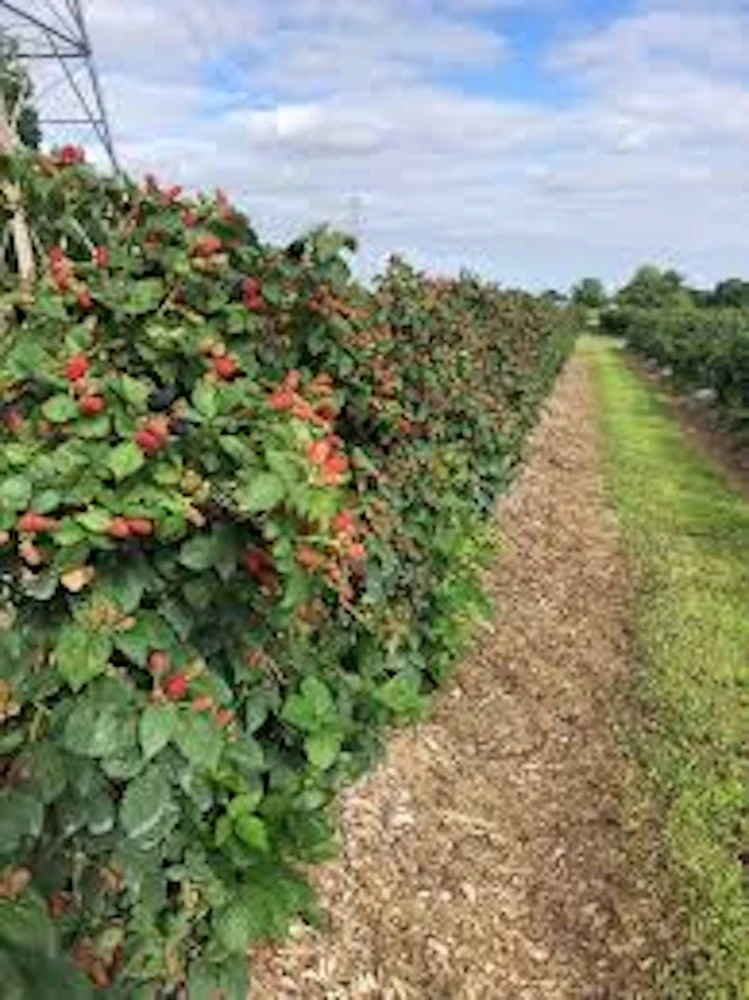
Once established, these high yield blackberry bushes typically grow to a height of 3-5 feet and can spread similarly, depending on variety and growing conditions. They are known for their vigorous growth and relatively fast establishment. Expect to see significant growth in their first year, with fruit production typically starting in the second year after planting. These plants will continue to produce for approximately a decade with proper blackberry bush care. The mature size allows for easy harvesting and integration into various garden designs, from hedgerows to trellised systems.
Frequently Asked Questions
- Q: How big do these thornless blackberry plants get? A: Once mature, these thornless blackberry plants typically reach a height of 3-5 feet and can spread to a similar width, depending on the specific variety and growing conditions. They are vigorous growers, providing ample fruit.
- Q: Are these suitable for indoor or outdoor planting? A: These blackberry bushes are outdoor plants. They require full sun exposure and ample space to grow and fruit effectively, making them unsuitable for typical indoor growing environments.
- Q: How much sunlight do these blackberry plants need? A: To ensure a successful and high yield blackberry harvest, these plants need at least 6-8 hours of direct sunlight per day. In very hot climates, some afternoon shade can be beneficial.
- Q: Is this plant easy to care for? A: Yes, blackberries are generally considered easy to care for, especially the thornless varieties. They are quite hardy and tolerant of various conditions, making them a good choice for gardeners of all experience levels who want to grow blackberries.
- Q: What condition will the plants arrive in? A: The 10 thornless blackberry plants will arrive as bare-root starter plants. This means they are dormant, without soil around their roots, and should be planted as soon as possible after delivery.
- Q: When is the best time to plant these blackberry bushes? A: The ideal time to plant bare-root blackberry plants is in early spring, after the last frost, or in late fall after the plants have gone dormant. This allows them to establish their root systems before extreme temperatures.
- Q: Will these blackberry plants survive winter in my zone? A: Blackberries are generally hardy and can survive winters in many USDA zones. Proper winter protection, such as mulching, may be necessary in colder regions. They are known for their resilience and will typically recover in spring.
- Q: What kind of soil is best for growing blackberries? A: Blackberries thrive in slightly acidic, well-draining soil with a pH between 5.5 and 6.5. Avoid heavy clay soils that retain too much moisture, as this can lead to root rot.
- Q: How long until I can harvest fruit from these plants? A: Typically, you can expect your first significant harvest from these thornless blackberry plants in the second year after planting. Some varieties may produce a small amount of fruit in their first year.
- Q: What is the benefit of a thornless variety? A: The primary benefit of Prime Ark Freedom blackberry and other thornless varieties is the ease of harvesting. Without thorns, picking berries is much more comfortable and safer, especially for children.
Be the first to review “10 Thornless Blackberry Plants – High Yield Fruit Bushes – Bare Root Live Plant – Outdoor”
Related products


You May Like

Hardneck vs. Softneck Garlic: Which Should You Grow?
Have you ever stood in front of a seed catalog in mid-September, staring at dozens [...]
Oct

When to Plant Music Garlic: Ultimate US Fall Guide
Have you ever spent your fall weekend placing carefully chosen garlic cloves into rich, dark [...]
1 Comment
Oct

5 Best Bulbs for Fall Planting: Brighten Your Garden This Spring
Are you dreaming of a garden full of vibrant colors in the spring? The key [...]
Aug

10 Houseplants That Will Thrive in Your Kitchen
Are you tired of your kitchen feeling dull and lifeless? Want to add a little [...]
1 Comment
Aug
Reviews
There are no reviews yet.