
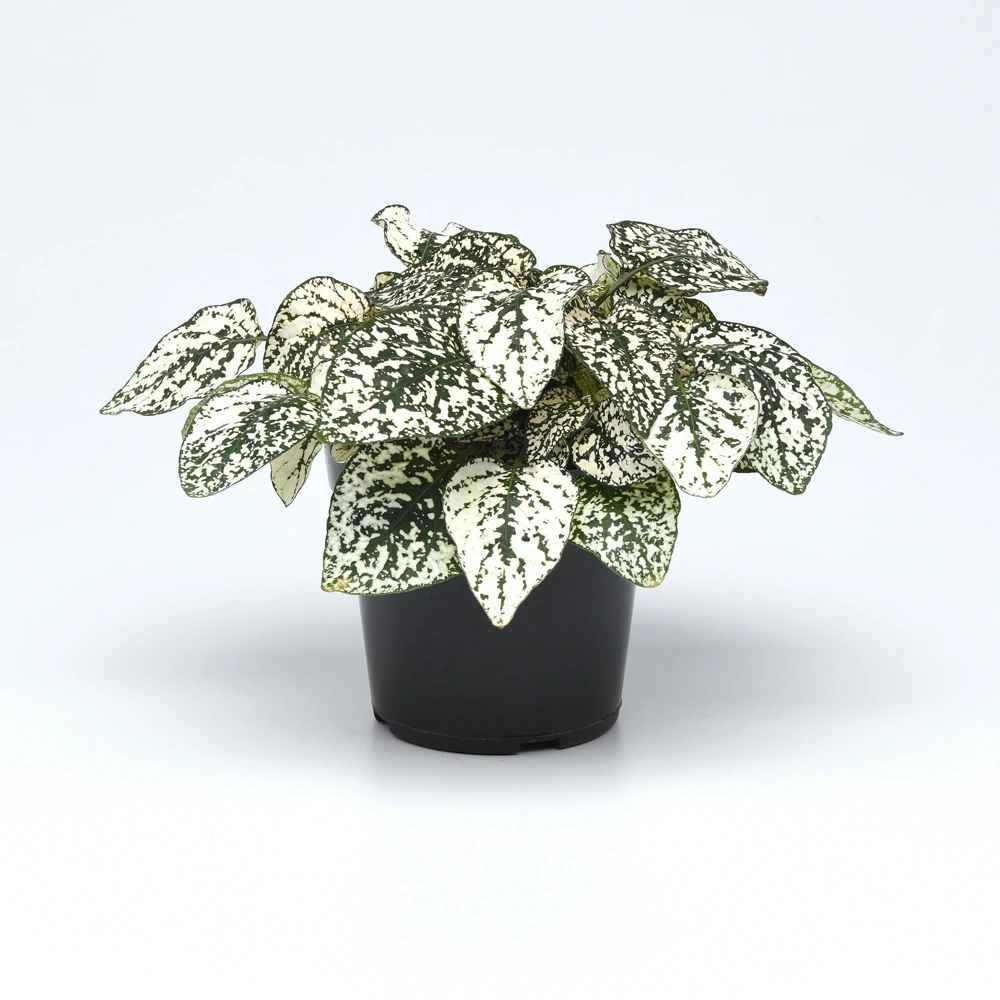
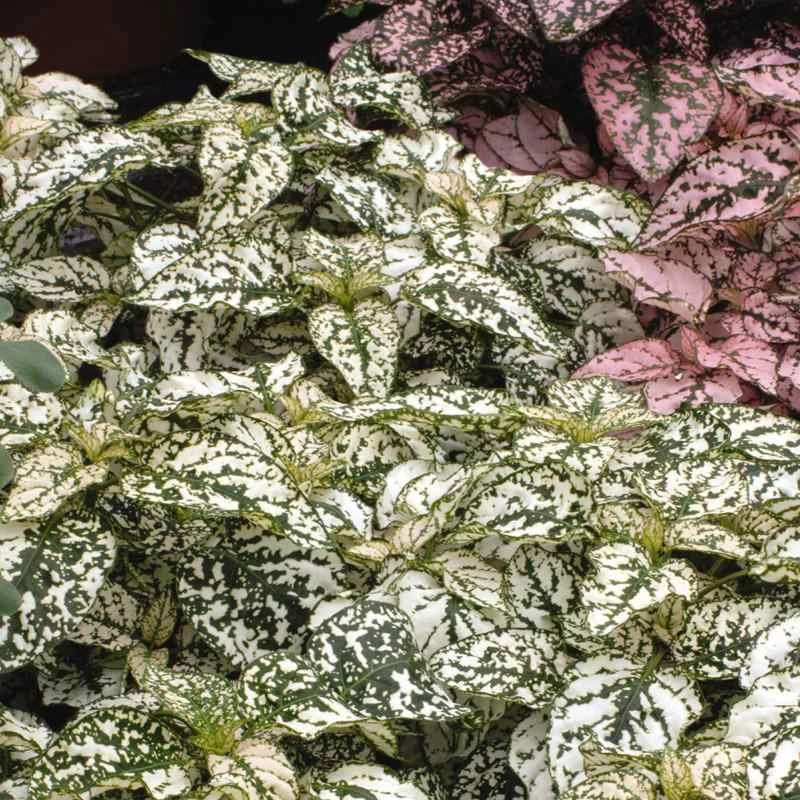
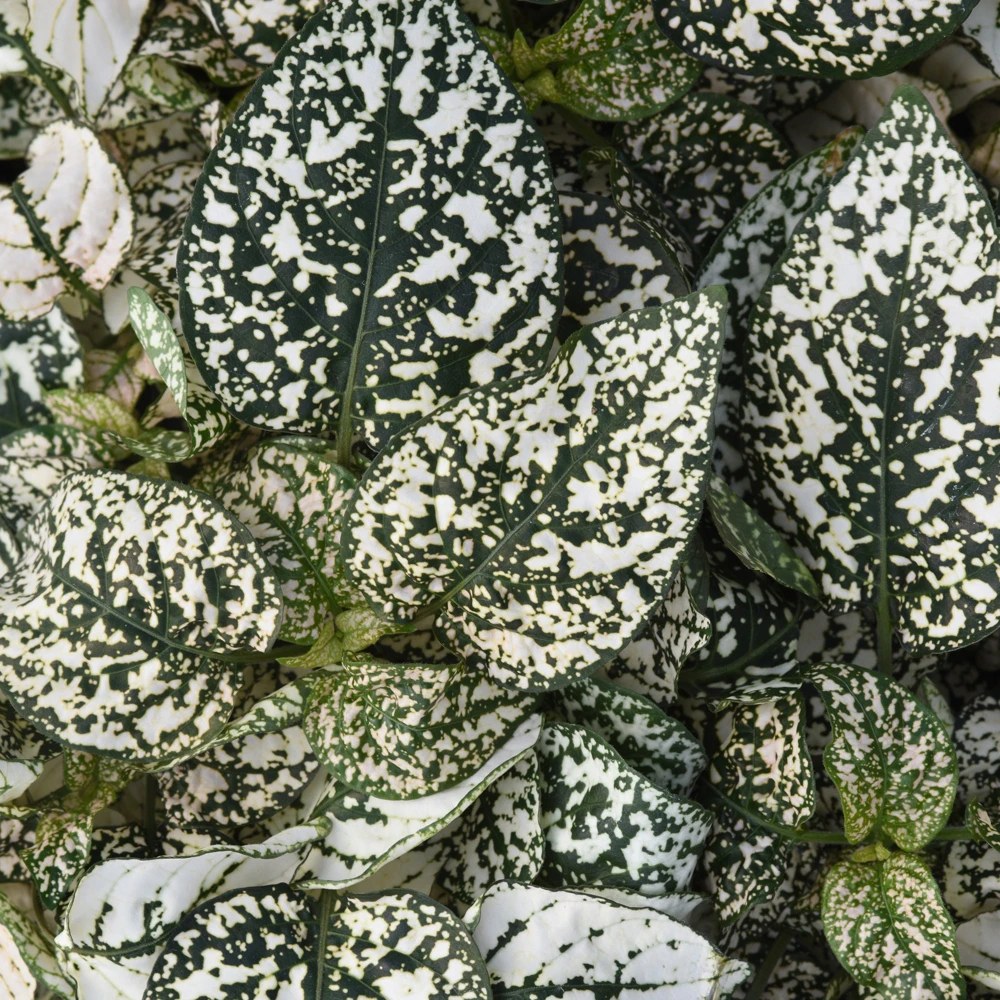
Polka Dot Plant Seeds – White Hypoestes Phyllostachya – 100 Seeds for Indoor/Outdoor
Original price was: 35.99 $.15.99 $Current price is: 15.99 $.
Cultivate vibrant foliage with polka dot plant seeds. This packet contains 100 white hypoestes seeds, perfect for adding unique color to your indoor or outdoor garden spaces. Enjoy the distinct speckled leaves of this easy-to-grow plant.
Estimated arrival
Oct 19
Oct 24 - Oct 26
Oct 26 - Oct 31
See our Shipping Policy.
Get in touch with us via email, and our team will review your concerns.
Our Alive & Thrive Guarantee covers issues with your plants within the first 30 days. Read our Refund & Returns Policy.
-
USDA Hardiness Zone
USDA zones 10-11 (as perennial); typically grown as an annual or houseplant -
Soil Type
Well-draining potting mix -
Sunlight Exposure
Bright indirect light -
Expected Planting Period
Spring to early summer outdoors; year-round indoors
Overview
Introduce a splash of unique color and texture to your garden or indoor space with these high-quality polka dot plant seeds. Hypoestes, scientifically known as Hypoestes Phyllostachya, is a delightful and easy-to-grow plant celebrated for its eye-catching variegated foliage. These particular seeds will produce plants with striking white speckles, creating a captivating visual interest wherever they are planted. Often referred to as the Polka Dot Plant due to its distinctive leaf patterns, Hypoestes is a versatile annual that thrives in various settings. Whether you’re looking to brighten up a shady corner of your garden, create a vibrant border, or add a pop of color to your indoor plant collection, these seeds offer an excellent starting point for a beautiful and conversation-starting plant.
The charm of the Polka Dot Plant lies in its vibrant and often contrasting leaf coloration, making it a popular choice for both novice and experienced gardeners. Growing from white hypoestes seeds allows you to witness the fascinating development of these unique patterns from the very beginning. This plant is not only aesthetically pleasing but also relatively low maintenance, making it an ideal addition to any plant enthusiast’s collection. Its ability to adapt to both indoor and outdoor environments further enhances its appeal, providing flexibility in how and where you choose to enjoy its beauty.
Key Benefits
Growing your own polka dot plant seeds offers a multitude of benefits, from enhancing your living space to the simple joy of nurturing a plant from scratch. These benefits make the Polka Dot Plant a highly desirable addition to any plant lover’s collection:
- Striking Foliage: The most prominent feature of the Polka Dot Plant is its highly ornamental foliage. The white speckles on green leaves provide a unique, dynamic pattern that stands out in any plant arrangement, offering continuous visual appeal even without flowers.
- Versatile Growth: Hypoestes can be grown successfully both indoors as a charming houseplant and outdoors as an annual bedding plant. This adaptability means you can enjoy its beauty in various settings, from windowsills to garden beds.
- Easy to Grow: These white hypoestes seeds are known for their relatively easy germination and straightforward cultivation. They are an excellent choice for beginner gardeners looking for a rewarding plant to grow from seed.
- Compact Size: Polka Dot Plants generally maintain a manageable size, making them perfect for containers, small garden spaces, or as accents in mixed plantings. Their compact habit ensures they don’t overpower other plants.
- Air Purification: Like many foliage plants, Hypoestes contributes to a healthier indoor environment by helping to purify the air, making your home or office a more pleasant place to be.
- Year-Round Interest (Indoors): When grown indoors, the Polka Dot Plant provides vibrant color and interest throughout the year, especially during colder months when other plants may be dormant. This helps maintain a lively atmosphere in your home.
- Attracts Attention: The unusual patterns of the Polka Dot Plant invariably draw attention and compliments, making it a wonderful conversation piece for guests and visitors.
Plant Care & Growing Tips
Successfully growing your polka dot plant seeds into thriving plants requires understanding their basic needs. The Hypoestes Phyllostachya is generally forgiving, but optimal conditions will ensure the most vibrant foliage and robust growth. To grow polka dot plant effectively, consider these care guidelines:
Sunlight Requirements: Polka Dot Plants thrive in bright, indirect light. Too much direct sun can scorch the leaves, causing the vibrant colors to fade, while too little light can lead to leggy growth and less pronounced spotting. When growing indoors, an east-facing window is often ideal. Outdoors, choose a location with dappled shade or morning sun and afternoon shade. Approximately 4-6 hours of indirect sunlight daily will keep your plant happy.
Watering Schedule and Soil Moisture: These plants prefer consistently moist, but not waterlogged, soil. Water thoroughly when the top inch of soil feels dry to the touch. Ensure proper drainage to prevent root rot, which is a common issue for overwatered plants. Reduce watering slightly in winter, allowing the soil to dry out a bit more between waterings. Misting occasionally can also help, especially in dry indoor environments, as Hypoestes appreciates humidity.
Soil Type and Drainage: A well-draining potting mix is crucial for the Polka Dot Plant. A standard all-purpose potting mix amended with perlite or vermiculite for improved drainage works well. For outdoor planting, ensure your garden soil is rich in organic matter and drains freely. Heavy, compacted soils can lead to water retention issues and unhealthy roots. The ideal pH for the soil is slightly acidic to neutral, between 6.0 and 7.0.
Temperature Range and Hardiness: Polka Dot Plants are tropical and prefer warm temperatures, ideally between 65-80°F (18-27°C). They are not frost-tolerant and will not survive freezing temperatures. If grown outdoors, they are typically treated as annuals in most climates. For indoor plants, avoid placing them near cold drafts or heating vents, which can cause stress. The plant is generally suitable for USDA zones 10-11 if grown as a perennial outdoors, but is widely cultivated as an annual or houseplant.
Fertilization Schedule: During the active growing season (spring and summer), feed your Polka Dot Plant with a balanced liquid fertilizer diluted to half strength every 2-4 weeks. Reduce or stop fertilization during the fall and winter months when growth naturally slows down. Over-fertilization can lead to leggy growth and reduced foliage color, so always follow product instructions.
Common Problems: Watch out for common pests like aphids, mealybugs, and whiteflies, especially on indoor plants. Treat infestations promptly with insecticidal soap. Leggy growth can be a sign of insufficient light; move the plant to a brighter spot. Fading leaf color might indicate too much direct sun or a nutrient deficiency. Wilting can be due to both under or overwatering, so check soil moisture carefully. Learning how to grow polka dot plant successfully involves observing these signs and adjusting care accordingly.
Size & Details
This offering includes 100 White Hypoestes Seeds, providing ample opportunity to cultivate a beautiful collection of Polka Dot Plants. Each seed holds the potential for a vibrant plant, typically growing to a mature height of 6 to 12 inches (15-30 cm) and spreading about 6 to 9 inches (15-23 cm) wide, depending on growing conditions and pruning. These plants are known for their relatively fast growth rate, allowing you to enjoy their colorful foliage within a few weeks of germination. They are ideal for creating compact displays in small pots, terrariums, or as a colorful groundcover in garden beds.
The seeds are ready for planting upon arrival and are suitable for direct sowing or starting indoors. When planted directly into the garden, they will typically begin to show growth within 1-2 weeks under optimal conditions. For indoor cultivation, you can expect similar germination times, leading to established plants ready to brighten your home. The plant’s compact size makes it an excellent choice for a desk plant or a vibrant addition to a mixed container garden. These white hypoestes seeds ensure you can enjoy the unique charm of this delightful plant.
Frequently Asked Questions
- Q: How big does the Polka Dot Plant get from these seeds? A: A mature Polka Dot Plant typically reaches a height of 6 to 12 inches (15-30 cm) and spreads about 6 to 9 inches (15-23 cm) wide. Its compact size makes it suitable for various indoor and outdoor settings.
- Q: Is this an indoor or outdoor plant? A: The Polka Dot Plant is incredibly versatile and can be grown both indoors as a vibrant houseplant and outdoors as an annual bedding plant in most climates. It thrives in warm temperatures.
- Q: How much sunlight does a Polka Dot Plant need? A: It prefers bright, indirect light. Too much direct sun can scorch the leaves, while too little light can lead to leggy growth and less vibrant colors. About 4-6 hours of indirect light is ideal for growing polka dot plant seeds successfully.
- Q: Is this plant easy to care for? A: Yes, the Polka Dot Plant is considered relatively easy to care for, making it a great choice for beginner gardeners. Consistent watering and adequate light are key to its success. Knowing how to hypoestes care is straightforward.
- Q: What condition will the seeds arrive in? A: The seeds will arrive in a protective packet, ready for planting. They are carefully packaged to ensure their viability and safe delivery to your home.
- Q: When is the best time to plant these Polka Dot Plant seeds? A: For outdoor planting, sow after the last frost in spring. For indoor cultivation, you can start the polka dot plant indoor seeds year-round, providing a consistent warm environment.
- Q: What’s the minimum temperature this plant can tolerate? A: As a tropical plant, the Polka Dot Plant is not frost-hardy and prefers temperatures above 60°F (15°C). It will not survive freezing conditions, so bring indoors or treat as an annual in colder zones.
- Q: Can I prune my Polka Dot Plant? A: Yes, pinching back the growing tips will encourage bushier growth and prevent the plant from becoming leggy. This also helps maintain a more compact and attractive shape for your white hypoestes seeds grown plants.
- Q: How long does it take for the seeds to germinate? A: Under optimal conditions, you can expect germination to occur within 7 to 14 days after planting these polka dot plant seeds. Ensure consistent moisture and warmth for best results.
- Q: Is the Polka Dot Plant safe for pets? A: While generally considered low toxicity, it’s always best to keep plants out of reach of pets as ingestion can sometimes cause mild stomach upset.
Be the first to review “Polka Dot Plant Seeds – White Hypoestes Phyllostachya – 100 Seeds for Indoor/Outdoor”
Related products


You May Like

Hardneck vs. Softneck Garlic: Which Should You Grow?
Have you ever stood in front of a seed catalog in mid-September, staring at dozens [...]
Oct

When to Plant Music Garlic: Ultimate US Fall Guide
Have you ever spent your fall weekend placing carefully chosen garlic cloves into rich, dark [...]
1 Comment
Oct

5 Best Bulbs for Fall Planting: Brighten Your Garden This Spring
Are you dreaming of a garden full of vibrant colors in the spring? The key [...]
Aug

10 Houseplants That Will Thrive in Your Kitchen
Are you tired of your kitchen feeling dull and lifeless? Want to add a little [...]
1 Comment
Aug
Reviews
There are no reviews yet.