
5 American Plum Trees Live Plants 10-20″ Tall – Prunus americana Native Fruit Bearing
Original price was: 100.00 $.90.99 $Current price is: 90.99 $.
Bring nature to your backyard with 5 American Plum Trees (Prunus americana), versatile and beautiful native fruit trees. These Prunus americana live plant starters are 10-20 inches tall, offering showy spring flowers, edible fruit, and vital habitat for wildlife. Ideal for USDA Zones 3-8, they adapt to various landscapes.
Estimated arrival
Oct 19
Oct 24 - Oct 26
Oct 26 - Oct 31
See our Shipping Policy.
Get in touch with us via email, and our team will review your concerns.
Our Alive & Thrive Guarantee covers issues with your plants within the first 30 days. Read our Refund & Returns Policy.
-
USDA Hardiness Zone
3-8 -
Soil Type
Well-draining loam, adaptable to sandy and clay -
Sunlight Exposure
Full sun (6-8+ hours daily) -
Expected Planting Period
Early spring or fall
Overview
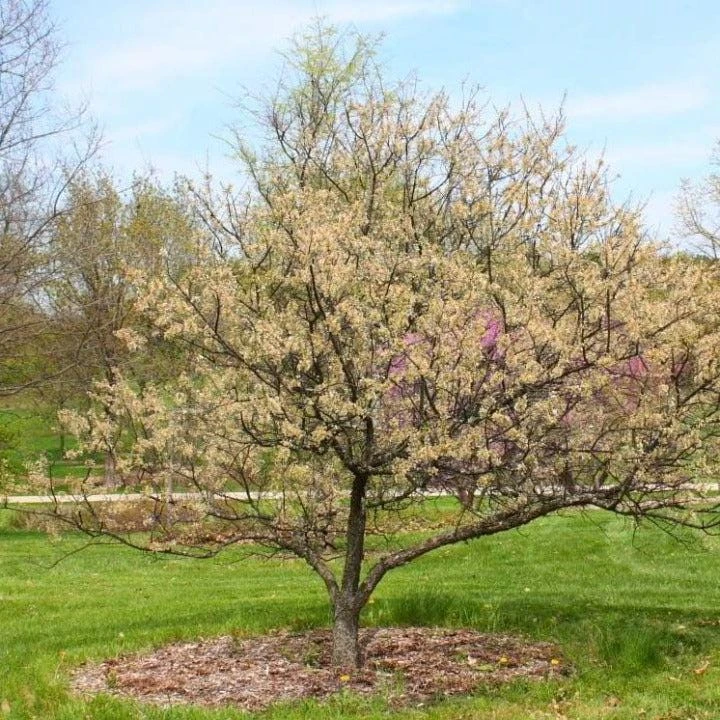
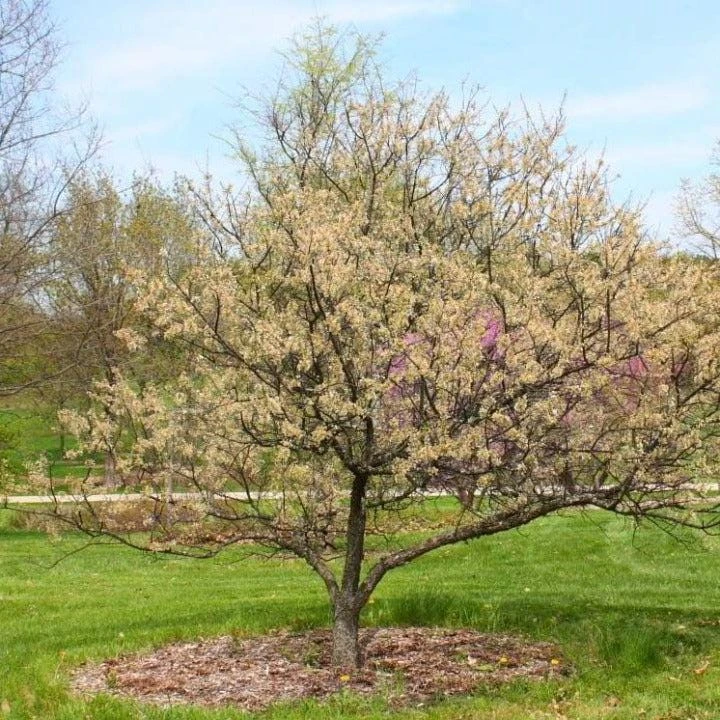
Introducing the American Plum Trees, Prunus americana, a truly exceptional addition to any landscape. This offering includes 5 young Prunus americana live plant specimens, each standing 10-20 inches tall, ready to thrive in your garden. The American plum tree is a highly versatile, native North American small tree or large shrub, renowned for its stunning display of white flowers in spring, followed by delicious, tart fruit. Beyond its aesthetic appeal and edible bounty, this species provides immense value to local wildlife, making it an excellent choice for supporting biodiversity. Whether you’re looking to establish a single-trunk tree or a multi-stemmed, thicket-forming shrub, these adaptable trees will grow to an impressive 15 to 25 feet tall with an equally broad, spreading crown, creating a natural and productive environment.
The American plum tree is widely distributed throughout the eastern and central US, showcasing its resilience and adaptability. It can be found flourishing in diverse conditions, from woodlands and open pastures to roadsides, indicating its robust nature. These native fruit trees are a tough and adaptable plant, perfectly suited for USDA Hardiness Zones 3 to 8, making them a suitable choice for a vast range of climates. Their ability to thrive in various settings and provide both beauty and sustenance makes them a top pick for gardeners and nature enthusiasts alike. Invest in these remarkable trees and enjoy their many benefits for years to come.
Key Benefits
The American Plum Trees offer a multitude of advantages for your garden and local ecosystem. These Prunus americana live plant specimens are not only beautiful but also highly functional.
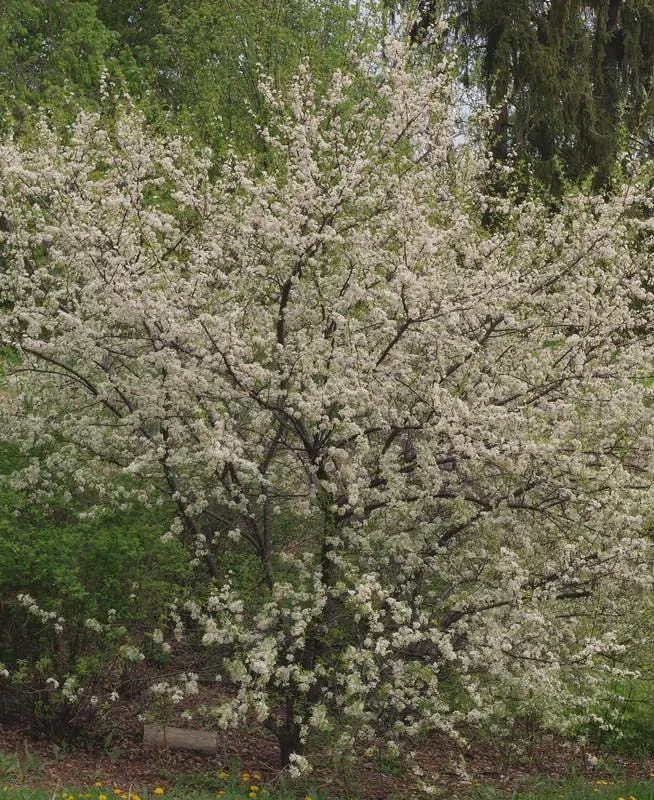
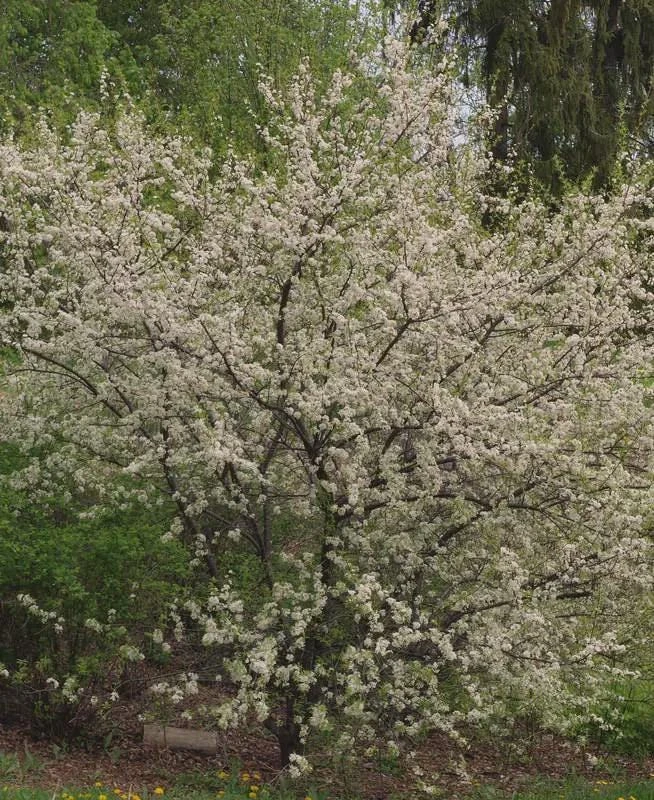
- Attractive Spring Blooms: Enjoy a spectacular display of fragrant white flowers each spring, enhancing your landscape’s visual appeal and signaling the arrival of warmer weather. These blossoms are also a crucial early food source for pollinators.
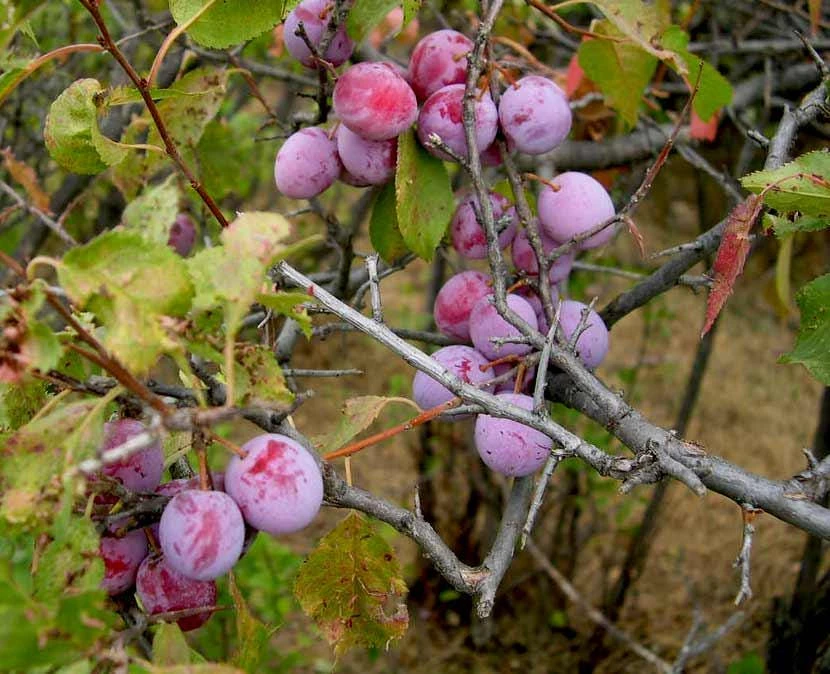
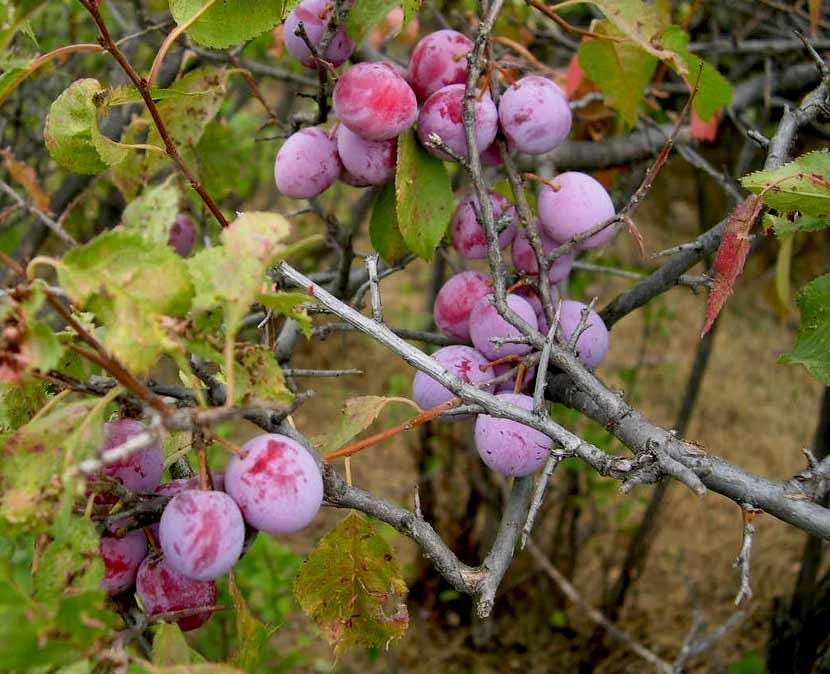
- Edible Fruit Production: Harvest a bounty of small, tart, reddish-purple plums in late summer. These delicious fruits are perfect for fresh eating, jams, jellies, pies, or as a natural treat for wildlife.
- Wildlife Habitat and Food Source: These native fruit trees provide invaluable food and shelter for a variety of birds and small mammals. The fruit is a favorite among wildlife, and the dense thickets offer excellent nesting and protective cover.
- Adaptable and Hardy: Known for their toughness, American Plum Trees thrive in a wide range of soil types and environmental conditions, making them a low-maintenance choice for many gardeners. They are particularly resilient in USDA Zones 3-8.
- Erosion Control: When grown in thickets, the extensive root system of the American plum tree helps stabilize soil, preventing erosion on slopes and disturbed areas, contributing to a healthier landscape.
- Naturalized Landscaping: Perfect for naturalized plantings, hedgerows, and woodland edges, these trees contribute to a natural aesthetic while providing ecological benefits. They fit seamlessly into native plant gardens.
- Thicket-Forming Capability: Can be cultivated as a single specimen or allowed to form dense, thorny thickets, providing excellent screening and a natural barrier. This growth habit is part of what makes American Plum care relatively straightforward.
Plant Care & Growing Tips
Caring for your American Plum Trees is straightforward, thanks to their robust and adaptable nature. These Prunus americana live plant specimens are known for being low-maintenance once established. For optimal growth, plant them in a location that receives full sun, meaning at least 6-8 hours of direct sunlight per day. While they can tolerate partial shade, fruit production and overall vigor will be reduced. Good air circulation is also beneficial to prevent fungal diseases. When planting, ensure the root ball is at the same level as it was in the nursery pot, and backfill with native soil, avoiding excessive amendments that might create a ‘potting hole’ effect.
Regarding watering, young American Plum Trees require consistent moisture to establish a strong root system. Water deeply once or twice a week during their first year, especially during dry spells. Once established, they are quite drought-tolerant but will benefit from supplemental watering during prolonged dry periods. The ideal soil for these native fruit trees is well-draining loam, but they can adapt to a variety of soil types, including sandy and clay soils, as long as drainage is adequate. They prefer a slightly acidic to neutral pH (6.0-7.0). Fertilization is generally not heavily required; a balanced, slow-release fertilizer in early spring can be applied if soil nutrients are low, but avoid over-fertilizing, which can promote excessive vegetative growth at the expense of fruit.
The American plum tree is hardy in USDA Zones 3 to 8, tolerating a wide range of temperatures. Pruning should be done in late winter or early spring while the tree is dormant. Focus on removing dead, damaged, or crossing branches, and thin out overcrowded areas to improve air circulation and sunlight penetration. This helps with overall tree health and fruit production. While generally resistant to many pests and diseases, monitor for common issues like plum curculio or brown rot, especially during wet seasons. Good sanitation, such as cleaning up fallen fruit, can help prevent problems. Proper American Plum care ensures a healthy, productive tree for years.
Size & Details
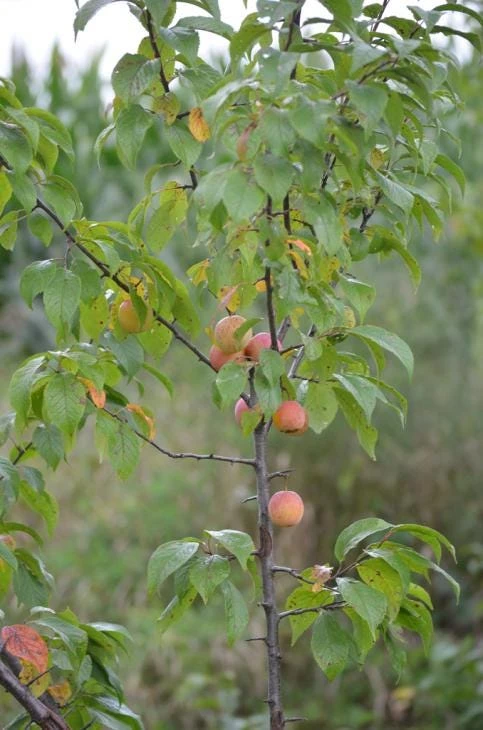
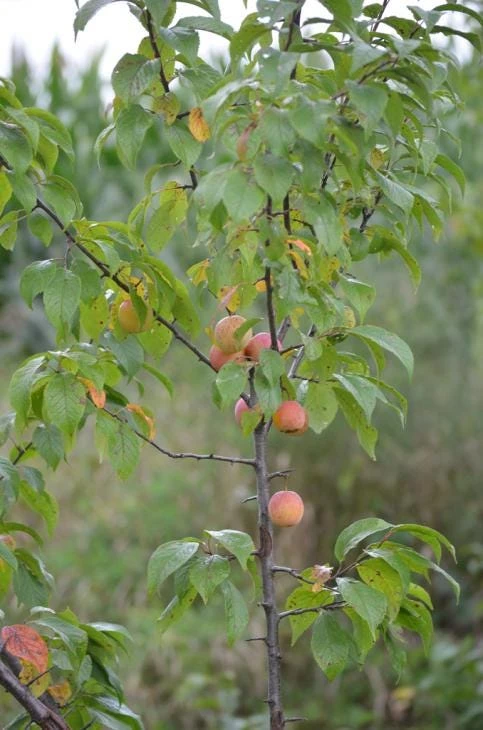
This offering includes 5 individual American Plum Trees (Prunus americana) live plants. Each starter plant measures approximately 10 to 20 inches in height upon arrival, providing a good foundation for establishment. These trees are shipped as young, healthy specimens, ready for planting. When mature, the American plum tree typically reaches a height of 15 to 25 feet with an equally broad, spreading crown, offering substantial shade and presence in the landscape. They can grow at a moderate rate, adding 1-2 feet per year under ideal conditions, quickly developing into a prominent feature.
The plants are sent with their root systems carefully protected, ensuring they arrive in optimal condition for transplanting. You can expect these native fruit trees to begin producing fruit within 3-5 years of planting, with production increasing as they mature. Whether you choose to grow them as individual specimens or allow them to form dense, wildlife-friendly thickets, their robust nature and adaptability make them a rewarding investment for any garden in USDA Zones 3-8. Their versatility allows them to be grown as a single-trunk tree or a multi-stemmed shrub, adapting to your specific landscaping needs.
Frequently Asked Questions
- Q: How big do these American Plum Trees get? A: When mature, the American plum tree typically reaches a height of 15 to 25 feet with an equally broad, spreading crown. The young plants you receive will be 10-20 inches tall.
- Q: Is this an indoor or outdoor plant? A: The American Plum Trees (Prunus americana) are outdoor plants. They are hardy native fruit trees suitable for planting in gardens, orchards, or naturalized areas within USDA Hardiness Zones 3-8.
- Q: How much sunlight does the American Plum Tree need? A: For best growth and fruit production, these trees require full sun, meaning at least 6-8 hours of direct sunlight per day. They can tolerate partial shade, but fruit yield may be reduced.
- Q: Is this plant easy to care for? A: Yes, American Plum care is considered relatively easy. Once established, these trees are quite tough, adaptable, and drought-tolerant, making them a low-maintenance choice for many gardeners.
- Q: What condition will the Prunus americana live plant arrive in? A: Your Prunus americana live plant specimens will arrive as young, healthy starter plants, carefully packaged to protect their root systems during transit, ensuring they are ready for planting.
- Q: How long until these native fruit trees start producing fruit? A: You can typically expect your native fruit trees to begin producing fruit within 3 to 5 years after planting, with yields increasing as the trees mature.
- Q: What is the best time to plant these American Plum Trees? A: The best time to plant American Plum Trees is in early spring or fall when the weather is cool but before the ground freezes. This allows the roots to establish before extreme temperatures.
- Q: Will the American Plum Tree survive winter in my zone? A: Yes, the American plum tree is very cold hardy and thrives in USDA Hardiness Zones 3 to 8, meaning it can withstand cold winter temperatures in a wide range of regions.
- Q: Do I need more than one American Plum Tree for fruit production? A: While Prunus americana is often self-fertile, planting multiple trees or different varieties can significantly increase fruit production due to improved cross-pollination. This offering provides 5 trees.
- Q: Are the branches of the American Plum Tree thorny? A: Yes, the branches of the American plum tree often have sharp, thorny spines, which can offer an additional layer of protection for wildlife nesting within its thickets.
Be the first to review “5 American Plum Trees Live Plants 10-20″ Tall – Prunus americana Native Fruit Bearing”
Related products


You May Like

Hardneck vs. Softneck Garlic: Which Should You Grow?
Have you ever stood in front of a seed catalog in mid-September, staring at dozens [...]
Oct

When to Plant Music Garlic: Ultimate US Fall Guide
Have you ever spent your fall weekend placing carefully chosen garlic cloves into rich, dark [...]
1 Comment
Oct

5 Best Bulbs for Fall Planting: Brighten Your Garden This Spring
Are you dreaming of a garden full of vibrant colors in the spring? The key [...]
Aug

10 Houseplants That Will Thrive in Your Kitchen
Are you tired of your kitchen feeling dull and lifeless? Want to add a little [...]
1 Comment
Aug
Reviews
There are no reviews yet.