
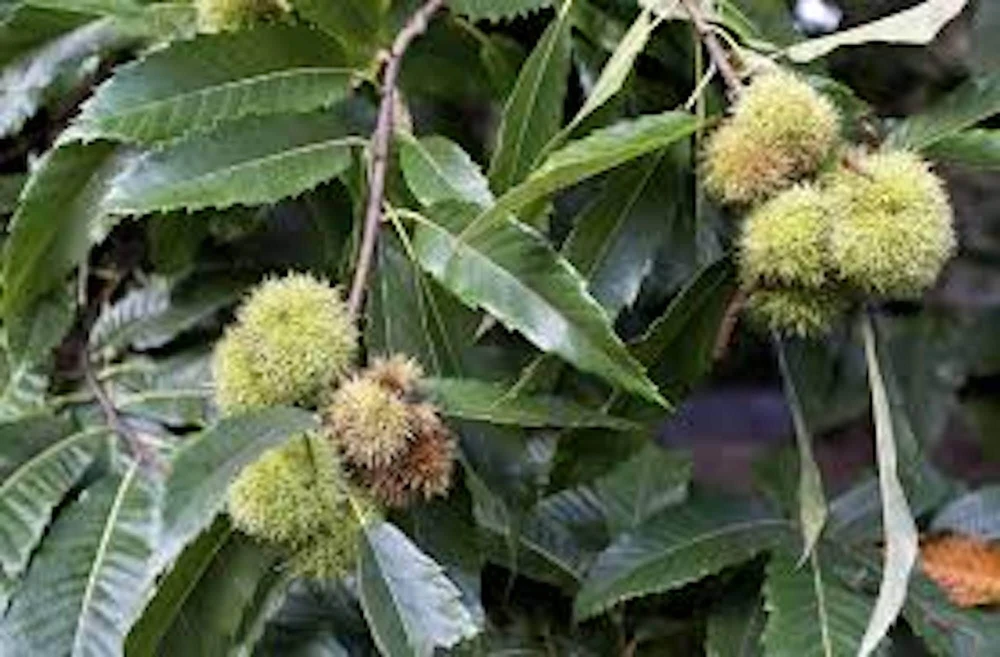
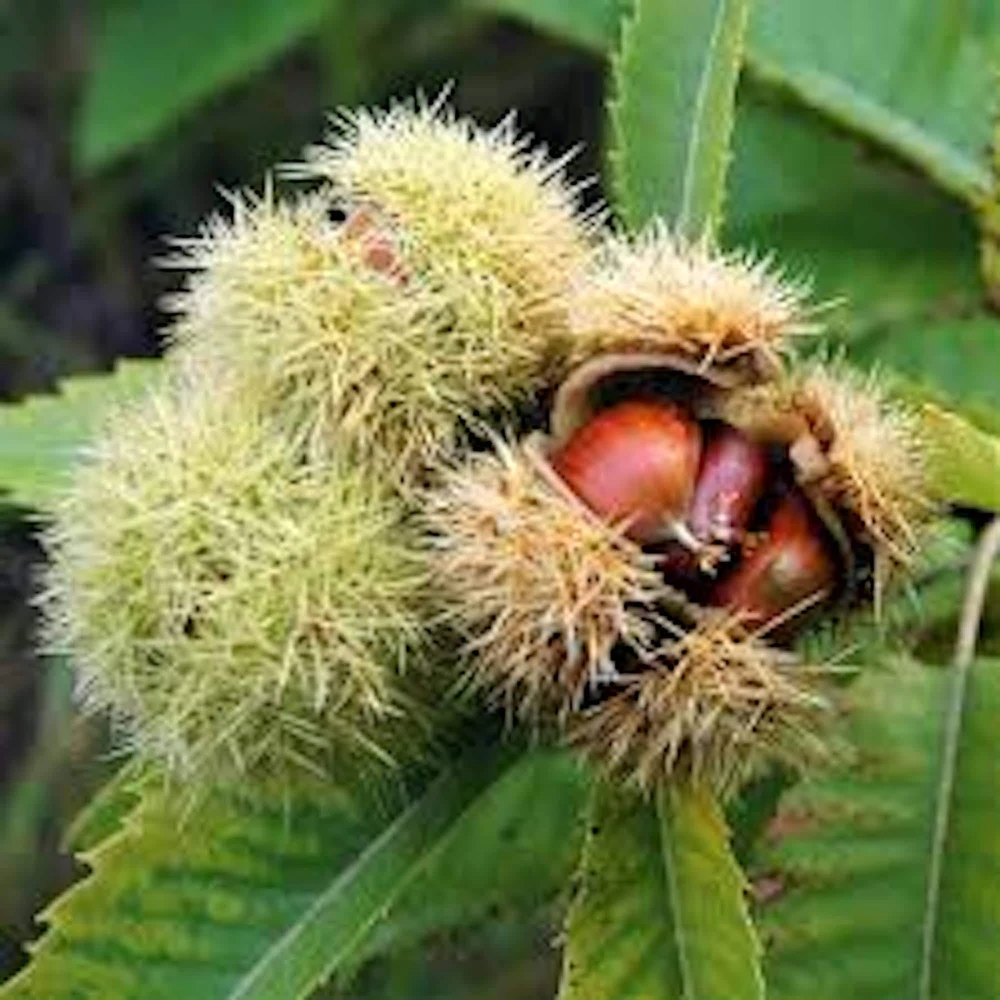
Dunstan Hybrid Chestnut Tree – Disease Resistant Nut Tree – Live Plant – 10-20″ Tall
Original price was: 34.00 $.24.99 $Current price is: 24.99 $.
Cultivate a resilient and productive Dunstan Hybrid Chestnut Tree, known for its exceptional nut yield and natural resistance to chestnut blight. This live plant, typically 10-20 inches tall, is a superb choice for both home orchards and large-scale nut production, thriving in USDA zones 5-8.
Estimated arrival
Oct 19
Oct 24 - Oct 26
Oct 26 - Oct 31
See our Shipping Policy.
Get in touch with us via email, and our team will review your concerns.
Our Alive & Thrive Guarantee covers issues with your plants within the first 30 days. Read our Refund & Returns Policy.
-
USDA Hardiness Zone
USDA Zones 5-8 -
Soil Type
Well-draining, slightly acidic to neutral soil (pH 5.5-6.5) -
Sunlight Exposure
Full sun (6-8+ hours daily) -
Expected Planting Period
Early spring or late fall
Overview
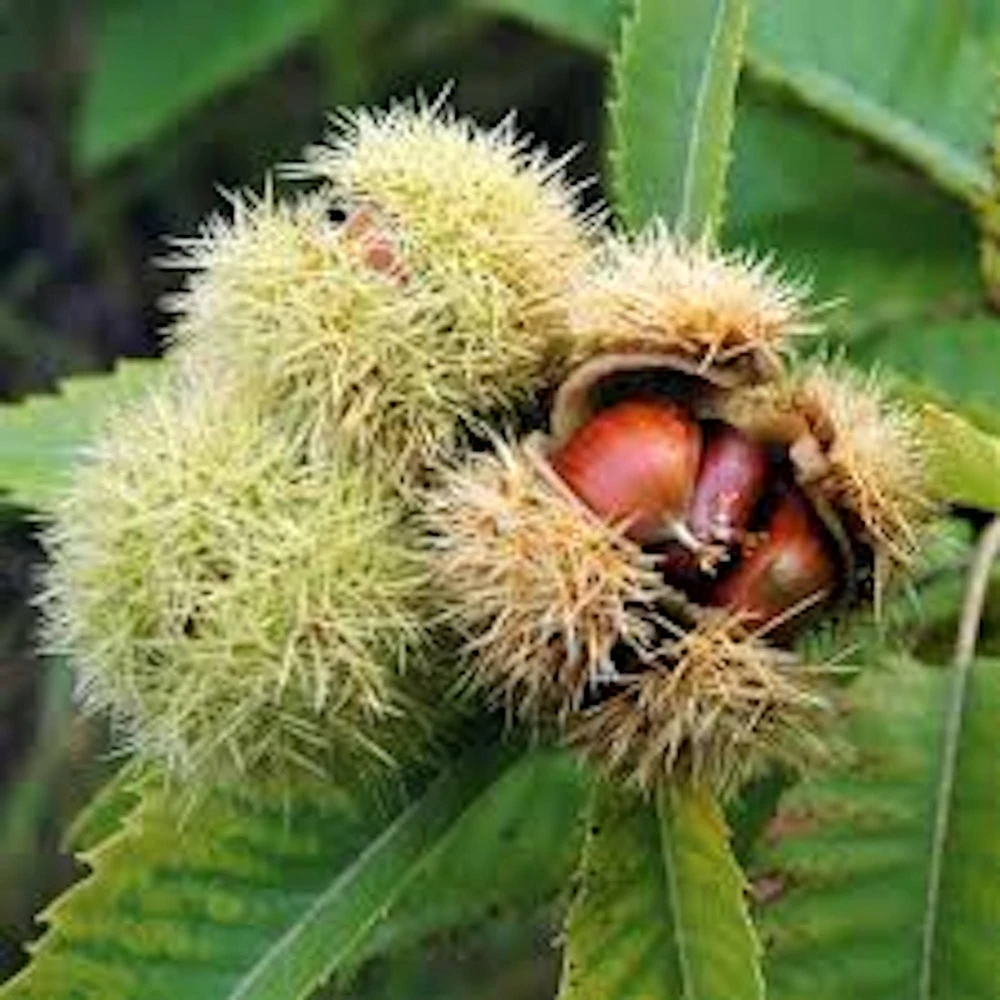
Discover the remarkable Dunstan Hybrid Chestnut Tree, a groundbreaking live plant developed to bring the joy of chestnut cultivation back to North America. This hybrid, scientifically known as Castanea dentata x Castanea mollissima, combines the robust disease resistance of the Chinese chestnut with the superior nut quality and growth characteristics of the American chestnut. For decades, the devastating chestnut blight wiped out billions of American chestnut trees, but the Dunstan Hybrid Chestnut Tree offers a powerful solution, making it a highly sought-after choice for farmers, landowners, and home gardeners alike. Plant this resilient tree to enjoy bountiful harvests of sweet, delicious nuts and contribute to the revitalization of chestnut populations.
Our Dunstan Hybrid Chestnut Tree specimens are carefully cultivated to ensure strong, healthy growth, providing you with a vigorous start to your nut-producing orchard or landscape project. These trees are known for their rapid growth and early nut production, often bearing fruit within 3-5 years of planting. Whether you’re interested in wildlife food plots, commercial nut production, or simply adding a beautiful, productive tree to your property, the disease resistant nut tree is an excellent investment.
Key Benefits
The Dunstan Hybrid Chestnut Tree offers a multitude of advantages, making it a premier choice for any planting endeavor. Its unique genetic makeup provides numerous benefits that stand out from other nut trees.
- Exceptional Blight Resistance: Developed specifically to resist the devastating chestnut blight (Cryphonectria parasitica), ensuring your tree has a strong chance of long-term survival and productivity. This makes it a reliable blight resistant chestnut option for any landscape.
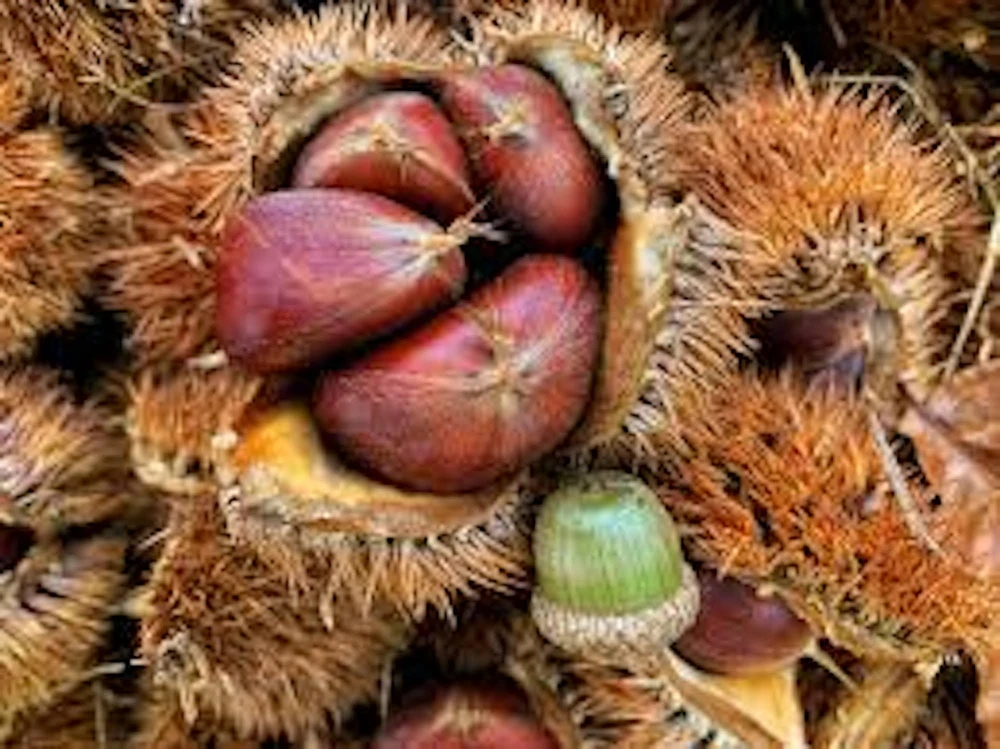
- High Nut Production: Known for producing large, sweet, and easy-to-peel nuts in significant quantities, often out-yielding traditional varieties. You’ll enjoy abundant harvests from this productive Dunstan Hybrid Chestnut Tree.
- Rapid Growth Rate: These trees grow quickly, establishing themselves robustly and reaching nut-bearing maturity sooner than many other tree species, typically within 3-5 years.
- Excellent Nut Quality: The nuts are comparable in size and flavor to the American chestnut, offering a sweet taste perfect for roasting, baking, or eating fresh.
- Wildlife Attraction: Chestnuts are a highly prized food source for deer, turkeys, and other wildlife, making these trees ideal for enhancing wildlife habitats and food plots.
- Adaptable & Hardy: Thrives in a variety of soil types and is hardy across a broad range of climates, typically USDA Zones 5-8, making it a versatile choice for many regions.
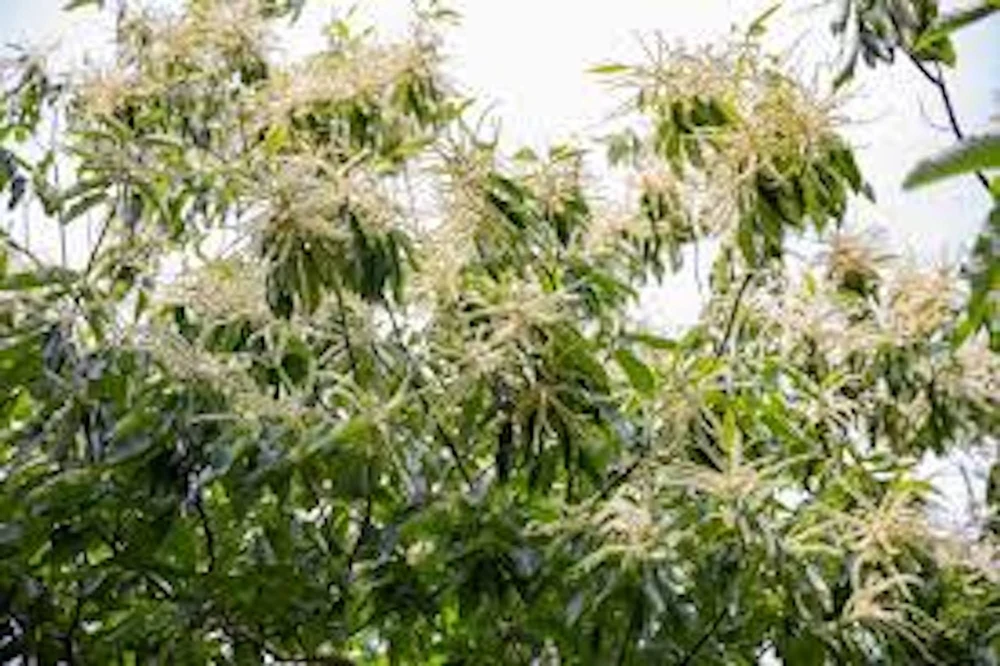
- Ornamental Value: Beyond its practical benefits, the Castanea dentata x mollissima also offers attractive foliage and a stately form, adding aesthetic appeal to any landscape.
Plant Care & Growing Tips
Caring for your Dunstan Hybrid Chestnut Tree is straightforward, ensuring a healthy and productive plant for years to come. These trees are relatively low-maintenance once established, but proper initial care is crucial. For optimal growth, your disease resistant nut tree requires full sun exposure, meaning at least 6-8 hours of direct sunlight per day. Choose a planting site that receives ample light throughout the day, away from competing shade from larger trees or buildings. Good air circulation is also beneficial to prevent fungal issues.
When it comes to soil, the Dunstan Hybrid Chestnut Tree prefers well-draining, slightly acidic to neutral soil (pH 5.5-6.5). Avoid heavy clay soils that retain too much moisture, as this can lead to root rot. If your soil is heavy, consider amending it with organic matter like compost or pine bark to improve drainage. Water newly planted trees regularly to keep the soil consistently moist but not waterlogged, especially during dry spells. Once established, these trees are moderately drought-tolerant but will benefit from supplemental watering during extended dry periods. Fertilize in early spring with a balanced, slow-release fertilizer designed for trees, following package instructions. Pruning should focus on removing dead, damaged, or crossing branches to maintain a strong central leader and good air flow. Protect young trees from deer browsing with tree tubes or fencing.
The blight resistant chestnut is hardy in USDA zones 5-8, tolerating winter temperatures down to -20°F (-29°C). In colder zones, ensure adequate winter protection for young trees. Monitor for common pests like Japanese beetles or gypsy moths, and address them with appropriate organic or chemical controls if necessary. With proper care, your chestnut tree for sale will flourish and provide delicious nuts for decades.
Size & Details
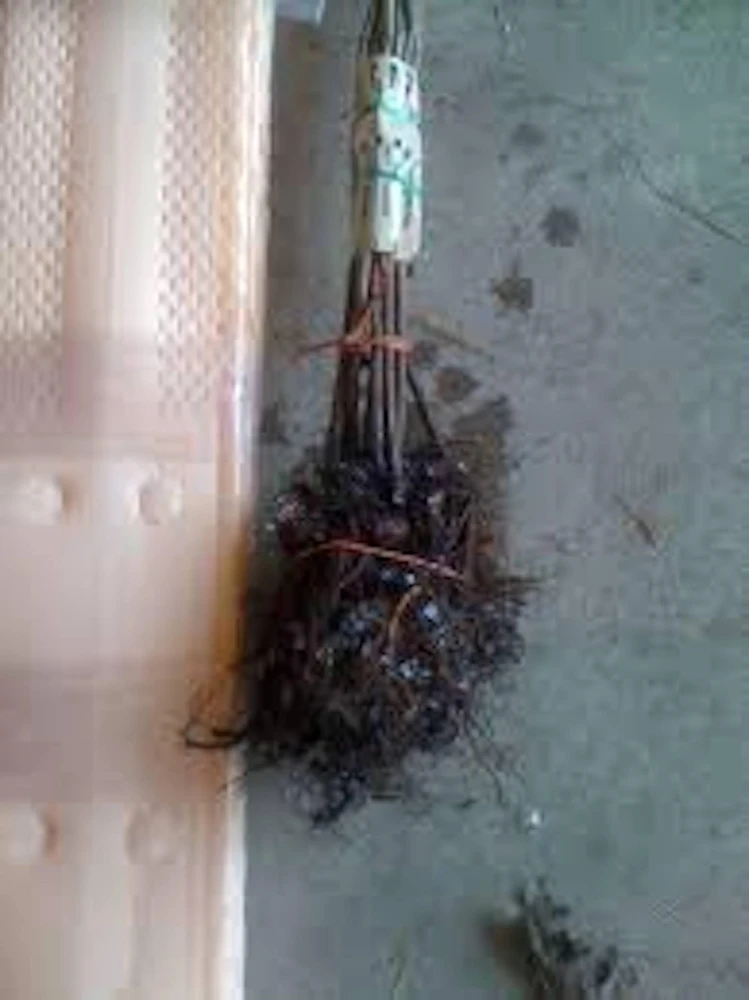
This listing is for one Dunstan Hybrid Chestnut Tree, typically shipping as a live plant between 10-20 inches tall. During the dormant season, trees may ship bare root, while during the growing season, they will be shipped in a pot with soil. These young trees are ready for planting in your garden or orchard, offering a head start on establishing a productive nut grove. The mature size of a Dunstan Hybrid Chestnut Tree can reach 40-60 feet in height with a spread of 20-40 feet, depending on growing conditions and pruning practices. They have a medium to fast growth rate, often growing 2-4 feet per year under ideal conditions. Expect your tree to begin producing nuts within 3-5 years after planting, with yields increasing significantly as the tree matures. The nuts are typically harvested in late summer to early fall.
Frequently Asked Questions
- Q: How big does this Dunstan Hybrid Chestnut Tree get? A: A mature Dunstan Hybrid Chestnut Tree can reach heights of 40-60 feet with a spread of 20-40 feet, depending on growing conditions and whether it’s pruned for size.
- Q: What size pot does it come in? A: During the growing season, the tree will ship in a nursery pot. During dormancy, it will ship bare root, ready for immediate planting. The height is typically 10-20 inches.
- Q: Is this an indoor or outdoor plant? A: The Dunstan Hybrid Chestnut Tree is an outdoor tree, best suited for planting in gardens, orchards, or larger landscapes where it has ample space to grow and receive full sun.
- Q: How much sunlight does it need? A: This tree requires full sun exposure, meaning at least 6-8 hours of direct sunlight per day for optimal growth and nut production.
- Q: Is this plant easy to care for? A: Yes, once established, the Dunstan Hybrid Chestnut Tree is considered relatively easy to care for. It primarily needs well-draining soil, full sun, and protection from deer when young.
- Q: What condition will it arrive in? A: Your tree will arrive healthy and ready for planting. If shipped bare root, it will be dormant. If shipped in a pot, it will be actively growing.
- Q: How long until it produces nuts? A: You can typically expect your disease resistant nut tree to begin producing nuts within 3-5 years after planting, with yields increasing significantly over time.
- Q: When is the best time to plant? A: The best time to plant is in early spring or late fall when the tree is dormant or just beginning to emerge from dormancy.
- Q: Will it survive winter in my zone? A: The Dunstan Hybrid Chestnut Tree is hardy in USDA Zones 5-8, meaning it can withstand winter temperatures down to -20°F (-29°C).
- Q: What’s the minimum temperature it can tolerate? A: It can tolerate minimum temperatures down to approximately -20°F (-29°C), making it suitable for a wide range of temperate climates.
Be the first to review “Dunstan Hybrid Chestnut Tree – Disease Resistant Nut Tree – Live Plant – 10-20″ Tall”
Related products


You May Like

Hardneck vs. Softneck Garlic: Which Should You Grow?
Have you ever stood in front of a seed catalog in mid-September, staring at dozens [...]
Oct

When to Plant Music Garlic: Ultimate US Fall Guide
Have you ever spent your fall weekend placing carefully chosen garlic cloves into rich, dark [...]
1 Comment
Oct

5 Best Bulbs for Fall Planting: Brighten Your Garden This Spring
Are you dreaming of a garden full of vibrant colors in the spring? The key [...]
Aug

10 Houseplants That Will Thrive in Your Kitchen
Are you tired of your kitchen feeling dull and lifeless? Want to add a little [...]
1 Comment
Aug
Reviews
There are no reviews yet.