
Fredonia Grape Vine – 1 Bare Root Live Plant – Early Concord-Type Sweet, Vigorous
Original price was: 59.91 $.29.91 $Current price is: 29.91 $.
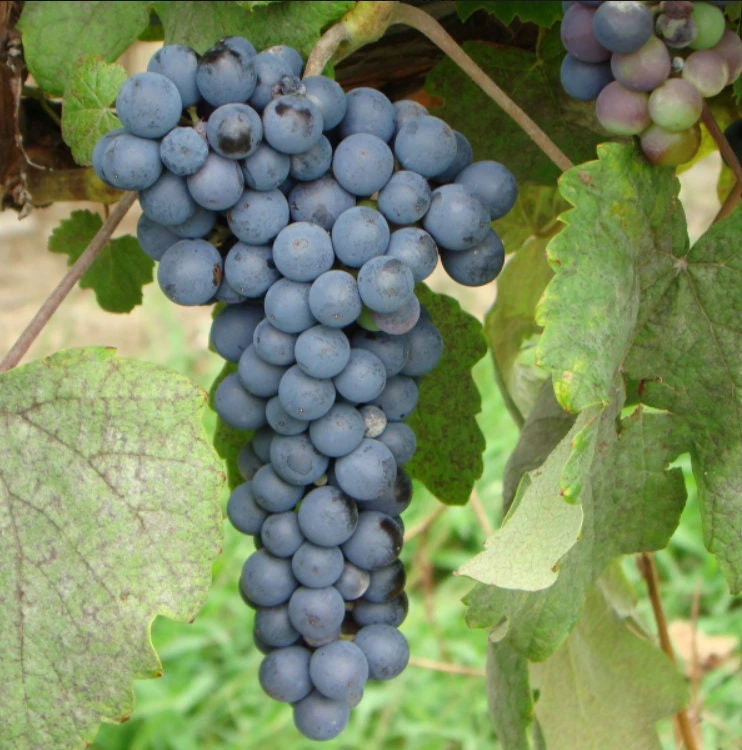
Cultivate your own delicious grapes with this Fredonia grape vine. This bare root grape plant is a vigorous, 1-year-old vine producing sweet, dark blue, Concord type grapes up to two weeks earlier than traditional Concord. It’s a self-fertile grape, perfect for home gardens, and ideal for fresh eating, juice, or wine.
Estimated arrival
Oct 18
Oct 23 - Oct 25
Oct 25 - Oct 30
See our Shipping Policy.
Get in touch with us via email, and our team will review your concerns.
Our Alive & Thrive Guarantee covers issues with your plants within the first 30 days. Read our Refund & Returns Policy.
-
USDA Hardiness Zone
4–9 -
Soil Type
Well-draining soil with good airflow -
Sunlight Exposure
Full sun (6–8+ hours daily) -
Expected Planting Period
Early spring
Overview
Bring the joy of homegrown grapes to your garden with the Fredonia grape vine. This bare root grape plant is a prized variety, celebrated for its early-ripening, sweet, dark blue fruit, reminiscent of the classic Concord but arriving approximately two weeks sooner. As a vigorous and dependable vine, Fredonia is an excellent choice for both novice and experienced gardeners looking to establish a productive home vineyard. Its robust nature ensures reliable performance, yielding abundant harvests of flavorful grapes perfect for a variety of culinary uses. This 1-year-old vine is ready to establish quickly in your landscape, promising years of delicious fruit.
The Fredonia grape (Vitis labrusca – Concord-type) is known for its strong productivity and adaptability, thriving in a range of climates. It’s a Concord type grape that offers a rich, sweet flavor profile, making it a versatile addition to any garden. Whether you’re planning to enjoy fresh grapes off the vine, make homemade juice or jelly, or even venture into red wine production, the early harvest window of the Fredonia variety makes it especially appealing for those eager to savor their grapes sooner in the season.
Key Benefits
The Fredonia grape vine offers numerous advantages for the home gardener, combining ease of care with bountiful production. Its desirable characteristics make it a standout choice for anyone seeking a rewarding grape-growing experience:
- Early Harvest: Enjoy sweet, dark blue grapes up to two weeks earlier than traditional Concord varieties, extending your fresh grape season. This early ripening grape is a true garden delight.
- Vigorous Growth & Reliability: This dependable vine establishes quickly and grows robustly, ensuring consistent and strong productivity year after year with proper care.
- Self-Fertile Nature: As a self-fertile grape, it does not require a second pollinator plant, making it an ideal choice for smaller gardens or single-vine plantings where space is a consideration.
- Versatile Culinary Uses: The classic Concord-style fruit is perfect for fresh eating, making delicious juice, creating homemade jelly, and even producing quality red wine.
- Cold Hardy & Adaptable: Suitable for USDA Zones 4–9, the Fredonia grape demonstrates excellent cold hardiness, making it a reliable performer in various climates.
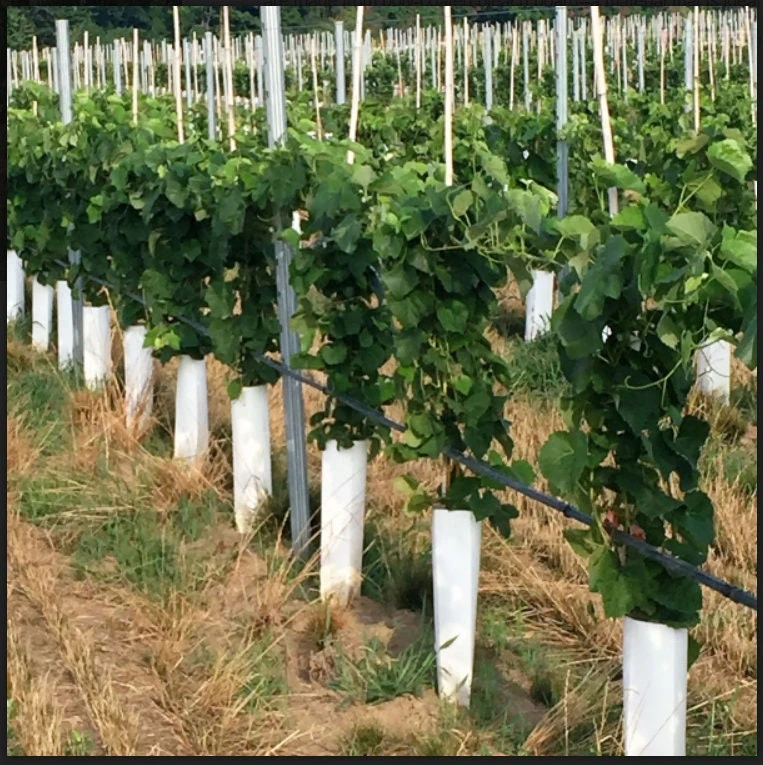
- Ideal for Training: Its trailing growth habit is well-suited for trellises, arbors, fencing, and top-wire cordon systems, allowing for beautiful and productive garden structures.
- Rich Flavor Profile: Experience the beloved sweet, mild flavor and deep blue to blue-black color characteristic of a classic Concord type grape.
Plant Care & Growing Tips
Caring for your Fredonia grape vine is straightforward, and with proper attention, you’ll be rewarded with abundant harvests. This bare root grape plant thrives in full sun, requiring at least 6–8 hours of direct sunlight daily for optimal fruit production and vine health. Ensure your planting site has well-draining soil with good airflow to prevent root issues. A soil pH between 6.0–7.0 is preferred for the best growth. When planting, space vines 6–8 feet apart to allow for adequate air circulation and root development.
Initial watering is crucial for establishment; water regularly to keep the soil consistently moist but not waterlogged. Once established, grape vines are relatively drought-tolerant but will benefit from consistent moisture during dry periods, especially when fruit is developing. Apply a balanced fertilizer during active growth periods to support vigorous vine development and fruit set. Annual pruning during dormancy is essential to maintain productive canes, improve air circulation, and manage the vine’s size and shape. Train your early ripening grape along a support system like a trellis or arbor to ensure proper structure and maximize sun exposure.
Protect your young Fredonia grape vine from pests and diseases by maintaining good garden hygiene and monitoring for any signs of trouble. Its cold hardiness makes it robust in winter, but in the coldest zones, some winter protection might be beneficial for young plants. With consistent care, your self-fertile grape will provide a reliable and delicious yield for many years, making it a cherished part of your home garden.
Size & Details
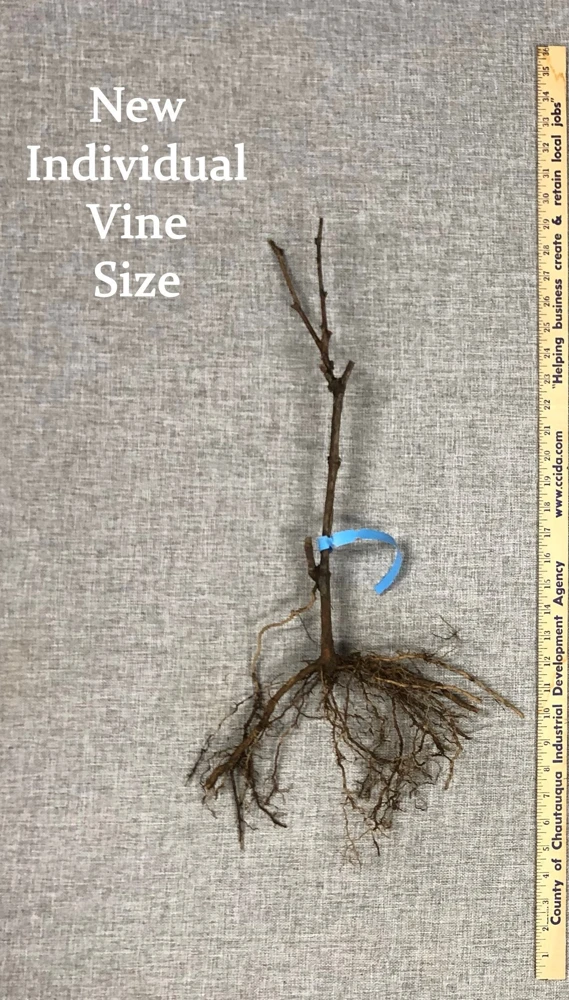
This offering includes one Fredonia grape vine, provided as a 1-year-old bare root plant. Bare root plants are dormant vines shipped without soil around their roots, which helps them establish quickly once planted in their new environment. Upon arrival, the vine will appear as a bundle of roots with a short stem, ready for planting. Fredonia is known for its vigorous growth, quickly developing into a substantial vine capable of producing significant fruit yields.
The vine is suitable for USDA Zones 4–9, indicating its wide adaptability to various climates. It will require a support structure such as a trellis, arbor, fence, or top-wire cordon system to accommodate its trailing growth habit. With proper training and annual pruning, the vine can reach considerable lengths and produce a high volume of grapes. The harvest season typically occurs early to mid-season, preceding traditional Concord varieties, making it an excellent choice for those desiring an early ripening grape.
Frequently Asked Questions
- Q: How big does this Fredonia grape vine get? A: A mature Fredonia grape vine can grow quite large, with canes extending many feet. With proper annual pruning and training on a support system like a trellis or arbor, you can manage its size to fit your garden space while maximizing fruit production.
- Q: Is this an indoor or outdoor plant? A: The Fredonia grape vine is an outdoor plant, specifically a fruiting vine. It requires full sun exposure and is best grown in a garden or backyard setting where it can establish a robust root system and receive ample sunlight for fruit development.
- Q: How much sunlight does it need? A: This bare root grape plant thrives in full sun, meaning it needs at least 6–8 hours of direct sunlight daily. Adequate sunlight is crucial for vigorous growth, optimal fruit production, and the development of sweet, flavorful grapes.
- Q: Is this plant easy to care for? A: Yes, the Fredonia grape vine is considered relatively easy to care for, especially for a fruit-producing plant. Its vigorous nature and self-fertile characteristic reduce complexity. Key care tasks include annual pruning, providing a support structure, and consistent watering during establishment.
- Q: What condition will the bare root grape plant arrive in? A: Your bare root grape plant will arrive dormant, meaning it will have no leaves and appear to be just roots and a stem. This is normal and ideal for planting, as it minimizes transplant shock and allows the vine to establish strongly in its new environment.
- Q: When is the best time to plant a Fredonia grape vine? A: The best time to plant a Fredonia grape vine is in early spring, after the last danger of hard frost has passed. This allows the vine ample time to establish its root system before the heat of summer and ensures a strong start to its growing season.
- Q: Does this Concord type grape require another vine for pollination? A: No, the Fredonia grape vine is a self-fertile grape. This means it can produce fruit on its own without needing a second grape vine for cross-pollination. This makes it an excellent choice for smaller gardens or if you only wish to plant a single vine.
- Q: What are the best uses for Fredonia grapes? A: Fredonia grapes are highly versatile. They are excellent for fresh eating, known for their sweet, juicy flavor. They are also ideal for making homemade grape juice, delicious jellies, and can be used in red wine production, offering a classic Concord-like profile.
- Q: Will the Fredonia grape vine survive winter in my zone? A: The Fredonia grape vine is cold-hardy and suitable for USDA Zones 4–9. If you are within these zones, it should survive winter without special protection once established. In colder parts of zone 4, some winter mulching for young plants can provide extra insulation.
- Q: How can I optimize the yield of my early ripening grape? A: To optimize the yield of your early ripening grape, ensure it receives full sun, has well-draining soil, and is properly pruned annually during dormancy. Training the vine on a trellis or arbor will also improve air circulation and fruit exposure to sunlight, leading to better quality and quantity of grapes.
Be the first to review “Fredonia Grape Vine – 1 Bare Root Live Plant – Early Concord-Type Sweet, Vigorous”
Related products


You May Like

Hardneck vs. Softneck Garlic: Which Should You Grow?
Have you ever stood in front of a seed catalog in mid-September, staring at dozens [...]
Oct

When to Plant Music Garlic: Ultimate US Fall Guide
Have you ever spent your fall weekend placing carefully chosen garlic cloves into rich, dark [...]
1 Comment
Oct

5 Best Bulbs for Fall Planting: Brighten Your Garden This Spring
Are you dreaming of a garden full of vibrant colors in the spring? The key [...]
Aug

10 Houseplants That Will Thrive in Your Kitchen
Are you tired of your kitchen feeling dull and lifeless? Want to add a little [...]
1 Comment
Aug
Reviews
There are no reviews yet.