
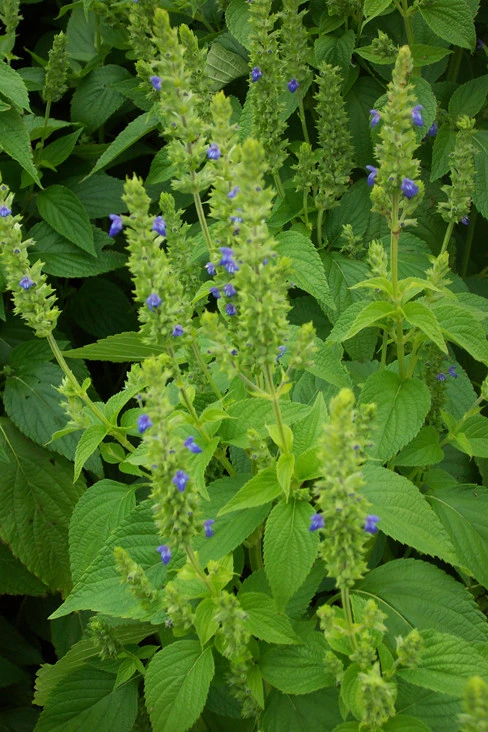
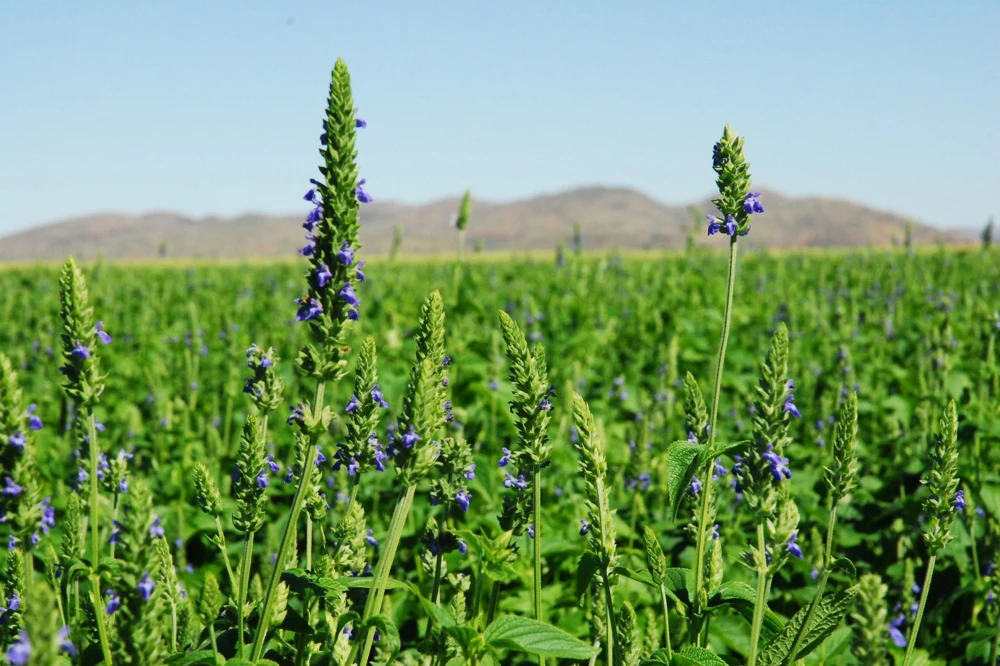
Chia Seeds – Salvia hispanica – Herb Seeds – Grow Your Own Chia
From 10.77 $
Cultivate your own superfood with our premium chia seeds. These Salvia hispanica seeds are perfect for growing nutrient-dense plants at home, offering a versatile ingredient for healthy meals and snacks. Easy to grow for both beginners and experienced gardeners.
Estimated arrival
Sep 19
Sep 24 - Sep 26
Sep 26 - Oct 01
See our Shipping Policy.
Get in touch with us via email, and our team will review your concerns.
Our Alive & Thrive Guarantee covers issues with your plants within the first 30 days. Read our Refund & Returns Policy.
-
USDA Hardiness Zone
Zones 8-12 -
Soil Type
Loam, Sand -
Sunlight Exposure
Full Sun -
Expected Planting Period
Spring to early summer
Overview
Discover the joy of growing your own superfood with our premium chia seeds. These high-quality Salvia hispanica seeds allow you to cultivate the renowned chia plant, famous for its edible and highly nutritious seeds. Originating from central and southern Mexico, chia has been a staple crop for centuries, valued for its impressive nutritional profile and versatility. When you grow chia at home, you’re not just planting a seed; you’re cultivating a source of omega-3 fatty acids, fiber, protein, and antioxidants right in your garden. Our chia seeds are an excellent choice for anyone looking to add a healthy, sustainable, and rewarding gardening project to their life. They are perfect for both seasoned gardeners and those new to growing herbs and edible plants, promising a bountiful harvest with proper care.
These seeds will mature into beautiful plants that produce the tiny, yet mighty, chia seeds. The plant itself is an attractive addition to any garden, featuring delicate purple or white flowers. By growing your own, you ensure a fresh and organic supply of chia, free from pesticides and other unwanted chemicals. Experience the satisfaction of harvesting your own food and integrating it into your diet. Our Salvia hispanica seeds are carefully selected to ensure high germination rates, giving you the best start possible for a successful chia crop.
Key Benefits
Growing your own chia offers numerous advantages, from health benefits to the sheer pleasure of gardening. Here are some of the key benefits you can expect from cultivating these remarkable seeds:
- Nutrient-Rich Harvest: Freshly harvested chia seeds are packed with essential nutrients, including omega-3 fatty acids, dietary fiber, protein, and various minerals like calcium and magnesium. Integrating these into your diet can support overall health and well-being.
- Easy to Grow:Chia seeds are remarkably forgiving and straightforward to cultivate, making them an ideal choice for gardeners of all skill levels. They adapt well to various conditions, especially in warmer climates.
- Versatile Culinary Use: The seeds can be used in a multitude of ways – from thickening smoothies and puddings to adding a healthy crunch to salads and baked goods. Growing your own ensures a constant supply for all your culinary adventures.
- Sustainable & Organic: By growing your own chia, you have complete control over the growing conditions, allowing you to produce organic seeds without the use of harmful pesticides or herbicides. This promotes sustainable living and healthier eating.
- Attractive Garden Addition: Beyond their edible seeds, Salvia hispanica seeds mature into plants with attractive foliage and delicate flowers, adding aesthetic appeal to your herb garden or landscape.
- Health & Wellness Support: Regular consumption of chia seeds can aid in digestion, help regulate blood sugar, and provide sustained energy, making them a valuable component of a health-conscious lifestyle.
- Educational Experience: Growing chia can be a fantastic educational project for families, teaching about plant life cycles, nutrition, and the origins of food. Understanding the benefits of chia seeds firsthand is truly rewarding.
Plant Care & Growing Tips
Cultivating chia seeds is a rewarding experience, and with a few simple guidelines, you can ensure a thriving crop of Salvia hispanica plants. Chia prefers a warm climate and thrives in full sun, requiring at least 6-8 hours of direct sunlight per day. If you’re growing indoors, place your pots in a south-facing window or under grow lights to ensure adequate light exposure. The ideal soil pH for chia is between 6.5 and 7.8, indicating a slightly acidic to neutral preference. It’s crucial to use well-draining soil, such as a loam or sand mixture, to prevent waterlogging, which can be detrimental to the roots. Good drainage is key to healthy root development and overall plant vigor.
Watering should be consistent but moderate. Chia plants prefer their soil to be consistently moist but not soggy. Allow the top inch or two of soil to dry out between waterings. Overwatering is a common mistake and can lead to root rot. During hotter, drier periods, you may need to water more frequently. For optimal growth, especially if your soil isn’t rich, a balanced, all-purpose fertilizer can be applied every 4-6 weeks during the growing season. However, chia is not a heavy feeder and can often thrive with just good soil conditions. Maintaining proper chia plant care will lead to a successful harvest of nutritious seeds.
The USDA Hardiness Zones for outdoor cultivation of chia range from 8 to 12, indicating its preference for warmer climates. In cooler zones, it can be grown as an annual or started indoors and transplanted after the last frost. Protect young plants from sudden temperature drops. Pests are generally not a major issue for chia, but keeping an eye out for common garden pests and addressing them promptly with organic solutions will maintain plant health. Harvesting usually occurs when the flowers dry and the seeds are easily dislodged from the flower heads. Knowing the benefits of chia seeds makes the effort of proper care all the more worthwhile.
Size & Details
Our chia seeds are provided for planting, allowing you to grow your own Salvia hispanica plants. The mature chia plant typically reaches a height of 2 to 3 feet (approximately 60-90 cm) and can spread about 1 to 1.5 feet (30-45 cm) wide, forming an attractive bush-like structure. The growth rate is moderate, with plants generally maturing and producing seeds within 90-120 days after planting, depending on climate and growing conditions. The seeds are small, oval, and typically gray with black spots, though white varieties also exist. They are shipped in a protective packet to ensure viability and freshness, ready for planting upon arrival.
These seeds are suitable for both garden beds and container planting, making them adaptable for various growing spaces, including patios and balconies. When grown in containers, choose a pot that is at least 6-8 inches in diameter to allow for adequate root development. The plants produce beautiful, delicate purple or white flowers before setting seed, adding an ornamental touch to your garden. With proper chia plant care, you can expect a generous yield of seeds from each plant, providing a sustainable source for your culinary and nutritional needs. Understanding the full benefits of chia seeds starts with growing them yourself.
Frequently Asked Questions
- Q: How big does a chia plant get? A: A mature chia plant typically grows to be about 2 to 3 feet tall and can spread about 1 to 1.5 feet wide. Its size can vary slightly depending on growing conditions and specific variety.
- Q: Is this an indoor or outdoor plant? A: Chia (Salvia hispanica) can be grown both indoors and outdoors. It thrives outdoors in warmer climates (USDA Zones 8-12) and can be grown as an annual in cooler regions. Indoors, it needs a sunny spot with adequate light.
- Q: How much sunlight do chia seeds need to grow? A: Chia plants require full sun, meaning at least 6-8 hours of direct sunlight per day. If growing indoors, ensure it receives ample light from a south-facing window or supplemental grow lights.
- Q: Is this plant easy to care for? A: Yes, chia is generally considered an easy-to-care-for plant, making it suitable for beginner gardeners. It’s relatively drought-tolerant once established but prefers consistent moisture. Proper chia plant care is straightforward.
- Q: What condition will the Salvia hispanica seeds arrive in? A: Our Salvia hispanica seeds are carefully packaged in a protective packet to ensure they arrive fresh and viable, ready for planting in your garden or pots.
- Q: How long until chia plants bloom and produce seeds? A: Chia plants typically bloom and produce seeds within 90-120 days after planting, depending on the climate and specific growing conditions. The seeds are ready for harvest when the flowers dry out.
- Q: What are the main benefits of chia seeds? A: Chia seeds are rich in omega-3 fatty acids, fiber, protein, and antioxidants. They support digestion, provide sustained energy, and are a versatile ingredient for various healthy dishes.
- Q: What kind of soil is best for growing chia? A: Chia thrives in well-draining soil with a pH between 6.5 and 7.8. A loam or sandy soil mix is ideal to prevent waterlogging and promote healthy root growth.
- Q: Can I grow chia in a pot? A: Yes, you can successfully grow chia in pots. Choose a container that is at least 6-8 inches in diameter to provide enough space for the roots to develop.
- Q: When is the best time to plant chia seeds? A: The best time to plant chia seeds is after the last frost in spring, when soil temperatures have warmed up. In warmer climates, they can be sown directly outdoors.
| Seed Quantity | 1000 Seeds, 125K Seeds Or 1/4 Lb, 2000 Seeds, 250K Seeds Or 1/2 Lb, 32K Seeds Or 1 Oz, 4000 Seeds Or 1/8 Oz, 500K Seeds Or 1 Lb, 64K Seeds Or 2 Oz, 8000 Seeds Or 1/4 Oz |
|---|
Be the first to review “Chia Seeds – Salvia hispanica – Herb Seeds – Grow Your Own Chia”
Related products


Herb Seeds
Great Saint John’s Wort Seeds – Hypericum Pyramidatum – 1500 Count – Yellow Flower Herb – Zones 2-10
You May Like
5 Best Bulbs for Fall Planting: Brighten Your Garden This Spring
Are you dreaming of a garden full of vibrant colors in the spring? The key [...]
Aug
How to Repot Houseplants Like a Pro
Do your houseplants look like they’ve outgrown their pots? Are their roots popping out of [...]
Aug
10 Houseplants That Will Thrive in Your Kitchen
Are you tired of your kitchen feeling dull and lifeless? Want to add a little [...]
Aug
Reviews
There are no reviews yet.