
Phantom Hydrangea Live Plant, Pink White, 5-10 Inch Tall, 2.5 Inch Pot
Original price was: 34.99 $.14.99 $Current price is: 14.99 $.
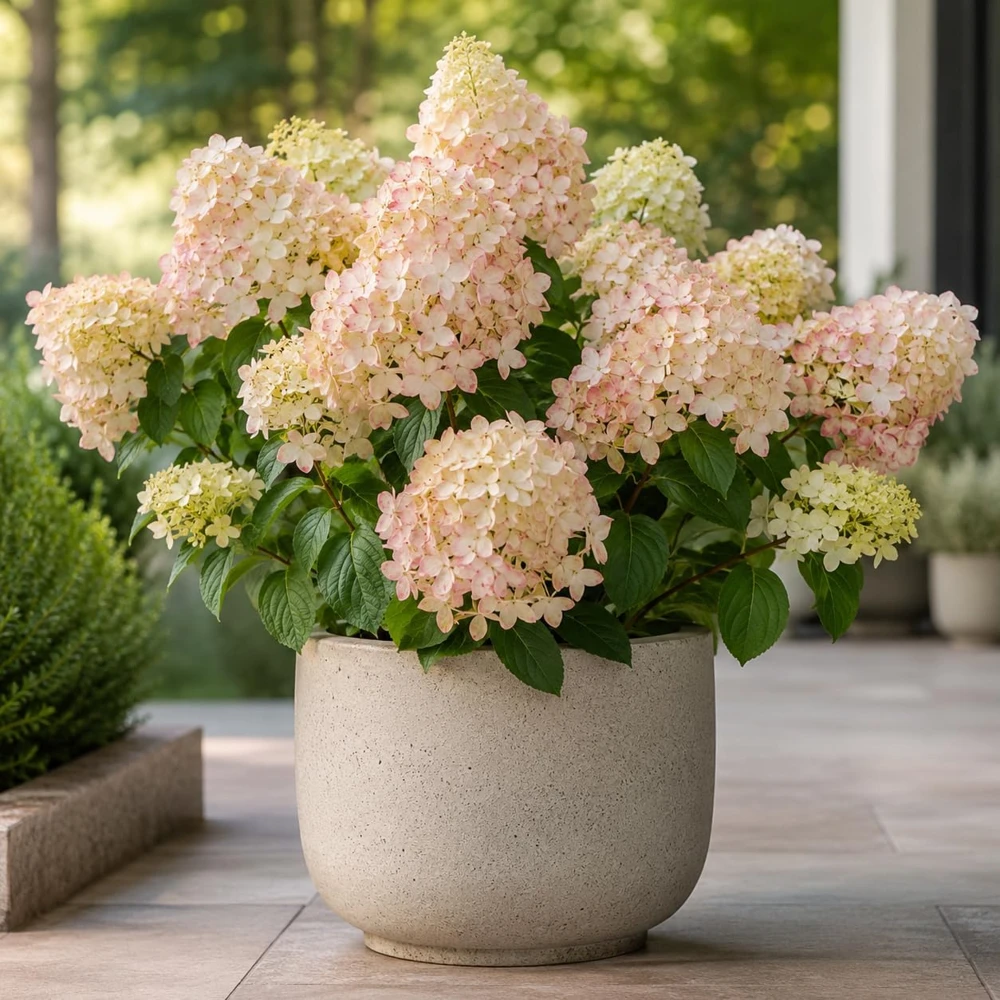
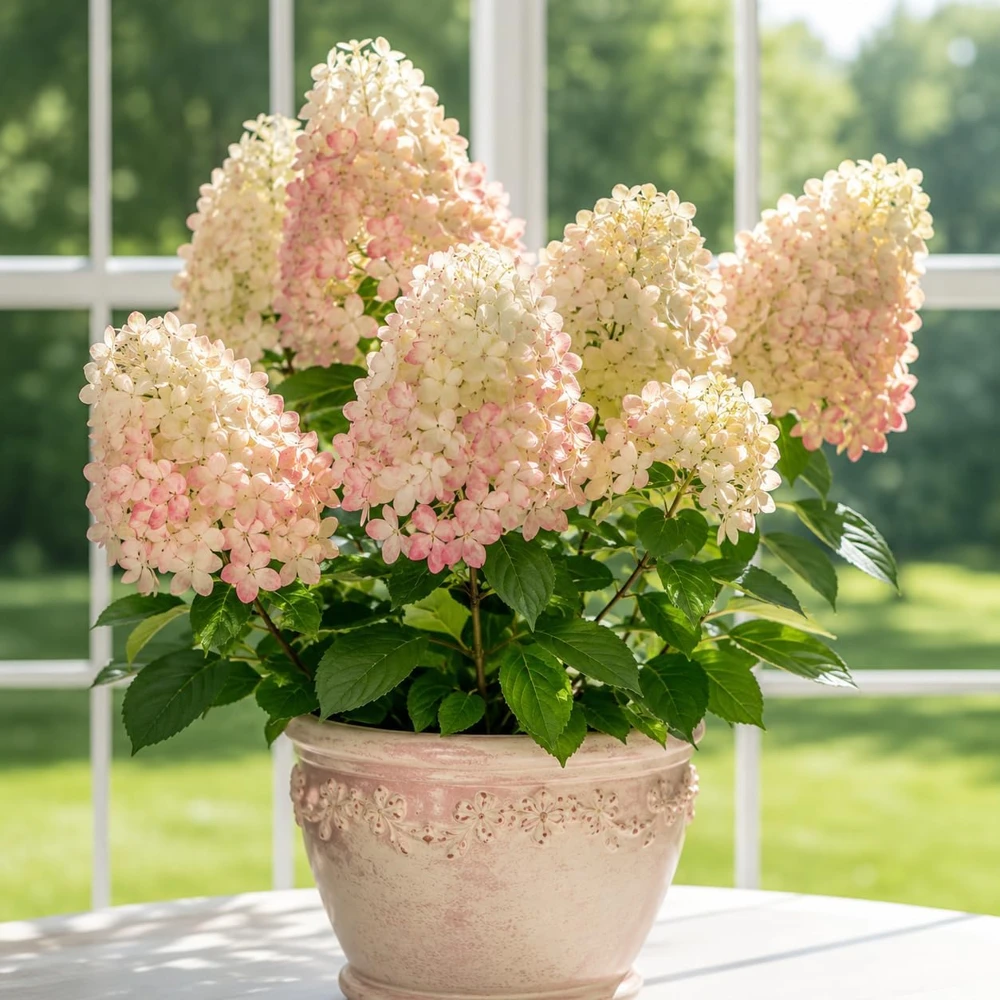
Add elegance to your landscape with a phantom hydrangea live plant, known for its stunning pink and white blooms. This 5-10 inch tall plant arrives in a 2.5 inch pot, ready to thrive in your home garden. Perfect for creating a vibrant display from summer through fall.
Estimated arrival
Oct 17
Oct 22 - Oct 24
Oct 24 - Oct 29
See our Shipping Policy.
Get in touch with us via email, and our team will review your concerns.
Our Alive & Thrive Guarantee covers issues with your plants within the first 30 days. Read our Refund & Returns Policy.
-
USDA Hardiness Zone
3–9 -
Soil Type
Well-draining soil -
Sunlight Exposure
Full sun to partial shade -
Expected Planting Period
Spring to fall (dormant in winter)
Overview
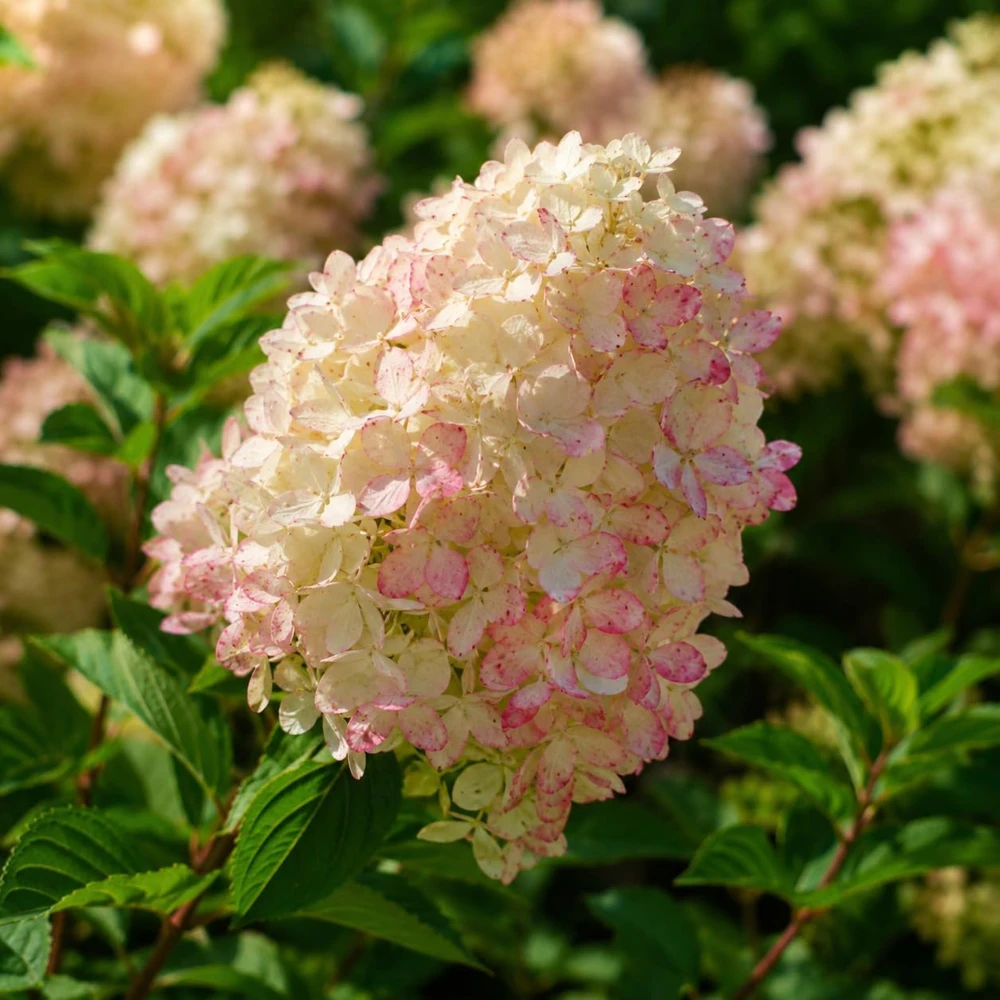
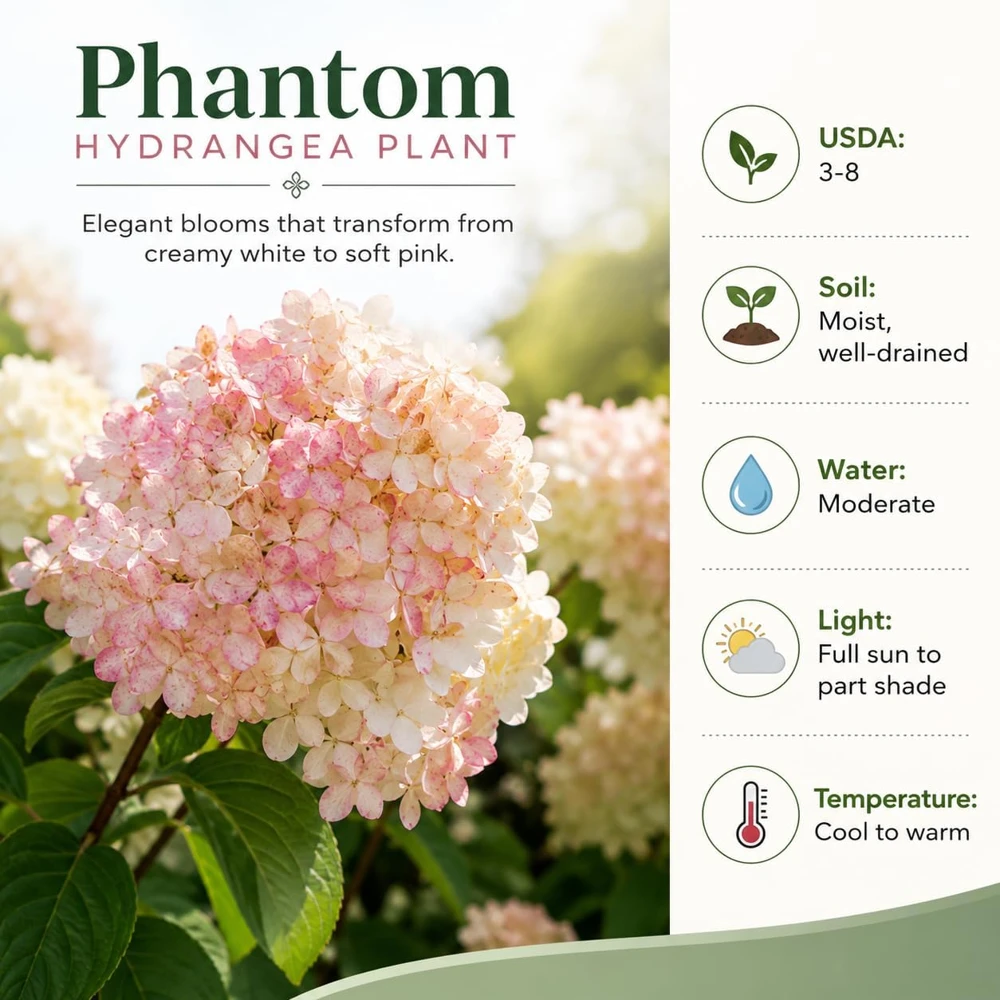
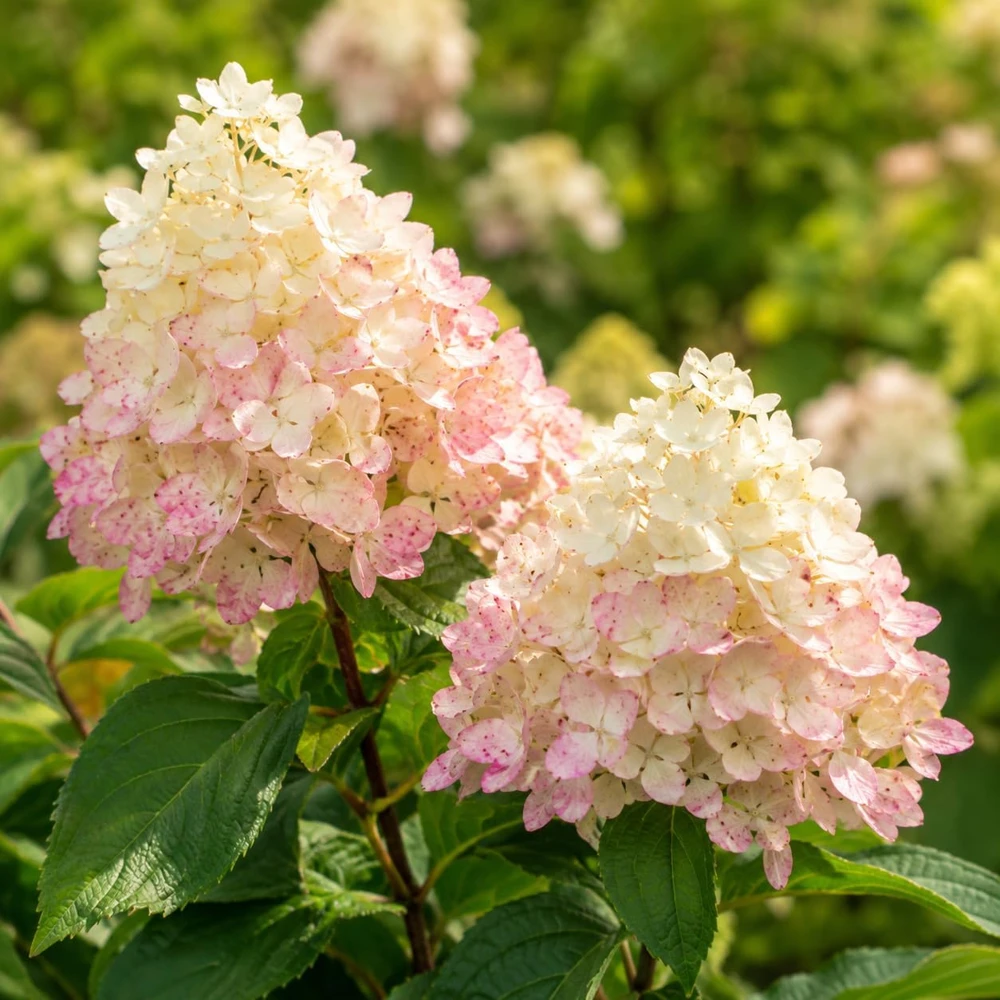
Introduce a touch of spectacular beauty to your outdoor space with the magnificent phantom hydrangea live plant. This deciduous shrub is highly prized for its large, conical flower clusters that emerge white in summer and gradually transform into a lovely pink as the season progresses into fall. Often referred to as a hydrangea tree due to its upright, vigorous growth habit, the Phantom Hydrangea is a versatile and resilient addition to any garden, flourishing in USDA Zones 3-9. Our young plants, typically 5-10 inches tall and rooted in a 2.5 inch pot, are ready for planting, offering a head start on establishing a stunning focal point or elegant border.
The Phantom Hydrangea, scientifically known as Hydrangea paniculata ‘Phantom’, is a popular choice for its hardiness and extended bloom period. Unlike some other hydrangea varieties, it blooms on new wood, making it more forgiving to pruning and less susceptible to late spring frosts. Its robust nature and captivating color changes make it a favorite among gardeners seeking reliable, long-lasting floral displays. This particular specimen arrives as a healthy, young plant, prepared to adapt to its new environment and grow into a majestic feature.
Key Benefits
The phantom hydrangea live plant offers numerous advantages for both novice and experienced gardeners:
- Extended Bloom Season: Enjoy a prolonged display of beautiful flowers from summer all the way through fall, providing continuous color when many other plants have faded. The blooms start white and mature to a rich pink, adding dynamic interest to your garden.
- Hardy and Adaptable: Thrives across a wide range of climates, specifically in USDA Zones 3-9, making it a reliable choice for diverse garden settings. It tolerates varying soil conditions and is known for its resilience.
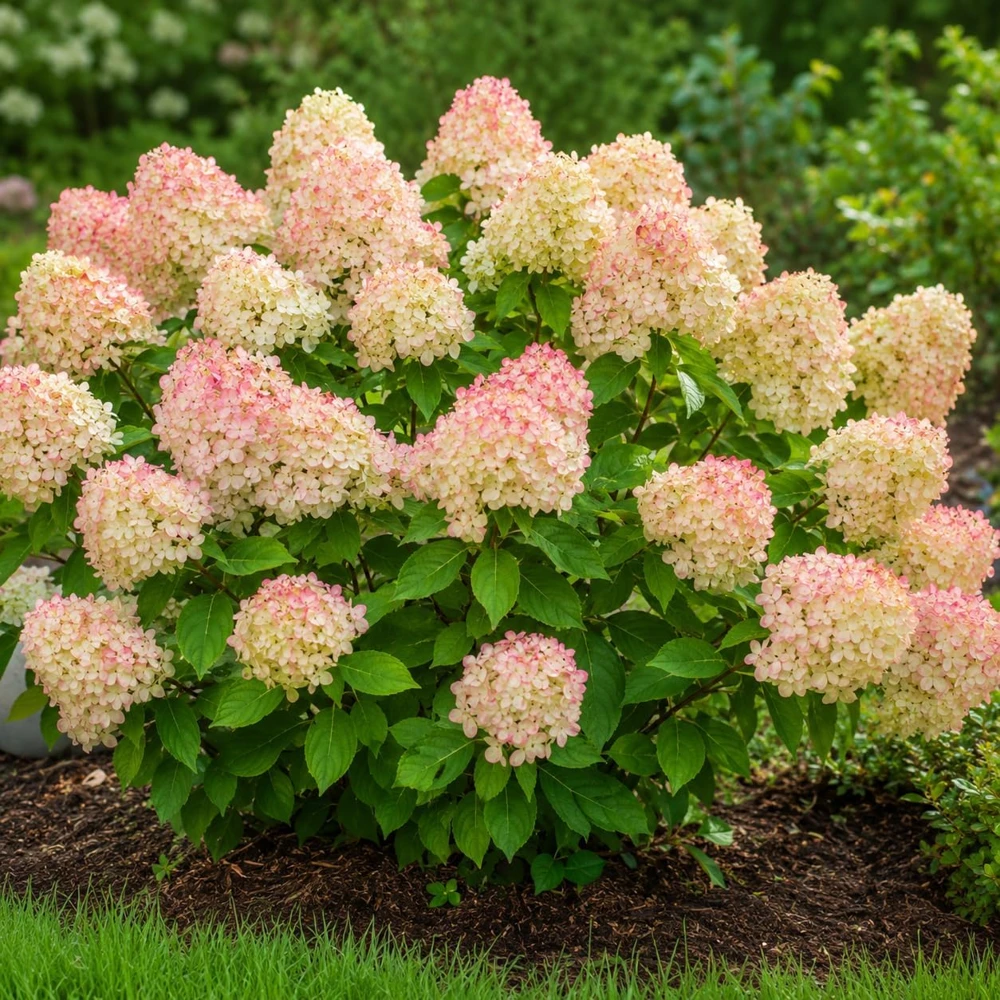
- Stunning Aesthetic Appeal: The large, showy flower panicles create a dramatic visual impact, perfect for specimen planting, mixed borders, or even as an informal hedge. Its elegant form can truly elevate your landscape design.
- Low Maintenance: Once established, the phantom hydrangea live plant requires minimal care, making it an excellent option for gardeners seeking high reward with less effort. It’s relatively pest and disease resistant.
- Versatile Landscaping Use: Whether you’re aiming for a formal garden, a cottage garden, or a contemporary landscape, the Phantom Hydrangea fits seamlessly, offering both structure and vibrant color. Its ability to be trained as a hydrangea tree adds to its versatility.
- Attracts Pollinators: While not a primary pollinator plant, the blooms can attract some beneficial insects to your garden, contributing to a healthy ecosystem.
- Excellent Cut Flowers: The beautiful blooms are perfect for cutting and bringing indoors, providing fresh bouquets that last for an extended period, or for drying to create long-lasting arrangements.
Plant Care & Growing Tips
Caring for your phantom hydrangea live plant is straightforward, ensuring years of beautiful blooms. This plant prefers a location with full sun to partial shade. Full sun (6+ hours of direct sunlight) will encourage the most abundant flowering and robust growth, especially in cooler climates. In hotter regions, some afternoon shade is beneficial to protect the blooms and foliage from scorching. Temperatures between 60°F and 85°F are ideal for optimal growth.
When it comes to soil, the Phantom Hydrangea thrives in well-draining soil. While adaptable, it prefers a rich, fertile loam. Ensure the soil remains consistently moist, particularly during hot weather and the plant’s establishment period. However, avoid waterlogged conditions, as this can lead to root rot. Regular watering, especially during dry spells, is crucial for developing a strong root system and vibrant flowers. Fertilize in early spring with a balanced slow-release fertilizer designed for flowering shrubs to support vigorous growth and blooming. Pruning should be done in late winter or early spring before new growth begins, as this plant blooms on new wood. Remove any dead or weak branches, and shape the plant as desired. For those interested in a hydrangea tree form, selective pruning of lower branches can help achieve this structure.
Protecting your growing phantom hydrangea in winter is generally not necessary within its hardiness zones. However, a layer of mulch around the base can help insulate the roots in colder areas and retain soil moisture during warmer months. Watch for common pests like aphids or spider mites, though they are rarely a serious problem. Good air circulation and proper watering can help prevent fungal diseases. With proper care, your pink white hydrangea will flourish.
Size & Details
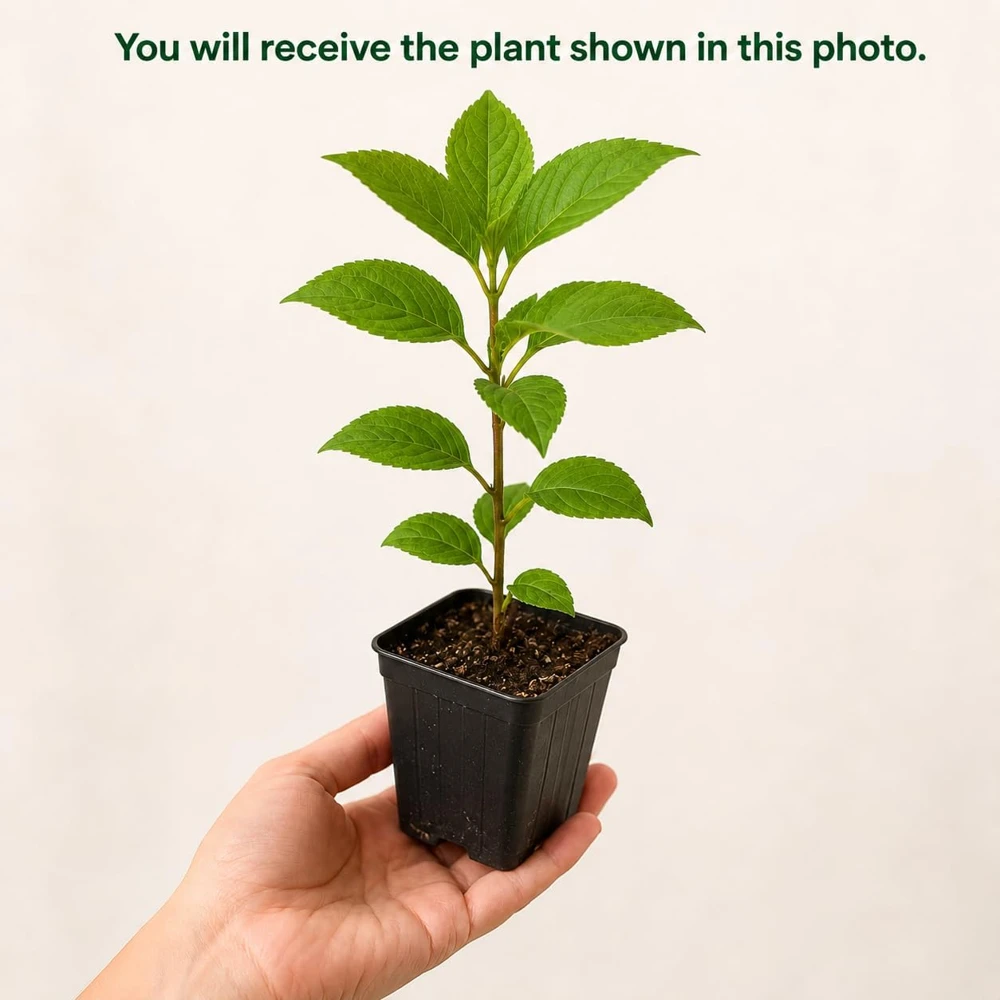
This offering is for one healthy phantom hydrangea live plant, which typically arrives 5-10 inches tall from the top of the soil to the tip of the plant. It is securely rooted in a 2.5 inch nursery pot, providing a well-established root system ready for transplanting. While young, these plants are robust and designed to grow quickly once planted in your garden. The Phantom Hydrangea is known for its moderate to fast growth rate, potentially reaching heights of 6-10 feet and a similar spread at maturity, depending on growing conditions and pruning. Expect your plant to begin producing its characteristic pink and white flowers from summer through fall in its first or second year after planting, with blooms becoming more prolific as the plant matures. This plant is shipped dormant in winter months, which is a natural and healthy state for deciduous shrubs.
Frequently Asked Questions
- Q: How big does this phantom hydrangea live plant get? A: At maturity, the Phantom Hydrangea can typically reach a height of 6-10 feet and a similar spread. Its ultimate size will depend on growing conditions, climate, and how it is pruned.
- Q: What size pot does it come in? A: This phantom hydrangea live plant is shipped in a 2.5 inch nursery pot, providing a strong root system for successful transplanting into your garden or a larger container.
- Q: Is this an indoor or outdoor plant? A: The Phantom Hydrangea is primarily an outdoor plant, well-suited for garden beds, borders, or as a specimen plant. It thrives outdoors in USDA Zones 3-9.
- Q: How much sunlight does it need? A: This hydrangea prefers full sun to partial shade. For the best flowering performance, aim for at least 6 hours of direct sunlight daily, especially in cooler climates. In hot regions, some afternoon shade is beneficial.
- Q: Is this plant easy to care for? A: Yes, the Phantom Hydrangea is considered relatively easy to care for, making it suitable for gardeners of all experience levels. It is known for its hardiness and adaptability, requiring consistent watering and annual pruning.
- Q: What condition will it arrive in? A: Your pink white hydrangea will arrive as a healthy, live plant, typically 5-10 inches tall in a 2.5 inch pot. During winter, it will be shipped dormant, which is normal for this deciduous shrub.
- Q: When is the best time to plant a hydrangea tree? A: The best time to plant your Phantom Hydrangea is in spring or early fall. This allows the plant sufficient time to establish its root system before the stress of summer heat or winter cold.
- Q: Will it survive winter in my zone? A: Yes, the Phantom Hydrangea is very cold hardy and will survive winter in USDA Zones 3-9. It blooms on new wood, so even if winter causes some dieback, new growth will emerge in spring to produce flowers.
- Q: How long until it blooms? A: Your young phantom hydrangea live plant may produce some blooms in its first year, but will typically show a more significant flowering display in its second year and beyond as it matures and establishes in your garden.
- Q: Can I train this into a hydrangea tree form? A: Yes, the Phantom Hydrangea can be trained into a single-stemmed or multi-stemmed tree form with proper pruning and shaping over time, adding to its versatility in the landscape.
Be the first to review “Phantom Hydrangea Live Plant, Pink White, 5-10 Inch Tall, 2.5 Inch Pot”
Related products


You May Like

Hardneck vs. Softneck Garlic: Which Should You Grow?
Have you ever stood in front of a seed catalog in mid-September, staring at dozens [...]
Oct

When to Plant Music Garlic: Ultimate US Fall Guide
Have you ever spent your fall weekend placing carefully chosen garlic cloves into rich, dark [...]
1 Comment
Oct

5 Best Bulbs for Fall Planting: Brighten Your Garden This Spring
Are you dreaming of a garden full of vibrant colors in the spring? The key [...]
Aug

10 Houseplants That Will Thrive in Your Kitchen
Are you tired of your kitchen feeling dull and lifeless? Want to add a little [...]
1 Comment
Aug
Reviews
There are no reviews yet.