
Set of 10 Bocking 14 Comfrey Root Cuttings – Live Herb Starter Roots, Cold Hardy Zones 3-9
Original price was: 45.99 $.25.99 $Current price is: 25.99 $.
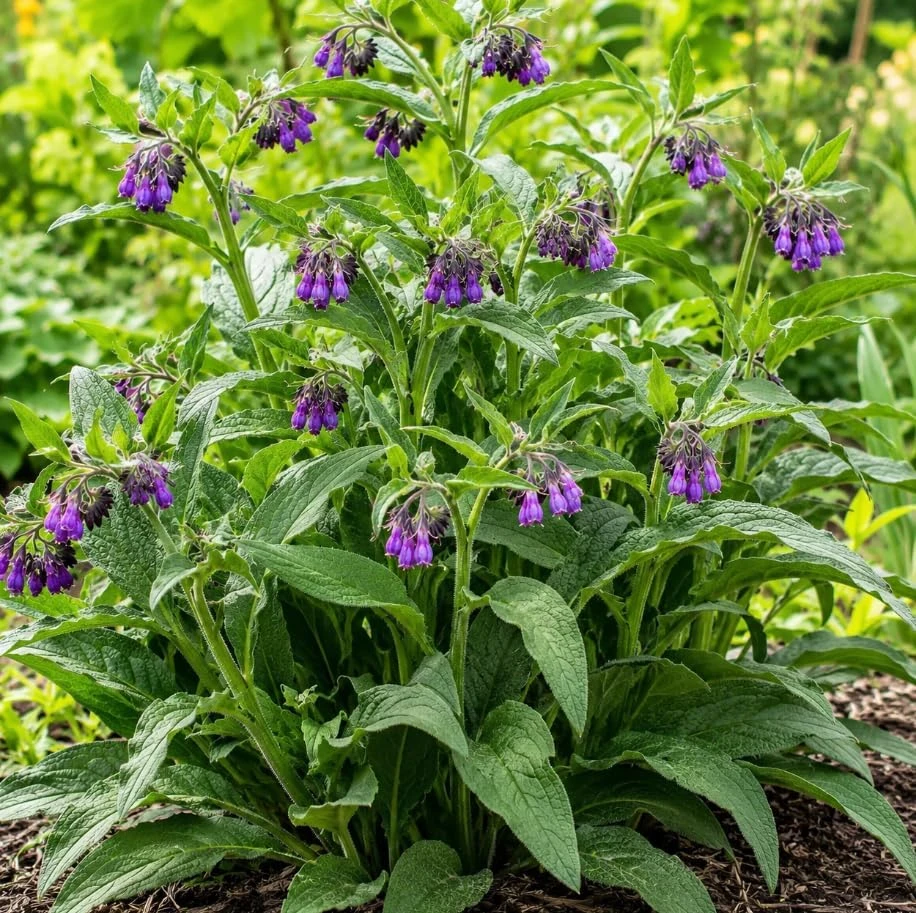
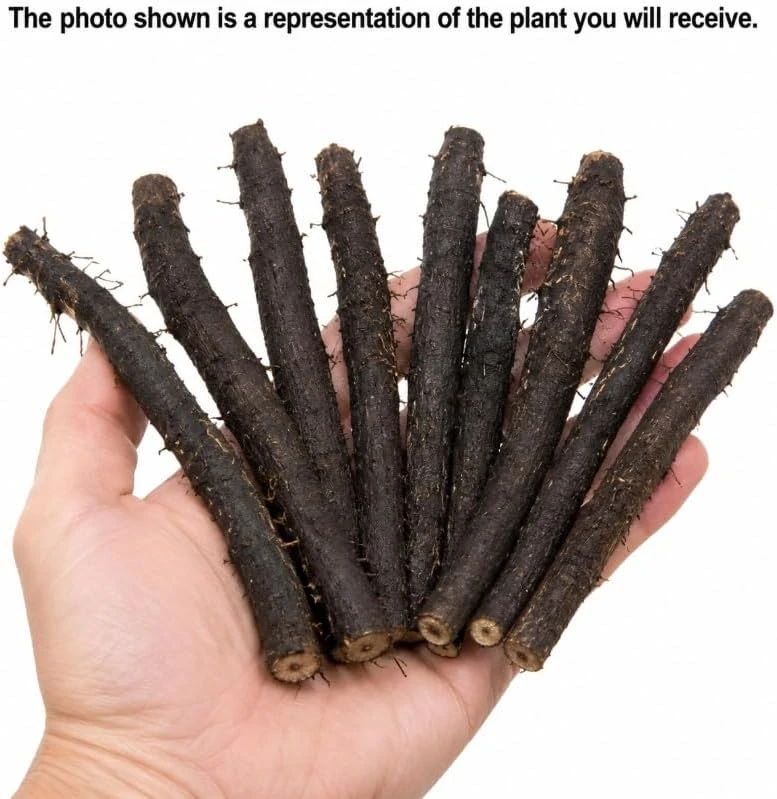
Start your own Bocking 14 comfrey root cuttings with this set of 10 live, ready-to-plant herb starters. Ideal for outdoor gardens, these live comfrey herb roots are cold hardy in zones 3-9, perfect for creating nutrient-rich soil or herbal preparations. Each cutting is 2-5 inches long, ensuring a strong start for your garden.
Estimated arrival
Oct 17
Oct 22 - Oct 24
Oct 24 - Oct 29
See our Shipping Policy.
Get in touch with us via email, and our team will review your concerns.
Our Alive & Thrive Guarantee covers issues with your plants within the first 30 days. Read our Refund & Returns Policy.
-
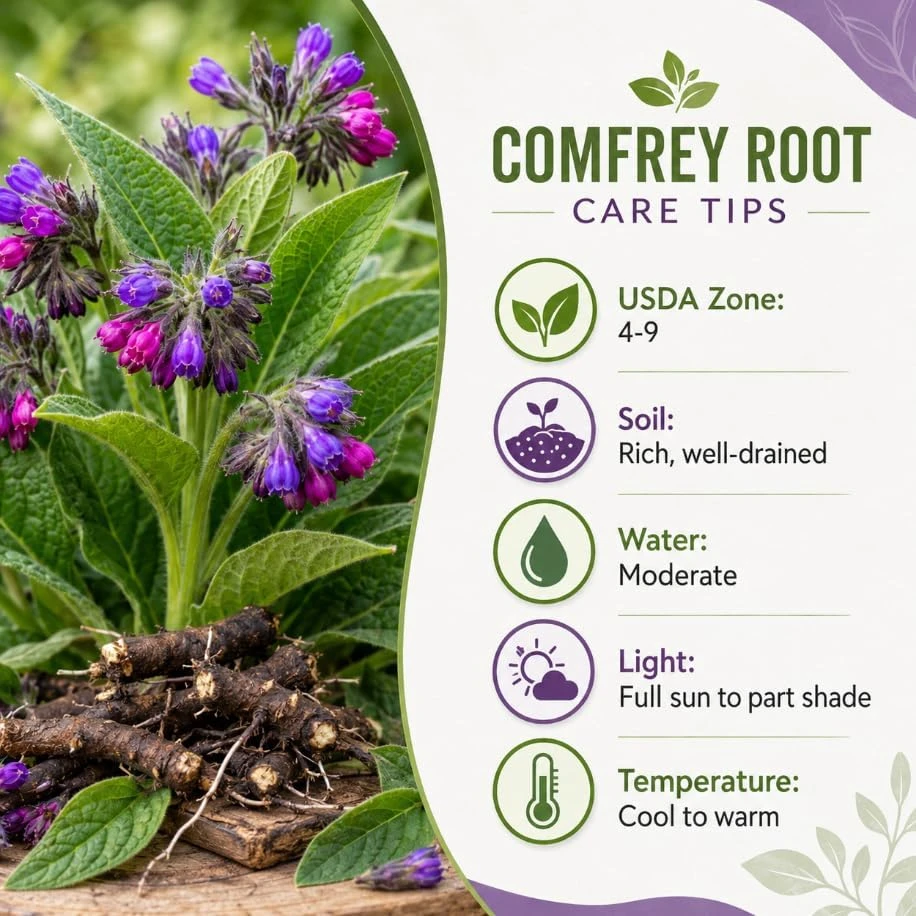
USDA Hardiness Zone
3-9 -
Soil Type
Well-draining, rich loamy soil -
Sunlight Exposure
Full sun to partial shade -
Expected Planting Period
Spring to early fall
Overview
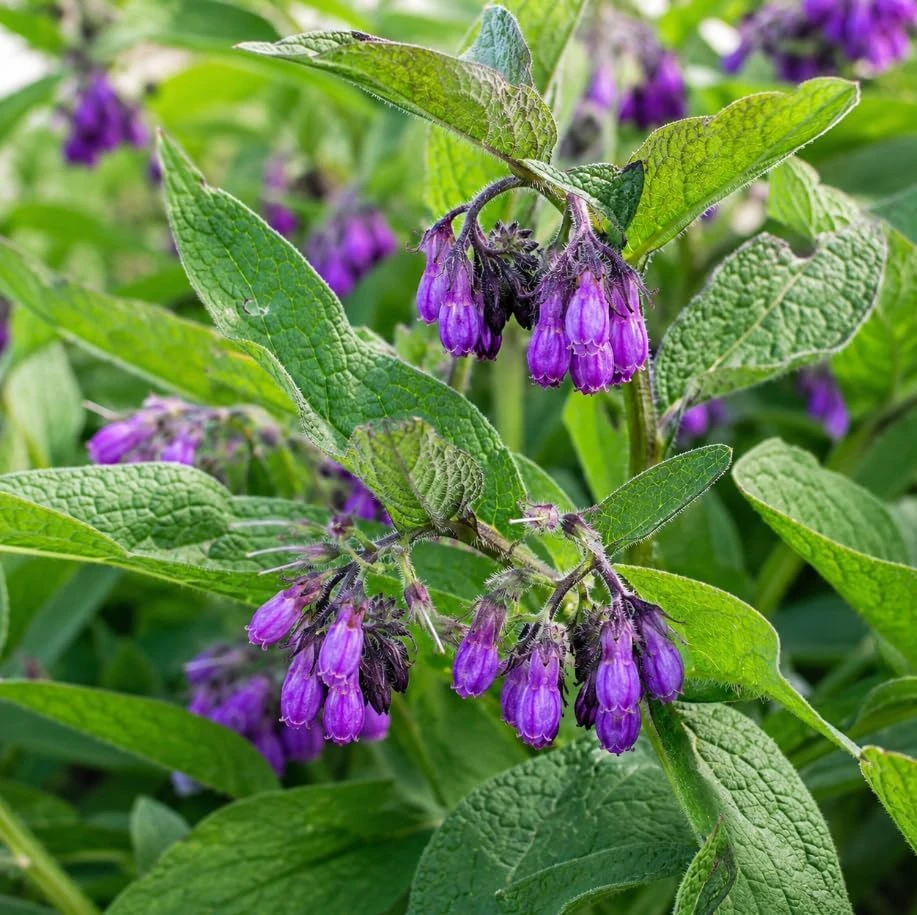
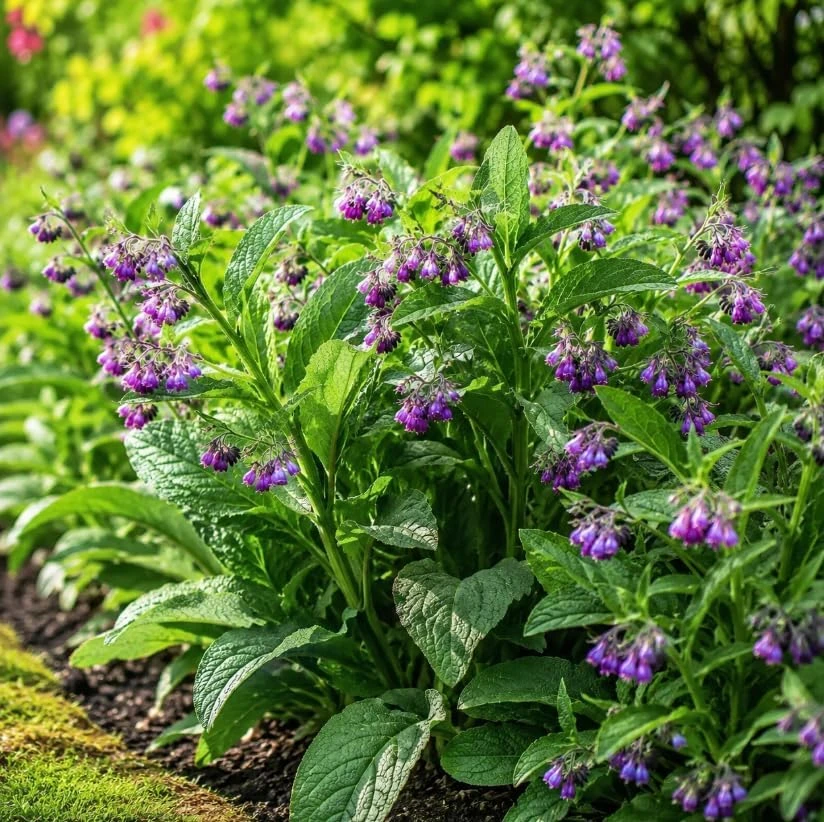
Cultivate a thriving herb garden with our premium Bocking 14 comfrey root cuttings. This exceptional set includes 10 live, robust root sections, each measuring approximately 2-5 inches, ready to establish quickly in your outdoor space. Known for its vigorous growth and numerous benefits, Bocking 14 comfrey (Symphytum x uplandicum ‘Bocking 14’) is a sterile hybrid, meaning it won’t spread by seed, making it an ideal choice for controlled planting. These comfrey starter roots are perfect for gardeners looking to enrich their soil, create organic fertilizers, or explore the traditional uses of this valuable herb. With its cold-hardy nature, this variety thrives across a wide range of climates, specifically suitable for USDA Zones 3-9, ensuring a successful growing experience for many years.
Our live comfrey herb cuttings offer a reliable way to introduce this versatile plant to your garden. Whether you’re a seasoned gardener or just starting, these easy-to-plant roots provide a strong foundation for a productive comfrey patch. Often referred to as ‘knitbone’ or ‘boneset’ due to its historical uses, comfrey is celebrated for its deep taproots that draw up essential nutrients from the subsoil, making them available to other plants when used as a chop-and-drop mulch or in compost. Enhance your garden’s biodiversity and fertility with these high-quality, dependable root cuttings.
Key Benefits
Adding Bocking 14 comfrey root cuttings to your garden offers a multitude of advantages, contributing to both plant health and ecological balance. These robust cuttings provide a sustainable solution for various gardening needs, making them an indispensable addition.
- Soil Enrichment: Comfrey’s deep roots mine nutrients like potassium, phosphorus, and nitrogen from the subsoil, bringing them to the surface. When the leaves are cut and left to decompose, they release these vital nutrients back into the topsoil, acting as a natural, organic fertilizer that benefits surrounding plants.
- Organic Mulch & Compost Activator: The fast-growing foliage can be harvested multiple times a year and used as a nutrient-rich mulch (chop-and-drop) or added to compost piles to accelerate decomposition and boost nutrient content. This provides a sustainable, closed-loop system for garden fertility.
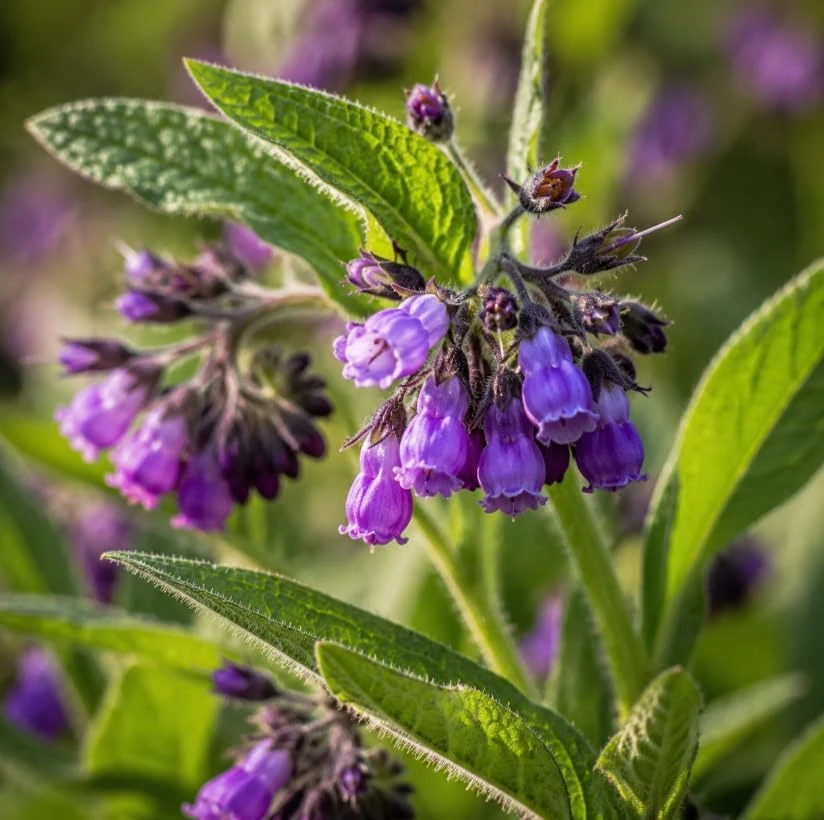
- Pollinator Attraction: While the primary benefit of Bocking 14 comfrey is its foliage for soil improvement, its flowers, if allowed to bloom, can attract beneficial pollinators like bees to your garden, contributing to overall ecosystem health.
- Drought Tolerance: Once established, comfrey plants are remarkably resilient. Their deep root systems allow them to access water deep within the soil, making them relatively drought-tolerant and less reliant on frequent watering.
- Perennial Growth: These comfrey starter roots are perennial, meaning they return year after year. Once planted, they will provide a continuous supply of nutrient-rich biomass for many growing seasons with minimal effort.
- Pest Deterrent: Some gardeners report that comfrey can help deter certain garden pests, though its primary role is nutrient cycling. Its dense growth can also provide shelter for beneficial insects.
- Versatile Use: Suitable for various garden applications including herb gardens, vegetable patches, food forests, and even large containers. The ease of growing comfrey outdoors makes it a valuable asset.
Plant Care & Growing Tips
Caring for your Bocking 14 comfrey root cuttings is straightforward, making it an excellent choice for gardeners of all experience levels. These plants are remarkably resilient and, once established, require minimal maintenance. For optimal growth, plant your comfrey in a location that receives full sun to partial shade. Full sun (6+ hours of direct sunlight) will encourage the most vigorous growth and highest nutrient content in the leaves, while partial shade (3-6 hours of direct sunlight) is also acceptable, especially in hotter climates.
The key to successful comfrey establishment is well-drained soil. While comfrey is adaptable to various soil types, it thrives in rich, loamy soil with good drainage. Avoid waterlogged conditions, which can lead to root rot. During the establishment phase, consistent moisture is crucial; water regularly to keep the soil evenly moist but not saturated. Once established, comfrey is quite drought-tolerant due to its deep taproot system, but supplemental watering during prolonged dry spells will promote healthier growth. These cold hardy comfrey roots are tolerant to a wide range of temperatures. They are hardy in USDA Zones 3-9, meaning they can withstand winter temperatures down to -40°F (-40°C) and rebound vigorously in spring.
Fertilization is generally not essential for comfrey, as its primary function is to gather nutrients from the subsoil. However, an initial application of a balanced organic fertilizer or a layer of compost at planting can give your live comfrey herb a strong start. Comfrey is best managed by regular harvesting of its leaves, which encourages new growth and prevents the plant from flowering extensively, thus channeling energy into foliage production. Harvest leaves by cutting them close to the ground, allowing for multiple harvests throughout the growing season. Watch out for slugs and snails, especially on young plants, and address any issues promptly with organic solutions.
Size & Details
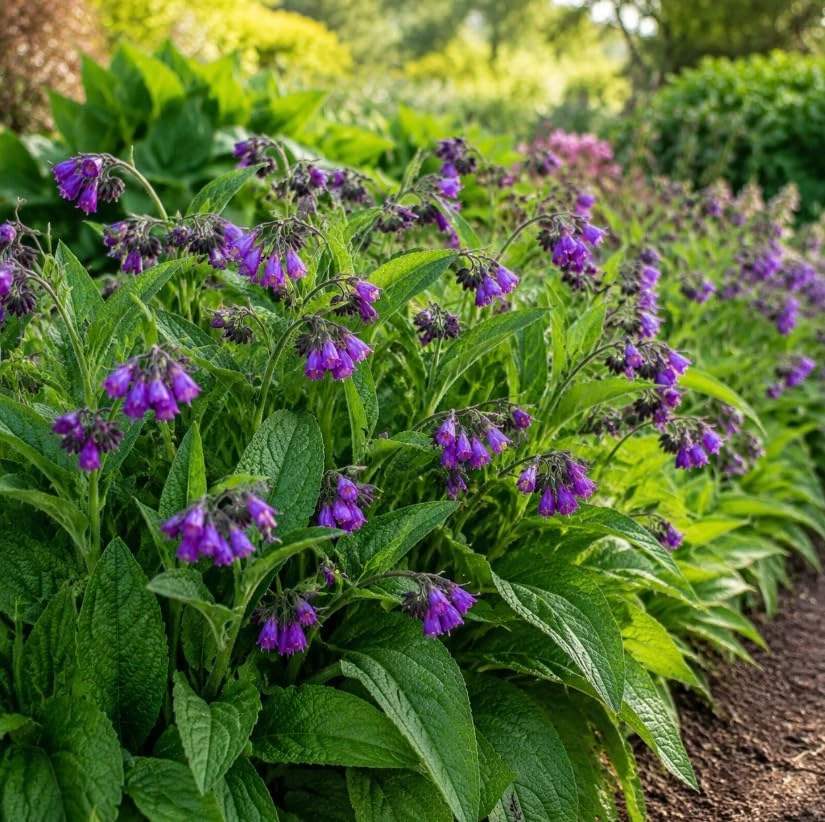
This offering includes a set of 10 high-quality Bocking 14 comfrey root cuttings, each carefully selected for viability and health. Each individual root cutting measures approximately 2 to 5 inches in length, providing ample material for successful establishment. These live root sections are ready for immediate planting upon arrival, ensuring a quick start to your comfrey patch. When mature, Bocking 14 comfrey typically grows to a height of 2 to 3 feet and spreads similarly, forming a dense clump of broad, hairy leaves. Its robust growth rate allows for multiple harvests of nutrient-rich foliage throughout the growing season, typically from spring through fall.
The cuttings are shipped bare-root, carefully packaged to maintain moisture and prevent damage during transit. This method ensures that the plant’s energy is focused on root development once planted in your garden. Expect to see new shoots emerge within a few weeks of planting, depending on environmental conditions. These comfrey starter roots are designed for outdoor cultivation and are highly adaptable to various garden settings, including dedicated herb beds, vegetable garden borders, or even large containers where their growth can be managed. They are a long-lived perennial, promising years of beneficial contributions to your garden ecosystem.
Frequently Asked Questions
- Q: How big do these comfrey plants get from the cuttings? A: Once established, Bocking 14 comfrey root cuttings will grow into mature plants that typically reach 2 to 3 feet tall and equally wide. Their vigorous growth provides a substantial amount of foliage for harvesting.
- Q: Is this an indoor or outdoor plant? A: These live comfrey herb cuttings are specifically intended for outdoor cultivation. They are cold hardy and thrive in garden beds, containers on patios, or other outdoor spaces where they can get adequate sunlight.
- Q: How much sunlight does comfrey need? A: Comfrey performs best in full sun (at least 6 hours of direct sunlight per day) but can also tolerate partial shade (3-6 hours). More sun generally leads to more vigorous growth and higher nutrient content in the leaves.
- Q: Is this plant easy to care for? Is it good for beginners? A: Yes, comfrey is very easy to care for and is an excellent choice for beginners. Once established, it is remarkably resilient, drought-tolerant, and requires minimal maintenance beyond occasional harvesting.
- Q: What condition will the root cuttings arrive in? A: Your comfrey starter roots will arrive as live, bare root cuttings, carefully packaged to ensure they remain moist and healthy during transit. They are ready for planting upon arrival.
- Q: When is the best time to plant these comfrey root cuttings? A: The best time for growing comfrey outdoors from root cuttings is in spring after the last frost, or in early fall. This allows the roots to establish before extreme summer heat or winter cold.
- Q: Will it survive winter in my zone? What’s the minimum temperature? A: Bocking 14 comfrey is cold hardy in USDA Zones 3-9, meaning it can tolerate winter temperatures down to -40°F (-40°C). It will die back to the ground in colder climates but reliably re-emerge in spring.
- Q: Can I use these comfrey cuttings to make fertilizer? A: Absolutely! One of the primary uses of cold hardy comfrey is for creating nutrient-rich organic fertilizer. The harvested leaves can be used as a chop-and-drop mulch, in compost, or to make liquid fertilizer.
Be the first to review “Set of 10 Bocking 14 Comfrey Root Cuttings – Live Herb Starter Roots, Cold Hardy Zones 3-9”
Related products


You May Like

Hardneck vs. Softneck Garlic: Which Should You Grow?
Have you ever stood in front of a seed catalog in mid-September, staring at dozens [...]
Oct

When to Plant Music Garlic: Ultimate US Fall Guide
Have you ever spent your fall weekend placing carefully chosen garlic cloves into rich, dark [...]
1 Comment
Oct

5 Best Bulbs for Fall Planting: Brighten Your Garden This Spring
Are you dreaming of a garden full of vibrant colors in the spring? The key [...]
Aug

10 Houseplants That Will Thrive in Your Kitchen
Are you tired of your kitchen feeling dull and lifeless? Want to add a little [...]
1 Comment
Aug
Reviews
There are no reviews yet.