
African Blue Basil Live Plants – Set of 2, 2-4 Inch Tall Herb for Culinary & Garden
Original price was: 43.99 $.23.99 $Current price is: 23.99 $.
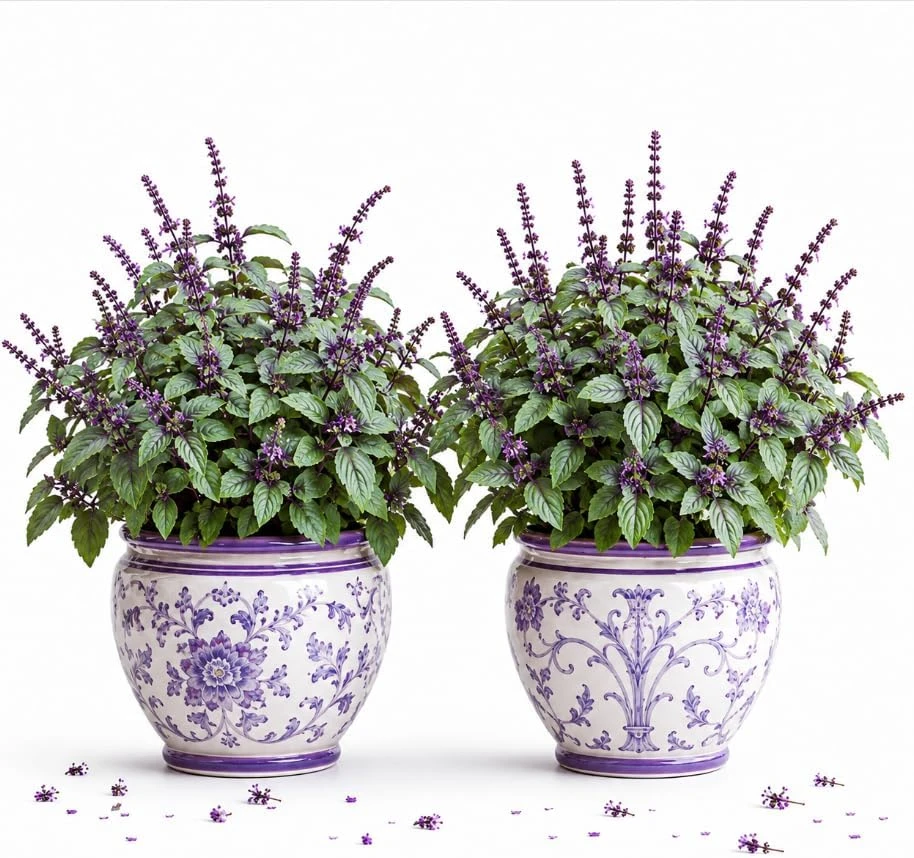
Bring the vibrant flavor and beautiful foliage of African Blue Basil live plant to your home or garden. This set includes two healthy 2-4 inch tall plants, ready for planting. Known for its robust aroma and attractive purple-tinged leaves, it’s perfect for culinary adventures and attracting beneficial pollinators.
Estimated arrival
Oct 17
Oct 22 - Oct 24
Oct 24 - Oct 29
See our Shipping Policy.
Get in touch with us via email, and our team will review your concerns.
Our Alive & Thrive Guarantee covers issues with your plants within the first 30 days. Read our Refund & Returns Policy.
-
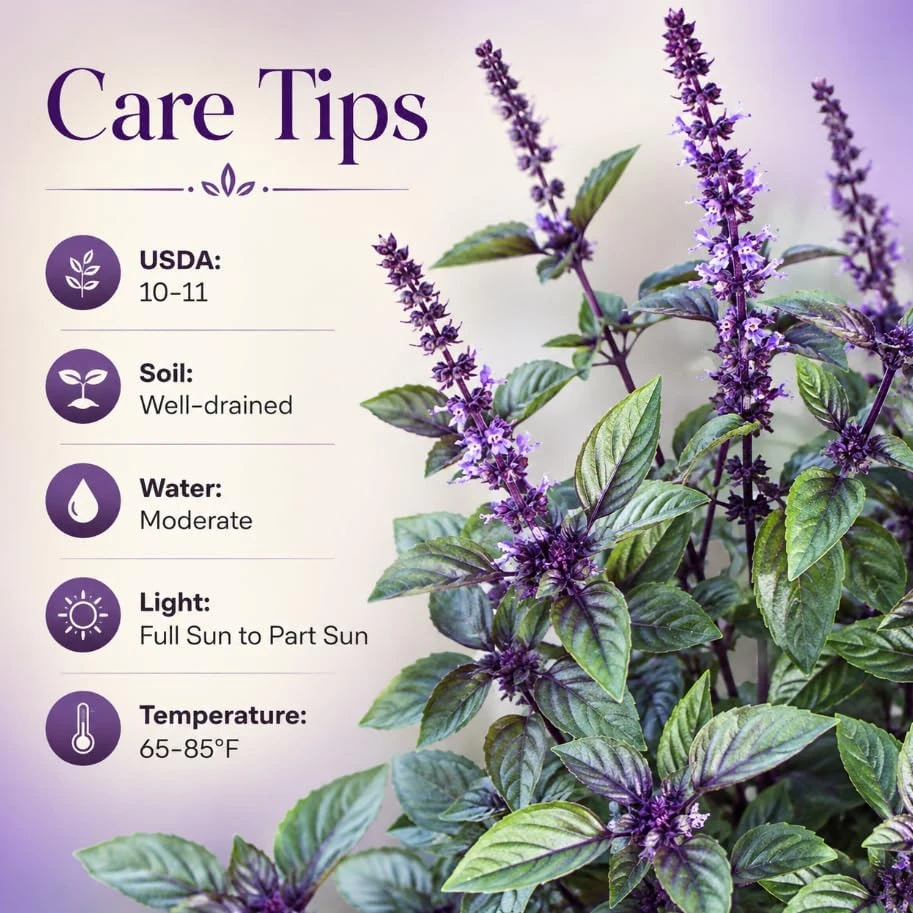
USDA Hardiness Zone
10-11 -
Soil Type
Well-draining soil -
Sunlight Exposure
Full sun to partial shade -
Expected Planting Period
Spring to early summer outdoors, year-round indoors
Overview
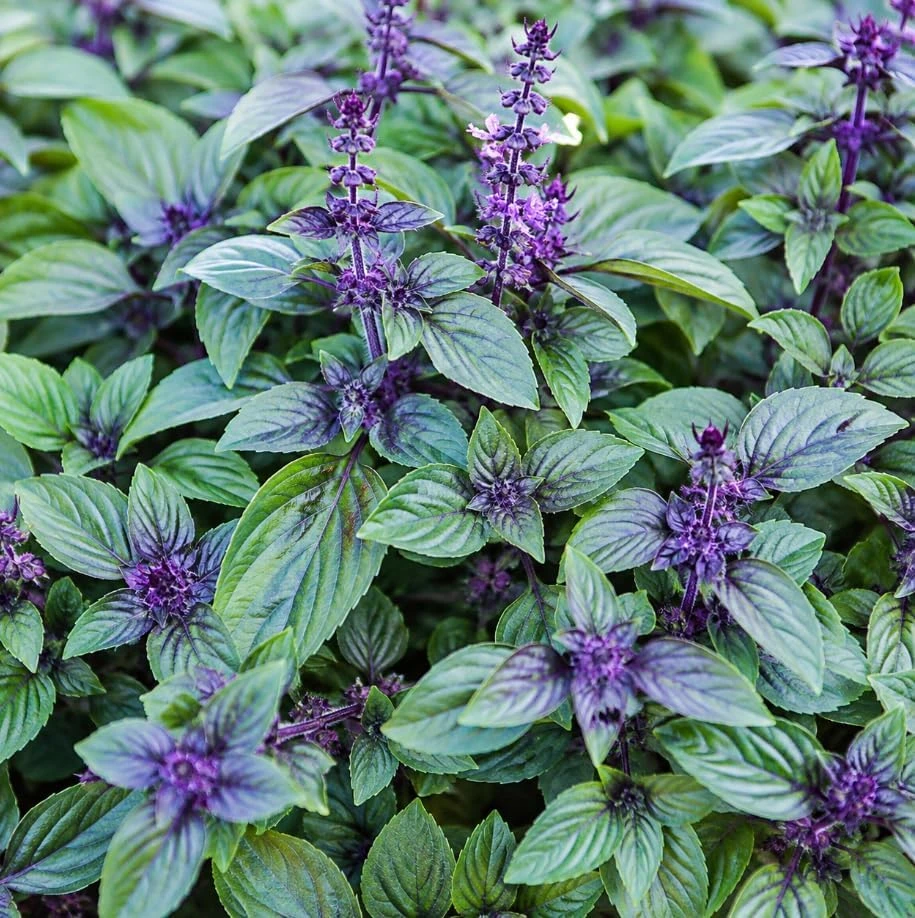
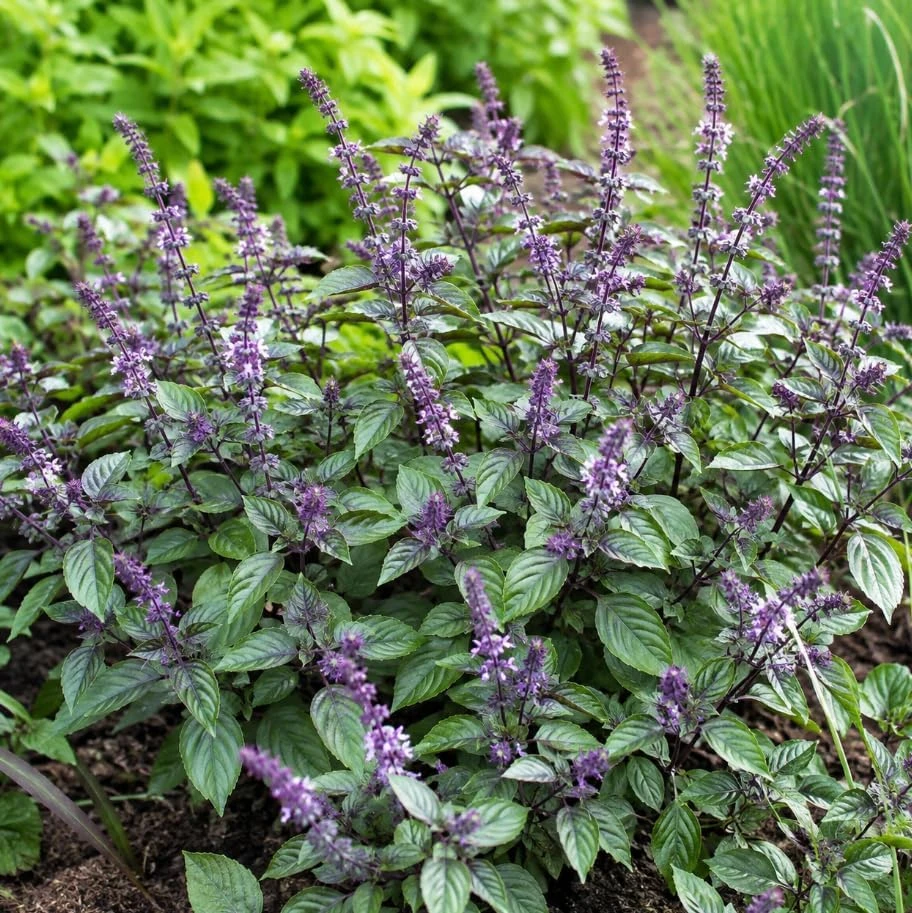
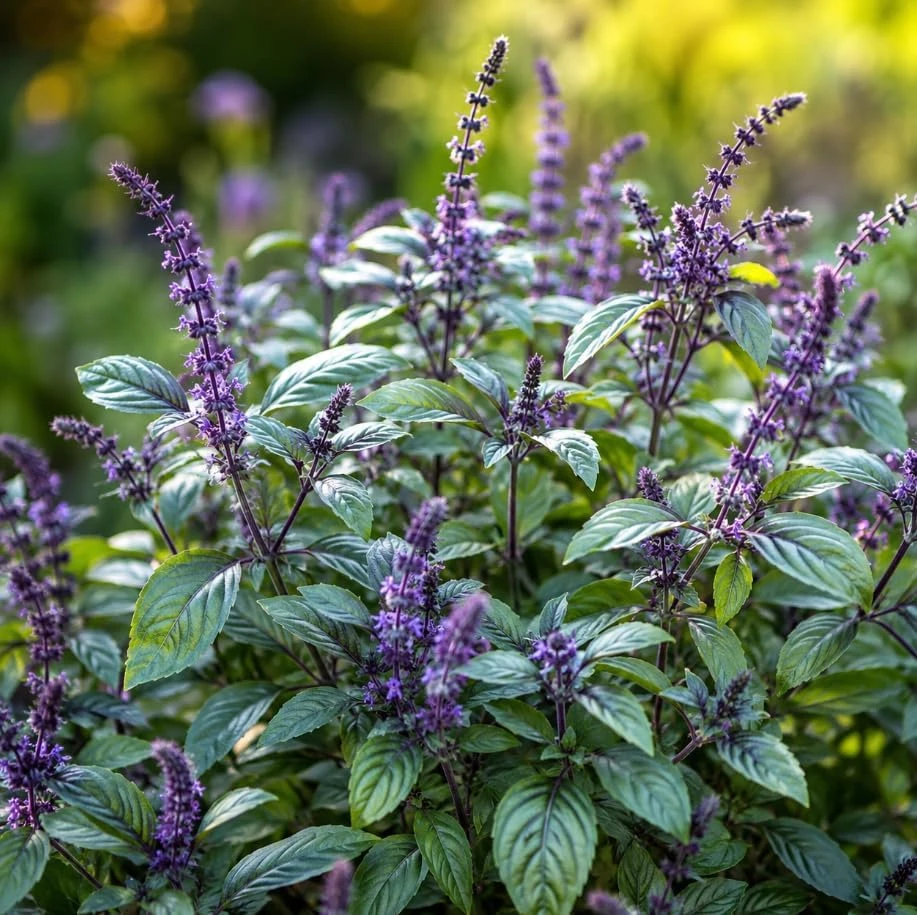
Introduce a unique and highly beneficial herb to your garden with our African Blue Basil live plant set. This offering includes two vigorous young plants, each standing 2-4 inches tall, ready to thrive in your outdoor containers or garden beds. African Blue Basil (Ocimum basilicum ‘African Blue’) is a sterile hybrid, meaning it won’t produce viable seeds, but it compensates with continuous flowering and a robust growth habit. It’s a cross between ‘Dark Opal’ basil and camphor basil, resulting in a plant with striking purple-veined green leaves and beautiful lavender-purple flowers. Unlike common basil, its leaves have a slightly camphoraceous, peppery, and minty aroma, making it a versatile addition to various cuisines, especially Mediterranean and Asian dishes. Beyond its culinary appeal, this basil variety is a magnet for bees, butterflies, and other pollinators, making it an excellent choice for a biodiversity-friendly garden.
Our African Blue Basil live plant is carefully cultivated to ensure you receive healthy, established specimens. These plants are perfect for gardeners looking for a low-maintenance yet highly rewarding herb. Whether you’re an experienced green thumb or just starting your gardening journey, this basil will provide continuous harvests and ornamental beauty throughout the growing season.
Key Benefits
The African Blue Basil live plant offers a multitude of advantages for any gardener, combining aesthetic appeal with practical uses. Its vigorous growth and unique characteristics make it a standout choice for culinary enthusiasts and nature lovers alike. Here are some of the key benefits you’ll enjoy:
- Exceptional Pollinator Attractor: This basil is renowned for its continuous production of lavender-purple flowers, which are incredibly attractive to bees, butterflies, and other beneficial insects. Planting African Blue Basil significantly boosts pollination activity in your garden, supporting local ecosystems and improving yields for other fruiting plants.
- Unique Culinary Flavor: While distinctly basil, African Blue Basil offers a more complex flavor profile with notes of camphor, mint, and pepper. It’s fantastic in pestos, salads, stir-fries, and as a garnish, adding an intriguing twist to traditional recipes. Its robust flavor holds up well in cooking.
- Vigorous and Productive Growth: Unlike many annual basils, African Blue Basil is a strong, upright grower that produces an abundance of leaves throughout the season. Regular harvesting encourages bushier growth, providing a continuous supply of fresh herbs.
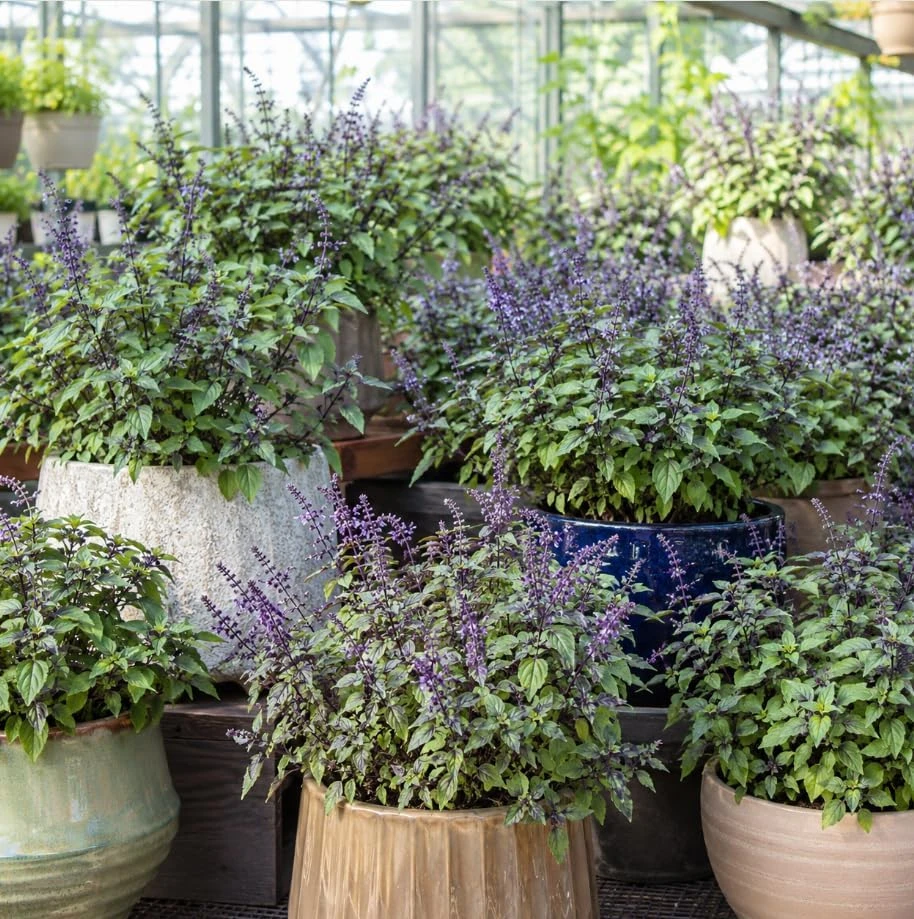
- Ornamental Value: With its dark green leaves, purple veins, and profusion of lavender flowers, this basil is not just an herb but also a beautiful ornamental plant. It adds visual interest to herb gardens, mixed borders, and container arrangements.
- Aromatic and Pest Deterrent: The strong, pleasant aroma of African Blue Basil can help deter common garden pests, making it a valuable companion plant for vegetables like tomatoes and peppers. Its fragrance also makes it a delightful addition near patios and windows.
- Low Maintenance and Resilient: This basil variety is generally easy to care for and more tolerant of various conditions than some other basil types. It’s relatively resistant to common basil diseases, providing a hassle-free gardening experience.
- Extended Harvest Season: Due to its sterile nature, the plant puts all its energy into producing foliage and flowers rather than seeds, allowing for a longer harvesting period compared to other basils that bolt quickly after flowering.
Plant Care & Growing Tips
Ensuring the success of your African Blue Basil live plant is straightforward with proper care. This resilient herb thrives in conditions that mimic its Mediterranean origins. To get the best growth and flavor, aim for a location that receives at least 6-8 hours of direct sunlight per day. While it can tolerate partial shade, full sun promotes denser foliage and more prolific flowering. If growing indoors, place it near a south-facing window or under grow lights to ensure adequate light exposure. Maintaining consistent warmth is crucial; ideal temperatures range between 65°F and 85°F. Protect your plants from frost, as they are not cold-hardy and will perish in freezing conditions.
Watering should be consistent but not excessive. African Blue Basil prefers well-draining soil and will suffer in waterlogged conditions. Water thoroughly when the top 1 inch (2-3 cm) of soil feels dry to the touch. Avoid overhead watering, which can encourage fungal diseases; instead, water at the base of the plant. A good quality potting mix with excellent drainage is ideal for container growing, while garden beds should be amended with compost to improve soil structure and fertility. Fertilize every 2-4 weeks during the growing season with a balanced liquid fertilizer, or incorporate a slow-release granular fertilizer at planting time. Regular pinching of flower stalks, unless you specifically want to encourage pollinators, will promote bushier growth and prevent the plant from becoming leggy. This also helps in maximizing leaf production for culinary use. For tips on growing African Blue Basil successfully, remember that consistent warmth, ample sunlight, and well-drained soil are key.
Pruning is essential for maintaining a healthy and productive African Blue Basil live plant. Harvest leaves regularly by pinching off the top sets of leaves and stems. This encourages branching and prevents the plant from going to seed too quickly. If you notice any signs of pests like aphids or whiteflies, use organic pest control methods such as neem oil or insecticidal soap. Providing good air circulation also helps prevent fungal issues. Understanding African Blue Basil care involves monitoring its environment and responding to its needs promptly, leading to a thriving plant that rewards you with fragrant leaves and beautiful blooms.
Size & Details
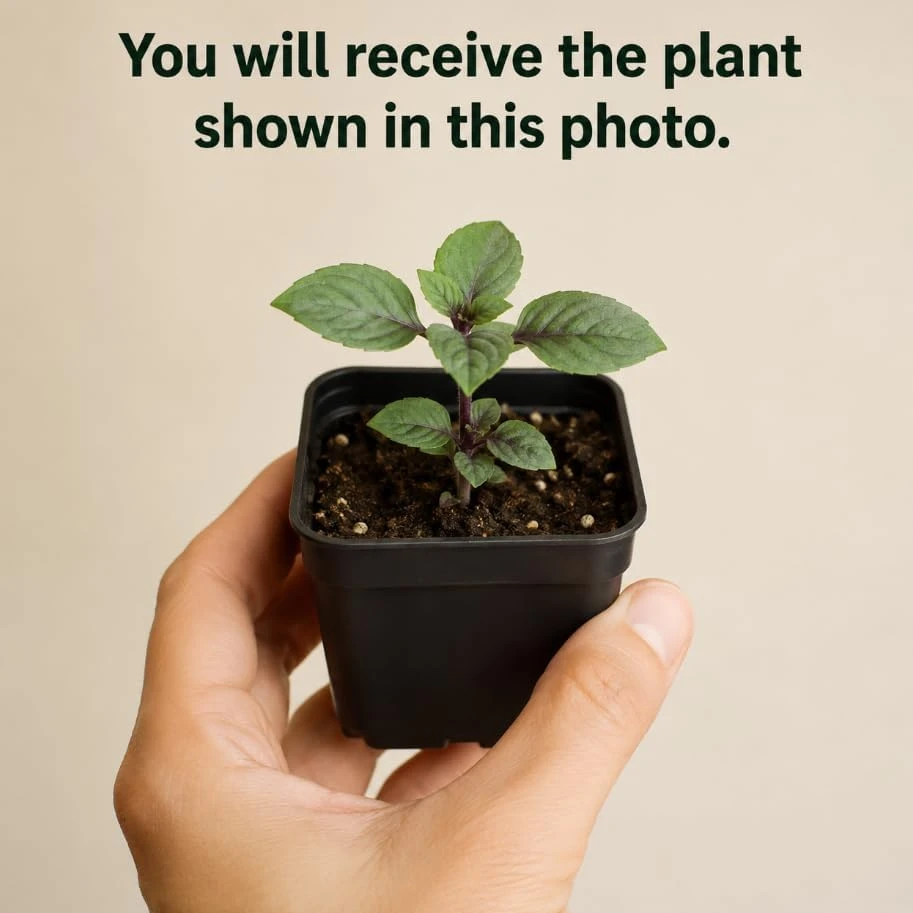
This offering includes a set of two healthy African Blue Basil live plant specimens. Each plant measures approximately 2-4 inches in height from the top of the soil, providing a robust start for your garden. They are shipped in their nursery pots with established root systems, ensuring a smooth transition to your chosen planting location. African Blue Basil is known for its vigorous growth habit; in optimal conditions, it can reach a mature size of 2-3 feet tall and equally wide, forming a bushy, attractive shrub. Its growth rate is moderate to fast, allowing you to enjoy substantial harvests within weeks of planting.
These plants are typically perennial in USDA Zones 10-11, where they can survive mild winters. In cooler climates, they are usually grown as annuals or can be overwintered indoors. The plants will arrive carefully packaged to minimize stress during transit, ready to be transplanted into larger pots or directly into your garden bed. Expect continuous blooming from summer through fall, providing nectar for pollinators and visual appeal. The unique purple veining on the leaves becomes more pronounced with ample sunlight, adding to its ornamental charm.
Frequently Asked Questions
- Q: How big does this African Blue Basil live plant get? A: In ideal conditions, African Blue Basil can grow to be quite substantial, typically reaching 2-3 feet in height and width. Regular harvesting and pruning can help manage its size and encourage bushier growth.
- Q: Is this an indoor or outdoor plant? A: African Blue Basil thrives outdoors in full sun during the warmer months. It can be grown indoors in a very bright, sunny location, such as a south-facing window, or under grow lights, especially in regions with cold winters.
- Q: How much sunlight does it need? A: For best growth and flavor, this basil requires at least 6-8 hours of direct sunlight per day. While it can tolerate some partial shade, full sun encourages dense foliage and abundant flowering.
- Q: Is this plant easy to care for? A: Yes, African Blue Basil is considered relatively easy to care for. It’s quite resilient and more tolerant than many other basil varieties, making it suitable for both beginner and experienced gardeners. Consistent watering and adequate sunlight are its main requirements.
- Q: What condition will it arrive in? A: Your African Blue Basil live plant will arrive as a set of two healthy, established young plants, each 2-4 inches tall, in their nursery pots. They are carefully packed to ensure they reach you in excellent condition, ready for planting.
- Q: Can I use African Blue Basil in cooking? A: Absolutely! African Blue Basil has a unique flavor profile with notes of camphor, mint, and pepper. It’s excellent for pestos, salads, stir-fries, and as a garnish, adding an intriguing and robust taste to your dishes. Many enjoy experimenting with its distinct flavor.
- Q: When is the best time to plant? A: The best time to plant African Blue Basil live plant outdoors is after all danger of frost has passed in spring, when nighttime temperatures consistently stay above 50°F (10°C). It can be planted indoors year-round if given sufficient light.
- Q: Will it survive winter in my zone? A: African Blue Basil is perennial in USDA Zones 10-11. In colder zones, it is typically grown as an annual. You can try overwintering it indoors in a sunny spot before the first frost.
- Q: What are the main African Blue Basil uses besides cooking? A: Beyond culinary applications, African Blue Basil is primarily valued for its ability to attract pollinators like bees and butterflies, making it a fantastic addition to any pollinator garden. Its strong aroma also helps deter some garden pests.
- Q: What kind of soil does it prefer? A: This basil prefers well-draining soil that is rich in organic matter. A good quality potting mix works well for containers, and garden soil should be amended with compost to improve drainage and fertility.
Be the first to review “African Blue Basil Live Plants – Set of 2, 2-4 Inch Tall Herb for Culinary & Garden”
Related products


You May Like

Hardneck vs. Softneck Garlic: Which Should You Grow?
Have you ever stood in front of a seed catalog in mid-September, staring at dozens [...]
Oct

When to Plant Music Garlic: Ultimate US Fall Guide
Have you ever spent your fall weekend placing carefully chosen garlic cloves into rich, dark [...]
1 Comment
Oct

5 Best Bulbs for Fall Planting: Brighten Your Garden This Spring
Are you dreaming of a garden full of vibrant colors in the spring? The key [...]
Aug

10 Houseplants That Will Thrive in Your Kitchen
Are you tired of your kitchen feeling dull and lifeless? Want to add a little [...]
1 Comment
Aug
Reviews
There are no reviews yet.