
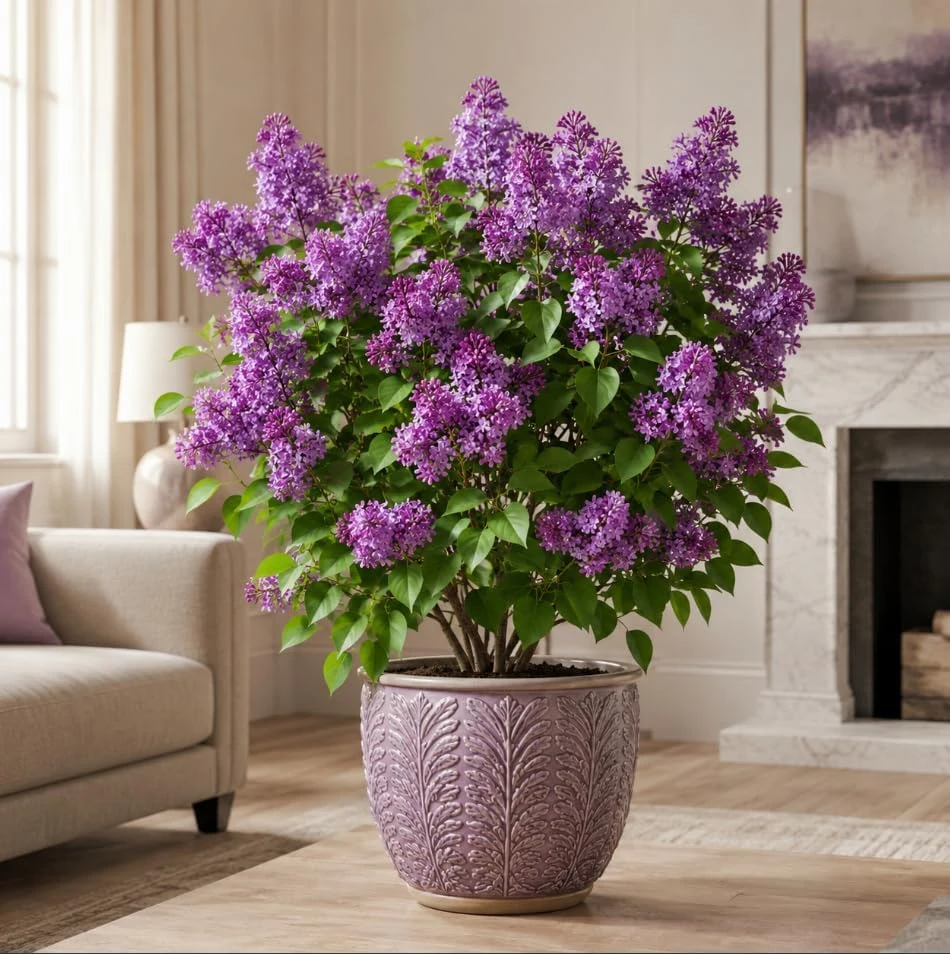
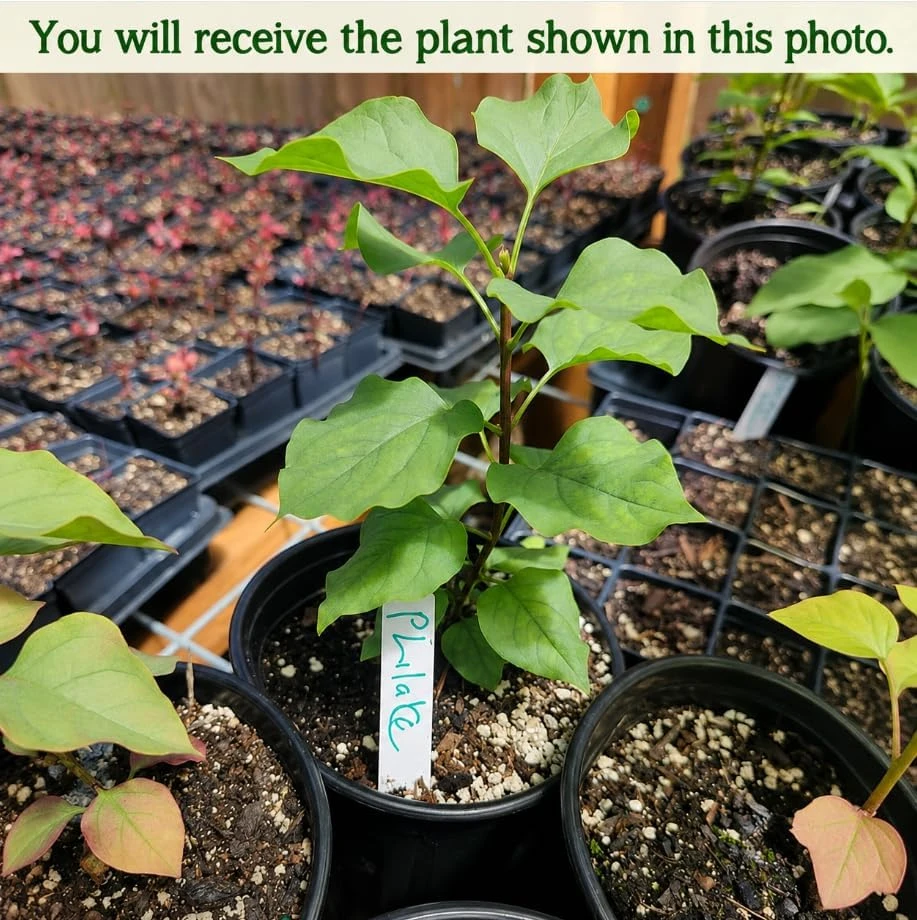
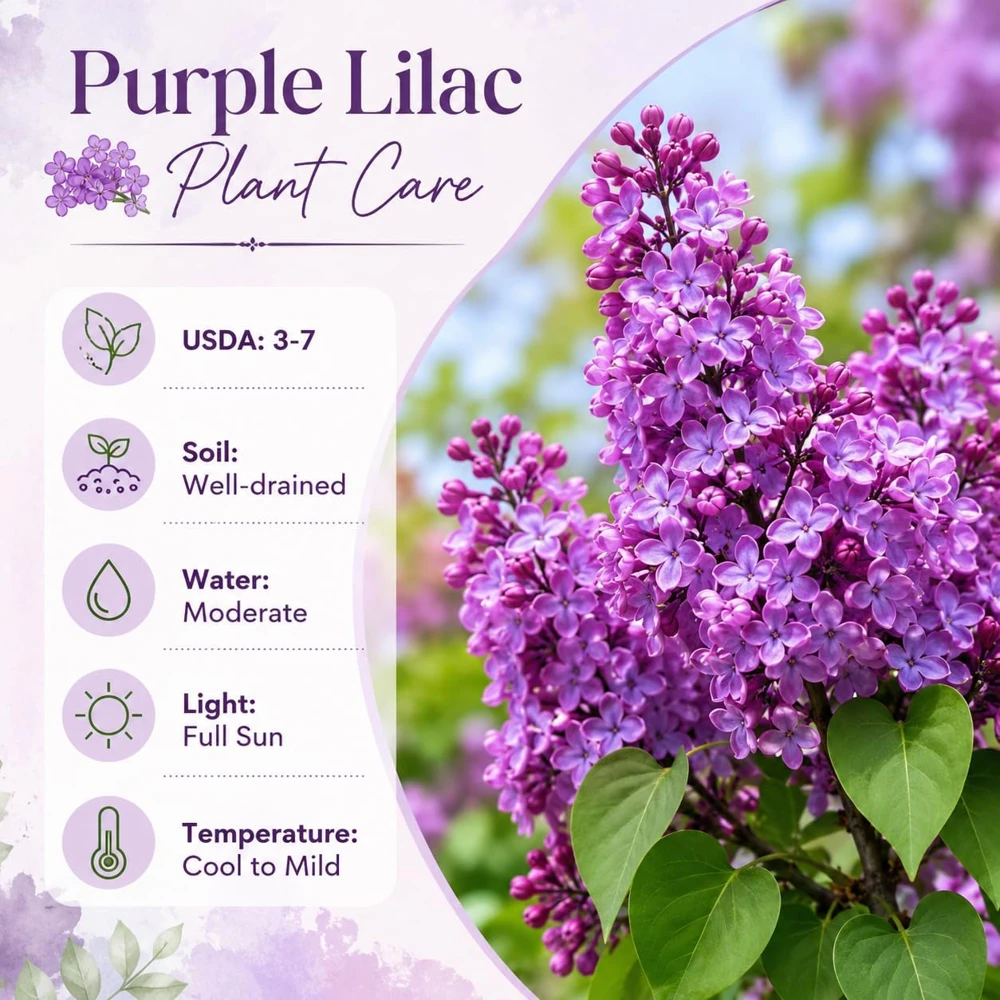
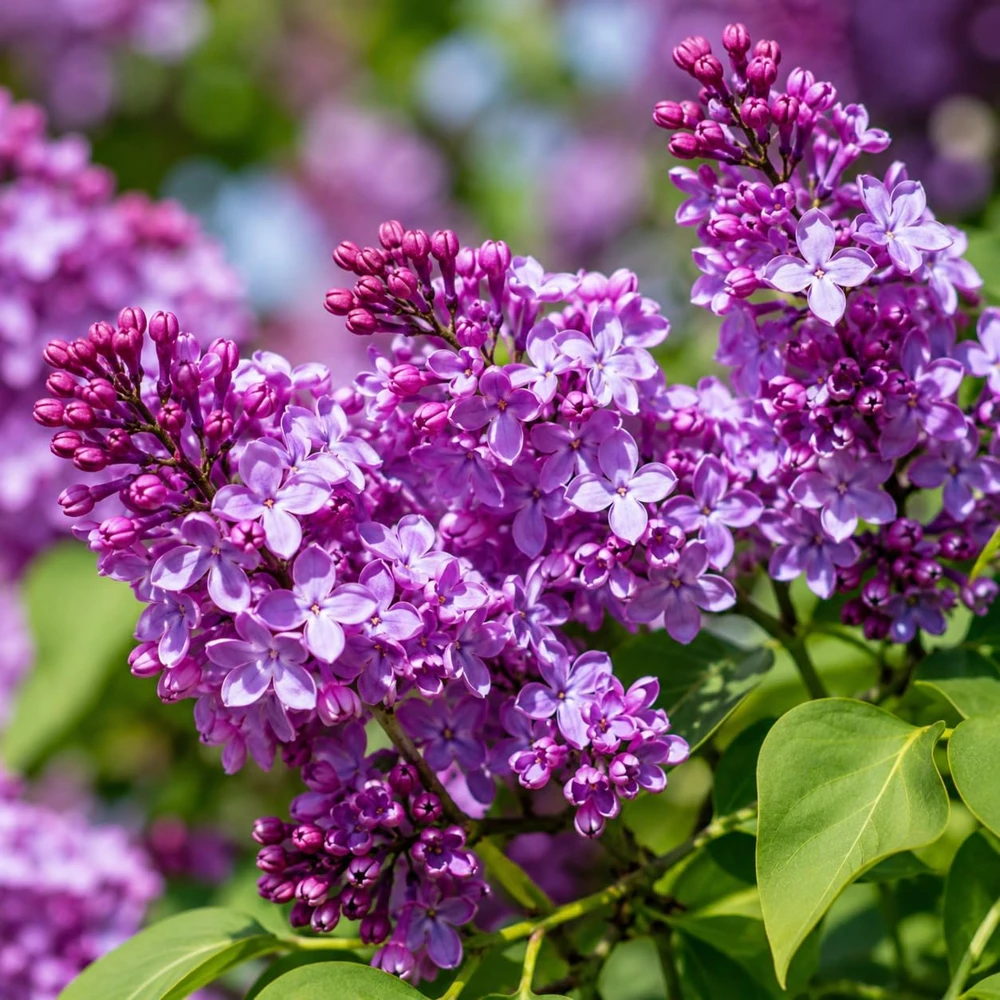
Purple Lilac Live Plant, 5-10 Inches Tall, 1 Gallon Pot, Fragrant Outdoor Shrub
Original price was: 53.99 $.33.99 $Current price is: 33.99 $.
Bring timeless beauty and intoxicating fragrance to your garden with this purple lilac live plant. Arriving 5-10 inches tall in a 1-gallon pot, this hardy shrub is ready for planting and promises stunning spring blooms. Enjoy the classic charm of a fragrant lilac plant.
Estimated arrival
Oct 17
Oct 22 - Oct 24
Oct 24 - Oct 29
See our Shipping Policy.
Get in touch with us via email, and our team will review your concerns.
Our Alive & Thrive Guarantee covers issues with your plants within the first 30 days. Read our Refund & Returns Policy.
-
USDA Hardiness Zone
3-7 -
Soil Type
Well-draining soil -
Sunlight Exposure
Full sun -
Expected Planting Period
Mid to late spring
Overview
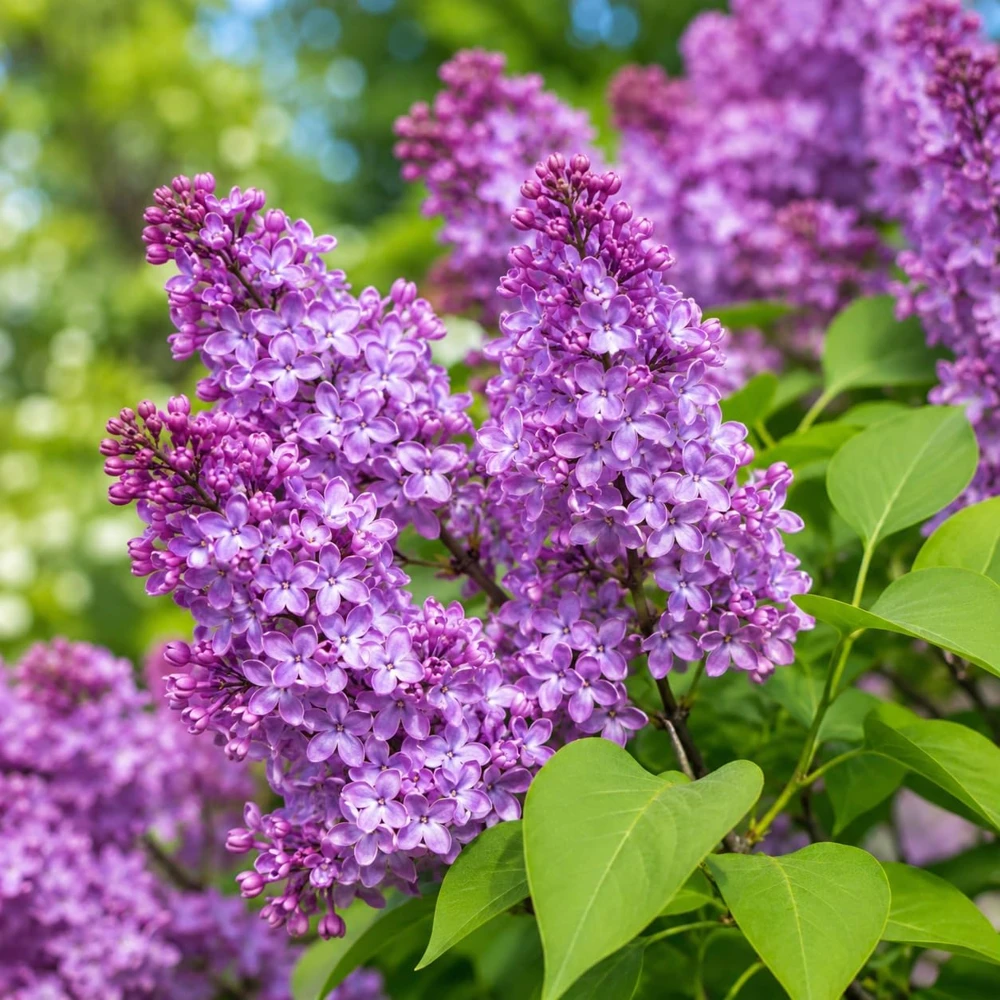
Introduce classic elegance and an unforgettable aroma to your outdoor space with this exquisite purple lilac live plant. Known for its abundant, showy clusters of highly fragrant flowers, the lilac is a beloved shrub that signifies the arrival of spring. This particular specimen arrives as a healthy, vibrant plant, measuring between 5-10 inches tall and rooted in a convenient 1-gallon nursery pot, ensuring it’s ready for immediate planting and establishment in your garden. Lilacs (Syringa vulgaris) are renowned for their hardiness and ability to thrive in a variety of climates, making them a fantastic choice for gardeners seeking both beauty and resilience. The enchanting purple hues of its blooms will create a striking visual impact, while its sweet, nostalgic scent will perfume your entire yard, attracting pollinators and delighting senses. Cultivating a purple lilac live plant is an investment in years of seasonal beauty and fragrant memories.
Key Benefits
Adding a purple lilac live plant to your landscape offers a multitude of advantages, transforming your garden into a fragrant and visually appealing sanctuary. These shrubs are not just plants; they are a statement of classic garden charm and sensory delight.
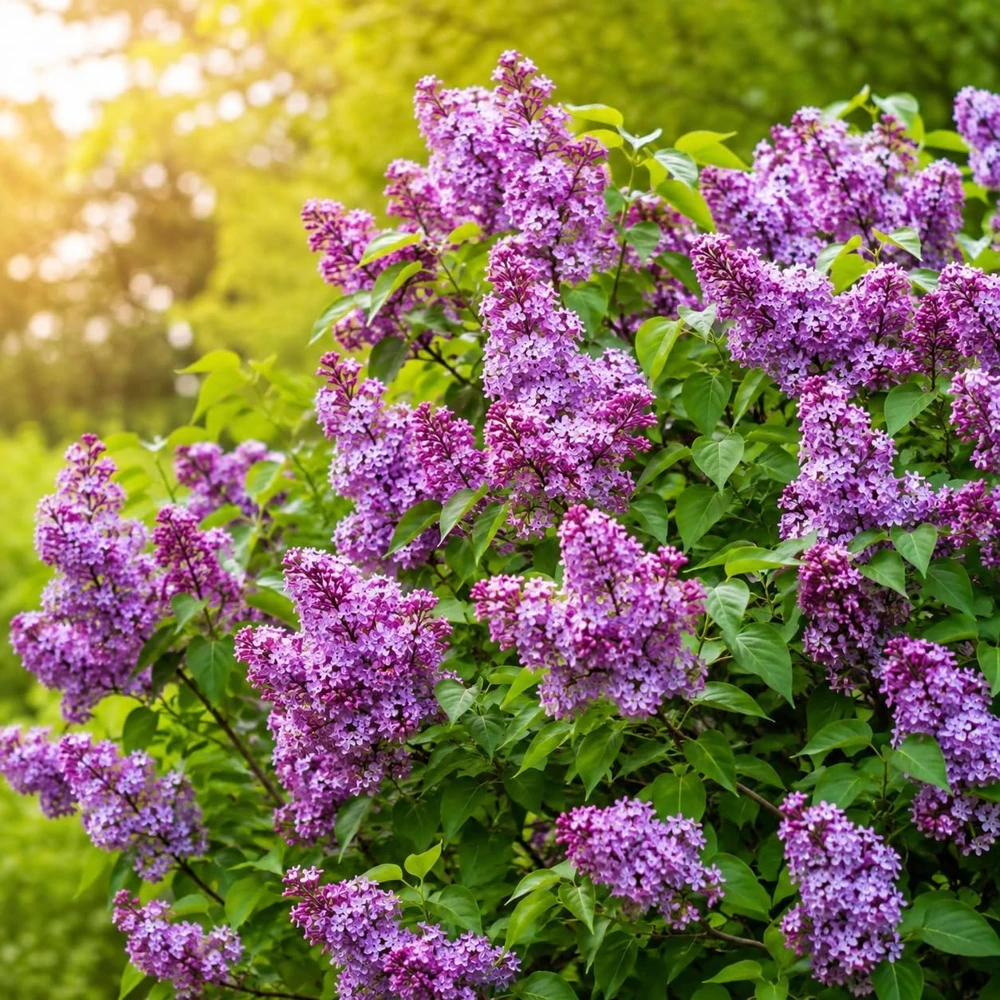
- Stunning Spring Blooms: Experience a spectacular display of rich purple flowers every mid to late spring. These dense, conical clusters provide a vibrant splash of color, signaling the end of winter and the rejuvenation of your garden.
- Intoxicating Fragrance: One of the most cherished qualities of the fragrant lilac plant is its sweet, unforgettable scent. The potent aroma will drift through your garden, creating a delightful atmosphere and making your outdoor space a true haven.
- Attracts Pollinators: The nectar-rich flowers are a magnet for bees, butterflies, and other beneficial pollinators, contributing to the biodiversity and health of your garden ecosystem.
- Hardy and Low Maintenance: Once established, lilacs are remarkably robust and require minimal care. They are tolerant of various soil conditions and climates, making them an excellent choice for both experienced and novice gardeners. This makes the lilac plant care relatively straightforward.
- Versatile Landscaping: Perfect as a specimen plant, in mixed borders, or for creating an informal hedge. Its upright growth habit and attractive foliage add structure and beauty to any garden design.
- Excellent for Cut Flowers: Bring the beauty and fragrance indoors! Lilac blooms make magnificent, long-lasting cut flower arrangements, filling your home with their delightful perfume.
- Adaptable to Many Climates: This variety is suitable for USDA Zones 3-7, demonstrating its ability to withstand cold winters and provide reliable spring flowering year after year. If you’re looking to buy lilac plant for a temperate climate, this is an ideal choice.
Plant Care & Growing Tips
Proper care ensures your purple lilac live plant thrives and produces abundant, fragrant blooms year after year. Lilacs are generally easy-going plants, but a few key practices will help them reach their full potential. They prefer a location that receives full sun, meaning at least 6 hours of direct sunlight per day. Adequate sunlight is crucial for prolific flowering; too much shade can result in fewer blooms and leggy growth. Ensure your chosen planting site has well-draining soil. While lilacs are adaptable, they do not tolerate soggy conditions, which can lead to root rot. A slightly alkaline to neutral soil pH is ideal. If your soil is heavy clay, amend it with organic matter like compost to improve drainage and aeration.
When it comes to watering, consistent moisture is important, especially during the plant’s establishment period in its first year. Water deeply and regularly until the roots are well-developed. Once established, lilacs are relatively drought-tolerant but will benefit from deep watering during extended dry spells, particularly when buds are forming and during blooming season. Fertilize your purple lilac live plant in early spring with a balanced, slow-release granular fertilizer or one formulated for flowering shrubs. Avoid over-fertilizing with high nitrogen, as this can promote leafy growth at the expense of flowers. Pruning is best done immediately after flowering to shape the plant, remove spent blooms (deadheading encourages energy to be directed to root development rather than seed production), and remove any dead, damaged, or crossing branches. This also helps maintain air circulation and prevents disease. For older, overgrown plants, a rejuvenation prune over 2-3 years can restore vigor and flowering.
This purple flowering shrub is hardy in USDA Zones 3-7, meaning it can withstand winter temperatures down to -40°F (-40°C) and thrives in temperatures between 60°F and 75°F during its active growing season. Protect young plants from harsh winter winds in colder zones. Pests and diseases are generally not a major concern for lilacs, but keep an eye out for powdery mildew in humid conditions or lilac borer. Ensuring good air circulation and appropriate watering will help prevent most issues. Regular inspection and prompt action will keep your fragrant lilac plant healthy and beautiful.
Size & Details
This purple lilac live plant is supplied ready for planting, measuring approximately 5-10 inches in height from the top of the soil in its container. It comes securely rooted in a 1-gallon nursery pot, providing a robust root system that will facilitate successful transplanting and establishment in your garden. Lilacs are known for their moderate to fast growth rate, and with proper care, this young shrub will quickly mature into a substantial specimen. Mature lilac plants typically reach heights of 8-15 feet and spreads of 6-12 feet, depending on the variety and growing conditions. Expect your plant to begin producing its characteristic fragrant blooms in mid to late spring, usually within a year or two of planting, with increasing abundance as it ages. This purple flowering shrub will grow into a magnificent focal point or an integral part of a mixed border.
Frequently Asked Questions
- Q: How big does this purple lilac live plant get? A: This plant arrives 5-10 inches tall in a 1-gallon pot. With proper care, mature lilac plants can typically reach heights of 8-15 feet and spreads of 6-12 feet, offering a substantial presence in your garden.
- Q: Is this an indoor or outdoor plant? A: This purple lilac live plant is an outdoor shrub. It requires full sun exposure and the natural seasonal changes to thrive and produce its beautiful fragrant blooms.
- Q: How much sunlight does a fragrant lilac plant need? A: Lilacs require at least 6 hours of direct sunlight per day to produce the most abundant and vibrant flowers. Planting in a full sun location is crucial for optimal growth and blooming.
- Q: Is this plant easy to care for? A: Yes, lilacs are generally considered easy to care for, especially once established. They are hardy and drought-tolerant, making lilac plant care relatively straightforward for most gardeners.
- Q: What condition will it arrive in? A: Your purple lilac live plant will arrive as a healthy, actively growing plant, well-rooted in a 1-gallon nursery pot, ready for planting. We take great care in packaging to ensure its safe journey.
- Q: When is the best time to plant a purple flowering shrub? A: The best times to plant lilacs are in early spring or early fall. This allows the plant sufficient time to establish its root system before the stress of summer heat or winter cold.
- Q: Will this lilac survive winter in my zone? A: This lilac variety is hardy in USDA Zones 3-7. If your location falls within these zones, your plant should successfully overwinter and return with beautiful blooms each spring.
- Q: What kind of soil does a lilac prefer? A: Lilacs thrive in well-draining soil. They are adaptable to various soil types but prefer a slightly alkaline to neutral pH. Amending heavy clay soils with organic matter will greatly benefit its growth.
- Q: How long until this purple lilac live plant blooms? A: This young lilac may produce some blooms in its first year, but you can expect more prolific flowering in its second year and beyond as it establishes and matures.
- Q: Can I grow this fragrant lilac plant in a container? A: While lilacs can be grown in large containers when young, they are ultimately large shrubs that prefer to be planted directly in the ground for optimal growth and longevity. If container growing, choose a very large pot and be prepared for more frequent watering and feeding.
Be the first to review “Purple Lilac Live Plant, 5-10 Inches Tall, 1 Gallon Pot, Fragrant Outdoor Shrub”
Related products


You May Like

Hardneck vs. Softneck Garlic: Which Should You Grow?
Have you ever stood in front of a seed catalog in mid-September, staring at dozens [...]
Oct

When to Plant Music Garlic: Ultimate US Fall Guide
Have you ever spent your fall weekend placing carefully chosen garlic cloves into rich, dark [...]
1 Comment
Oct

5 Best Bulbs for Fall Planting: Brighten Your Garden This Spring
Are you dreaming of a garden full of vibrant colors in the spring? The key [...]
Aug

10 Houseplants That Will Thrive in Your Kitchen
Are you tired of your kitchen feeling dull and lifeless? Want to add a little [...]
1 Comment
Aug
Reviews
There are no reviews yet.