
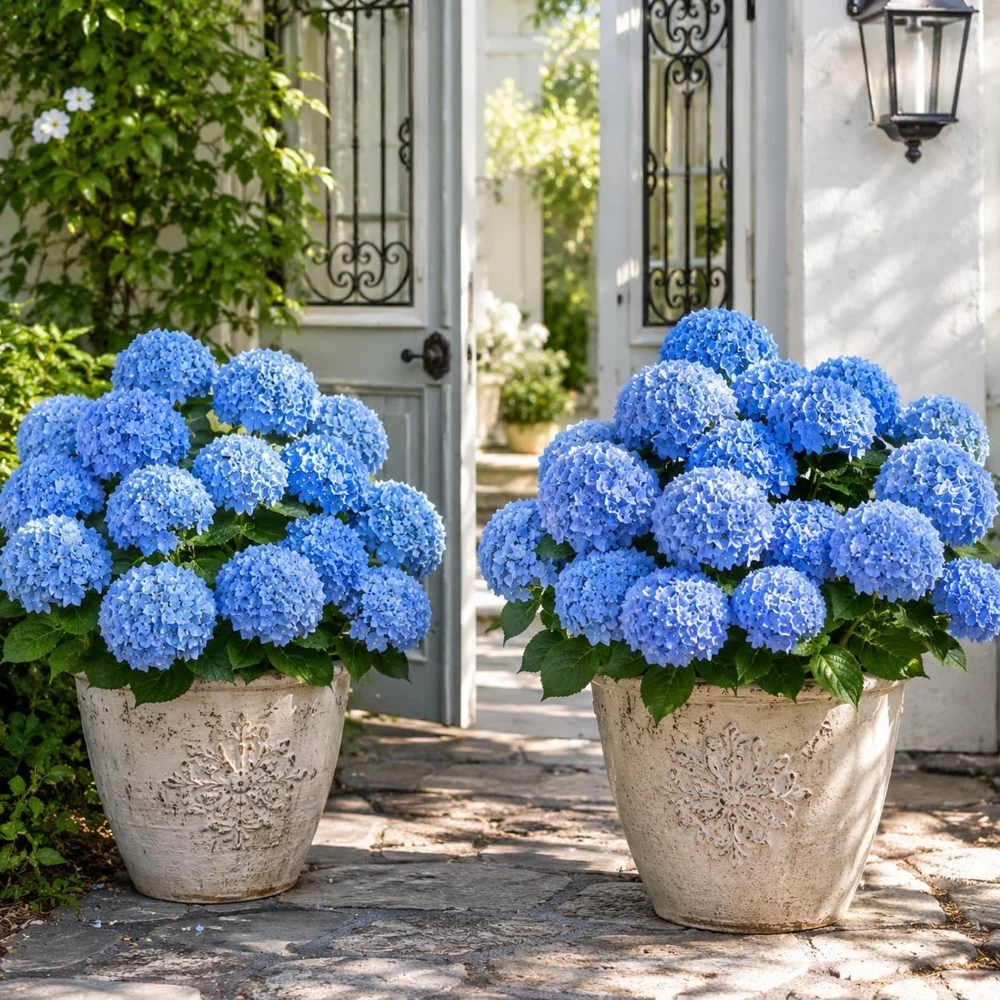
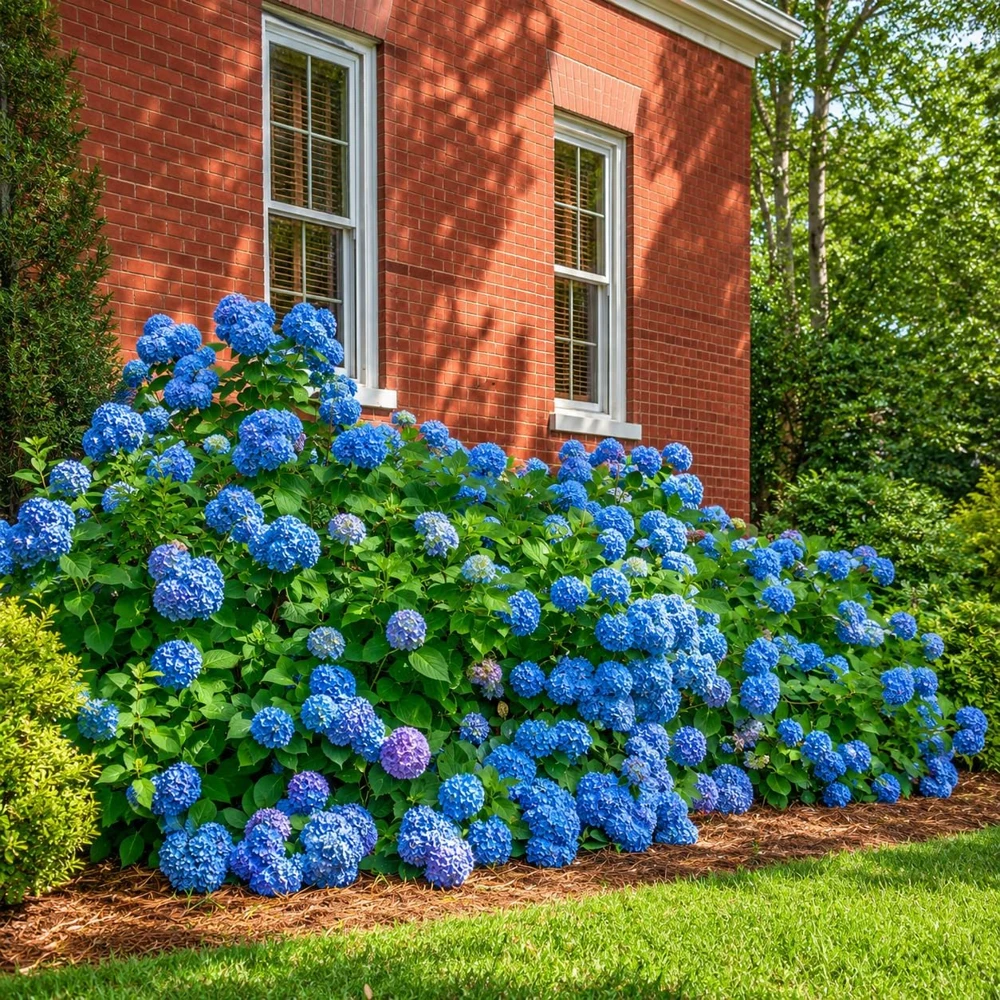
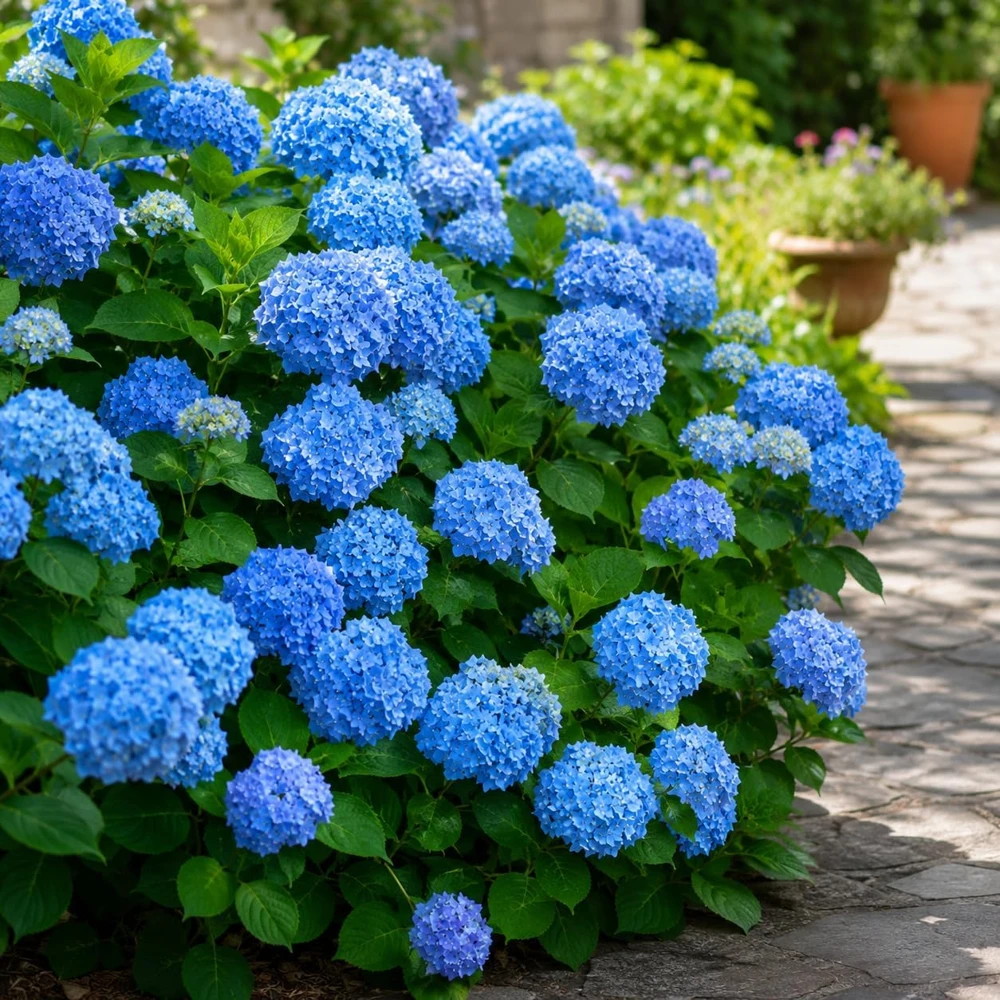
Blue Hydrangea Live Plants – Set of 2, 2.5 Inch Pot, Outdoor Perennial Shrub
Original price was: 47.99 $.27.99 $Current price is: 27.99 $.
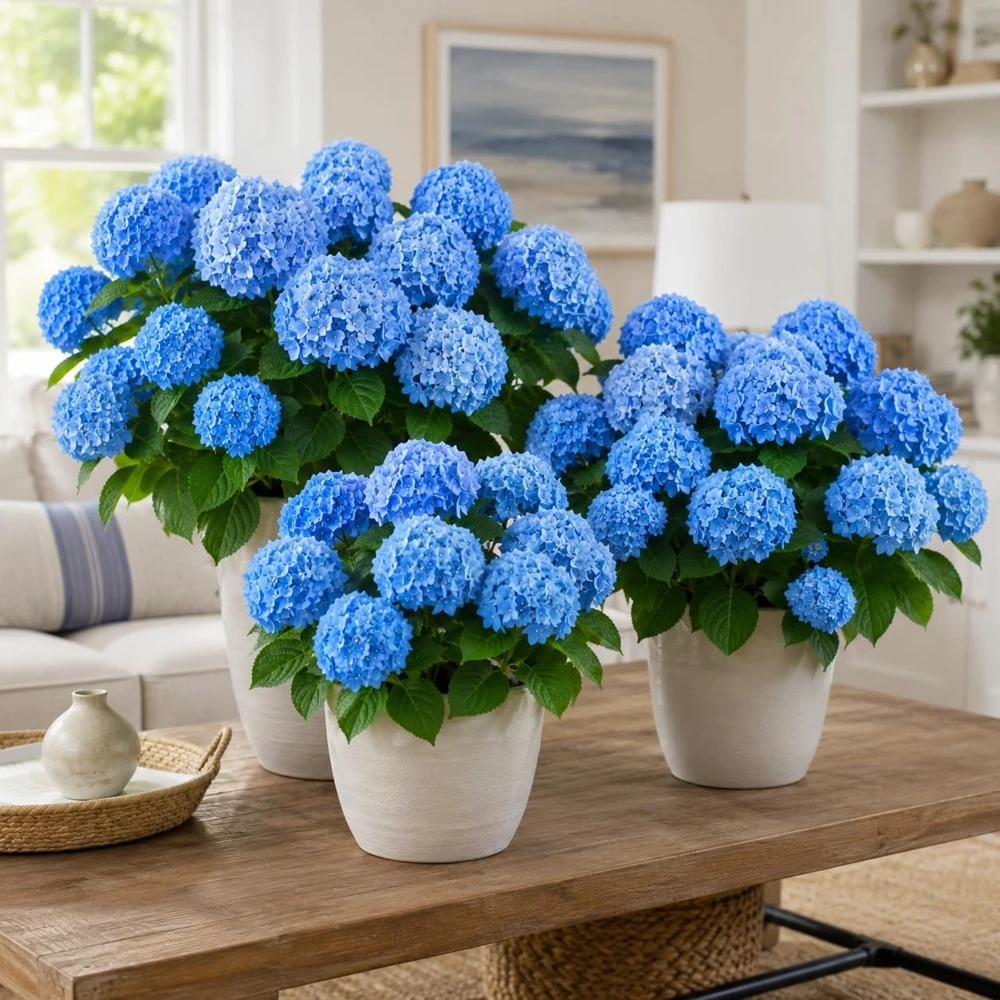
Transform your outdoor space with this set of two blue hydrangea live plant. These vibrant perennial shrubs offer stunning blue flowers from late spring to summer, ideal for garden planting and thriving in USDA Zones 5–9.
Estimated arrival
Oct 17
Oct 22 - Oct 24
Oct 24 - Oct 29
See our Shipping Policy.
Get in touch with us via email, and our team will review your concerns.
Our Alive & Thrive Guarantee covers issues with your plants within the first 30 days. Read our Refund & Returns Policy.
-
USDA Hardiness Zone
5–9 -
Soil Type
Well-draining soil -
Sunlight Exposure
Morning sun with afternoon shade -
Expected Planting Period
Spring to early summer
Overview
Introduce breathtaking color to your garden with this set of two blue hydrangea live plant. These magnificent flowering bushes are a gardener’s delight, known for their large, showy blooms that can transform any landscape. Perfect for creating stunning borders, accentuating garden beds, or adding a splash of vibrant blue to your patio containers, these hydrangeas are a versatile and rewarding choice. As a perennial plant, they will return year after year, offering reliable beauty and charm. Each plant arrives in a 2.5-inch pot, ready for planting and eager to establish itself in your outdoor space. While they may appear dormant in winter, this is a natural phase for these resilient shrubs, preparing for an explosion of color in the warmer months. Enjoy the enduring elegance and impressive floral display these blue hydrangea live plant specimens bring to your home.
These beautiful plants are a popular choice for their robust growth and ability to produce abundant blossoms. The vibrant blue hue is particularly striking and can be a focal point in any garden design. They are well-suited for a variety of garden styles, from cottage gardens to more formal landscapes, providing a classic and sophisticated touch. Their ease of care makes them a favorite among both seasoned gardeners and those new to the hobby, promising a rewarding experience as you watch them flourish.
Key Benefits
Cultivating a blue hydrangea live plant offers numerous advantages, enhancing both the aesthetic and ecological value of your garden. These shrubs are not just beautiful; they are also a joy to grow and maintain.
- Stunning Visual Appeal: Enjoy large, captivating blue flower clusters that provide a dramatic and elegant focal point in any garden setting. The rich coloration adds depth and vibrancy to your landscape design.
- Long Blooming Season: These hydrangeas typically bloom from late spring through summer, ensuring a prolonged period of continuous color and beauty in your outdoor space.
- Perennial Reliability: As perennial plants, they return each year, growing larger and more established with time, providing consistent beauty without the need for annual replanting.
- Versatile Landscaping: Ideal for mass plantings, hedges, foundation plantings, or as stand-alone specimens, they adapt well to various garden roles, enhancing curb appeal.
- Attracts Pollinators: While primarily known for their ornamental value, the blooms can attract beneficial pollinators like bees and butterflies, contributing to garden biodiversity.
- Relatively Low Maintenance: Once established, blue hydrangea care is straightforward, requiring consistent watering and occasional pruning to maintain shape and encourage blooming.
- Dormancy for Resilience: Their natural dormancy in winter ensures they are hardy and well-prepared to thrive and burst into spectacular bloom come spring, making them a resilient choice for many climates.
Plant Care & Growing Tips
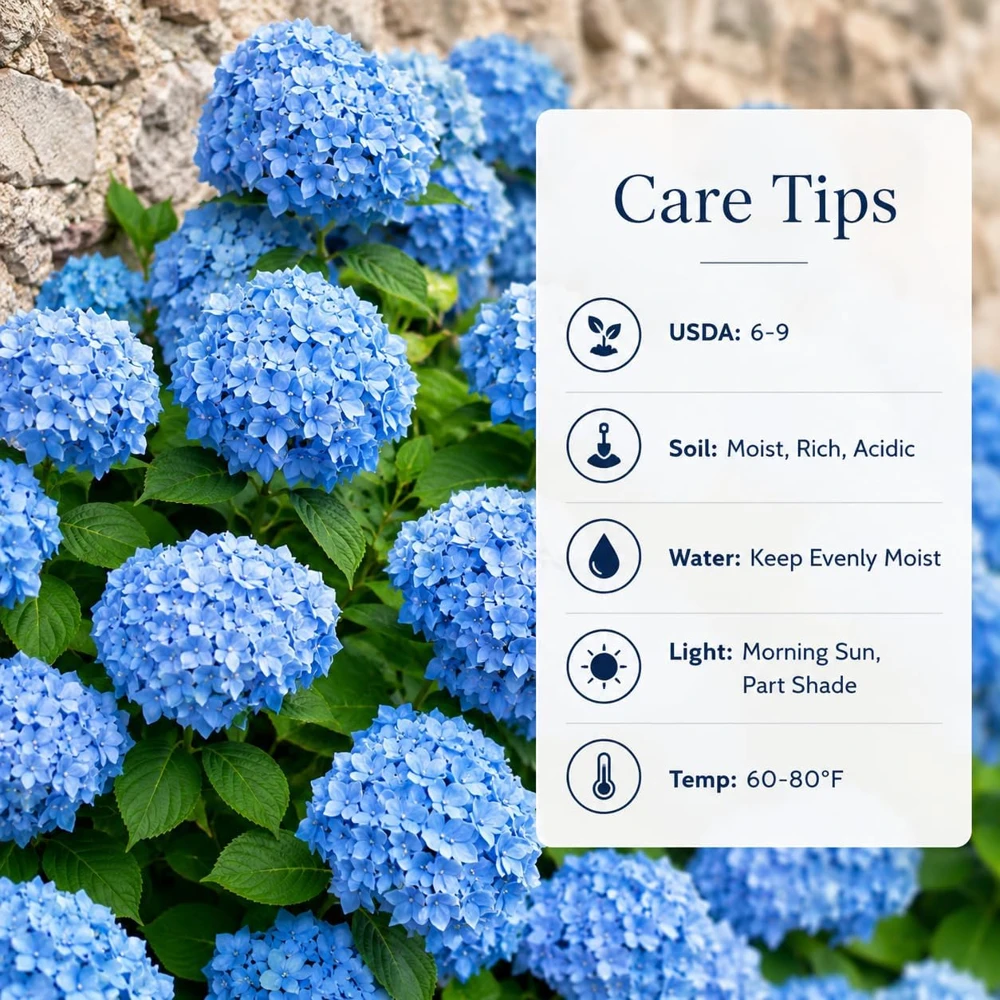
Proper blue hydrangea care is essential for ensuring your plants thrive and produce abundant, vibrant blooms. These outdoor perennial shrubs prefer specific conditions to reach their full potential. They are best suited for USDA Zones 5–9, indicating their resilience to a range of temperatures. When it comes to light, hydrangeas generally prefer morning sun with afternoon shade. This protects their delicate blooms and foliage from the intense heat of the midday sun, which can cause wilting or scorching. Insufficient light, however, can result in fewer flowers, so finding the right balance is key for a healthy outdoor hydrangea plant.
Soil and water are critical components of successful hydrangea cultivation. These plants thrive in well-draining soil that is rich in organic matter. Avoid heavy, compacted soils that retain too much water, as this can lead to root rot. During hot or dry weather, water deeply 1–2 times per week, ensuring the soil remains consistently moist but not waterlogged. Young plants will require more frequent watering until their root systems are well-established. Fertilize in early spring with a slow-release granular fertilizer formulated for flowering shrubs, or use a product designed to enhance blue color, which often contains aluminum sulfate. Pruning should generally be done after flowering, removing spent blooms and any dead or weak stems to encourage new growth and maintain a desirable shape. Understanding the specific needs of your perennial blue hydrangea will lead to a more rewarding gardening experience.
For maintaining the vibrant blue color, the soil pH plays a significant role. Acidic soil (pH 5.0-5.5) helps hydrangeas produce blue flowers, while alkaline soil tends to result in pink flowers. You can amend your soil with elemental sulfur or aluminum sulfate to lower the pH, or use a specialized blueing formula. Conversely, if you prefer pink blooms, you can raise the pH with garden lime. Protection during winter, especially in the colder zones of their range, can involve mulching around the base of the plant to insulate the roots. This simple step can greatly aid in the plant’s survival and subsequent vigorous growth in spring, making your hydrangea planting guide complete.
Size & Details
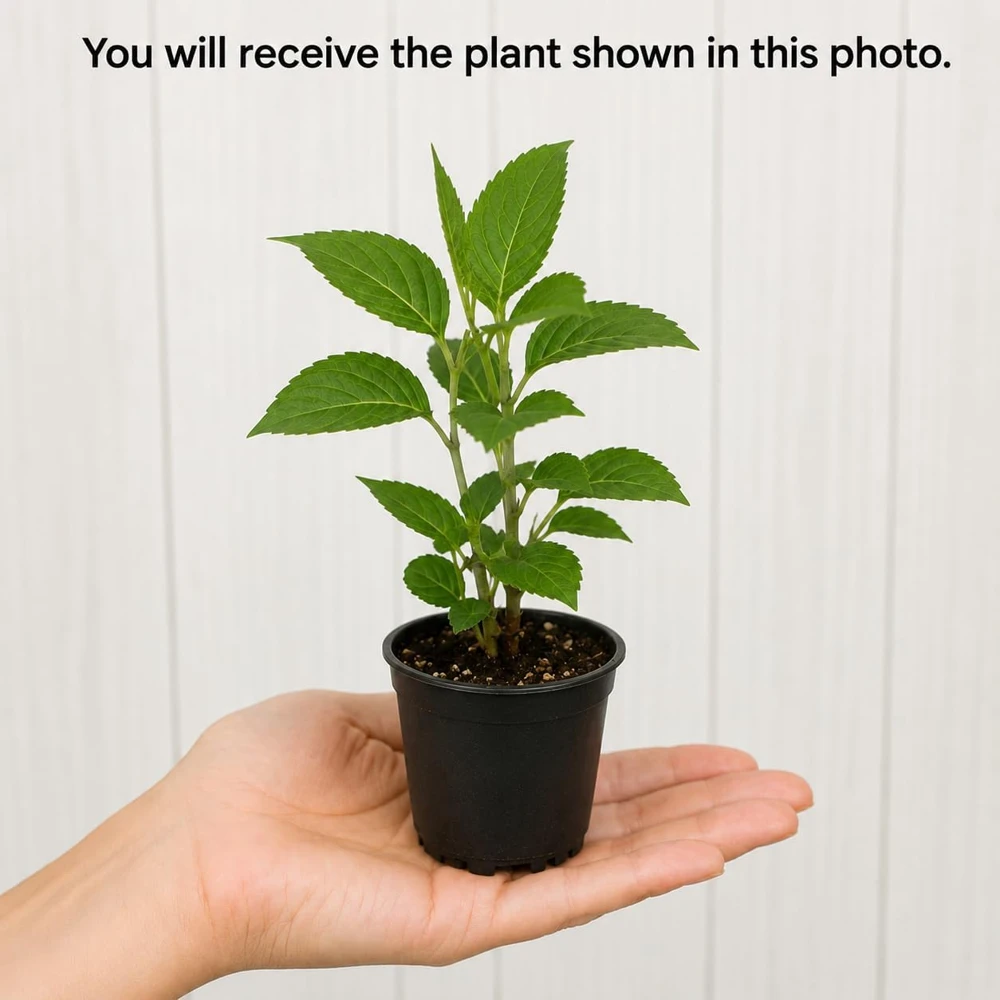
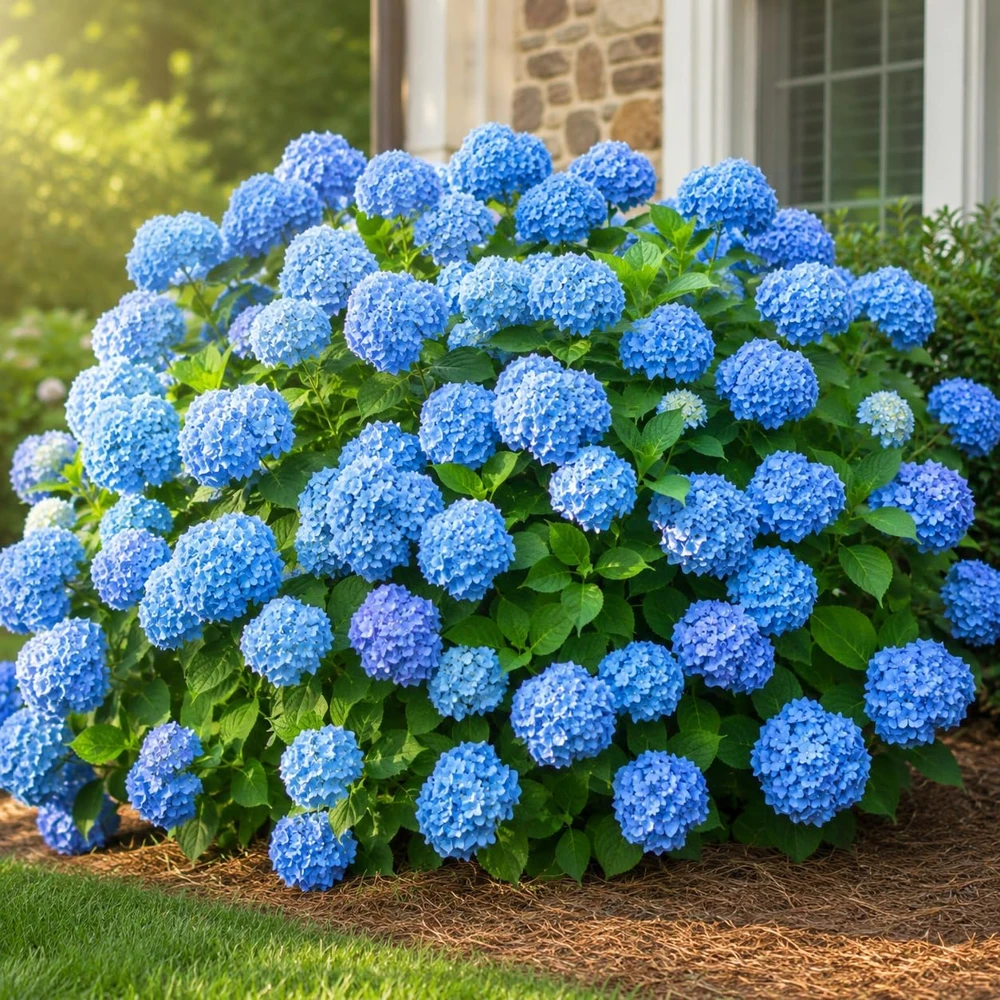
This offering includes a set of two blue hydrangea live plant specimens, each carefully grown in a 2.5-inch nursery pot. At the time of shipping, the plants will be young and well-rooted, ready for transplanting into your garden or larger containers. While their exact height will vary upon arrival, they are typically sized to establish quickly once planted. These hydrangeas are known for their moderate to fast growth rate, eventually reaching a mature size of approximately 3 to 5 feet tall and wide, depending on growing conditions and pruning practices. They are shipped in their dormant state during colder months, which is completely normal and healthy, ensuring they are well-prepared for robust spring growth.
Expected blooming time for these perennial blue hydrangea plants is from late spring through summer, with the first significant flush of flowers typically appearing in their second growing season after planting. The final size and bloom intensity will be influenced by factors such as sunlight, soil quality, and consistent watering. These plants are ideal for creating a lasting impact in your landscape, providing years of beautiful blue blossoms.
Frequently Asked Questions
- Q: How big does this blue hydrangea live plant get? A: These hydrangeas typically grow to a mature size of about 3 to 5 feet tall and wide. Their final size can depend on your local growing conditions, climate, and how they are pruned throughout the season.
- Q: What size pot does it come in? A: Each plant in this set comes in a 2.5-inch nursery pot. This size is ideal for ensuring the plant has a strong root system ready for transplanting into your garden or a larger container.
- Q: Is this an indoor or outdoor plant? A: This is an outdoor hydrangea plant. It is a perennial shrub well-suited for garden beds, borders, and outdoor containers in USDA Zones 5–9, where it can thrive and bloom year after year.
- Q: How much sunlight does it need? A: These hydrangeas prefer morning sun with afternoon shade. This light exposure protects them from the harsh midday sun while still providing enough light for robust growth and abundant flowering.
- Q: Is this plant easy to care for? A: Yes, with the right conditions, blue hydrangea care is relatively straightforward. They require well-draining soil, consistent moisture, and appropriate light exposure. Occasional feeding and pruning will help them flourish.
- Q: What condition will it arrive in? A: Your plants will arrive well-packaged and healthy, ready for planting. If ordered during colder months, they may be dormant, which is a natural and healthy state for these perennial shrubs.
- Q: How long until it blooms? A: While some blooms may appear in the first season, these hydrangeas typically produce their most prolific and stunning blue flowers starting from their second growing season after planting, continuing through late spring to summer.
- Q: Will it survive winter in my zone? A: This perennial blue hydrangea is hardy in USDA Zones 5–9. In colder parts of this range, mulching around the base can provide extra protection for the roots during winter.
- Q: Do I need a special hydrangea planting guide to ensure blue flowers? A: To maintain blue flowers, your soil generally needs to be acidic (pH 5.0-5.5). You can achieve this by amending the soil with aluminum sulfate or elemental sulfur, or by using specific fertilizers designed for blue hydrangeas.
- Q: When is the best time to plant these hydrangeas? A: The best times for planting are typically in the spring after the last frost or in early fall. This allows the plants to establish their root systems before extreme summer heat or winter cold.
Be the first to review “Blue Hydrangea Live Plants – Set of 2, 2.5 Inch Pot, Outdoor Perennial Shrub”
Related products


You May Like

Hardneck vs. Softneck Garlic: Which Should You Grow?
Have you ever stood in front of a seed catalog in mid-September, staring at dozens [...]
Oct

When to Plant Music Garlic: Ultimate US Fall Guide
Have you ever spent your fall weekend placing carefully chosen garlic cloves into rich, dark [...]
1 Comment
Oct

5 Best Bulbs for Fall Planting: Brighten Your Garden This Spring
Are you dreaming of a garden full of vibrant colors in the spring? The key [...]
Aug

10 Houseplants That Will Thrive in Your Kitchen
Are you tired of your kitchen feeling dull and lifeless? Want to add a little [...]
1 Comment
Aug
Reviews
There are no reviews yet.