
Moringa Oleifera Live Plants – 2 Pack Drumstick Tree Seedlings 3-5 Inches Tall – Easy Care Tropical Outdoor Tree
Original price was: 36.98 $.16.98 $Current price is: 16.98 $.
Cultivate your own superfood with this 2-pack of Moringa Oleifera live plant seedlings. These 3-5 inch tall drumstick tree seedlings are easy to grow and perfect for adding a tropical, edible element to your outdoor garden or patio. Enjoy fresh moringa leaves for their exceptional nutritional benefits.
Estimated arrival
Oct 16
Oct 21 - Oct 23
Oct 23 - Oct 28
See our Shipping Policy.
Get in touch with us via email, and our team will review your concerns.
Our Alive & Thrive Guarantee covers issues with your plants within the first 30 days. Read our Refund & Returns Policy.
-
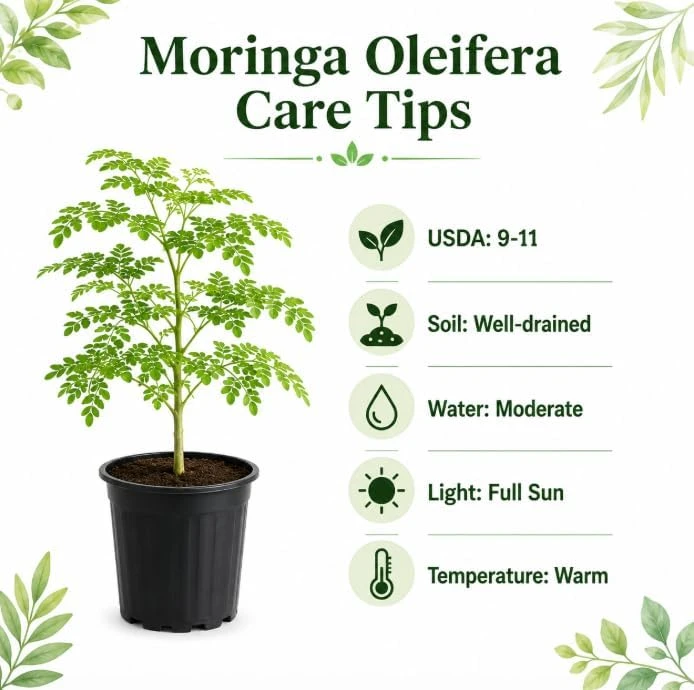
USDA Hardiness Zone
USDA Zones 9 to 11 -
Soil Type
Well-draining sandy or loamy soil -
Sunlight Exposure
Full sun (at least 6-8 hours daily) -
Expected Planting Period
Spring to early summer (outdoors), Year-round (indoors)
Overview
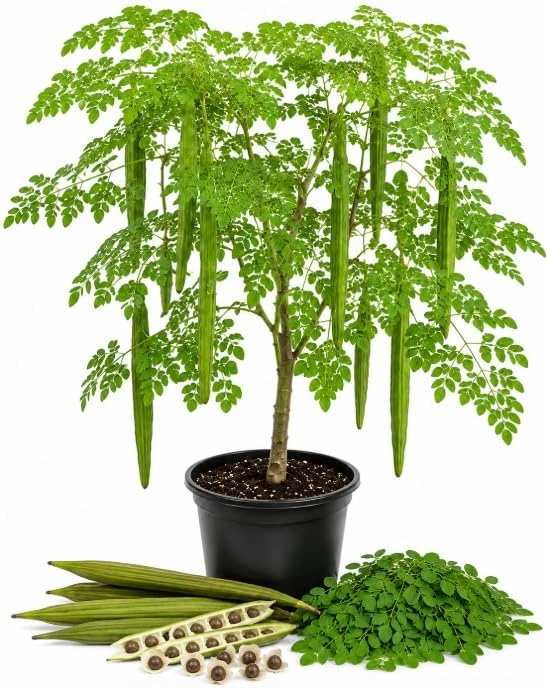
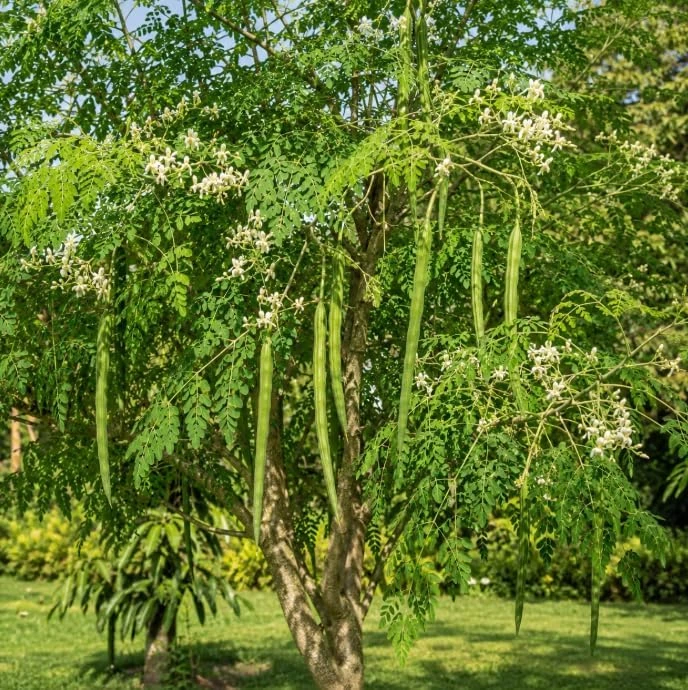
Bring the incredible health benefits of the “Miracle Tree” to your home with our Moringa Oleifera live plant offering. This package includes two healthy Moringa Oleifera live plant seedlings, each standing 3-5 inches tall, ready to thrive in your garden or patio. Known scientifically as Moringa oleifera, this fast-growing, drought-resistant tree is native to India and Africa and is celebrated worldwide for its highly nutritious leaves, pods, and flowers. Often referred to as the drumstick tree seedlings due to its long, slender seed pods, moringa is a versatile tropical plant that can provide a continuous harvest of nutrient-dense greens. Whether you’re looking to enhance your diet with a superfood or simply enjoy growing unique tropical plants, these young moringa trees are an excellent choice for gardeners in suitable climates.
Our Moringa Oleifera live plant seedlings are carefully nurtured to ensure they arrive healthy and ready for planting. These young trees are perfect for those who want to grow moringa tree from a manageable size, allowing you to watch them flourish and adapt to your growing environment. With proper care, these robust seedlings will quickly establish themselves, providing you with fresh moringa leaves rich in vitamins, minerals, and antioxidants. Embrace sustainable living and enhance your well-being by cultivating your very own miracle trees.
Key Benefits
Growing your own Moringa Oleifera live plant offers a multitude of advantages, from nutritional enrichment to garden aesthetics. These plants are not only beautiful but also incredibly beneficial for health and culinary uses.
- Exceptional Nutritional Value: Moringa leaves are packed with vitamins (A, C, E, K, B vitamins), minerals (calcium, iron, potassium), and protein, making them a powerful superfood. Incorporating fresh leaves from your Moringa Oleifera live plant into your diet can boost overall health.
- Fast Growing and Productive: These trees grow rapidly, especially in warm climates, allowing for frequent harvests of young, tender leaves. You can enjoy a continuous supply of fresh moringa for your culinary needs.
- Versatile Culinary Use: The leaves can be used fresh in salads, smoothies, stir-fries, or dried and powdered for nutritional supplements. The young pods, often called drumsticks, are also edible when cooked, offering a unique flavor.
- Drought Tolerant: Once established, the drumstick tree seedlings are remarkably drought-resistant, making them suitable for water-wise gardening in appropriate zones.
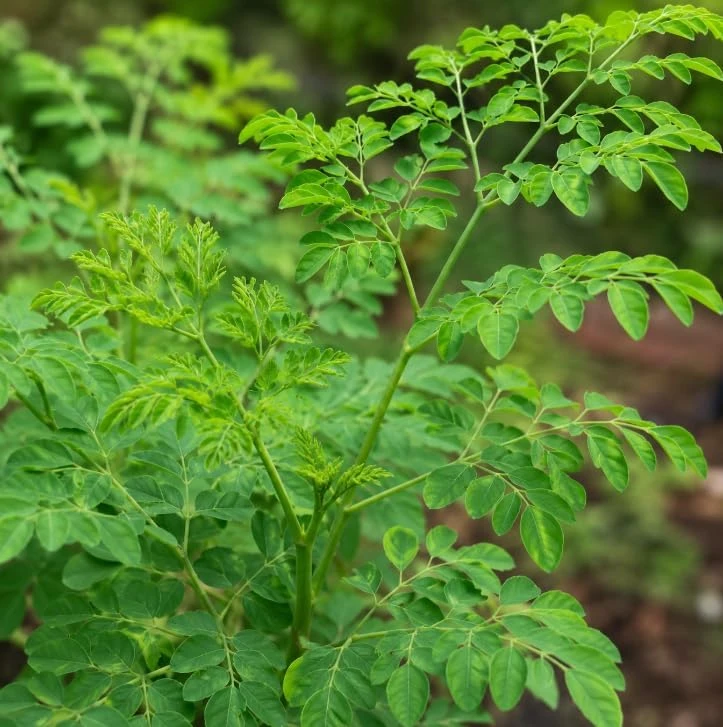
- Ornamental Appeal: With their delicate, pinnate leaves and attractive form, moringa trees add a touch of tropical elegance to any garden or patio.
- Easy to Care For: Moringa is known for its resilience and adaptability, making moringa plant care relatively straightforward for both novice and experienced gardeners.
- Supports Wellness: Regular consumption of moringa is associated with numerous health benefits, including antioxidant properties and support for overall vitality.
Plant Care & Growing Tips
Caring for your Moringa Oleifera live plant is straightforward, making it an excellent choice for gardeners looking for a low-maintenance yet highly rewarding tropical tree. These plants thrive in specific conditions that mimic their native environments. For successful growth, ensure your moringa receives plenty of sunlight. It prefers full sun, meaning at least 6-8 hours of direct sunlight daily. In hotter climates, some afternoon shade can be beneficial to prevent leaf scorch, but generally, more sun equals more vigorous growth. Ideal temperatures for moringa range between 70°F and 95°F (21°C and 35°C). It is sensitive to frost and will not survive freezing temperatures, making it suitable for USDA Zones 9 to 11 for outdoor planting. In colder zones, it can be grown in pots and brought indoors during winter or treated as an annual.
When it comes to watering, young drumstick tree seedlings need consistent moisture to establish their root systems. Water regularly, ensuring the soil remains moist but not waterlogged. Once established, moringa becomes quite drought-tolerant, but regular watering during dry spells will promote better leaf production. The key to successful moringa plant care lies in well-draining soil. Sandy or loamy soil is ideal, as it prevents water from sitting around the roots, which can lead to root rot. Avoid heavy clay soils. Fertilization can be done every few months with a balanced organic fertilizer to encourage lush growth. Pruning is also important; regular trimming helps maintain a manageable size, encourages bushier growth, and stimulates new leaf production, making harvesting easier. This also helps you to grow moringa tree in a shape that suits your garden.
Common problems are rare for moringa, as it’s quite resilient. However, watch out for common garden pests like aphids or spider mites, especially if growing indoors. A strong spray of water or neem oil can usually manage these. Yellowing leaves can indicate overwatering or nutrient deficiency. Adjust watering habits and consider a balanced fertilizer. With these simple tips, your Moringa Oleifera live plant will flourish, providing you with a continuous supply of nutritious leaves.
Size & Details
This offering includes two individual Moringa Oleifera live plant seedlings, each standing approximately 3-5 inches tall from the base of the soil to the tip of the highest leaf. These young plants are shipped in their nursery pots with soil, ensuring minimal transplant shock and healthy arrival. At this stage, they are perfect for acclimating to your garden or patio environment. Moringa trees are known for their rapid growth rate; under optimal conditions, they can grow several feet in their first year. When mature, moringa can reach heights of 15-30 feet, though it is commonly pruned to a more manageable 6-10 feet for easier harvesting of leaves and pods.
The plants are currently in a seedling stage, with a slender stem and a few delicate leaves. They are ready to be potted up into larger containers or transplanted directly into the ground (in appropriate USDA zones) upon arrival. Expect these drumstick tree seedlings to quickly develop a stronger root system and more foliage with proper care. While they are small now, these robust young trees have the potential to become highly productive additions to your edible landscape, providing fresh leaves for many years. The exact width will vary based on the number of leaves but typically remains compact at this young size.
Frequently Asked Questions
- Q: How big will this Moringa Oleifera live plant get? A: While shipped at 3-5 inches tall, moringa trees can grow quite large, reaching 15-30 feet if left unpruned. Most gardeners prune them regularly to keep them at a more manageable height of 6-10 feet for easier harvesting.
- Q: Is this an indoor or outdoor plant? A: Moringa is a tropical tree best grown outdoors in USDA Zones 9-11 where there is no frost. In colder climates, it can be grown in a large pot and brought indoors during winter, or treated as an annual.
- Q: How much sunlight does my drumstick tree seedlings need? A: Moringa thrives in full sun, requiring at least 6-8 hours of direct sunlight per day. Adequate sunlight is crucial for vigorous growth and abundant leaf production.
- Q: Is this plant easy to care for? A: Yes, moringa is considered an easy-care plant once established. It’s drought-tolerant and generally resilient, making moringa plant care suitable for beginners. The main requirements are plenty of sun and well-draining soil.
- Q: What condition will the plants arrive in? A: Your Moringa Oleifera live plant seedlings will arrive healthy, potted in soil, and carefully packaged to ensure they reach you in the best possible condition, ready for planting.
- Q: When is the best time to plant moringa? A: The best time to plant moringa outdoors is in spring or early summer after all danger of frost has passed and temperatures are consistently warm. If growing in pots, you can plant any time indoors.
- Q: What’s the minimum temperature this plant can tolerate? A: Moringa is very sensitive to cold. It will not tolerate frost and prefers temperatures above 50°F (10°C). Ideal growing temperatures are between 70°F and 95°F (21°C and 35°C).
- Q: Can I use the leaves from this tropical edible tree in cooking? A: Absolutely! Moringa leaves are highly nutritious and can be used fresh in salads, smoothies, and stir-fries, or dried and powdered for use in various dishes and supplements.
- Q: What kind of soil is best to grow moringa tree? A: Moringa prefers well-draining sandy or loamy soil. It does not tolerate heavy clay soils that retain too much moisture, as this can lead to root rot.
- Q: How often should I water my moringa plant? A: Water regularly when the plant is young to keep the soil consistently moist. Once established, it is drought-tolerant, but water deeply during dry periods to encourage continuous growth.
Be the first to review “Moringa Oleifera Live Plants – 2 Pack Drumstick Tree Seedlings 3-5 Inches Tall – Easy Care Tropical Outdoor Tree”
Related products


You May Like

Hardneck vs. Softneck Garlic: Which Should You Grow?
Have you ever stood in front of a seed catalog in mid-September, staring at dozens [...]
Oct

When to Plant Music Garlic: Ultimate US Fall Guide
Have you ever spent your fall weekend placing carefully chosen garlic cloves into rich, dark [...]
1 Comment
Oct

5 Best Bulbs for Fall Planting: Brighten Your Garden This Spring
Are you dreaming of a garden full of vibrant colors in the spring? The key [...]
Aug

10 Houseplants That Will Thrive in Your Kitchen
Are you tired of your kitchen feeling dull and lifeless? Want to add a little [...]
1 Comment
Aug
Reviews
There are no reviews yet.