
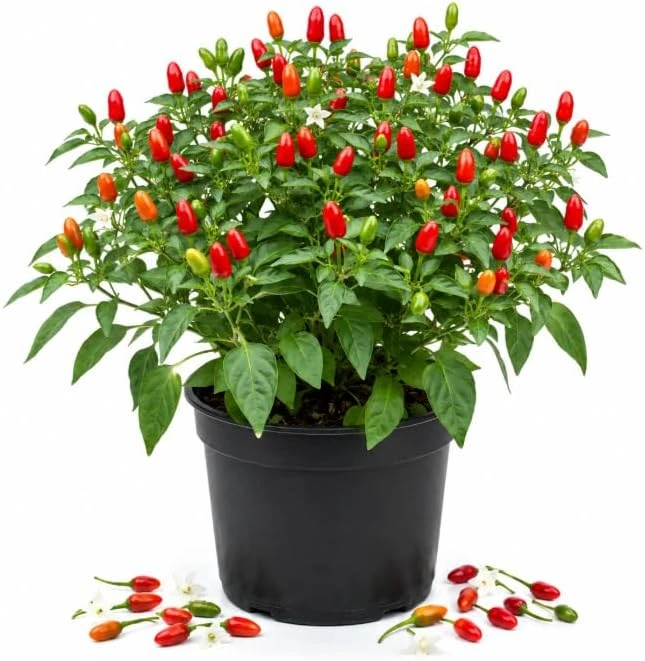
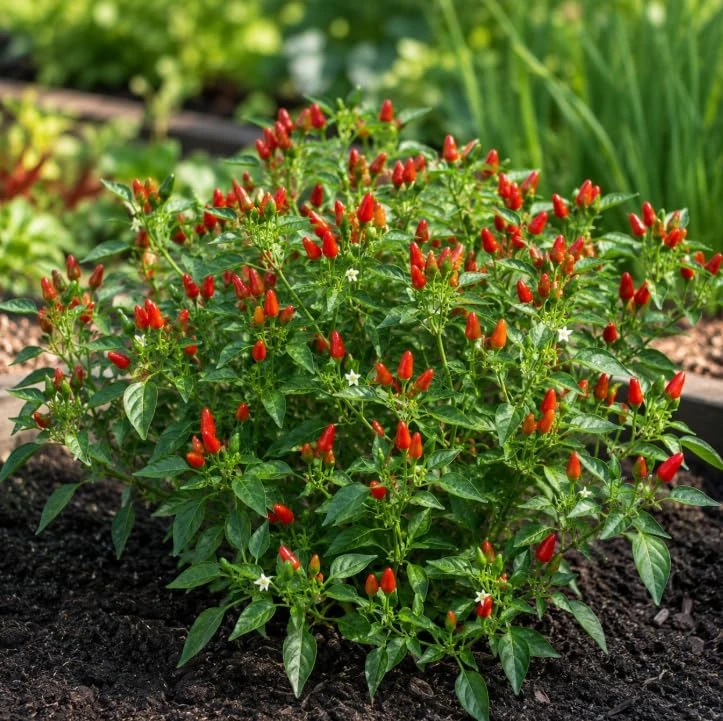
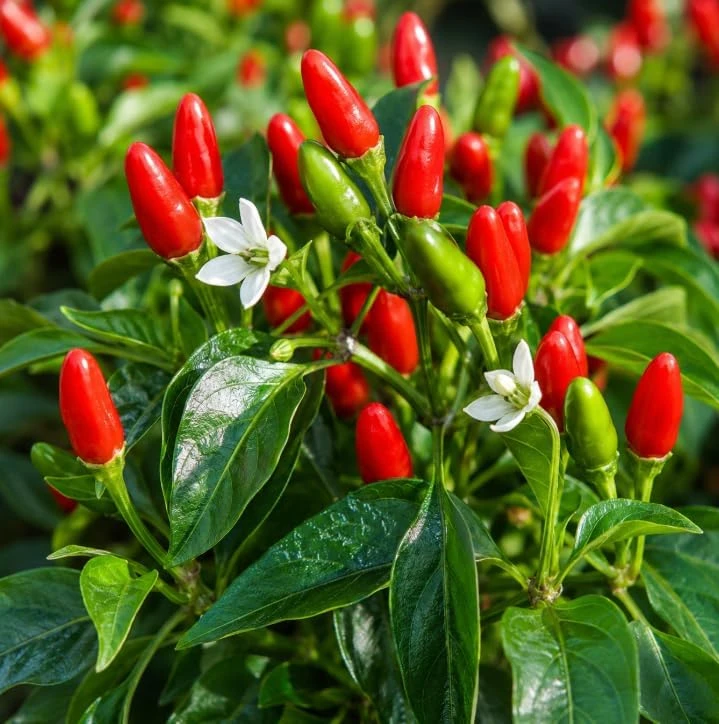
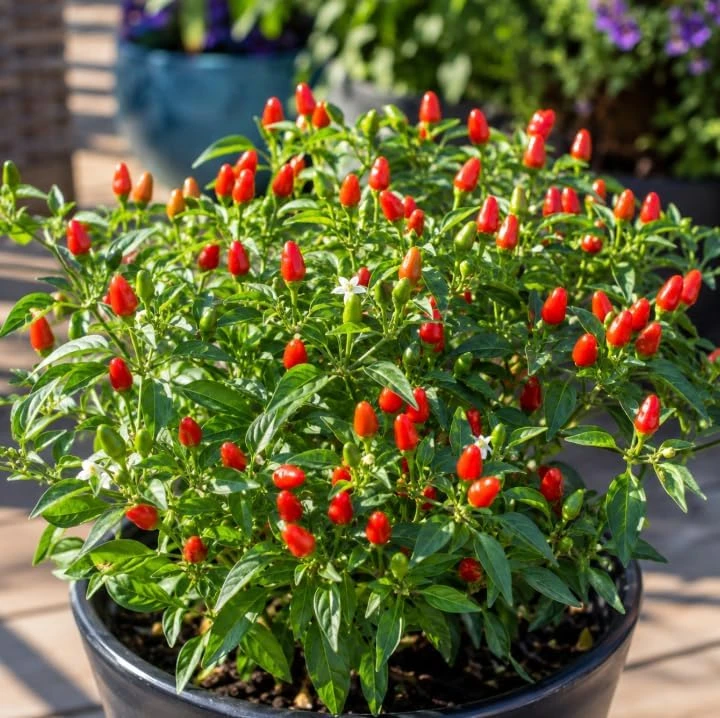
Chile Pequin Pepper Plant Live – Red Chili Seedling 3-6 Inch Tall for Garden
Original price was: 35.99 $.15.99 $Current price is: 15.99 $.
Cultivate your own spicy flavor with a Chile Pequin Pepper Plant. This 3-6 inch tall live red chili seedling is ideal for planting in your garden or containers. Enjoy vibrant red peppers and a continuous harvest from this robust hot pepper plant.
Estimated arrival
Oct 17
Oct 22 - Oct 24
Oct 24 - Oct 29
See our Shipping Policy.
Get in touch with us via email, and our team will review your concerns.
Our Alive & Thrive Guarantee covers issues with your plants within the first 30 days. Read our Refund & Returns Policy.
-
USDA Hardiness Zone
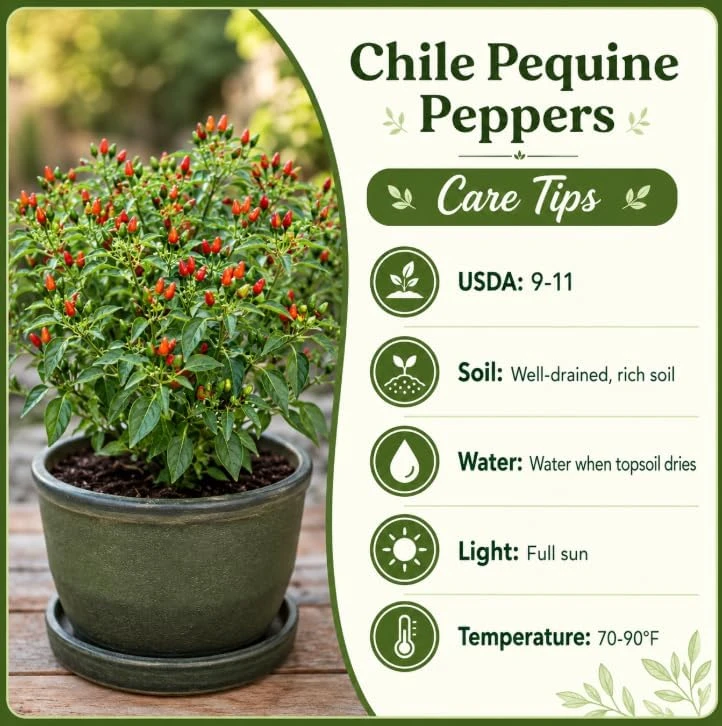
USDA Zones 9 to 11 -
Soil Type
Well-draining soil -
Sunlight Exposure
Full sun -
Expected Planting Period
Spring to early summer (or year-round indoors with light)
Overview
Embark on a flavorful gardening journey with a live Chile Pequin Pepper Plant. This small yet mighty pepper variety, scientifically known as Capsicum annuum var. glabriusculum, is a true gem for any gardener looking to add a kick to their culinary creations. Originating from Mexico and the southwestern United States, the Chile Pequin Pepper Plant is renowned for its tiny, intensely hot, and flavorful red berries. These plants are typically compact, making them an excellent choice for both spacious gardens and smaller container setups on patios or balconies. Our offerings are healthy, vibrant seedlings, generally 3-6 inches tall, ready to be transplanted and begin their vigorous growth in your care. Expect a prolific yield of these fiery peppers, which are often used in sauces, salsas, and vinegars, or simply dried and crushed as a seasoning. Growing a Chile Pequin Pepper Plant is a rewarding experience, providing fresh, zesty heat right from your backyard.
Key Benefits
Adding a Chile Pequin Pepper Plant to your garden or container collection brings a host of advantages, from culinary delight to ornamental appeal. These robust plants are not only productive but also relatively easy to care for, making them suitable for gardeners of various skill levels. Discover the many reasons to cultivate this exceptional pepper:
-
Intense Flavor & Heat
The small size of Pequin peppers belies their powerful punch. They offer a unique, smoky, and nutty flavor profile combined with a significant heat level that enhances any dish. This makes the Chile Pequin Pepper Plant a must-have for those who appreciate spicy cuisine.
-
Prolific & Continuous Harvest
Once established, these plants are known for their abundant production, yielding numerous peppers throughout the growing season. You’ll enjoy a continuous supply of fresh chilies, ensuring your pantry is always stocked with this versatile ingredient.
-
Compact Growth Habit
With their naturally bushy and compact form, Chile Pequin Pepper Plant specimens are perfectly suited for container gardening. This allows even urban dwellers or those with limited space to enjoy fresh, home-grown peppers.
-
Ornamental Appeal
Beyond their culinary value, the vibrant red peppers against the lush green foliage make the plant an attractive addition to any garden or patio. They add a splash of color and a touch of exotic beauty to your outdoor spaces.
-
Versatile Culinary Use
Pequin peppers are incredibly versatile. They can be used fresh in salsas, dried for seasoning, infused in oils and vinegars, or added to stews and sauces for a fiery kick. Learning to grow Pequin pepper opens up a world of culinary possibilities.
-
Drought Tolerance
Once mature, the Chile Pequin Pepper Plant exhibits a good degree of drought tolerance, making it a resilient choice for various climates and reducing the need for constant watering once established.
-
Attracts Wildlife
While the peppers are spicy to humans, birds are not affected by capsaicin and are often attracted to the bright red berries, helping with seed dispersal and adding life to your garden.
Plant Care & Growing Tips
Cultivating a thriving Chile Pequin Pepper Plant is straightforward with the right care. These plants generally prefer warm conditions and plenty of sunlight to produce their best harvest. When you receive your red chili seedling, it will be ready for transplanting into its permanent home, whether that’s a garden bed or a container. Ensure the location receives at least 6-8 hours of full sun daily. Insufficient light can lead to leggy growth and reduced pepper production. Ideal temperatures for this hot pepper plant range between 70°F and 90°F, making them well-suited for summer growing seasons.
For soil, opt for a well-draining mix that is rich in organic matter. If planting in the ground, amend heavy clay soils with compost to improve drainage. For containers, a high-quality potting mix designed for vegetables or herbs will work best. Water your Chile Pequin Pepper Plant regularly, especially during dry spells and when the plant is fruiting. The soil should be kept consistently moist but never waterlogged, as this can lead to root rot. Allow the top inch of soil to dry out slightly between waterings. Fertilize every 2-4 weeks with a balanced liquid fertilizer or a slow-release granular fertilizer, particularly once flowers and fruits begin to appear. Monitor your plant for common pests like aphids or spider mites and treat them promptly with organic insecticidal soap if necessary. These plants are generally resilient, and a healthy growing environment is your best defense against problems. Understanding how to grow Pequin pepper successfully ensures a bountiful and spicy yield.
Size & Details
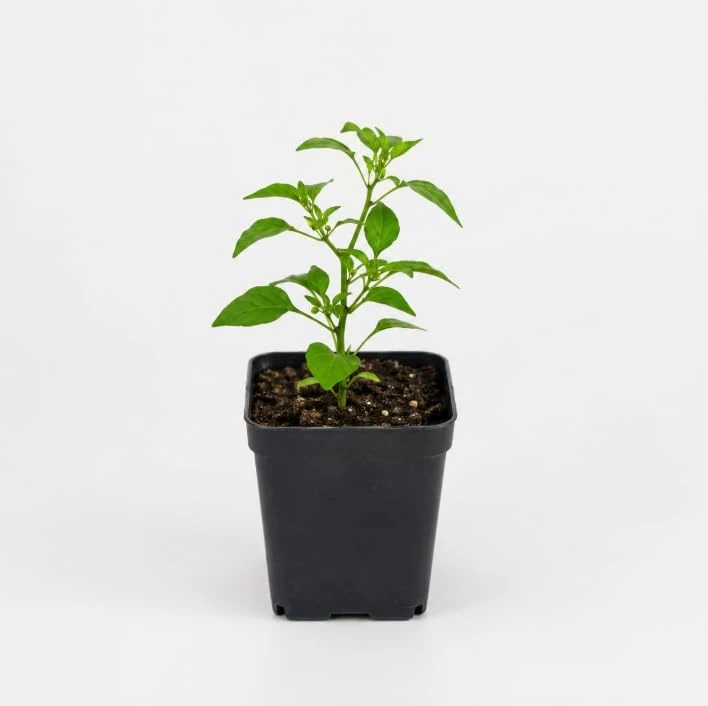
This offering is for a live Chile Pequin Pepper Plant, typically measuring 3-6 inches in height upon arrival. Each red chili seedling is carefully nurtured to ensure it is robust and healthy, ready for successful transplanting into your garden or preferred container. These plants will mature into compact, bushy specimens, generally reaching about 1-3 feet in height and spread, making them an ideal container pepper plant. They are known for a relatively fast growth rate, with peppers usually appearing within 60-90 days after transplanting, depending on growing conditions and climate. The peppers themselves are small, often less than half an inch in diameter, but pack a significant heat. They will arrive in a nursery pot with soil, ensuring minimal transplant shock and a smooth transition to your home garden. Expect a long harvest season, often extending from late summer into fall in suitable climates.
Frequently Asked Questions
-
Q: How big does this Chile Pequin Pepper Plant get?
A: A mature Chile Pequin Pepper Plant typically grows to about 1 to 3 feet tall and equally wide, forming a bushy and compact plant. Its size makes it an excellent choice for both garden beds and container gardening.
-
Q: Is this an indoor or outdoor plant?
A: While the Chile Pequin Pepper Plant thrives outdoors in warm climates (USDA Zones 9-11), it can also be grown indoors as a container pepper plant if provided with sufficient light, such as a sunny window or grow lights.
-
Q: How much sunlight does it need?
A: This hot pepper plant requires full sun, meaning at least 6-8 hours of direct sunlight per day, to produce the best fruit yield and maintain healthy growth. Less light can result in fewer peppers.
-
Q: Is this plant easy to care for?
A: Yes, the Chile Pequin Pepper Plant is considered relatively easy to care for, making it suitable for both beginner and experienced gardeners. Consistent watering, adequate sunlight, and well-draining soil are key.
-
Q: What condition will the red chili seedling arrive in?
A: Your red chili seedling will arrive as a healthy, live plant, typically 3-6 inches tall, securely packaged in its nursery pot with soil to ensure its well-being during transit and readiness for immediate transplanting.
-
Q: Can I use Pequin peppers in cooking?
A: Absolutely! Pequin peppers are highly prized for their intense heat and unique smoky flavor. They are excellent in salsas, sauces, vinegars, and can be dried and ground into a spicy powder. Learning to grow Pequin pepper offers fresh culinary options.
-
Q: How long until it starts producing peppers?
A: After transplanting your Chile Pequin Pepper Plant, you can generally expect to see flowers and the first peppers forming within 60-90 days, with a continuous harvest throughout the warm season.
-
Q: What’s the minimum temperature this plant can tolerate?
A: The Chile Pequin Pepper Plant is sensitive to cold. It thrives in temperatures between 70°F and 90°F and should be protected when temperatures drop below 50°F (10°C) to prevent damage or death.
-
Q: Is it good for beginners who want to grow Pequin pepper?
A: Yes, with basic care instructions followed, beginners can successfully grow Pequin pepper plants. They are quite forgiving and provide a rewarding harvest, encouraging new gardeners.
-
Q: What kind of soil is best for a container pepper plant?
A: For a container pepper plant, a high-quality, well-draining potting mix that is rich in organic matter is ideal. Ensure the container has drainage holes to prevent waterlogging.
Be the first to review “Chile Pequin Pepper Plant Live – Red Chili Seedling 3-6 Inch Tall for Garden”
Related products


You May Like

Hardneck vs. Softneck Garlic: Which Should You Grow?
Have you ever stood in front of a seed catalog in mid-September, staring at dozens [...]
Oct

When to Plant Music Garlic: Ultimate US Fall Guide
Have you ever spent your fall weekend placing carefully chosen garlic cloves into rich, dark [...]
1 Comment
Oct

5 Best Bulbs for Fall Planting: Brighten Your Garden This Spring
Are you dreaming of a garden full of vibrant colors in the spring? The key [...]
Aug

10 Houseplants That Will Thrive in Your Kitchen
Are you tired of your kitchen feeling dull and lifeless? Want to add a little [...]
1 Comment
Aug
Reviews
There are no reviews yet.