
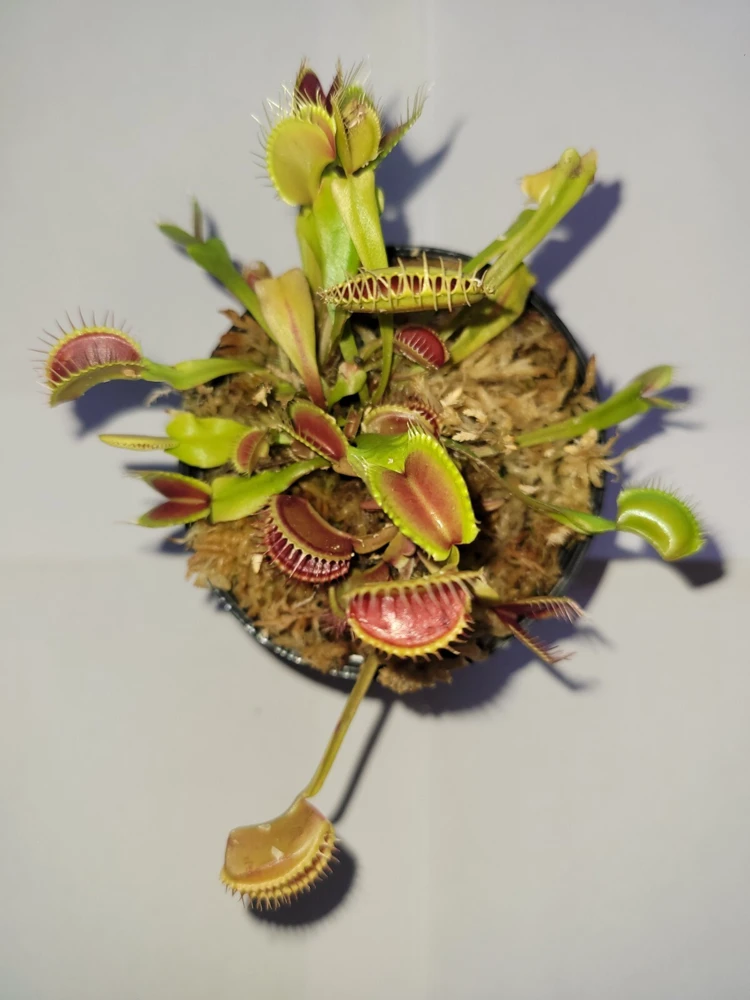
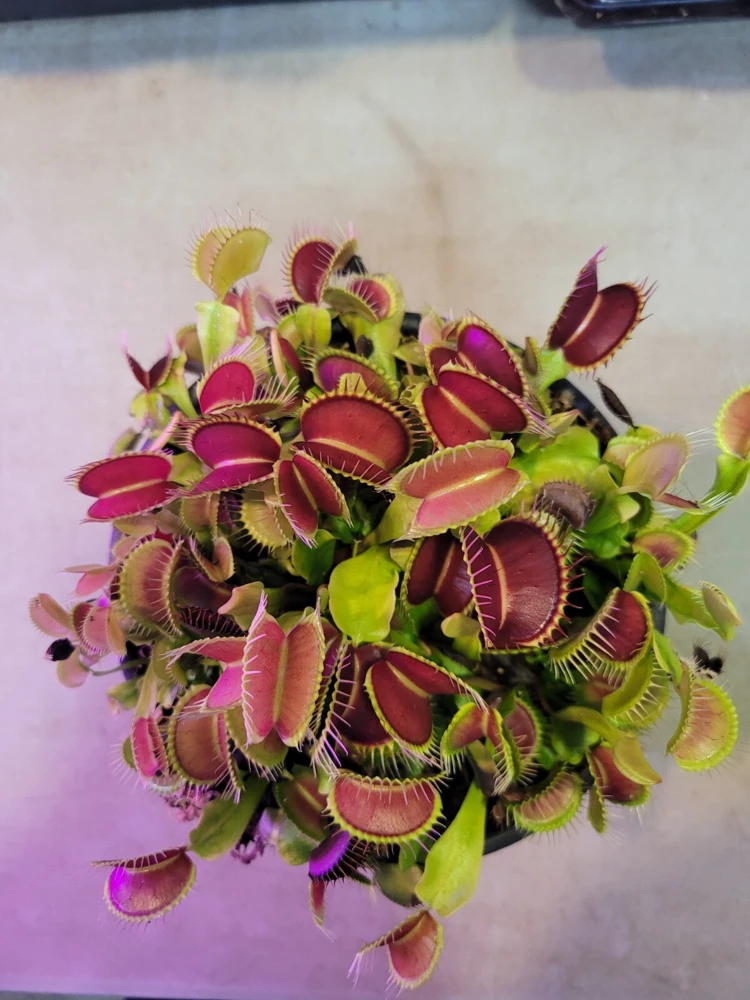
3 Small ‘Giant’ Venus Flytrap Live Carnivorous Plants – Dionaea Muscipula
Original price was: 80.99 $.55.99 $Current price is: 55.99 $.
Bring home 3 small ‘Giant’ Venus Flytraps, fascinating carnivorous plant for sale that adds unique appeal to any indoor or outdoor setting. These Dionaea Muscipula plant specimens are known for their distinctive trapping leaves and ease of care, making them an excellent choice for enthusiasts and beginners alike. Learn how to grow venus flytrap effectively.
Estimated arrival
Oct 17
Oct 22 - Oct 24
Oct 24 - Oct 29
See our Shipping Policy.
Get in touch with us via email, and our team will review your concerns.
Our Alive & Thrive Guarantee covers issues with your plants within the first 30 days. Read our Refund & Returns Policy.
-
USDA Hardiness Zone
9 (20 to 30 °F) -
Soil Type
Peat -
Sunlight Exposure
Full Sun -
Expected Planting Period
Year-round indoors, Spring to Summer outdoors
Overview
Introduce a captivating element to your plant collection with our offering of 3 small ‘Giant’ Venus Flytraps, live carnivorous plants that are as intriguing as they are beautiful. These unique specimens, scientifically known as Dionaea Muscipula plant, are renowned for their iconic traps, which snap shut to capture unsuspecting insects. Perfect for both seasoned carnivorous plant enthusiasts and those new to the world of predatory flora, these Venus Flytraps offer an engaging and educational experience. Each plant is carefully cultivated to ensure health and vitality upon arrival, ready to thrive in your home or garden. Witness nature’s marvel firsthand as these ‘Giant’ varieties display their impressive trapping abilities, providing a natural and fascinating form of pest control. This trio of plants ensures you have multiple opportunities to observe their growth and predatory behavior, making them a truly dynamic addition to any space.
Key Benefits
Our giant venus flytrap live plant offers a multitude of benefits beyond its striking appearance, making it a compelling choice for any plant lover. These benefits contribute to both the aesthetic and practical aspects of owning such a unique botanical specimen.
- Natural Pest Control: The primary advantage of a Dionaea Muscipula plant is its remarkable ability to naturally control small insect populations. Each trap acts as an efficient mechanism, reducing gnats, flies, and other common household pests without the need for chemical sprays.
- Educational and Engaging: Owning a carnivorous plant for sale provides a fantastic educational opportunity for all ages. Observing the traps in action offers insight into plant biology and adaptation, fostering curiosity about the natural world.
- Unique Aesthetic Appeal: With their vibrant colors and distinctive trap formations, these Venus Flytraps serve as a living conversation piece. They add an exotic and visually stimulating touch to windowsills, terrariums, or outdoor bog gardens.
- Relatively Low Maintenance: Despite their exotic nature, caring for a giant venus flytrap live plant is surprisingly straightforward once you understand their specific needs. They thrive on consistency and specific conditions that are easy to replicate.
- Adaptable to Indoor & Outdoor Environments: These plants are versatile, capable of flourishing both indoors under proper conditions and outdoors in suitable climates or specialized setups like bog gardens, offering flexibility in placement.
- Promotes Biodiversity: Incorporating carnivorous plants into your environment can subtly encourage a more diverse ecosystem, even on a small scale, by interacting with local insect populations.
Plant Care & Growing Tips
Understanding venus flytrap plant care is crucial for the long-term health and vibrancy of your Dionaea Muscipula plant. These carnivorous plants have specific requirements that, when met, allow them to flourish. They thrive in bright, direct sunlight for at least 4-6 hours a day. If grown indoors, a south-facing window is ideal, or consider using a grow light to supplement natural light. Insufficient light can lead to weak, elongated traps and a lack of vibrant coloration. The ‘Giant’ Venus Flytrap, like its smaller counterparts, requires consistently moist soil, but never waterlogged. The best method is to sit the pot in a tray of distilled water, rainwater, or reverse osmosis water, allowing the plant to absorb water from the bottom. Tap water, due to its mineral content, can be detrimental to their sensitive roots over time.
The ideal soil for a giant venus flytrap live plant is a mixture of sphagnum peat moss and perlite or horticultural sand, ensuring excellent drainage and an acidic pH. Avoid nutrient-rich potting mixes, as Venus Flytraps obtain their nutrients from insects. They prefer temperate climates and can tolerate a wide range of temperatures, but they do require a dormancy period in winter (typically 3-4 months) where temperatures drop to 35-55°F (2-13°C). During dormancy, reduce watering and ensure they still receive some light. Fertilization is not necessary; the plant gets all the nutrients it needs from the insects it catches. If your plant isn’t catching enough insects, you can occasionally feed it small, live insects, but avoid overfeeding. Proper how to grow venus flytrap techniques ensure a healthy, thriving specimen.
Size & Details
This offering includes 3 small ‘Giant’ Venus Flytraps, each measuring approximately 3.5 inches in width. These live plants are shipped in their established form, ready for immediate placement in your preferred indoor or outdoor growing environment. The ‘Giant’ variety is known for producing larger traps compared to standard Venus Flytraps, making their predatory actions even more impressive to observe. While their growth rate is considered slow, consistent care will lead to a robust and healthy specimen over time. Each plant will arrive carefully packaged to ensure its safety and vitality during transit, ready to continue its growth journey with you. Expect mature plants to develop traps that are noticeably larger than typical Dionaea Muscipula, enhancing their unique appeal.
Frequently Asked Questions
- Q: How big do these ‘Giant’ Venus Flytraps get? A: While these are 3 small ‘Giant’ Venus Flytraps, the ‘Giant’ variety is known for producing larger traps than typical Venus Flytraps. Each plant in this set measures approximately 3.5 inches wide, and with proper care, their traps can grow quite large, making them very impressive.
- Q: Is this an indoor or outdoor plant? A: The giant venus flytrap live plant is versatile and can thrive both indoors and outdoors. If grown indoors, it requires a very bright, sunny spot, ideally a south-facing window. Outdoors, it does well in bog gardens or pots that mimic bog conditions in USDA zones 9–11.
- Q: How much sunlight does a Venus Flytrap need? A: A Dionaea Muscipula plant needs at least 4-6 hours of direct sunlight daily to develop strong traps and vibrant coloration. If direct sunlight isn’t available, a strong grow light can be used as a supplement for optimal growth.
- Q: Is this plant easy to care for, especially for beginners? A: While Venus Flytraps have specific care requirements, they are considered relatively easy for beginners once these needs are understood. The key is consistent watering with distilled or rainwater, proper soil, and ample sunlight. Learning venus flytrap plant care is a rewarding experience.
- Q: What condition will the plants arrive in? A: Your carnivorous plant for sale will arrive as live, healthy plants, carefully packaged to minimize stress during shipping. They will be established in their pots, ready to be placed in your desired location upon arrival.
- Q: When is the best time to plant or repot a Venus Flytrap? A: The best time to repot a Venus Flytrap is typically in late winter or early spring, just before its active growing season begins. This allows the plant to settle into its new environment before it starts putting out new growth.
- Q: What’s the minimum temperature these ‘Giant’ Venus Flytraps can tolerate? A: During their active growing season, Venus Flytraps prefer temperatures between 60-95°F (15-35°C). However, they require a winter dormancy period where temperatures should drop to 35-55°F (2-13°C) for several months.
- Q: How do I feed my Venus Flytrap if it’s indoors? A: If your indoor Dionaea Muscipula plant isn’t catching enough insects naturally, you can feed it small, live insects like flies or spiders a few times a month. Ensure the insect is small enough to fit entirely within the trap.
- Q: Can I use tap water for my Venus Flytrap? A: No, you should never use tap water for your Venus Flytrap. The minerals and chemicals in tap water can build up in the soil and eventually kill the plant. Always use distilled water, rainwater, or reverse osmosis water for proper how to grow venus flytrap.
- Q: Are these plants safe for children and pets? A: While the Venus Flytrap is not toxic, its traps can be delicate. Children and pets should be supervised to prevent them from accidentally triggering the traps or damaging the plant. The plant is considered child-safe by the seller.
Be the first to review “3 Small ‘Giant’ Venus Flytrap Live Carnivorous Plants – Dionaea Muscipula”
Related products

HousePlants


HousePlants
White Christmas Caladium Live Plant with Roots – Fancy Leaf Elephant Ear Tropical Shade Plant

HousePlants
Purple African Violet Plant Live, Perennial Houseplant, 4 Inch Pot, Indoor Garden, Vibrant Violets

You May Like

Hardneck vs. Softneck Garlic: Which Should You Grow?
Have you ever stood in front of a seed catalog in mid-September, staring at dozens [...]
Oct

When to Plant Music Garlic: Ultimate US Fall Guide
Have you ever spent your fall weekend placing carefully chosen garlic cloves into rich, dark [...]
1 Comment
Oct

5 Best Bulbs for Fall Planting: Brighten Your Garden This Spring
Are you dreaming of a garden full of vibrant colors in the spring? The key [...]
Aug

10 Houseplants That Will Thrive in Your Kitchen
Are you tired of your kitchen feeling dull and lifeless? Want to add a little [...]
1 Comment
Aug
Reviews
There are no reviews yet.