
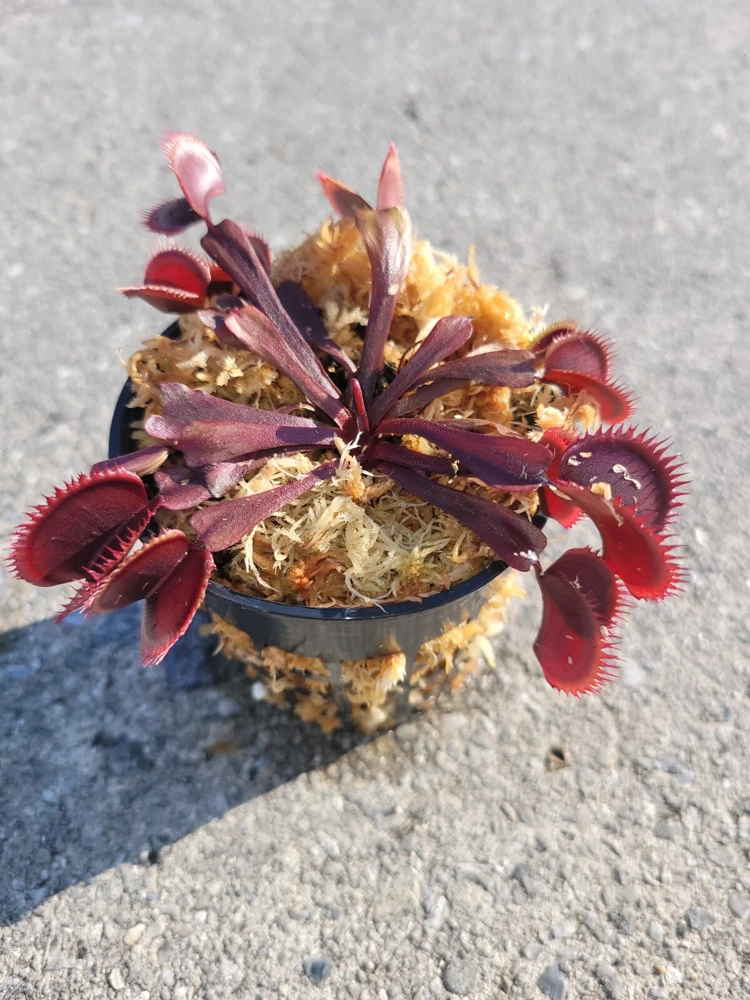
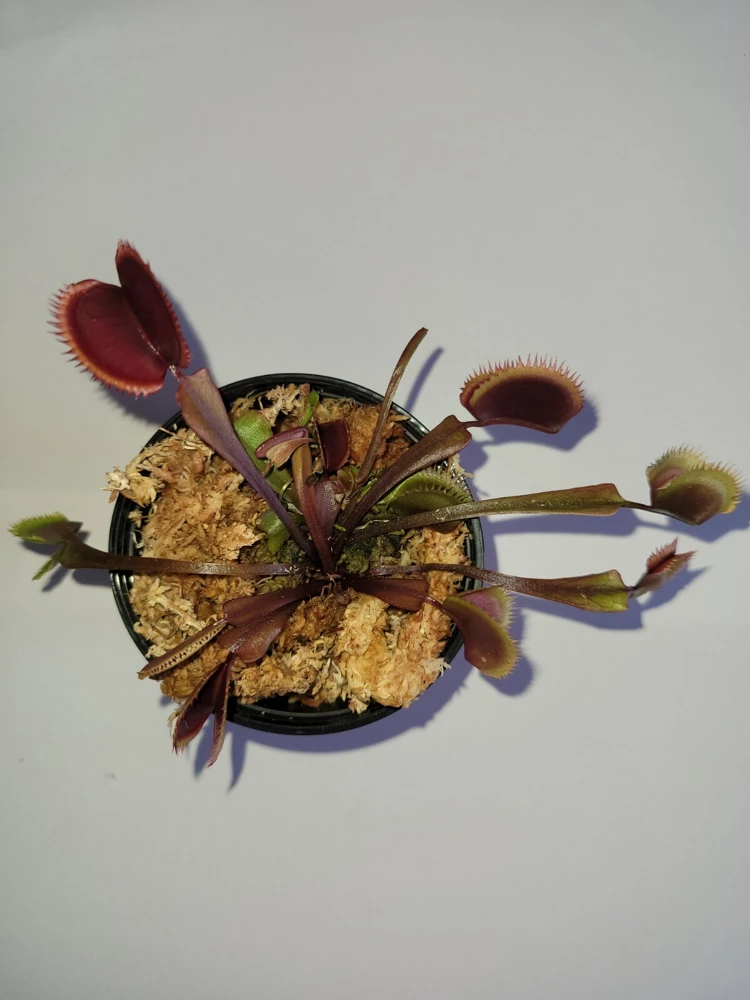
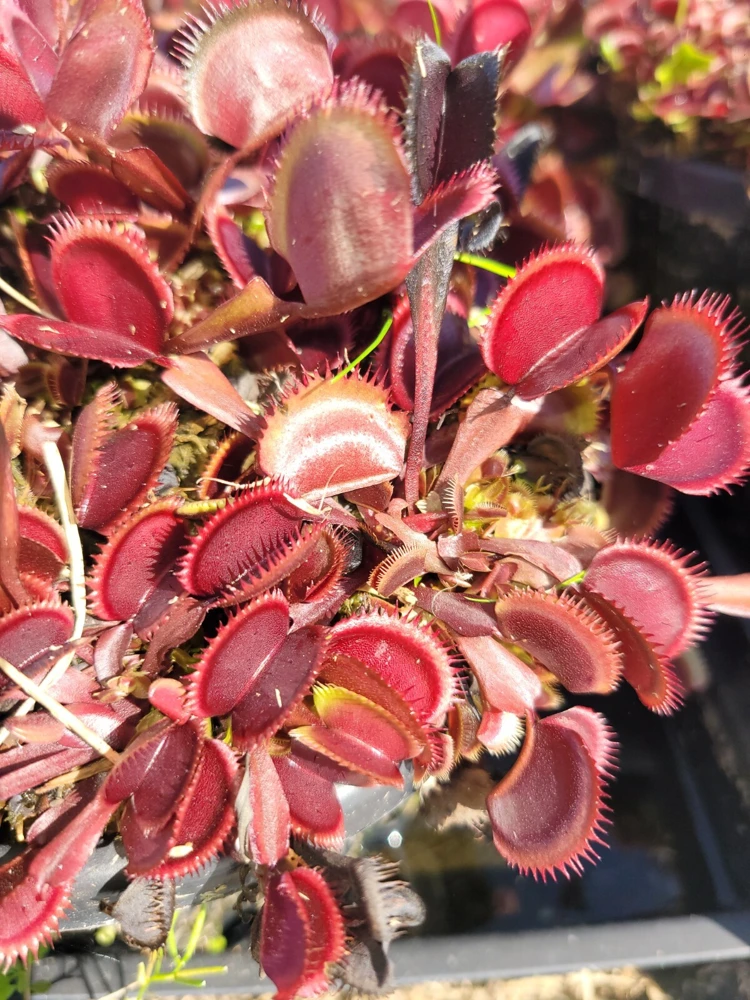
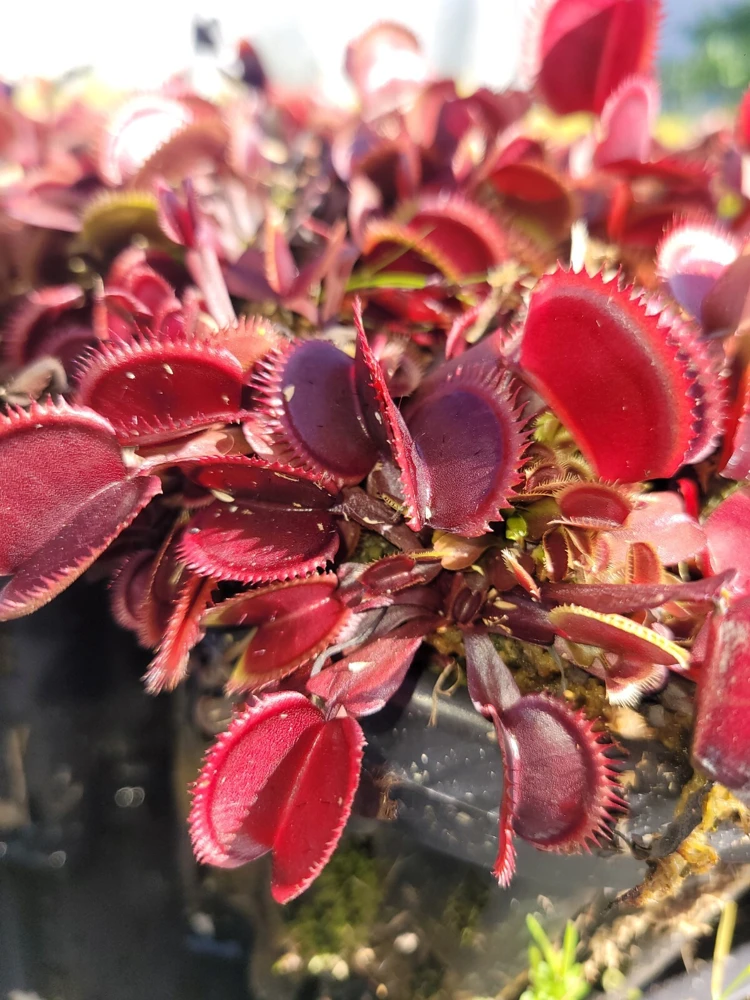
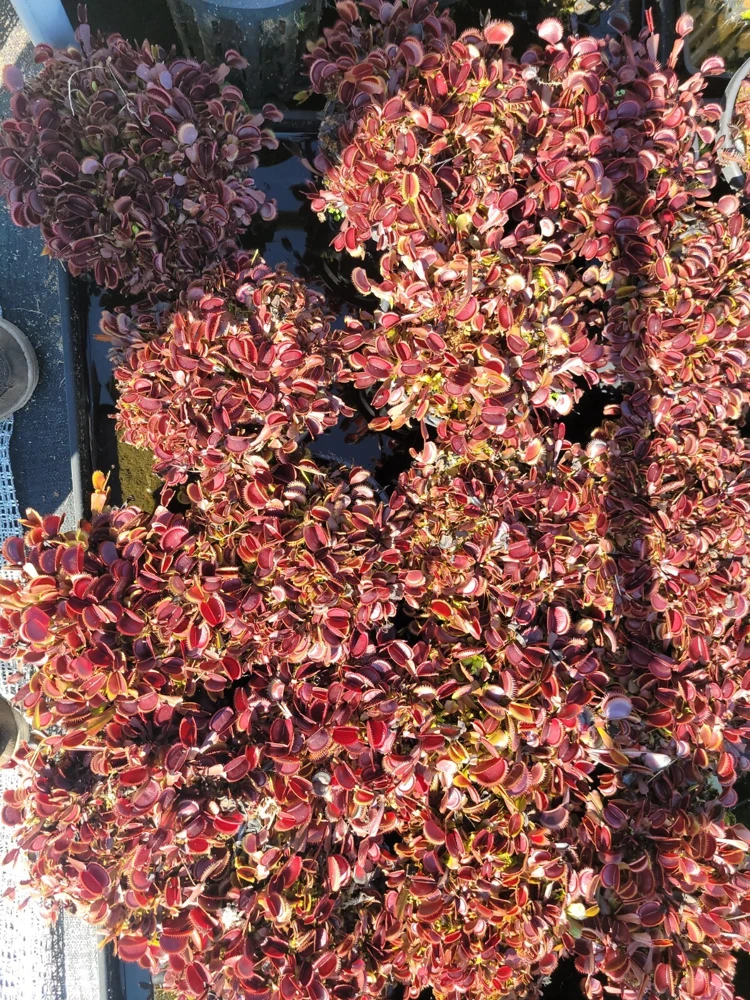
Red Venus Flytrap Live Plant – Carnivorous Plant – Large Size – Indoor/Outdoor
Original price was: 79.99 $.54.99 $Current price is: 54.99 $.
Bring home a captivating red venus flytrap live plant, a unique carnivorous wonder. This large-sized Dionaea muscipula is perfect for both indoor and outdoor settings, offering natural insect control and a striking focal point.
- Vibrant red coloration
- Fascinating active traps
- Low maintenance and pet-safe
Estimated arrival
Oct 16
Oct 21 - Oct 23
Oct 23 - Oct 28
See our Shipping Policy.
Get in touch with us via email, and our team will review your concerns.
Our Alive & Thrive Guarantee covers issues with your plants within the first 30 days. Read our Refund & Returns Policy.
-
USDA Hardiness Zone
9 (20 to 30 °F) -
Soil Type
Peat (acidic, nutrient-poor) -
Sunlight Exposure
Full Sun -
Expected Planting Period
Year-round indoors, Spring to Summer outdoors
Overview
Welcome a truly extraordinary addition to your plant collection with the red venus flytrap live plant. This captivating carnivorous plant, scientifically known as Dionaea muscipula, is renowned for its iconic, hinged traps that snap shut to catch insects. Originating from boggy regions of North and South Carolina, this particular variety boasts a vibrant red coloration that intensifies with ample sunlight, making it a stunning specimen for any plant enthusiast. Unlike typical houseplants, the Venus Flytrap offers an interactive experience, captivating observers as it hunts its prey. It’s an excellent choice for those looking to add a unique, conversation-starting plant to their home or garden, providing both aesthetic appeal and natural pest control. This large-sized specimen is shipped as a healthy, thriving plant, ready to display its remarkable predatory nature.
The Venus Flytrap is a fascinating example of natural adaptation, evolving to thrive in nutrient-poor soils by supplementing its diet with insects. Its distinctive red-lined traps are not only beautiful but also highly effective, luring unsuspecting prey with nectar before closing rapidly. Owning a red venus flytrap live plant is an opportunity to observe one of nature’s most incredible wonders up close, offering endless fascination and a touch of the wild within your living space or outdoor bog garden. It’s suitable for both beginners and experienced carnivorous plant growers, provided its specific environmental needs are met.
Key Benefits
Beyond its unique appearance and predatory habits, the red venus flytrap live plant offers several advantages for plant lovers and home environments:
- Natural Insect Control: Effectively reduces bothersome insects like flies, gnats, and mosquitoes in your home or garden, serving as a natural, chemical-free pest deterrent.
- Educational & Fascinating: Provides an incredible opportunity to observe nature’s ingenuity firsthand. Watching the traps in action is an engaging experience for all ages, making it a great educational tool.
- Unique Aesthetic Appeal: Its vibrant red traps and unusual form make it a striking focal point, adding an exotic and captivating element to any plant collection, terrarium, or bog garden.
- Pet and Child Safe: Unlike many common houseplants that can be toxic, the Venus Flytrap is generally considered safe for homes with pets and children, though caution should always be exercised with any plant.
- Low Maintenance (with specific care): Once its basic needs for light, water, and soil are understood, caring for a red venus flytrap live plant is straightforward and rewarding, requiring less frequent attention than many flowering plants.
- Adaptable to Various Settings: Thrives both indoors on a sunny windowsill or under grow lights, and outdoors in appropriate climates or bog gardens, offering versatility in placement.
- Conversation Starter: Its unusual nature is guaranteed to spark curiosity and conversation among guests, highlighting your unique taste in horticulture.
Plant Care & Growing Tips
Proper care is essential for a thriving red venus flytrap live plant. These carnivorous beauties have specific requirements that, once understood, make them relatively easy to maintain. They absolutely require plenty of direct sunlight; aim for at least 4-6 hours of direct sun daily. For indoor cultivation, a south-facing window is ideal, or you can supplement with a strong grow light. Insufficient light will cause the plant to lose its vibrant red coloration and become weak. The USDA Hardiness Zone for Venus Flytraps is typically 7-10, meaning they can be grown outdoors year-round in these regions. In colder climates, they will need protection during winter, often by bringing them indoors or providing a cold, dormant period.
Watering is critical: Venus Flytraps must be watered with distilled water, rainwater, or reverse osmosis water. Tap water, even filtered, often contains minerals that can harm the plant over time. They prefer consistently moist soil, so the tray method (keeping the pot in a tray with about an inch of water) is highly recommended. The soil type should be a nutrient-poor, acidic mixture, typically a blend of peat moss and perlite or horticultural sand (50/50 mix). Never use regular potting soil or compost, as the nutrients will burn the roots. Fertilization is generally not needed; the plant gets its nutrients from insects. If grown indoors and it’s not catching enough prey, you can occasionally feed it a small insect. Ensure the plant undergoes a dormancy period in winter (cooler temperatures, reduced light) for long-term health.
Size & Details
This offering is for a large-sized red venus flytrap live plant, typically shipped as a healthy, established plant in a nursery pot. While exact dimensions can vary slightly based on individual growth, these plants generally feature mature traps and a robust root system, ready to settle into their new home. The plant will arrive carefully packaged to ensure its safety during transit. Venus Flytraps exhibit a clumping growth habit, forming a rosette of leaves and traps that can spread several inches wide. The vibrant red coloration within the traps is a key characteristic of this specific variety, intensifying under optimal light conditions. Expect a moderate growth rate, with new traps forming regularly throughout the growing season. The plant will arrive actively growing and displaying its unique predatory features, providing instant appeal and fascination. This plant is a perfect specimen for those looking to successfully buy venus flytrap plants that are vigorous and healthy.
Frequently Asked Questions
- Q: How big does this red venus flytrap live plant get? A: While specific size varies, our large-sized Venus Flytraps typically have traps that can reach 1-1.5 inches in length, and the entire plant can spread 4-6 inches wide. With proper care, they can grow quite robustly over time.
- Q: Is this an indoor or outdoor plant? A: The red venus flytrap live plant can thrive both indoors and outdoors. Indoors, it needs a very sunny spot or grow lights. Outdoors, it does best in bog gardens or pots that can be protected during harsh winters, especially if you want to successfully grow a carnivorous plant for sale.
- Q: How much sunlight does a Venus Flytrap need? A: These plants require a minimum of 4-6 hours of direct sunlight daily to maintain their vibrant red coloration and strong trap development. More light is generally better for the health of the plant.
- Q: Is this plant easy to care for? A: Venus Flytraps have specific care requirements, particularly regarding water and soil, but once these are understood, they are relatively easy to maintain. It’s not a beginner houseplant, but with a little research, anyone can succeed with venus flytrap care.
- Q: What condition will the plant arrive in? A: Your red venus flytrap live plant will arrive as a healthy, actively growing specimen, carefully packaged in its nursery pot to minimize stress during shipping. It will be ready to display its unique features.
- Q: What kind of water should I use for my Venus Flytrap? A: Always use distilled water, rainwater, or reverse osmosis water. Tap water contains minerals that are harmful to Venus Flytraps and can lead to their decline over time.
- Q: Is this Venus Flytrap pet-safe? A: Yes, Venus Flytraps are generally considered non-toxic to pets and children. However, as with any plant, it’s always best to prevent ingestion and supervise interactions.
- Q: When is the best time to plant or repot a Venus Flytrap? A: The best time to repot or plant a Venus Flytrap is during its dormancy period in late winter or early spring, just before new growth begins. This minimizes stress on the plant.
- Q: Will it survive winter in my zone? A: Venus Flytraps are hardy in USDA Zones 7-10. If you are in a colder zone, you will need to provide winter protection, such as bringing it indoors to a cool, unheated area for dormancy.
- Q: Why is my Venus Flytrap losing its red color? A: The most common reason for a dionaea muscipula red losing its vibrant color is insufficient sunlight. Ensure it’s receiving plenty of direct light to maintain its striking hues.
- Q: How do I feed my Venus Flytrap? A: If grown outdoors, it will catch its own food. Indoors, if it’s not catching insects, you can feed it a small, live insect (like a housefly or ant) about once every 2-4 weeks. Do not feed it meat or large insects.
Be the first to review “Red Venus Flytrap Live Plant – Carnivorous Plant – Large Size – Indoor/Outdoor”
Related products


You May Like

Hardneck vs. Softneck Garlic: Which Should You Grow?
Have you ever stood in front of a seed catalog in mid-September, staring at dozens [...]
Oct

When to Plant Music Garlic: Ultimate US Fall Guide
Have you ever spent your fall weekend placing carefully chosen garlic cloves into rich, dark [...]
1 Comment
Oct

5 Best Bulbs for Fall Planting: Brighten Your Garden This Spring
Are you dreaming of a garden full of vibrant colors in the spring? The key [...]
Aug

10 Houseplants That Will Thrive in Your Kitchen
Are you tired of your kitchen feeling dull and lifeless? Want to add a little [...]
1 Comment
Aug
Reviews
There are no reviews yet.